
How To Clean Your Prostate Naturally: Evidence-Based Tips
Prostate health is an important part of men’s overall wellness, especially as they get older. Many men search for “how to clean your prostate naturally” because they want to improve urinary comfort, support normal prostate function, and maintain better long-term health through natural methods.
However, it is important to understand what prostate cleansing really means. The prostate does not collect toxins or waste that can be removed through a specific detox method.
The human body already has natural systems that remove waste and maintain healthy tissues.
Instead of focusing on “cleaning” the prostate, a more accurate approach is supporting prostate health through nutrition, exercise, hydration, stress management, and healthy lifestyle choices.
The prostate is a small gland that plays an important role in male reproductive health. Because it surrounds part of the urinary pathway, changes in prostate size or function may affect urinary habits.
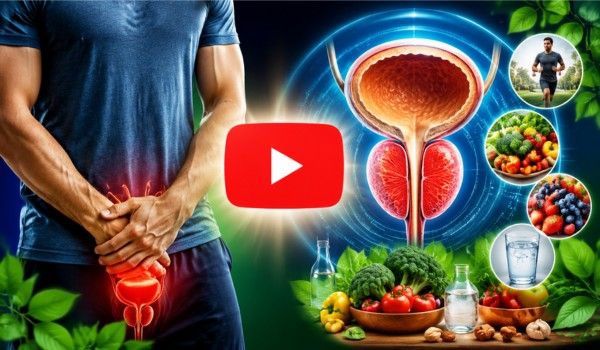

A balanced approach combines daily healthy habits with regular medical checkups. Natural methods may support overall wellness, but they should not replace professional evaluation when prostate symptoms appear.
Understanding The Prostate And Its Function
The prostate is a small gland located below the bladder and in front of the rectum. It is part of the male reproductive system and produces fluid that contributes to semen.
Although the prostate is small, it performs important functions. It helps provide nutrients and protection for sperm cells and plays a role in reproductive health.
As men age, the prostate naturally changes. Some men experience enlargement of the prostate, known as benign prostatic hyperplasia (BPH).
This condition is not cancer, but it can affect urinary function because the enlarged prostate may place pressure on the urethra.
Common prostate-related concerns may include:
- Frequent urination
- Increased nighttime urination
- Difficulty starting urination
- Weak urine flow
- Feeling that the bladder has not completely emptied
These symptoms can have many causes. Supporting prostate health through healthy lifestyle habits may help maintain comfort, but persistent symptoms should always be discussed with a healthcare professional.
Can You Actually Clean Your Prostate Naturally?
The idea of “cleaning” the prostate is often misunderstood. Unlike the digestive system, the prostate does not require a cleanse or detox process to remove built-up waste.
The body naturally manages waste removal through organs such as the liver, kidneys, and urinary system. The prostate functions as part of the reproductive system and does not need a special flushing routine.
A better way to think about prostate cleansing is prostate support. This means creating an environment where the body can maintain healthy function.
Natural prostate support focuses on:
- Eating nutrient-rich foods
- Supporting healthy circulation
- Maintaining a healthy weight
- Exercising regularly
- Managing stress
- Avoiding harmful lifestyle habits
- Scheduling regular health screenings
These habits support overall wellness and may contribute to healthier prostate function.
➢ Eat A Prostate-Friendly Diet
Nutrition plays a major role in supporting the body. A balanced diet provides essential vitamins, minerals, antioxidants, and plant nutrients that help maintain normal cellular function.
A prostate-supportive eating pattern generally includes plenty of vegetables, fruits, healthy fats, lean proteins, and whole foods.
➢ Include More Tomatoes And Lycopene-Rich Foods
Tomatoes are commonly associated with prostate health because they contain lycopene, a natural antioxidant.
Antioxidants help protect cells from oxidative stress caused by unstable molecules called free radicals. Maintaining antioxidant balance is an important part of overall cellular health.
Foods containing lycopene include:
- Tomatoes
- Tomato sauce
- Watermelon
- Pink grapefruit
- Guava
- Red peppers
Cooked tomato products may provide higher levels of available lycopene because heat can help release this compound from plant cells.
Adding colorful fruits and vegetables to daily meals can support a nutrient-rich lifestyle.
➢ Eat Cruciferous Vegetables Regularly
Cruciferous vegetables contain natural plant nutrients that support the body’s normal protective processes.
Examples include:
- Broccoli
- Cauliflower
- Brussels sprouts
- Cabbage
- Kale
These vegetables provide fiber, vitamins, minerals, and plant compounds that support overall health.
A diet rich in vegetables is associated with better cardiovascular and metabolic wellness, which are also connected with healthy aging.

➢ Choose Healthy Sources Of Fat
Healthy fats can be part of a balanced prostate-supportive diet. The type of fat consumed matters because different fats affect overall health differently.
Sources of healthier fats include:
- Salmon
- Sardines
- Walnuts
- Flaxseeds
- Chia seeds
- Olive oil
Replacing excessive amounts of processed fats with healthier options can support general wellness.
➢ Increase Fiber Intake
Fiber supports digestive health and helps maintain healthy metabolism.
High-fiber foods include:
- Beans
- Lentils
- Vegetables
- Fruits
- Whole grains
- Nuts and seeds
A diet with enough fiber can support healthy weight management, which is an important factor in maintaining overall male wellness.
➢ Stay Properly Hydrated
Hydration plays an important role in urinary health. Water supports kidney function and helps the body maintain normal fluid balance.
However, drinking large amounts of fluids late at night may increase nighttime bathroom visits for some men.
Healthy hydration habits include:
- Drinking enough water throughout the day
- Reducing large fluid intake before bedtime
- Limiting beverages that may irritate the bladder
- Paying attention to personal triggers
Hydration needs can vary based on activity level, weather, age, and health conditions.
➢ Exercise Regularly For Prostate Support
Physical activity is one of the most important lifestyle habits for overall health. Regular exercise supports circulation, cardiovascular health, metabolism, and healthy body weight.
Men can support their wellness by including activities such as:
- Walking
- Swimming
- Cycling comfortably
- Strength training
- Stretching exercises
Exercise does not need to be extreme to provide benefits. Consistent movement throughout the week is usually more valuable than occasional intense workouts.
➢ Consider Pelvic Floor Exercises
Pelvic floor muscles help control urinary function. Strengthening these muscles may support better bladder control.
Kegel exercises are a common type of pelvic floor exercise. They involve tightening and relaxing the muscles used to control urine flow.
A simple approach includes:
- Identify the correct pelvic muscles.
- Tighten the muscles for a few seconds.
- Relax and repeat several times.
Consistency is important when performing pelvic floor exercises.
➢ Maintain A Healthy Weight
Weight management is closely connected with overall health. Excess body weight may influence inflammation levels, hormone balance, and metabolic function.
Healthy weight management focuses on sustainable habits rather than extreme diets.
Helpful strategies include:
- Eating balanced meals
- Increasing physical activity
- Reducing processed foods
- Getting enough protein
- Prioritizing vegetables and fiber
- Maintaining regular sleep habits
Small improvements over time can create meaningful health benefits.

➢ Limit Foods And Habits That May Affect Comfort
Certain foods and lifestyle choices may worsen urinary discomfort for some individuals.
Common triggers may include:
- Excess caffeine
- Alcohol
- Highly processed foods
- High sugar intake
- Smoking
Not every person experiences the same effects. Keeping track of personal reactions can help identify habits that may influence comfort.
➢ Support Healthy Sleep Patterns
Sleep is essential for hormone regulation, immune function, and recovery.
Poor sleep may affect energy levels, mood, metabolism, and daily habits.
Better sleep habits include:
- Maintaining a regular sleep schedule
- Creating a comfortable sleeping environment
- Avoiding excessive screen time before bed
- Limiting heavy meals late at night
- Practicing relaxation techniques
Quality sleep supports overall health and healthy aging.
➢ Manage Stress Naturally
Stress affects many areas of the body. Long-term stress may influence sleep quality, eating habits, and physical activity levels.
Stress management techniques may include:
- Meditation
- Deep breathing
- Yoga
- Walking outdoors
- Relaxation exercises
- Spending time with family and friends
Managing stress supports a healthier lifestyle and may improve overall quality of life.
Natural Supplements For Prostate Support
Many men explore natural supplements as part of their prostate wellness routine. These products often contain botanical extracts, minerals, vitamins, or antioxidants.
Commonly researched ingredients include:
- Saw palmetto
- Pumpkin seed extract
- Zinc
- Selenium
- Beta-sitosterol
Research results may vary depending on the ingredient, dosage, and individual factors.
Supplements should be considered as part of a broader wellness approach. They should not replace medical care, especially for men experiencing significant urinary changes or prostate-related concerns.
Before using any supplement, it is important to consider personal health conditions and possible interactions with medications.

Avoid Smoking And Practice Moderate Alcohol Use
Smoking can negatively affect circulation and overall health. Avoiding tobacco products is one of the most beneficial steps for long-term wellness.
Alcohol may also influence urinary patterns in some men. Excessive alcohol intake can contribute to dehydration and may affect bladder comfort.
Making healthier lifestyle choices supports the entire body, including prostate wellness.
The Importance Of Regular Prostate Screening
Natural habits are valuable, but preventive healthcare remains essential.
Regular conversations with a healthcare provider can help monitor prostate health and identify concerns early.
Medical guidance may include discussions about:
- Age-related prostate changes
- Family health history
- Urinary symptoms
- Appropriate screening options
Men should seek professional advice if they experience warning signs such as blood in urine, severe urinary difficulty, unexplained weight loss, or persistent pelvic discomfort.
Prostate Cleansing Myths To Avoid
Many online products claim to completely cleanse or detox the prostate. However, the prostate does not require a special cleanse to remove toxins.
Quick fixes and extreme detox methods often lack strong scientific support.
A healthier approach is focusing on habits that support normal body functions:
- Eating nutrient-rich foods
- Staying active
- Maintaining a healthy weight
- Drinking enough water
- Managing stress
- Following medical recommendations
Long-term consistency is more valuable than short-term cleansing methods.
Best Natural Routine For Prostate Health
A practical prostate-supportive lifestyle combines several healthy habits.
A daily routine may include:
- A balanced breakfast with fruits or vegetables
- Regular physical activity
- Enough water throughout the day
- Nutritious meals with healthy fats and fiber
- Quality sleep
- Stress management practices
- Regular healthcare visits
There is no single food or technique that guarantees perfect prostate health. A complete lifestyle approach provides the strongest foundation.
Conclusion: Supporting Your Prostate Naturally
The idea of naturally cleaning the prostate is better understood as supporting prostate health through consistent lifestyle choices.
The prostate does not need a detox, but it benefits from habits that encourage overall wellness.
A nutrient-rich diet, regular exercise, proper hydration, healthy weight management, good sleep, and stress control can all contribute to better long-term health.
Men should focus on evidence-based approaches instead of quick cleansing solutions. Natural strategies work best when they become part of a consistent daily routine.
Taking proactive steps toward prostate wellness can help men support healthy aging and maintain better quality of life.
References
https://en.wikipedia.org/wiki/Prostate
https://www.healthline.com/health/prostate-health
https://www.webmd.com/men/prostate-problems
About Us
