
How Can I Help My Liver Function Better? 15 Proven Tips
How can I help my liver function better? You can support healthy liver function by eating nutrient-rich foods, reducing added sugar, exercising regularly, maintaining a healthy weight, limiting alcohol, and avoiding unnecessary detox supplements.
These evidence-based habits help reduce liver fat, improve metabolic health, and protect liver cells.
Your liver naturally filters substances, processes nutrients, produces bile, and regulates blood sugar.
Popular liver detox drinks, lemon water tricks, coffee routines, and herbal cleanses promise quick results. Some habits may support general wellness, but others lack scientific evidence or carry risks.
👉 DON’T TRY THIS “HOW CAN I HELP MY LIVER FUNCTION BETTER” UNTIL YOU SEE THIS
The following practical strategies explain what works, what to avoid, and when a medical evaluation is necessary.
What Causes Poor Liver Function?
Poor liver function can develop when inflammation, fat accumulation, scarring, or infection damages liver tissue.
Common causes include:
- Metabolic dysfunction-associated steatotic liver disease (MASLD).
- Excessive alcohol consumption.
- Hepatitis B or hepatitis C infection.
- Certain medications and herbal supplements.
- Autoimmune and inherited liver disorders.
MASLD, previously called nonalcoholic fatty liver disease, is closely associated with insulin resistance, obesity, and type 2 diabetes.
Importantly, abnormal liver enzymes do not always indicate permanent damage, and normal results cannot completely rule out significant liver disease.
15 Best Ways to Improve Liver Function Naturally
1. Follow a Liver-Friendly Mediterranean Diet
A Mediterranean-style diet emphasizes vegetables, fruits, beans, whole grains, nuts, olive oil, and fish.
This eating pattern provides fiber, antioxidants, and unsaturated fats that support cardiovascular and metabolic health.
Recent clinical guidance identifies Mediterranean-style eating as a practical dietary approach for managing fatty liver disease.
2. Reduce Sugar and Processed Foods
Frequent consumption of sugary drinks, refined carbohydrates, and excess calories can promote liver fat accumulation.
Replace soda with water, choose whole grains, and reduce heavily processed snacks.
These changes may improve insulin sensitivity and help manage metabolic risk factors associated with fatty liver.
3. Exercise for Better Liver Health
Regular physical activity can reduce liver fat even without substantial weight loss.
Aim for at least 150 minutes of moderate exercise weekly, including brisk walking, cycling, or swimming.
Add resistance training twice weekly to support muscle strength and glucose regulation.
👉 DON’T TRY THIS “HOW CAN I HELP MY LIVER FUNCTION BETTER” UNTIL YOU SEE THIS
4. Maintain a Healthy Weight
For people with excess weight and MASLD, gradual weight loss can improve liver health.
Research suggests losing approximately 5% of body weight can reduce liver fat, while greater sustained reductions may improve inflammation and fibrosis.
Avoid crash diets because rapid, poorly supervised weight loss can create additional health problems.
5. Limit or Avoid Alcohol
Alcohol metabolism produces substances that can injure liver cells.
Reducing consumption lowers unnecessary liver exposure, while people with cirrhosis or significant liver disease generally need complete abstinence.
Individuals dependent on alcohol should seek medical guidance because sudden withdrawal can be dangerous.
6. Drink Enough Water
Adequate hydration supports circulation, digestion, kidney function, and normal metabolism.
Water is a better everyday choice than sugary beverages.
However, drinking excessive amounts does not flush liver fat or reverse fibrosis.
7. Consider Unsweetened Coffee
Coffee is among the most researched beverages associated with liver health.
Observational studies link regular coffee consumption with lower risks of liver fibrosis and some chronic liver complications.
These associations do not prove coffee prevents disease. Avoid excessive caffeine, particularly when experiencing insomnia, palpitations, or pregnancy-related restrictions.
8. Improve Sleep Quality
Poor sleep and untreated sleep apnea can worsen metabolic health.
Maintain consistent sleeping hours and aim for sufficient restorative sleep.
Address persistent snoring, daytime sleepiness, or suspected sleep apnea with a healthcare professional.
9. Manage Diabetes and Cholesterol
High blood sugar, insulin resistance, and abnormal cholesterol frequently accompany fatty liver disease.
Managing these conditions through nutrition, exercise, and prescribed treatment helps reduce overall metabolic risk.
Never discontinue diabetes or cholesterol medication without medical advice.
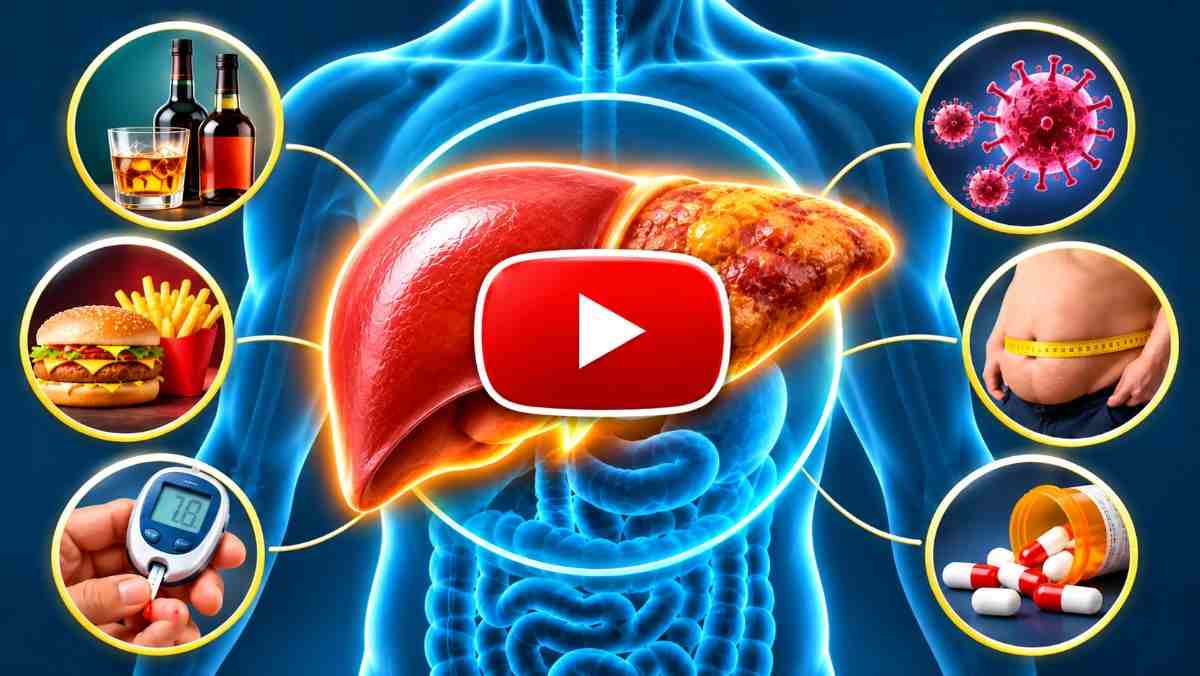
👉 DON’T TRY THIS “HOW CAN I HELP MY LIVER FUNCTION BETTER” UNTIL YOU SEE THIS
10. Avoid Unnecessary Supplements
Some products marketed for liver cleansing contain concentrated botanical extracts that may cause liver injury.
High-dose green tea extract and certain turmeric formulations have been linked to adverse liver reactions.
Choose supplements only when appropriate and discuss potential interactions with your clinician.
11. Practice Safe Medication Use
The liver processes many medications, including acetaminophen.
Taking excessive doses or combining products containing the same ingredient can cause serious liver damage.
Follow dosing instructions and discuss medication safety when liver disease is present.
12. Protect Against Viral Hepatitis
Hepatitis B vaccination and appropriate hepatitis screening can prevent or identify important causes of liver injury.
Avoid sharing needles, razors, or other equipment that may transmit bloodborne infections.
Hepatitis C is often curable with modern antiviral treatment.
13. Choose Healthier Cooking Methods
Replace frequent deep-frying with baking, steaming, grilling, or roasting.
Use moderate amounts of unsaturated oils and include vegetables alongside protein-rich foods.
Healthy preparation methods can reduce excess calories without requiring restrictive detox diets.
14. Reduce Prolonged Sitting
Extended sedentary time can contribute to poorer metabolic health.
Take short walking breaks, use stairs when practical, and move regularly throughout the day.
Small activity changes complement structured exercise.
15. Schedule Appropriate Liver Tests
People with diabetes, obesity, heavy alcohol exposure, or abnormal liver enzymes may need further assessment.
Doctors can use blood tests, fibrosis scores, ultrasound, or elastography to investigate liver health.
Early detection improves opportunities for effective treatment.
Best Foods to Eat for Better Liver Function
Consistently choosing nutritious foods is more useful than following temporary liver detox diets.
| Food | Potential benefit |
| Broccoli | Provides fiber and protective plant compounds |
| Oatmeal | Supports cholesterol and blood sugar management |
| Salmon | Supplies omega-3 fatty acids |
| Walnuts | Provide beneficial unsaturated fats |
| Berries | Contain antioxidant compounds |
| Olive oil | Supports healthier dietary fat intake |
| Beans | Provide fiber and plant protein |
No single food cleanses the liver. Overall dietary quality matters more than individual ingredients.
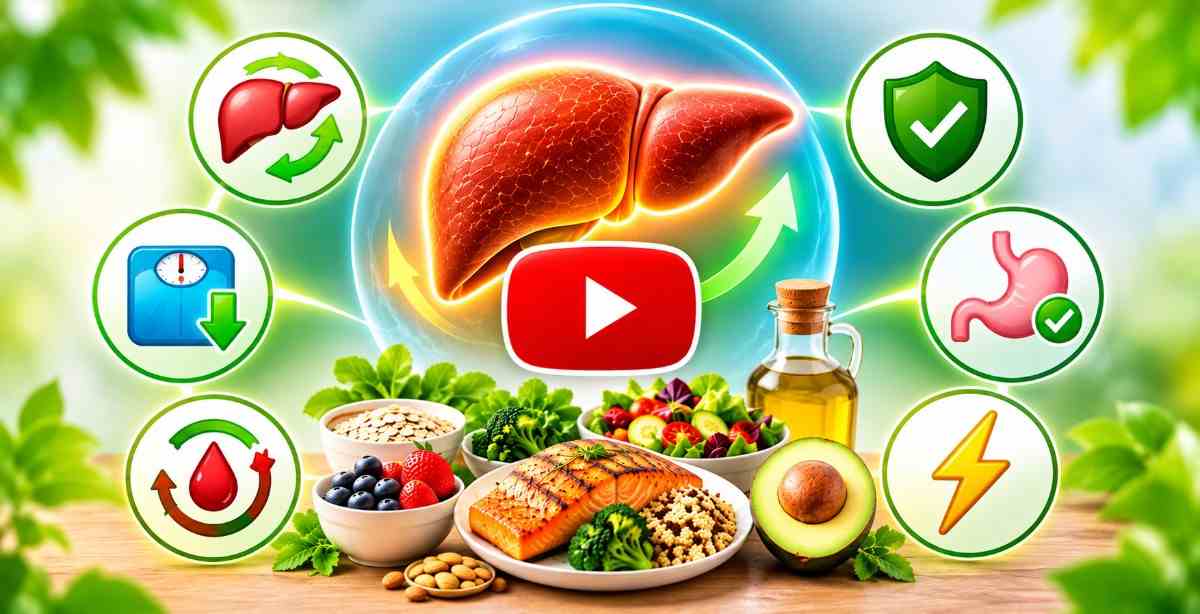
👉 DON’T TRY THIS “HOW CAN I HELP MY LIVER FUNCTION BETTER” UNTIL YOU SEE THIS
Viral Liver Detox Hacks: Do They Really Work?
✅ Lemon Water Liver Detox
Drinking warm lemon water each morning is a popular wellness trend.
Although lemon water supports hydration, research does not demonstrate that it removes liver toxins, reverses fatty liver, or repairs damaged liver tissue.
✅ Olive Oil and Lemon Juice Cleanse
Some online videos recommend mixing olive oil with lemon juice to flush gallstones and detoxify the liver.
There is no reliable clinical evidence supporting these claims. Excessive oil consumption may cause nausea, diarrhea, or abdominal discomfort.
✅ Beetroot and Ginger Juice
Beetroot contains antioxidant compounds, while ginger provides naturally occurring bioactive substances.
Both can contribute to a balanced diet, but neither is an established treatment for liver inflammation or fibrosis.
✅ Intermittent Fasting for Fatty Liver
Intermittent fasting may help some individuals manage calorie intake and improve metabolic health.
However, its benefits depend largely on sustainable dietary changes and weight management rather than special detoxification effects.
People with diabetes or eating disorders require individualized guidance.
✅ GLP-1 Medications for Liver Health
GLP-1-based medications have attracted attention because of their effects on weight management and metabolic health.
Certain prescription treatments may benefit appropriately selected patients with fatty liver-related conditions.
However, these medications require medical assessment and are not general-purpose liver detox products.
How Long Does It Take to Improve Liver Function?
Improvement depends on the underlying cause, severity of damage, and consistency of treatment.
Some metabolic markers may improve within weeks, while meaningful reductions in liver fat often require sustained changes over months.
Advanced fibrosis or cirrhosis requires specialist management, and complete reversal is not guaranteed.
Conclusion
Improving liver function requires sustainable habits rather than quick detox solutions.
Prioritize nutritious foods, regular exercise, weight management, alcohol reduction, and appropriate medical screening.
Popular remedies such as lemon water, beetroot juice, and herbal cleanses cannot replace proven treatments.
The most effective way to help your liver function better is to address underlying risks early and maintain consistent, evidence-based lifestyle changes.
👉 DON’T TRY THIS “HOW CAN I HELP MY LIVER FUNCTION BETTER” UNTIL YOU SEE THIS
References
- Healthline – Fatty Liver Diet: Foods to Eat and Avoid
https://www.healthline.com/health/fatty-liver-diet
- Wikipedia – Metabolic Dysfunction-Associated Steatotic Liver Disease
https://en.wikipedia.org/wiki/Metabolic_dysfunction%E2%80%93associated_steatotic_liver_disease
- PubMed – Clinical Practice Guidelines for MASLD
https://pubmed.ncbi.nlm.nih.gov/38851997/
About Us
