Foods That Help With Constipation: What to Eat Daily
Constipation is a common digestive concern that affects people of all ages and can lead to symptoms such as infrequent bowel movements, hard stools, bloating, abdominal discomfort, and difficulty passing stool.
While occasional constipation may occur due to lifestyle changes, stress, travel, or eating habits, making better food choices can help support regular digestion and overall gut health.
Many people do not consume enough fiber-rich foods, fluids, or plant-based options in their daily diet, which may affect stool consistency and digestive comfort.
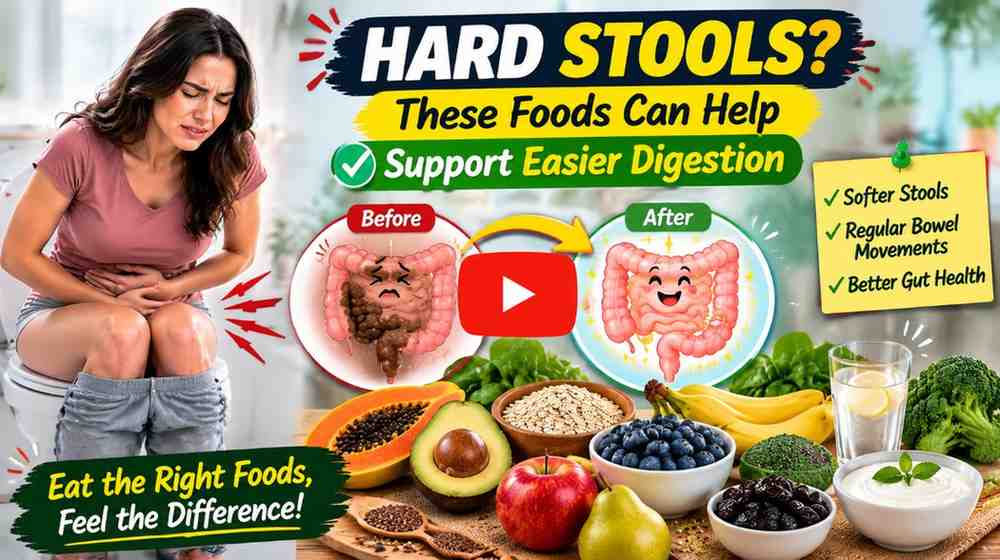
Including foods with natural fiber, high water content, and gut-supporting nutrients, such as fruits, vegetables, whole grains, legumes, seeds, and fermented foods, can help promote healthier bowel patterns and support digestive wellness.


This guide explains the top foods that help with constipation, why they work, how to include them in daily meals, and simple dietary changes that may support long-term digestive wellness.
How Food Affects Constipation
The digestive system depends on several factors to maintain regular bowel movements. Food provides the nutrients and fiber needed to create softer stool, maintain healthy gut bacteria, and support normal movement through the digestive tract.
One of the most important dietary factors connected with constipation is fiber intake. Fiber adds bulk to stool and helps maintain proper texture.
Some types of fiber absorb water and create a softer consistency, while other types add structure that helps move waste through the intestines.
Adults generally need around 22 to 34 grams of fiber daily, depending on age and sex. However, many people consume less than the recommended amount because their diets contain fewer fruits, vegetables, legumes, and whole grains.
Water also plays an important role. When increasing fiber intake, drinking enough fluids helps fiber function properly and supports easier stool passage.
A combination of adequate fiber and hydration is often more effective than focusing on only one factor.
A balanced constipation-friendly diet focuses on:
- Increasing natural fiber sources
- Choosing water-rich foods
- Supporting healthy gut bacteria
- Reducing highly processed foods
- Creating consistent eating habits
Best Foods That Help With Constipation
1. Prunes
Prunes are one of the most commonly recommended foods for constipation support. They contain natural fiber that helps increase stool bulk and improve digestive movement.
Prunes also contain naturally occurring compounds that may help draw water into the digestive tract, making stools easier to pass. They can be eaten alone, added to oatmeal, blended into smoothies, or combined with yogurt.
A small serving of prunes can be an easy daily addition for people looking for a natural food option to support regularity.
2. Kiwi
Kiwi is a nutrient-rich fruit that has gained attention for its digestive benefits. It provides fiber and contains natural compounds that may support bowel regularity.
The combination of soluble and insoluble fiber helps maintain stool softness while supporting normal intestinal movement. Research reviews have included kiwifruit among foods studied for constipation-related outcomes.
Kiwi can be enjoyed as a snack, added to fruit bowls, or blended into smoothies.
3. Apples
Apples are a convenient source of fiber, especially when eaten with the skin. The skin contains additional fiber that contributes to overall intake.
Apples contain pectin, a type of soluble fiber that absorbs water and forms a gel-like texture during digestion. This may help support healthier stool consistency.
Simple ways to include apples include:
- Eating a whole apple as a snack
- Adding sliced apples to oatmeal
- Mixing apples with nut butter
- Adding chopped apples to salads
4. Pears
Pears are another fruit that may support digestive health because they provide fiber and natural water content.
Eating pears with the skin increases fiber intake. Their combination of soluble fiber and hydration can help support comfortable digestion.
Pears work well as a breakfast addition, snack, or dessert alternative.

5. Berries
Berries such as raspberries, blackberries, and strawberries provide fiber while also adding antioxidants and natural plant nutrients.
Raspberries are especially high in fiber compared with many other fruits. Adding berries to meals can increase daily fiber intake without significantly increasing portion size.
Healthy ways to enjoy berries include:
- Adding them to oatmeal
- Mixing them into yogurt
- Blending them into smoothies
- Eating them as a snack
6. Oatmeal
Oatmeal is a popular breakfast choice for digestive support because it contains soluble fiber.
Soluble fiber absorbs water and creates a softer texture in the digestive tract. This can help support easier bowel movements and improve overall digestive comfort.
Oatmeal can become even more beneficial when combined with constipation-friendly toppings such as:
- Chia seeds
- Flaxseed
- Berries
- Apples
- Nuts
7. Chia Seeds
Chia seeds are small but contain a significant amount of fiber. When mixed with liquid, they absorb water and form a gel-like texture.
This ability allows chia seeds to support stool moisture and provide additional bulk.
Common ways to use chia seeds include:
- Chia pudding
- Smoothies
- Oatmeal toppings
- Yogurt mixtures
It is important to consume chia seeds with enough fluids because fiber works best when paired with proper hydration.
8. Flaxseeds
Flaxseeds provide both soluble and insoluble fiber. This combination can support digestive balance by helping maintain stool texture and movement.
Ground flaxseed is often easier for the body to use compared with whole seeds. It can be added to:
- Smoothies
- Oatmeal
- Yogurt
- Homemade baked foods
9. Beans and Lentils
Legumes such as beans, lentils, chickpeas, and peas are excellent sources of dietary fiber.
They provide both soluble and insoluble fiber, which can support digestive function in different ways. Regularly including legumes in meals may help increase overall fiber intake.
Examples include:
- Lentil soup
- Chickpea salads
- Black bean bowls
- Bean-based meals
10. Vegetables
Vegetables are important foods for constipation because a wide variety of them contain fiber, water, and essential nutrients.
Good choices include:
- Broccoli
- Spinach
- Green peas
- Carrots
- Brussels sprouts
- Sweet potatoes
Increasing vegetable intake gradually can help the digestive system adjust while improving overall fiber consumption.
Whole
11. Whole Grain Foods
Grains are an important part of a constipation-friendly diet because they contain natural fiber that supports healthy bowel movements.
Compared with refined grains, whole grains retain more of the grain’s natural structure, providing more fiber and nutrients.
Fiber-rich whole grains can help increase stool bulk and support smoother movement through the digestive tract. Regularly adding whole grains may help maintain digestive regularity.
Some beneficial whole grain options include:
- Brown rice
- Whole wheat bread
- Barley
- Quinoa
- Whole grain cereals
- Bulgur
Replacing refined grain products with whole grain alternatives can be a simple way to increase daily fiber intake.
For example, choosing whole grain toast instead of white bread or brown rice instead of refined rice can gradually improve the nutritional quality of meals.
12. Sweet Potatoes
Sweet potatoes are a naturally fiber-rich vegetable that can support digestive health. They contain both soluble and insoluble fiber, which help maintain stool texture and encourage normal bowel movement patterns.
The skin of sweet potatoes contains additional fiber, so eating them with the skin after proper washing can increase their benefits.
Sweet potatoes are also rich in water content and nutrients that support overall wellness.
Easy ways to include sweet potatoes:
- Baked sweet potato as a side dish
- Mashed sweet potatoes
- Sweet potato bowls
- Roasted vegetable combinations
Their naturally sweet flavor makes them a convenient replacement for lower-fiber processed side dishes.
13. Leafy Green Vegetables
Leafy greens are excellent foods for supporting digestion because they provide fiber, water, and important plant nutrients.
Vegetables such as spinach, kale, lettuce, and Swiss chard can contribute to better digestive habits when eaten regularly.
These vegetables can help increase overall fiber intake without adding excessive calories.
Simple ways to add leafy greens include:
- Adding spinach to smoothies
- Mixing greens into salads
- Adding vegetables to soups
- Including cooked greens with meals
A diet containing a variety of vegetables can provide different types of fiber that support a balanced digestive system.
14. Broccoli
Broccoli is a high-fiber vegetable that can support regular digestion. It contains plant-based fiber that adds bulk to stool and encourages healthy intestinal movement.
It also provides nutrients and natural plant compounds that contribute to overall digestive wellness.
Broccoli can be enjoyed:
- Steamed
- Roasted
- Added to stir-fries
- Mixed into salads
Cooking methods that preserve nutrients, such as steaming or light roasting, can make broccoli a healthy addition to daily meals.
15. Avocados
Avocados provide a combination of fiber and healthy fats that can support digestive comfort.
The fiber in avocados helps maintain stool consistency, while their nutrient profile supports overall wellness.
Half of an avocado can be added to many meals, making it an easy way to increase fiber intake.
Ways to enjoy avocado:
- Added to salads
- Spread on whole grain toast
- Mixed into smoothies
- Served with vegetable meals
Their creamy texture makes them a useful alternative to heavily processed toppings.

16. Nuts
Nuts are small but nutrient-dense foods that provide fiber, healthy fats, and minerals.
Almonds, walnuts, and pistachios can contribute to daily fiber intake while adding variety to meals.
A small portion of nuts can be included as a snack or added to other fiber-rich foods.
Good combinations include:
- Almonds with fruit
- Walnuts with oatmeal
- Nuts mixed into yogurt
- Nut toppings on salads
Because nuts are calorie-dense, moderate portions are usually recommended.
17. Yogurt With Live Cultures
Certain types of yogurt containing live cultures may support digestive balance by providing beneficial bacteria.
The digestive system contains trillions of microorganisms that influence gut health. Maintaining a balanced gut environment may help support normal digestion.
When choosing yogurt, options with live cultures and lower added sugar may be better choices.
Yogurt can be combined with constipation-friendly foods such as:
- Berries
- Chia seeds
- Flaxseed
- Oats
This creates a fiber-rich meal that supports overall digestive wellness.
18. Fermented Foods
Fermented foods contain beneficial microorganisms that may support gut health.
A balanced gut microbiome plays a role in digestion and overall digestive function. Including fermented foods can add variety to a healthy eating pattern.
Examples include:
- Kefir
- Sauerkraut
- Kimchi
- Fermented vegetables
Individual responses may vary, but many people include fermented foods as part of a balanced digestive-supporting diet.
19. Water-Rich Fruits
Hydration is an important part of managing constipation. Foods with high water content can contribute to overall fluid intake while providing fiber.
Examples of water-rich fruits include:
- Watermelon
- Oranges
- Grapes
- Peaches
- Melons
These fruits can help increase fluid consumption while adding natural fiber to the diet.
Eating a variety of fruits throughout the day can support both hydration and digestive health.
20. Citrus Fruits
Citrus fruits such as oranges and grapefruit provide fiber, especially when the whole fruit is eaten instead of only drinking juice.
The fiber found in whole citrus fruits helps support stool bulk and digestive function.
Better choices include:
- Whole oranges
- Fresh grapefruit
- Orange slices added to meals
Whole fruits generally provide more fiber than processed fruit juices.
Fiber Types That Help With Constipation
Not all fiber works in the same way. Different types of fiber provide different digestive benefits.
Soluble Fiber
Soluble fiber absorbs water and forms a softer gel-like substance during digestion. This type of fiber may help improve stool consistency.
Foods containing soluble fiber include:
- Oats
- Apples
- Chia seeds
- Flaxseeds
- Beans
Insoluble Fiber
Insoluble fiber adds bulk to stool and helps support movement through the digestive system.
Foods containing insoluble fiber include:
- Vegetables
- Whole grains
- Nuts
- Seeds
- Fruit skins
A balanced diet should include both types of fiber for better digestive support.
Simple Meal Ideas Using Constipation-Friendly Foods
Adding fiber-rich foods does not need to be complicated. Small changes to everyday meals can make a difference.
Breakfast Ideas
Examples:
- Oatmeal with berries and chia seeds
- Whole grain toast with avocado
- Yogurt with flaxseed and fruit
- Smoothie with kiwi, spinach, and berries
These options provide fiber early in the day and support a consistent eating routine.
Lunch Ideas
Examples:
- Lentil soup with vegetables
- Chickpea salad with leafy greens
- Brown rice bowl with vegetables
- Whole grain sandwich with fresh vegetables
Combining multiple fiber sources in one meal can help increase daily intake.
Dinner Ideas
Examples:
- Roasted vegetables with sweet potatoes
- Grilled protein with quinoa and greens
- Bean-based meals with whole grains
- Vegetable soups with legumes
Balanced dinners can provide important nutrients while supporting digestive wellness.
Foods That May Make Constipation Worse
While adding beneficial foods is important, some dietary habits may contribute to constipation.
Low-Fiber Processed Foods
Foods that are highly processed often contain less fiber. Eating many low-fiber foods may reduce the amount of stool bulk.
Examples include:
- White bread
- Processed snacks
- Many packaged desserts
- Refined grain products
Replacing some processed foods with whole foods can improve overall fiber intake.
Excessive Dairy Intake
Some people may notice digestive changes when consuming large amounts of dairy products, especially if their diet lacks enough fiber.
Adding fiber-rich foods alongside dairy products may help create a more balanced diet.
Too Little Water
Increasing fiber without drinking enough fluids may not provide the desired digestive support.
Fiber requires adequate hydration to function properly in the digestive system.
How to Increase Fiber Intake Safely
A sudden increase in fiber may cause temporary digestive discomfort, including gas or bloating.
A better approach is to increase fiber gradually.
Helpful steps include:
- Add one high-fiber food at a time.
- Increase fruit and vegetable portions slowly.
- Drink enough water throughout the day.
- Choose whole grains more often.
- Maintain consistent daily habits.
The digestive system often adjusts better when changes happen gradually.
Lifestyle Habits That Support Better Digestion
Food is an important factor, but daily habits also influence digestive health.
Stay Physically Active
Regular movement can support normal digestive activity. Walking, stretching, and other forms of exercise may encourage healthy bowel patterns.
Create a Regular Eating Routine
Consistent meal timing may help the digestive system develop predictable patterns.
Eating balanced meals throughout the day can support overall digestive function.
Listen to Your Body
Ignoring the urge to use the bathroom may contribute to discomfort over time.
Responding to natural signals can support healthier bowel habits.
When to Seek Medical Advice
Occasional constipation is common, but persistent symptoms may require professional evaluation.
Consider speaking with a healthcare professional if constipation:
- Continues for several weeks
- Causes severe abdominal pain
- Includes unexplained weight changes
- Includes blood in stool
- Develops suddenly without explanation
Long-lasting digestive changes should always be evaluated to identify possible underlying causes.
Final Thoughts
Choosing the right foods can be an effective way to support digestive health and improve constipation-related concerns. Foods rich in fiber, water, and natural nutrients can help maintain healthier stool consistency and encourage regular bowel movements.
Fruits such as prunes, kiwi, apples, and pears, along with vegetables, whole grains, legumes, seeds, and fermented foods, can all contribute to a balanced constipation-friendly eating pattern.
The most effective approach is not relying on one specific food but creating a consistent diet that includes a variety of fiber sources. Gradually increasing fiber, drinking enough water, and maintaining healthy daily habits can provide long-term digestive support.
A balanced lifestyle combined with smart food choices can help promote better comfort, improved digestion, and overall wellness.
References
.
About Us