
Does Pneumonia Damage Your Lungs? Effects & Recovery Guide
Pneumonia is a respiratory infection that affects millions of people worldwide every year. It can cause inflammation in the lungs, making breathing uncomfortable and sometimes leading to serious complications.
One of the most common concerns among patients is whether pneumonia can permanently damage their lungs or whether normal breathing will return after recovery.
The answer depends on several factors, including the severity of the infection, the person’s overall health, and how quickly appropriate medical care begins.
Does Pneumonia Damage Your Lungs? explains how pneumonia affects lung tissue, causes inflammation, and may lead to long-term complications, while exploring recovery time and ways to protect lung health.
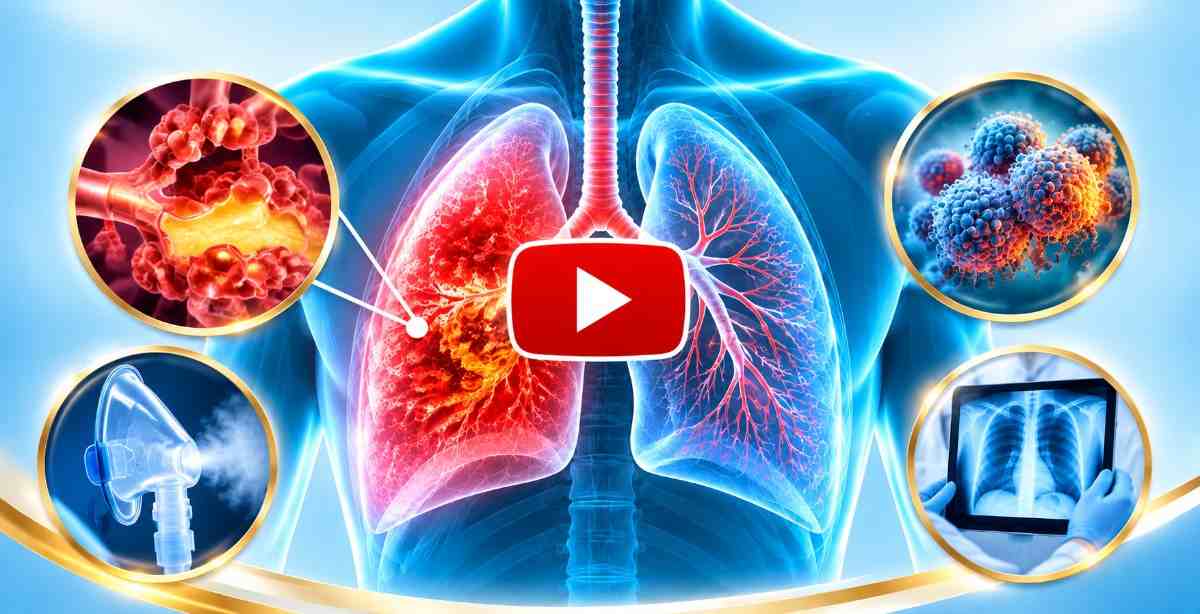
👉 DON’T TRY THIS “DOES PNEUMONIA DAMAGE YOUR LUNGS?” UNTIL YOU SEE THIS
For most otherwise healthy individuals, pneumonia causes temporary inflammation that gradually resolves. Severe infections can occasionally lead to lasting changes in lung tissue.
Understanding how pneumonia affects the lungs can help patients recognize warning signs, follow recovery recommendations, and reduce their risk of complications.
This guide explains whether pneumonia damages your lungs, how long recovery takes, possible long-term effects, and practical ways to support lung health after infection.
Does Pneumonia Damage Your Lungs?
Yes, pneumonia can damage your lungs, but the damage is usually temporary. Pneumonia causes inflammation in the tiny air sacs called alveoli, which are responsible for transferring oxygen into the bloodstream.
During infection, these air sacs may fill with fluid, inflammatory cells, or pus. This interferes with normal oxygen exchange and can produce symptoms such as coughing, fever, chest discomfort, and shortness of breath.
In mild cases, the lungs generally recover as the infection resolves and inflammation decreases. The body gradually clears accumulated fluid and restores normal respiratory function.
Severe pneumonia can injure delicate lung structures. In uncommon cases, complications such as lung abscesses, acute respiratory distress syndrome (ARDS), or scar formation can cause persistent breathing difficulties.
The important distinction is that having pneumonia does not automatically mean permanent lung damage. Most people recover without significant lasting structural injury.
👉 DON’T TRY THIS “DOES PNEUMONIA DAMAGE YOUR LUNGS?” UNTIL YOU SEE THIS
What Happens to Your Lungs When You Have Pneumonia?
The lungs contain millions of microscopic air sacs that allow oxygen to enter the blood and carbon dioxide to leave the body.
When pneumonia develops, bacteria, viruses, or occasionally fungi trigger an immune response within lung tissue.
1. Inflammation Develops in the Air Sacs
The immune system sends infection-fighting cells into the affected lung areas. This response helps control infection but also produces swelling and irritation.
Inflammation makes normal breathing more difficult, particularly when large portions of the lungs are involved.
2. Fluid Accumulates Inside the Lungs
The alveoli may fill with inflammatory fluid and cellular debris. This process, called consolidation, can make affected lung regions appear unusually dense on chest imaging.
3. Oxygen Levels May Decrease
Severe oxygen deficiency may require supplemental oxygen, hospital monitoring, or advanced respiratory support.
4. The Lungs Begin Healing
As the infection comes under control, inflammation gradually subsides, and the body clears accumulated fluid.
Normal lung function often returns over several weeks, although fatigue and coughing may continue after the initial infection improves.
Can Pneumonia Cause Permanent Lung Damage?
Permanent lung damage is possible, but it is not the usual outcome of uncomplicated pneumonia. Most patients recover without significant structural changes to their lungs.
Lung Scarring
Extensive inflammation can sometimes lead to fibrotic changes, where normal lung tissue is replaced by scar tissue.
Scarred areas may become less flexible, potentially reducing the lungs’ ability to expand and exchange oxygen efficiently.
Bronchiectasis
Some severe or recurrent infections can contribute to bronchiectasis, a condition involving permanent widening and damage to the airways.
People with bronchiectasis may experience persistent mucus production, repeated chest infections, and chronic coughing.
Reduced Lung Capacity
After particularly severe pneumonia, some individuals experience ongoing limitations in lung function.
These changes may result from residual inflammation, structural injury, respiratory muscle weakness, or complications associated with critical illness.
Persistent Breathing Problems
Shortness of breath can continue during recovery, even without permanent lung damage. Symptoms that persist, worsen, or interfere with everyday activities require medical assessment.
👉 DON’T TRY THIS “DOES PNEUMONIA DAMAGE YOUR LUNGS?” UNTIL YOU SEE THIS
How Long Does It Take for Lungs to Heal After Pneumonia?
Recovery varies according to infection severity, age, underlying conditions, and complications.
| Recovery Period | What You May Experience |
|---|---|
| First week | Fever may improve, while coughing and fatigue continue. |
| 2–4 weeks | Breathing and energy levels often improve gradually. |
| 4–6 weeks | Many people notice substantial symptom improvement. |
| 6–12 weeks | Lung inflammation and lingering symptoms may continue resolving. |
| 3–6 months | Recovery from severe pneumonia may continue for several months or longer. |
Some otherwise healthy adults recover relatively quickly, while older patients or those hospitalized with severe pneumonia may need considerably longer.
A lingering cough does not necessarily indicate permanent lung injury. However, persistent breathlessness, recurring fever, or worsening chest discomfort should be evaluated.
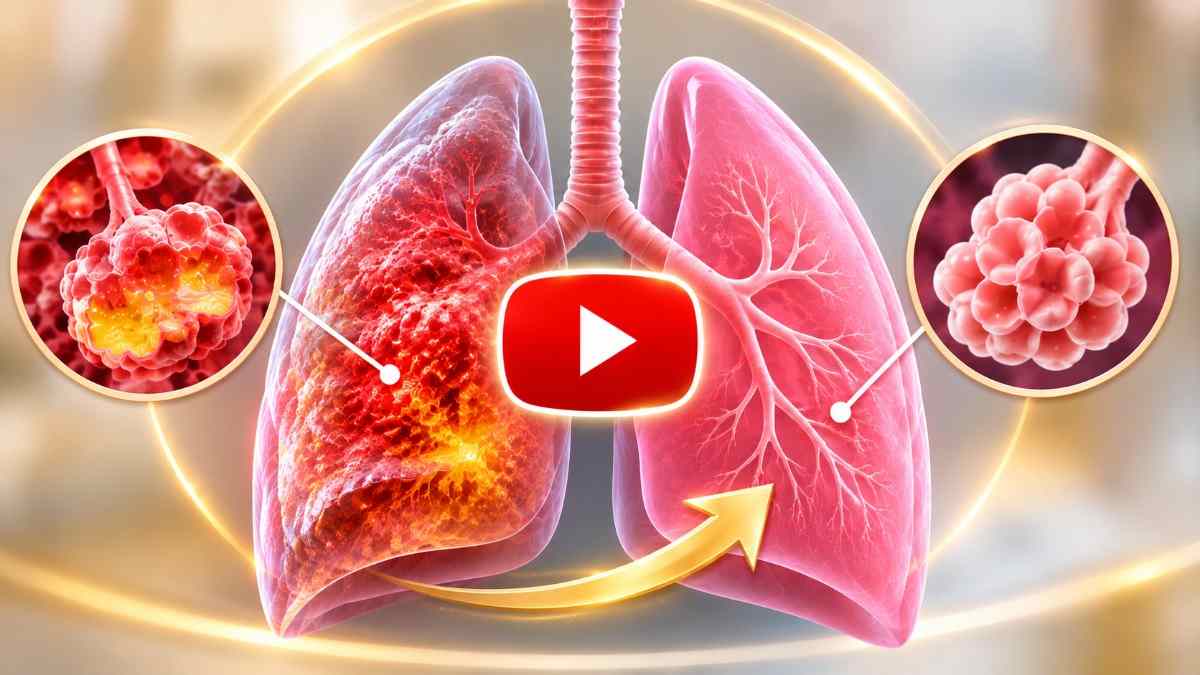
👉 DON’T TRY THIS “DOES PNEUMONIA DAMAGE YOUR LUNGS?” UNTIL YOU SEE THIS
What Are the Long-Term Effects of Pneumonia on the Lungs?
Although most cases resolve successfully, severe pneumonia can occasionally lead to prolonged respiratory complications.
Persistent Cough: Airway sensitivity and residual inflammation can cause coughing for several weeks after the infection clears.
Reduced Exercise Tolerance: Some patients notice that walking, climbing stairs, or performing physical activities requires more effort during recovery.
Chronic Breathlessness: Persistent respiratory symptoms may develop after severe infection, particularly when underlying lung disease or complications are present.
Recurrent Respiratory Infections: People who develop structural airway damage may become more susceptible to repeated infections.
Lung Abscess: Certain bacterial infections can create a localized collection of pus within lung tissue, requiring additional medical management.
Pleural Complications: Pneumonia can cause fluid to accumulate around the lungs. Infected pleural fluid, known as empyema, may require drainage.
These complications are not inevitable. Their likelihood depends strongly on infection severity and individual health factors.
Who Is Most at Risk of Lung Damage From Pneumonia?
Certain individuals are more vulnerable to complications because their lungs or immune systems may have difficulty recovering from infection.
-
Older Adults: Age-related changes in immune function can increase the likelihood of severe illness and slower recovery.
-
Young Children: Developing immune systems can make infants and young children more vulnerable to serious respiratory infections.
-
People With Asthma or COPD: Existing respiratory conditions may increase the risk of complications and prolonged breathing difficulties.
-
People With Weakened Immunity: Certain illnesses and medications can reduce the body’s ability to control infections.
-
Smokers: Tobacco smoke damages airway defenses and can interfere with respiratory recovery.
-
People With Chronic Diseases: Diabetes, heart disease, kidney disease, and other conditions may complicate pneumonia recovery.
How Do Doctors Check for Lung Damage After Pneumonia?
Doctors assess possible lung damage by reviewing symptoms, performing a physical examination, and ordering tests when necessary.
Chest X-Ray
Doctors may recommend repeat imaging when symptoms fail to improve as expected or when additional risk factors warrant investigation.
CT Scan
It may help identify complications such as abscesses, bronchiectasis, or persistent abnormalities that are difficult to evaluate using standard X-rays.
Pulmonary Function Tests
Breathing tests measure how efficiently the lungs move air and, in some cases, transfer oxygen. These assessments can help investigate persistent breathlessness or suspected changes in lung function.
Pulse Oximetry
Low oxygen readings, particularly when accompanied by breathing difficulties, require prompt medical assessment.
👉 DON’T TRY THIS “DOES PNEUMONIA DAMAGE YOUR LUNGS?” UNTIL YOU SEE THIS
How Can You Help Your Lungs Recover After Pneumonia?
Recovering from pneumonia requires patience and appropriate medical care. Healthy daily habits can support the healing process.
1. Follow Your Doctor’s Instructions
Take medications exactly as prescribed and attend recommended follow-up appointments. Antibiotics are used for bacterial pneumonia, while other infections may require different approaches.
2. Get Adequate Rest
Sleep and rest help the body recover from infection. Avoid returning immediately to demanding activities when fatigue or breathlessness remains significant.
3. Stay Properly Hydrated
Drinking sufficient fluids helps maintain hydration and may make respiratory secretions easier to clear. People with heart or kidney conditions should follow their clinician’s guidance regarding fluid intake.
4. Practice Gentle Breathing Exercises
Patients recovering from severe pneumonia should seek professional guidance before beginning structured respiratory exercises.
5. Gradually Increase Physical Activity
Short walks and gentle movement can help rebuild strength. Increase activity gradually, avoiding exercise that causes significant breathlessness, dizziness, or chest pain.
6. Avoid Smoking and Air Pollution
Cigarette smoke, secondhand smoke, and other respiratory irritants can worsen airway inflammation. Maintaining a smoke-free environment supports respiratory health during recovery.
7. Maintain Balanced Nutrition
A balanced diet containing protein, vegetables, fruits, and other nutrient-rich foods supports overall recovery. No particular food or supplement can reliably reverse pneumonia-related lung scarring.
👉 DON’T TRY THIS “DOES PNEUMONIA DAMAGE YOUR LUNGS?” UNTIL YOU SEE THIS
Can Your Lungs Fully Recover From Pneumonia?
Yes. Most people with uncomplicated pneumonia can recover fully, especially when the infection is appropriately managed.
As inflammation decreases, the alveoli gradually clear accumulated fluid, allowing oxygen exchange to improve.
Feeling better does not necessarily mean the lungs have completely recovered. Coughing, tiredness, and reduced stamina may continue for several weeks.
Severe infections can require longer rehabilitation, particularly following hospitalization or intensive care.
Doctors may recommend additional testing when breathing problems continue beyond the expected recovery period.
When Should You See a Doctor?
Important warning signs include persistent or returning fever, worsening cough, increasing breathlessness, or new chest discomfort.
Seek emergency medical care immediately for severe difficulty breathing, blue or gray lips, new confusion, fainting, or severe chest pain.
Final Thoughts
Does pneumonia damage your lungs? Yes, pneumonia causes inflammation and temporarily interferes with normal lung function, but most individuals recover without permanent damage.
The severity of infection plays an important role in determining whether lung tissue experiences temporary irritation or more serious injury.
Following medical recommendations, avoiding tobacco smoke, maintaining adequate nutrition, and allowing sufficient recovery time can support healing.
If breathing difficulties persist or symptoms worsen, consulting a healthcare professional is essential for identifying complications and protecting long-term respiratory health.
👉 DON’T TRY THIS “DOES PNEUMONIA DAMAGE YOUR LUNGS?” UNTIL YOU SEE THIS
.
.
.
.
References
https://www.nhlbi.nih.gov/health/pneumonia
https://www.nhlbi.nih.gov/health/pneumonia/recovery
https://www.lung.org/lung-health-diseases/lung-disease-lookup/pneumonia/treatment-and-recovery
.
.
About Us
