
Do They Drain Your Lungs With Pneumonia? Explained
Pneumonia is a respiratory infection that causes inflammation in the lungs, making breathing uncomfortable and sometimes difficult.
One common concern among patients diagnosed with pneumonia is whether doctors need to drain fluid from their lungs.
Most patients with pneumonia do not require lung drainage because the infection can often be treated without invasive procedures.
Do They Drain Your Lungs When You Have Pneumonia? explains when fluid drainage is necessary, how doctors remove fluid around the lungs, and what to expect during treatment and recovery.
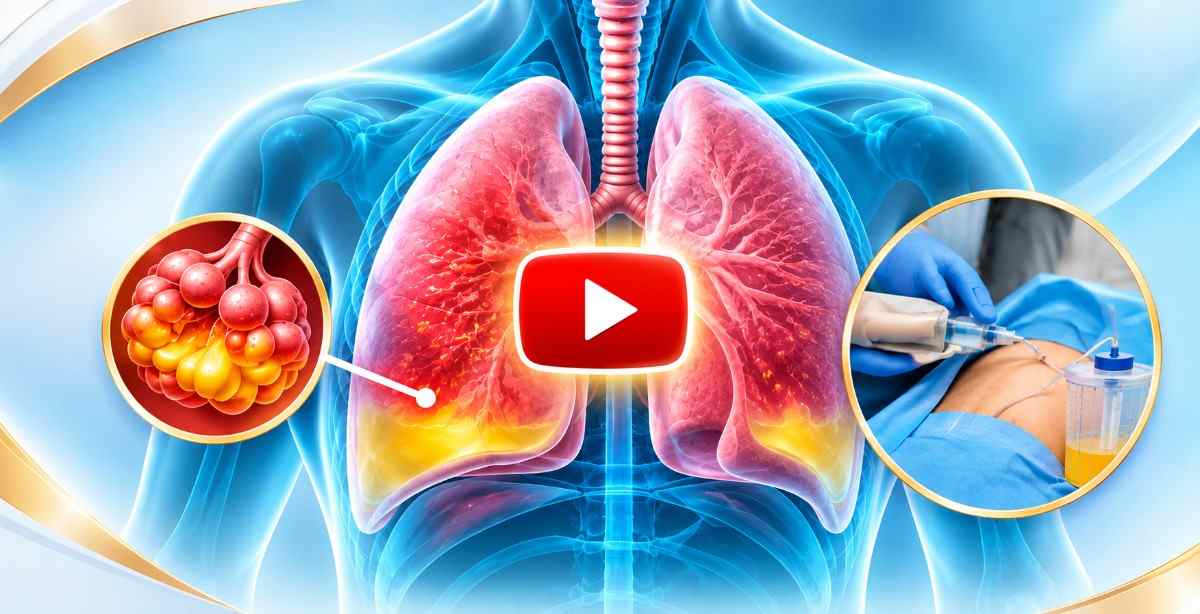
👉 DON’T TRY THIS “HOW DO THEY DRAIN YOUR LUNGS WITH PNEUMONIA? ” UNTIL YOU SEE THIS
When this fluid becomes infected, significantly affects breathing, or develops into a complicated collection, doctors may recommend a drainage procedure.
Understanding the difference between fluid inside the lungs and fluid surrounding them is particularly important.
Pneumonia commonly fills the tiny air sacs with inflammatory fluid, but doctors generally do not remove this fluid using a needle or chest tube.
What Is Pneumonia?
Pneumonia is an infection affecting one or both lungs. It develops when microorganisms, including bacteria, viruses, and occasionally fungi, cause inflammation in the lung tissue.
Inside the lungs are millions of tiny air sacs called alveoli. These structures normally fill with air and allow oxygen to pass into the bloodstream while carbon dioxide leaves the body.
During pneumonia, the alveoli may become filled with inflammatory fluid, mucus, and immune cells. This interferes with normal oxygen exchange and can make breathing more difficult.
Common symptoms include coughing, fever, chills, chest discomfort, fatigue, and shortness of breath. The severity varies considerably.
Mild pneumonia may improve with appropriate treatment at home, while severe infections may require hospitalization, supplemental oxygen, or intensive medical support.
Pneumonia can also cause complications outside the air sacs, including inflammation of the pleura, the thin membranes surrounding the lungs.
👉 DON’T TRY THIS “HOW DO THEY DRAIN YOUR LUNGS WITH PNEUMONIA? ” UNTIL YOU SEE THIS
Do They Drain Your Lungs When You Have Pneumonia?
Doctors do not routinely drain the lungs when treating pneumonia. Most patients recover through appropriate medications, supportive care, hydration, and monitoring without needing a drainage procedure.
Drainage becomes necessary in selected cases when pneumonia causes fluid to accumulate around the lungs, particularly when that fluid is infected or interferes significantly with breathing.
A small, uncomplicated pleural effusion may resolve as the underlying infection improves. Doctors often monitor these collections through chest imaging rather than immediately removing them.
Larger fluid collections, complicated parapneumonic effusions, or empyema may require additional treatment. Empyema occurs when infected fluid or pus collects in the pleural space.
The decision depends on imaging results, symptoms, fluid characteristics, infection severity, and the patient’s overall condition.
Importantly, drainage typically removes fluid from the space around the lung rather than directly from the infected air sacs inside it.
Why Does Fluid Build Up During Pneumonia?
Fluid accumulation during pneumonia occurs because infection triggers inflammation within the respiratory system.
As the immune system responds, blood vessels become more permeable, allowing inflammatory fluid and immune cells to enter affected lung tissue.
When this process involves the pleural membranes, fluid may collect between the lung and chest wall.
1. Fluid Inside the Lungs
Pneumonia causes inflammatory material to accumulate within the alveoli. This process is known as consolidation when affected air spaces become filled rather than remaining air-filled.
Doctors generally treat this condition by addressing the underlying infection and supporting breathing while the body gradually clears the inflammatory material.
2. Fluid Around the Lungs
A pleural effusion develops when fluid collects between the two layers of pleura surrounding the lungs.
Some effusions remain uncomplicated and improve with treatment. Others become infected, develop internal partitions, or require drainage.
Understanding this distinction helps explain why not every patient with pneumonia needs fluid removal.
👉 DON’T TRY THIS “HOW DO THEY DRAIN YOUR LUNGS WITH PNEUMONIA? ” UNTIL YOU SEE THIS
When Do Doctors Drain Fluid From the Lungs?
Doctors consider fluid drainage when pneumonia produces complications that cannot be managed adequately with medication alone.
1. Large Pleural Effusion
A large pleural effusion can compress the lung and prevent it from expanding normally. Removing fluid may reduce breathlessness and improve respiratory comfort.
2. Empyema
Empyema develops when pus accumulates in the pleural space. This serious complication generally requires antibiotics and drainage to control the infection.
3. Complicated Pleural Infection
Infected pleural fluid may become thick or separate into pockets. These collections often require chest tube drainage and occasionally additional procedures.
4. Persistent Breathing Difficulties
When fluid accumulation contributes significantly to shortness of breath, doctors may recommend therapeutic drainage to relieve pressure on the affected lung.
5. Pneumonia Not Improving
If fever, chest pain, or respiratory symptoms persist despite appropriate treatment, doctors may investigate whether an undrained pleural infection is preventing recovery.

👉 DON’T TRY THIS “HOW DO THEY DRAIN YOUR LUNGS WITH PNEUMONIA? ” UNTIL YOU SEE THIS
How Do They Drain Your Lungs When You Have Pneumonia?
Doctors use several medical procedures to remove fluid from the pleural space. The most appropriate technique depends on the fluid’s location, volume, and whether infection is present.
1. Thoracentesis: Removing Fluid With a Needle
The patient usually sits upright while a healthcare professional identifies the fluid collection, commonly using ultrasound guidance.
After cleaning the skin, the clinician administers local anesthesia and carefully inserts a needle or small catheter between the ribs into the pleural space.
The procedure may take approximately 15–30 minutes, although preparation and monitoring can extend the appointment.
Thoracentesis is particularly useful for identifying the cause of fluid accumulation. However, infected or complicated collections frequently require ongoing drainage rather than a single aspiration.
2. Chest Tube Drainage
A chest tube is often recommended when pneumonia causes empyema or a complicated pleural effusion.
Doctors insert a flexible tube through the chest wall into the pleural space, usually with imaging guidance and appropriate pain control.
Patients remain under medical supervision while healthcare professionals monitor drainage, breathing, and infection symptoms.
The tube stays in place until the medical team determines that sufficient fluid has been removed and the infection is responding.
3. Video-Assisted Thoracoscopic Surgery (VATS)
Some complicated infections do not improve sufficiently with antibiotics and chest tube drainage. In these situations, doctors may recommend video-assisted thoracoscopic surgery.
VATS uses a small camera and surgical instruments inserted through small incisions in the chest. Surgeons can remove infected material, break apart fluid pockets, and clear tissue that restricts lung expansion.
This procedure is generally reserved for selected patients with persistent or organized pleural infections.
How Do Doctors Determine Whether Lung Drainage Is Necessary?
Doctors assess pneumonia-related fluid accumulation through physical examinations, imaging studies, and laboratory investigations.
| Diagnostic test | Purpose |
|---|---|
| Chest X-ray | Identifies pneumonia and possible pleural fluid |
| Chest ultrasound | Evaluates fluid volume, location, and internal pockets |
| CT scan | Provides detailed images of complicated collections |
| Blood tests | Assess infection and overall health |
| Pleural fluid analysis | Helps determine whether fluid is infected |
| Oxygen monitoring | Evaluates respiratory function |
👉 DON’T TRY THIS “HOW DO THEY DRAIN YOUR LUNGS WITH PNEUMONIA? ” UNTIL YOU SEE THIS
Is Lung Drainage Painful?
Patients may experience temporary discomfort during thoracentesis or chest tube insertion. Healthcare professionals generally administer local anesthesia to numb the procedure area.
Some patients notice pressure, pulling sensations, or mild discomfort as fluid is removed. A chest tube may cause soreness while it remains in place, particularly during movement or coughing.
Potential risks include bleeding, infection, pneumothorax (air entering the pleural space), and, rarely, lung injury or re-expansion pulmonary edema.
How Long Does It Take to Drain Fluid From the Lungs?
The duration depends on the procedure and the complexity of the fluid collection. Thoracentesis often removes fluid during a single appointment, while chest tube drainage may continue for several days.
Some complicated infections require longer treatment, especially when thick fluid or multiple infected pockets are present.
Doctors monitor the amount of drainage, imaging findings, symptoms, and response to antibiotics. A chest tube is removed when continued drainage is no longer necessary, and the clinical condition is improving.
What Happens After Lung Drainage?
After fluid removal, healthcare professionals monitor breathing, oxygen levels, discomfort, and signs of infection.
Follow-up imaging may be performed to assess lung expansion and determine whether fluid remains.
The recovery period varies depending on age, underlying health conditions, infection severity, and treatment requirements.
Follow-up appointments are important because symptoms can improve before the lungs have fully recovered.
Can Pneumonia Fluid Go Away Without Drainage?
Yes. Many uncomplicated pneumonia-related fluid collections improve without invasive treatment. When the underlying infection responds appropriately, inflammation decreases, and the body may gradually reabsorb excess pleural fluid.
Doctors may recommend monitoring rather than drainage when the fluid collection is small, uncomplicated, and not significantly affecting breathing.
Infected collections and empyema generally require more intensive treatment. Patients should never assume that persistent fluid will disappear without medical assessment.

👉 DON’T TRY THIS “HOW DO THEY DRAIN YOUR LUNGS WITH PNEUMONIA? ” UNTIL YOU SEE THIS
What Are the Risks of Leaving Infected Lung Fluid Untreated?
An untreated complicated pleural infection can become progressively more serious. Infected fluid may develop into pus, form multiple pockets, or produce inflammatory tissue that restricts lung expansion.
Possible complications include prolonged respiratory difficulties, persistent infection, pleural scarring, and sepsis.
Some patients may eventually require surgery if the infection becomes organized and difficult to drain. Early diagnosis and appropriate treatment help reduce the likelihood of these complications.
How Can You Recover Faster From Pneumonia?
-
Follow prescribed treatment: Take medications exactly as directed by your healthcare professional.
-
Get adequate rest: Allow your body sufficient time to recover from respiratory infection.
-
Maintain hydration: Drink appropriate amounts of fluid unless your doctor recommends restrictions.
-
Avoid smoking: Tobacco smoke can irritate the respiratory system and interfere with recovery.
-
Monitor symptoms: Report persistent fever, worsening breathlessness, or increasing chest discomfort.
-
Attend follow-up appointments: Medical reassessment helps identify unresolved infection or complications.
When Should You Seek Emergency Medical Attention?
Pneumonia can occasionally become life-threatening, especially when breathing becomes severely impaired.
Seek emergency medical care if you experience severe difficulty breathing, blue or gray lips, new confusion, fainting, or significant chest pain.
Individuals with chronic respiratory conditions, weakened immune systems, or other serious illnesses may need closer monitoring.
Final Thoughts
Understanding whether doctors drain the lungs during pneumonia helps clarify an important distinction between ordinary lung infection and complications involving fluid accumulation.
Most pneumonia cases do not require drainage because appropriate treatment allows the body to gradually clear inflammatory material from the affected air sacs.
When pneumonia causes significant pleural fluid accumulation, doctors may recommend thoracentesis, chest tube drainage, or occasionally surgery to address the complication.
Early medical evaluation is particularly important when patients develop worsening breathlessness, persistent fever, or severe chest discomfort despite treatment.
👉 DON’T TRY THIS “HOW DO THEY DRAIN YOUR LUNGS WITH PNEUMONIA? ” UNTIL YOU SEE THIS
.
.
.
.
References
https://medlineplus.gov/pneumonia.html
https://medlineplus.gov/ency/article/000139.htm
https://medlineplus.gov/ency/article/000123.htm
.
.
About Us
