Cheapest GLP-1 Programs Without Insurance 2026: Tips
Access to GLP-1 medications such as semaglutide and tirzepatide has completely reshaped modern weight management. However, in 2026, one major issue continues to dominate the conversation: the high cost of treatment without insurance coverage.
Most insurance providers still restrict GLP-1 coverage for weight loss, meaning millions of patients must rely on cash-pay programs, telehealth platforms, or manufacturer discount systems.
The result is a rapidly evolving market where prices vary dramatically from under $150 per month to over $1,200, depending on the access route.
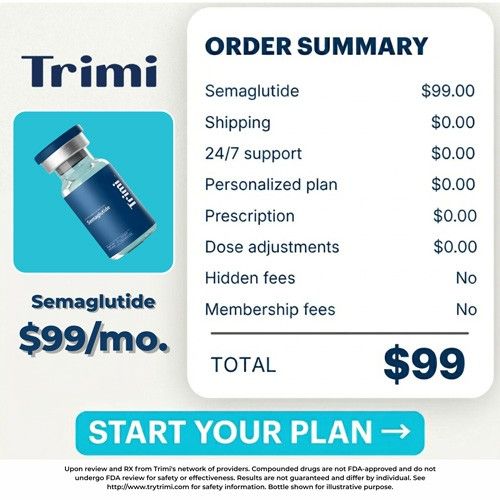
This guide explores the cheapest GLP-1 programs without insurance in 2026, how pricing really works, what affects affordability, and how patients can safely reduce costs without compromising medical quality.
Why GLP-1 Medications Are Expensive
GLP-1 receptor agonists are highly advanced medications designed to mimic natural hormones that regulate appetite, glucose levels, and digestion speed. Their effectiveness in weight management has driven massive demand globally.
Several factors contribute to their high price:
1. Research and development costs
These medications required decades of clinical trials and billions in investment.
2. Patent protection
Brand-name exclusivity limits generic competition.
3. High demand
Obesity treatment demand has surged worldwide.
4. Supply limitations
Manufacturing capacity has struggled to meet demand.
5. Pharmacy and distribution markups
Retail systems add additional cost layers.
As a result, without insurance, patients often face prices between $900 and $1,500 per month.
Why Insurance Rarely Covers GLP-1 for Weight Loss
Even though GLP-1 medications are clinically proven for weight loss, insurance coverage remains limited due to:
- Classification of obesity treatment as “non-essential” in many plans
- Strict BMI and comorbidity requirements
- Prior authorization delays
- The requirement of failed diet programs first
- Employer-specific coverage exclusions
This leaves most patients in 2026 relying on self-pay solutions.
👉 GLP-1 Starting At $59 Per Month – 100% Online
The Shift Toward Cash-Pay GLP-1 Programs
The biggest transformation in recent years is the rise of telehealth-driven GLP-1 access models.
Instead of hospital visits and insurance billing systems, patients now use:
- Online medical consultations
- Subscription-based prescriptions
- Direct pharmacy fulfillment
- Compounded medication networks
- Manufacturer self-pay programs
This shift has reduced pricing significantly, bringing costs down from over $1,300/month to as low as $125–$399/month in competitive markets.
Cheapest GLP-1 Programs Without Insurance in 2026
Below are the most widely used and affordable pathways for uninsured patients.
1. Compounded GLP-1 Telehealth Programs (Lowest Cost Option)
Compounded GLP-1 programs remain the most affordable entry point in 2026.
Price range:
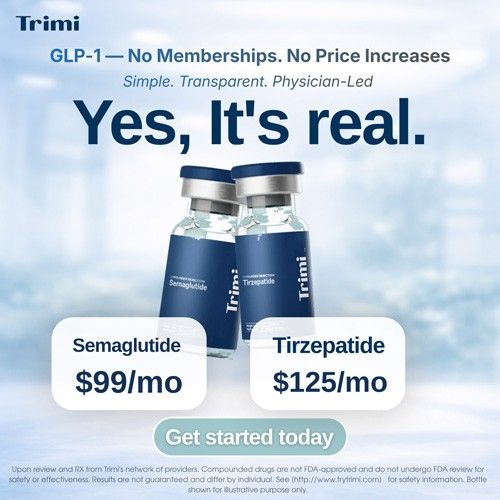
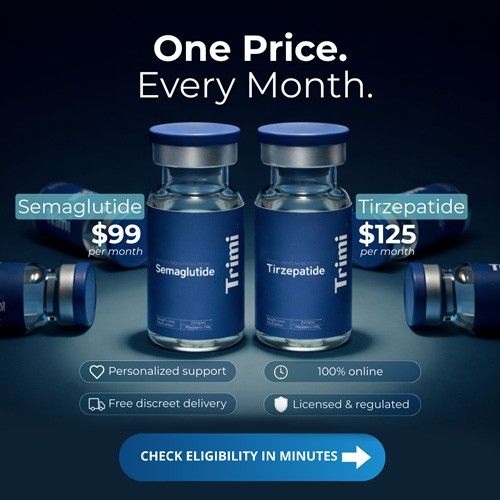
- $125–$299/month (intro offers)
- $199–$349/month (standard pricing)
These programs use licensed compounding pharmacies to prepare customized GLP-1 formulations prescribed by physicians.
Why they are cheaper:
- No brand-name drug pricing
- Subscription-based telehealth model
- Lower pharmacy overhead
- Flexible dosing systems
Benefits:
- Lowest monthly cost available
- Fast online approval process
- Home delivery
- Flexible treatment plans
Limitations:
- Not FDA-approved branded versions
- Quality depends on pharmacy regulation
- Availability varies by region
2. LillyDirect Self-Pay GLP-1 Program (Best Brand Option)
LillyDirect is one of the most affordable ways to access FDA-approved GLP-1 medications without insurance.
Pricing:
- $299–$449/month depending on dose
Advantages:
- FDA-approved medication only
- Direct manufacturer pricing
- Reliable supply chain
- No insurance requirement
Limitations:
- Less flexible dosing
- Strict eligibility rules
- Higher cost than compounded options
3. Telehealth Membership GLP-1 Programs
These programs combine medical care, prescriptions, and coaching into one subscription.
Cost structure:
- $149–$249 membership
- $100–$200 medication cost
- Total: $250–$400/month
Includes:
- Doctor consultations
- Prescription management
- Dose adjustments
- Lifestyle coaching
Benefits:
- Full medical supervision
- Structured weight-loss plan
- Convenient refill system
Limitations:
- Higher monthly total cost
- Mandatory membership fees
👉 Try the Best GLP-1 of 2026 That’s Working for Thousands
4. Discounted Brand Promotions
Some providers offer temporary discounts on GLP-1 medications.
Pricing:
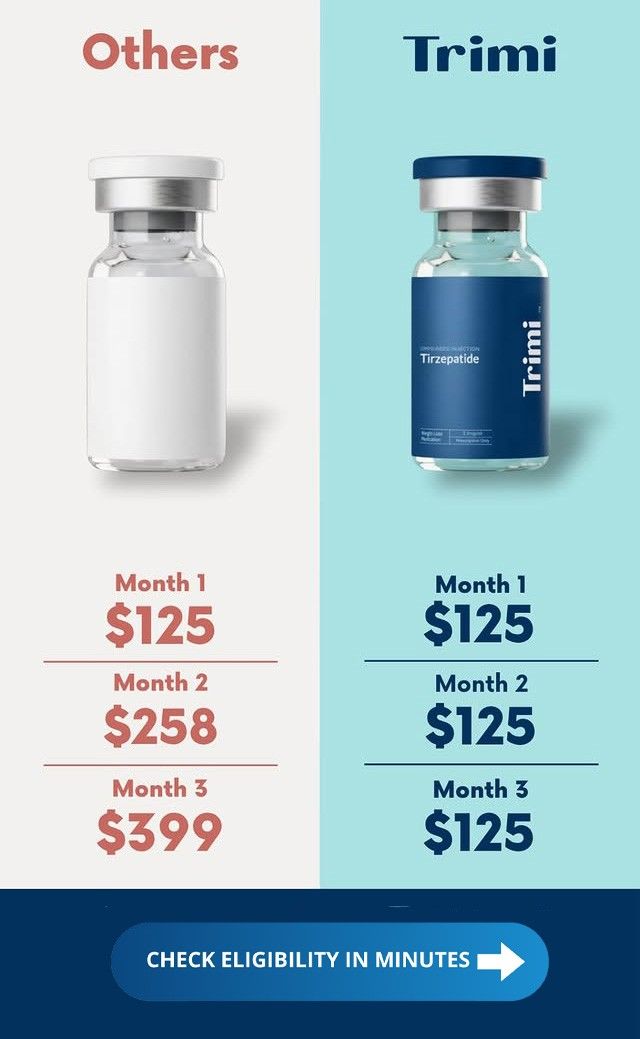
- $199–$299 for the first month
- $349–$599 afterward
Benefits:
- Access to brand-name medications
- Lower initial cost
Limitations:
- Temporary pricing
- Limited eligibility
- Price increases after promotion ends
5. Retail Pharmacy Cash Pay (Most Expensive Option)
Traditional pharmacies remain the most expensive route.
Pricing:
- $900–$1,500/month
Why it’s costly:
- No insurance discount
- Pharmacy markup
- Distribution overhead
- Clinic administration costs
6. High-Risk Unregulated Sources (Not Recommended)
Some patients attempt to find cheaper alternatives outside regulated systems.
Risks include:
- Counterfeit medications
- Incorrect dosing
- No medical supervision
- Safety concerns
Medical experts strongly advise avoiding these sources.
Real Cost Comparison in 2026
| Program Type | Monthly Cost | Safety Level |
| Compounded GLP-1 programs | $125–$349 | Moderate |
| LillyDirect self-pay | $299–$449 | High |
| Telehealth membership | $250–$400 | High |
| Retail pharmacy | $900–$1,500 | Highest cost |
👉 Forbes Reveals Clear GLP-1 Winner For Affordability 2026
Hidden Costs You Should Know
Even “cheap” GLP-1 programs may include additional expenses:
Consultation fees
$50–$200 initial evaluation cost.
Membership fees
$50–$150 monthly platform charges.
Dose escalation
Higher doses often increase pricing.
Shipping & supplies
Injection supplies or express delivery fees.
How to Choose the Cheapest Safe GLP-1 Program
Step 1: Verify legitimacy
Ensure:
- Licensed healthcare provider involvement
- Valid prescription required
- Accredited pharmacy fulfillment
Step 2: Compare total cost
Include:
- Medication
- Membership
- Consultation fees
- Shipping
Step 3: Choose based on priority
- Lowest cost → Compounded GLP-1 programs
- Balanced safety → Telehealth programs
- Highest safety → Brand-name programs
Why GLP-1 Prices Are Dropping in 2026
Prices are decreasing due to:
- Telehealth competition
- Expanded compounding pharmacy use
- Manufacturer direct programs
- Increased production capacity
- Market competition pressure
Average cash-pay pricing is trending toward $199–$399/month, significantly lower than earlier years.
👉 Get GLP-1 At $59 Per Month (Limited Time Offer)
Who Benefits Most from Low-Cost GLP-1 Programs
These programs are ideal for:
- Uninsured patients
- Long-term weight loss users
- Individuals with obesity-related risks
- Patients unable to access insurance coverage
- Self-pay telehealth users
Final Thoughts
In 2026, GLP-1 access is more flexible than ever before. While insurance coverage remains limited, cash-pay programs have created real pathways for affordable treatment.
- Compounded GLP-1 programs offer the lowest entry cost
- Manufacturer programs offer the safest branded access
- Telehealth memberships provide structured care
- Retail pharmacies remain the most expensive option
The key is balancing cost, safety, and long-term sustainability when choosing a program.
References
.
About Us