
Brain Proteins and Memory Loss: Causes, Science & Facts
Memory helps us learn, communicate, recognize important information, and stay connected to the world around us. As we age, occasional forgetfulness can happen naturally, but ongoing memory difficulties may involve complex changes within the brain.
One important area of research focuses on the connection between brain proteins and memory loss. The brain depends on thousands of proteins to maintain healthy communication between nerve cells.
These proteins help neurons send signals, support cell structure, regulate repair processes, and maintain normal brain activity. However, when certain proteins become damaged, misfolded, or accumulate in unusual amounts, they may affect how brain cells function.


Brain Proteins and Memory Loss explains how proteins like amyloid-beta and tau may influence brain cells, memory function, and cognitive changes.
Two proteins that have received significant scientific attention are amyloid-beta and tau. These proteins normally exist in the brain and play important roles, but abnormal changes in their structure or distribution have been linked to conditions involving memory decline, including Alzheimer’s disease.
Understanding how brain proteins influence memory provides valuable insight into how cognitive changes develop and why researchers continue exploring new approaches to support brain health.
What Are Brain Proteins?
Proteins are complex molecules made from amino acids that perform essential tasks throughout the body. In the brain, proteins support the survival, structure, and communication of neurons.
Brain proteins help with several important functions, including:
- Maintaining neuron structure
- Supporting communication between brain cells
- Transporting materials inside neurons
- Regulating chemical signals
- Supporting memory formation and learning
Every thought, movement, and memory depends on the coordinated activity of brain cells and the proteins that support them.
The brain naturally produces and removes proteins through biological processes that maintain balance. This balance is known as protein homeostasis. When these processes work properly, are brain removes damaged proteins, and healthy proteins continue supporting brain function.
However, aging, genetics, and certain neurological conditions may affect the brain’s ability to maintain this balance. This can lead to the accumulation of abnormal proteins that may interfere with normal brain activity.
How Are Brain Proteins Connected to Memory Loss?
Memory depends on communication between billions of neurons. These nerve cells create networks that allow information to be stored, processed, and recalled.
When brain proteins change abnormally, they may affect these communication systems. Some proteins may form deposits or structures that interfere with neuron activity, potentially affecting:
- Memory formation
- Learning ability
- Information processing
- Communication between brain regions
Researchers have studied several proteins linked to cognitive changes, especially amyloid-beta and tau. These proteins are commonly examined because of their association with Alzheimer’s disease and other neurodegenerative conditions.
However, many factors influence memory loss, including aging, genetics, lifestyle, brain health, and other biological processes. Memory changes usually involve multiple factors working together.
 DON’T TRY THIS “BRAIN PROTEINS AND MEMORY LOSS” UNTIL YOU SEE THIS
Amyloid-Beta Protein and Memory Loss
Amyloid-beta is one of the most widely studied brain proteins related to memory disorders. It is naturally produced in the brain and may have normal biological functions.
Problems may occur when amyloid-beta molecules begin to collect and form larger structures called plaques. These plaques can accumulate between nerve cells and may affect communication between neurons.
Scientists believe amyloid-beta accumulation may contribute to brain changes by:
- Affecting connections between neurons
- Increasing cellular stress
- Influencing communication pathways
- Changing the brain environment around nerve cells
Research suggests that amyloid changes may begin years before noticeable memory symptoms appear in some individuals. Amyloid research has helped scientists understand early changes in brain health.
Although amyloid-beta is an important area of study, researchers continue investigating how it interacts with other proteins and biological processes involved in memory.
Tau Protein and Its Role in Brain Function
Tau is another important protein involved in maintaining the structure of neurons. Under normal conditions, tau helps stabilize microtubules, which act as transportation pathways inside nerve cells.
These pathways allow nutrients and cellular materials to move throughout neurons. Healthy tau function supports proper neuron activity.
In some neurological conditions, tau proteins may become altered and form abnormal structures called tangles. These changes may disrupt the internal organization of neurons.
When neurons become affected, communication between brain regions involved in memory may become less efficient.
The hippocampus, a brain area involved in learning and memory formation, is particularly important in understanding these changes. Tau protein changes are an important focus in memory research.
Scientists continue studying how tau develops, spreads, and influences cognitive changes over time.
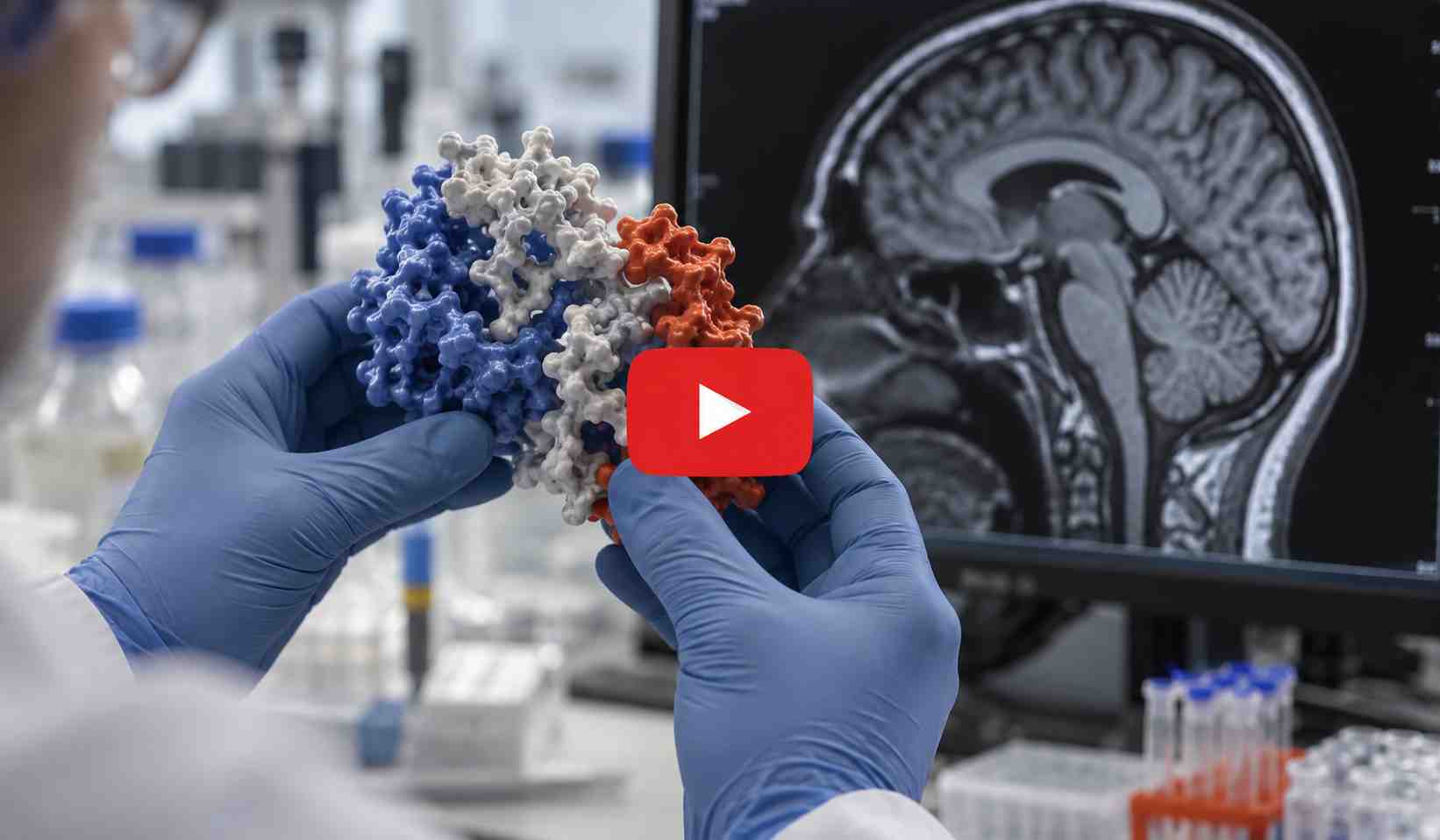
Protein Misfolding and Brain Health
Proteins must maintain a specific three-dimensional shape to function correctly. This process is known as protein folding.
Sometimes proteins may fold incorrectly, causing them to lose their normal function or interact abnormally with other molecules.
Protein misfolding may lead to:
- Protein accumulation
- Cellular stress
- Disrupted neuron function
- Changes in brain communication
The brain has natural defense systems that identify and remove damaged proteins. These systems include cellular recycling processes that help keep neurons healthy.
With aging or certain neurological conditions, these protective systems may become less effective. The brain constantly works to maintain protein quality and balance.
Understanding protein misfolding helps researchers explore why certain brain disorders develop and how future therapies may target these processes.
How Brain Protein Changes Affect Memory Formation
Memory formation involves several steps, including receiving information, processing it, storing it, and retrieving it later. Brain proteins support these processes by helping neurons communicate effectively. When protein-related changes affect brain cells, they can influence several areas.
1. Reduced Communication Between Neurons
Neurons communicate through connections called synapses. Strong synaptic connections allow information to move efficiently throughout the brain. Changes in brain proteins may interfere with these connections, making communication more difficult.
2. Effects on the Hippocampus
The hippocampus plays a central role in creating new memories. Changes in this area may affect learning and recall.
3. Altered Brain Networks
Memory requires coordination between multiple brain regions. Protein-related changes may influence these networks and affect cognitive abilities. Memory depends on a healthy connection between many brain systems.
DON’T TRY THIS “BRAIN PROTEINS AND MEMORY LOSS” UNTIL YOU SEE THIS
Signs Associated With Memory Changes
Memory changes can appear differently from person to person. Some common signs that may require attention include:
- Frequently forgetting recently learned information
- Repeating questions or conversations
- Difficulty remembering familiar tasks
- Trouble finding words
- Increased confusion with time or places
- Challenges with problem-solving
Occasional forgetfulness is common and does not always indicate a serious condition. Stress, sleep problems, nutrition, medications, and other health conditions can also affect memory.
Not every memory concern involves abnormal brain proteins. A healthcare professional can help evaluate persistent or concerning changes.
Brain Proteins and Alzheimer’s Disease
Alzheimer’s disease is a neurological condition associated with progressive changes in memory, thinking, and behavior. Research has identified abnormal changes involving proteins such as amyloid-beta and tau.
Amyloid plaques and tau tangles are two major features studied in Alzheimer’s research.
Amyloid plaques develop outside neurons, while tau tangles develop inside neurons. Scientists continue investigating how these changes interact and influence brain function.
Other factors also contribute to Alzheimer’s development, including:
- Genetics
- Inflammation
- Aging processes
- Blood vessel health
- Environmental influences
Brain health involves many interconnected biological processes.
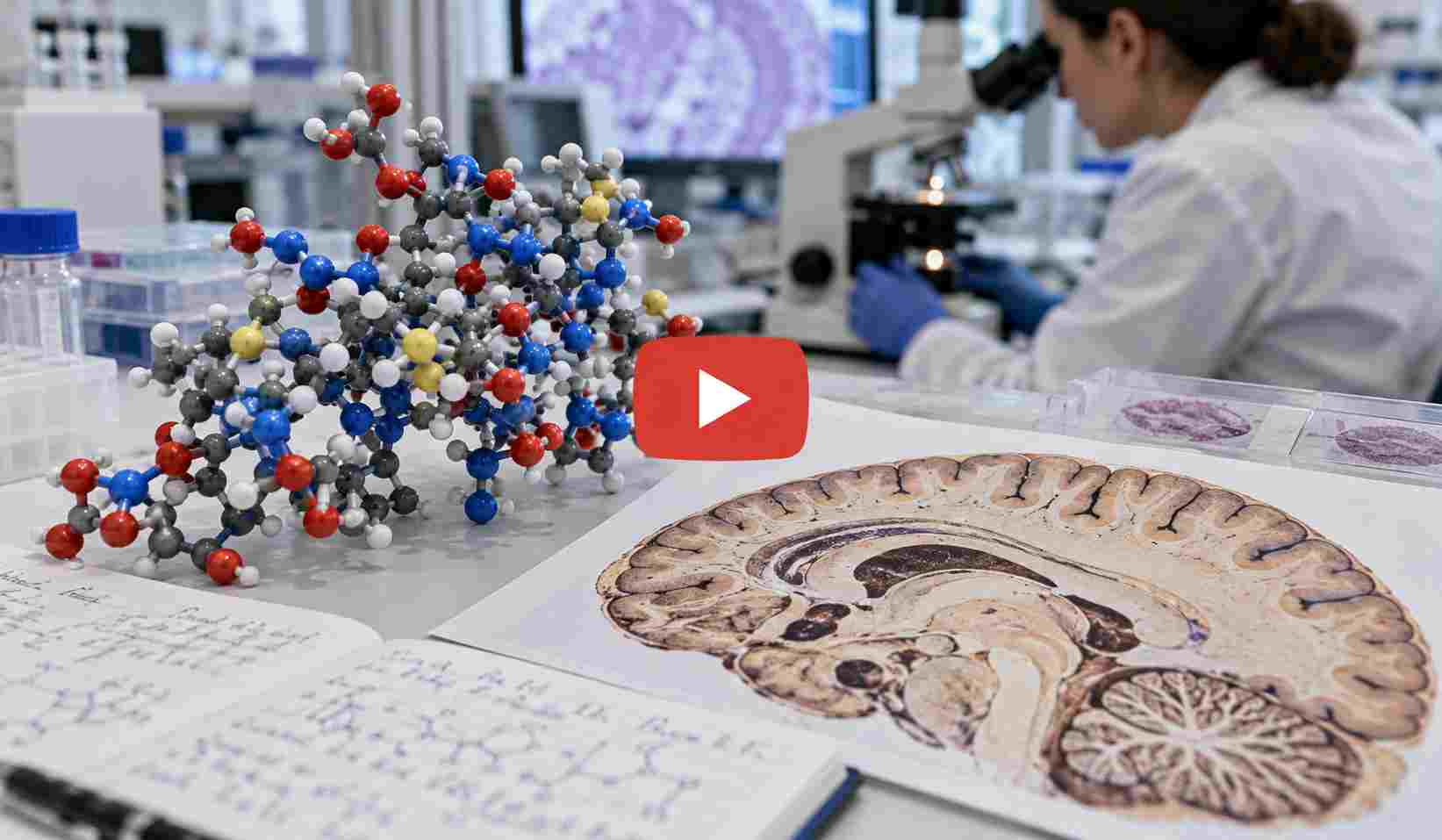
Can Lifestyle Support Healthy Brain Function?
Although research on brain proteins continues, maintaining overall brain health is an important part of supporting cognitive wellness.
Several lifestyle habits may support healthy brain function:
- Physical Activity: Regular movement supports circulation and overall wellness, helping deliver the oxygen and nutrients brain cells need.
- Balanced Nutrition: A nutrient-rich diet provides essential components needed for normal cellular function.
- Quality Sleep: Sleep supports memory processing and allows the brain to perform important maintenance activities.
- Mental Stimulation: Activities such as reading, learning new skills, and problem-solving may help keep the brain active.
- Social Connection: Positive social interactions can support emotional and cognitive wellness. Daily habits can contribute to long-term brain health.
How Researchers Study Brain Proteins and Memory Loss
Scientists use several methods to understand how proteins influence memory.
Brain Imaging: Advanced imaging techniques allow researchers to study changes in brain structure and protein accumulation.
Biomarker Research: Scientists examine biological indicators that may reveal brain changes.
Laboratory Studies: Cell and animal research helps researchers understand how proteins affect neurons.
Human Clinical Research: Studies involving people help identify relationships between protein changes and memory symptoms.
These approaches continue improving understanding of cognitive health.
DON’T TRY THIS “BRAIN PROTEINS AND MEMORY LOSS” UNTIL YOU SEE THIS
Future Research on Brain Proteins and Memory
Research into brain proteins continues to expand. Scientists are studying new ways to understand, detect, and support brain health.
Future areas of research include:
- Earlier identification of brain changes
- Improved understanding of protein interactions
- New approaches targeting abnormal protein activity
- Personalized strategies for cognitive support
Researchers are also exploring how multiple biological systems work together, rather than focusing on a single protein.
The future of memory research depends on understanding the complete picture of brain health.
Final Thoughts on Brain Proteins and Memory Loss
The relationship between brain proteins and memory loss is one of the most important areas of neuroscience research.
Proteins such as amyloid-beta and tau play essential roles in normal brain activity, but changes in these proteins may influence how neurons communicate and function.
Understanding these processes helps scientists explore why memory changes occur and how future research may improve approaches for cognitive health.
While many questions remain, ongoing discoveries continue expanding knowledge about the relationship between proteins, brain cells, and memory.
References
Memory loss: When to seek help
Understanding Memory Dysfunction
Brain-derived neurotrophic factor
.
About Us
