
Best Green Tea For Prostate Health: Which Tea Is Best?
Prostate health becomes an increasingly important concern as men age, especially when focusing on maintaining normal urinary function, healthy aging, and overall wellness.
Diet and lifestyle choices play an important role in supporting the body’s natural defenses, and green tea has gained attention because of its unique plant compounds.
Among tea types, green tea is often considered one of the most researched choices for prostate wellness because of its naturally occurring antioxidants called catechins.
Researchers have studied these compounds for their potential role in supporting cellular health and maintaining a balanced inflammatory response.
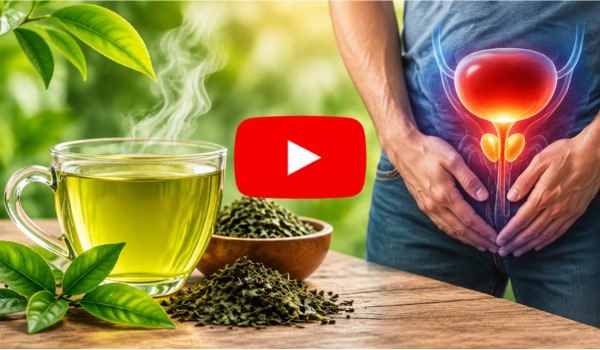

In this guide, we will explore the best green tea options for prostate health, important compounds to look for, how green tea may support prostate function, and what research says about its potential benefits.
Understanding Why Green Tea Is Considered for Prostate Health
Green tea comes from the leaves of the Camellia sinensis plant and differs from black tea because it undergoes minimal oxidation during processing.
This helps preserve naturally occurring polyphenols, especially a group of compounds known as green tea catechins.
The most studied catechin in green tea is epigallocatechin gallate (EGCG). Researchers have investigated EGCG because of its antioxidant properties and its ability to influence several biological pathways involved in cellular protection.
The prostate is a small gland that plays an important role in male reproductive health.
Maintaining prostate wellness involves supporting healthy circulation, balanced inflammation levels, and overall metabolic health through lifestyle choices.
A healthy lifestyle approach for prostate support commonly includes:
- Eating a nutrient-rich diet
- Maintaining a healthy body weight
- Staying physically active
- Managing stress levels
- Choosing antioxidant-rich foods and beverages
Green tea can be included as part of this broader wellness routine.
What Makes Green Tea Beneficial for Prostate Support?
The potential prostate-supporting properties of green tea are mainly linked to its high concentration of plant-based antioxidants.
These compounds help the body manage oxidative stress, which occurs when free radicals outweigh antioxidant defenses.
Green tea contains several important catechins, including:
- EGCG (Epigallocatechin Gallate)
- EGC (Epigallocatechin)
- ECG (Epicatechin Gallate)
- EC (Epicatechin)
Among these, EGCG has received the most scientific attention because of its strong antioxidant activity.
Research has explored how green tea catechins may interact with biological processes related to prostate cells.
While research continues, evidence suggests these compounds may support normal cellular function and healthy aging.
Best Types of Green Tea for Prostate Health
Not all green teas are identical. The quality, growing conditions, processing method, and preparation style can influence the amount of beneficial plant compounds available.
1. Matcha Green Tea
Matcha is one of the most concentrated forms of green tea because it uses finely ground whole tea leaves. Unlike traditional tea, where leaves are steeped and removed, matcha allows you to consume the entire leaf.
Potential advantages include:
- Higher concentration of catechins
- Rich source of antioxidants
- Contains naturally occurring plant nutrients
- Provides a stronger green tea flavor
Matcha may be a good choice for people looking for a concentrated green tea option.
2. Sencha Green Tea
Sencha is one of the most popular Japanese green teas. It is produced by steaming young tea leaves shortly after harvesting, helping preserve many natural compounds.
Benefits of choosing sencha include:
- Balanced flavor profile
- Natural catechin content
- Easy daily preparation
- Widely available
For regular consumption, high-quality sencha can be a practical option for supporting a healthy lifestyle.

3. Gyokuro Green Tea
Gyokuro is considered a premium Japanese green tea because the plants are shaded before harvesting. This process increases certain compounds, including amino acids that contribute to its unique taste.
It may appeal to people looking for:
- Premium tea quality
- Smooth flavor
- Carefully cultivated leaves
- Higher nutritional value compared with standard teas
4. Organic Green Tea
Organic green tea may appeal to people who want to reduce exposure to agricultural chemicals and choose a more naturally produced product.
When selecting organic green tea, consider:
- Trusted sourcing
- Third-party quality testing
- Fresh packaging
- Clear ingredient information
Quality matters because the amount of beneficial compounds can vary between different tea products.
How Green Tea Catechins May Support Prostate Wellness
Scientists have studied green tea catechins because they may influence several mechanisms connected with prostate health.
Some potential areas of interest include:
➺ Antioxidant Protection
Oxidative stress can affect cells throughout the body. Antioxidants help neutralize free radicals and support normal cellular protection.
Green tea catechins provide antioxidant activity that may contribute to overall wellness.
➺ Healthy Inflammatory Response
A balanced inflammatory response is important for maintaining normal body function. Researchers have studied plant compounds in green tea for their interaction with inflammatory pathways.
➺ Cellular Health Support
Studies have examined whether green tea compounds can influence pathways involved in cell growth and maintenance.
A randomized clinical trial involving green tea catechins examined men at higher risk for prostate cancer and found that catechin supplementation was well tolerated, although more research is needed to determine long-term effects.
Green Tea and Prostate Research: What Studies Show
Scientific interest in green tea and prostate health has increased because laboratory and human studies have produced promising findings.
Research has focused mainly on green tea catechins, particularly EGCG. Some studies suggest these compounds may influence biological markers associated with prostate health.
A review of research on green tea catechins found that researchers have investigated these compounds for a possible role in prostate cancer prevention strategies, but emphasized the need for more clinical evidence.
Important points from current research:
- Green tea contains antioxidant compounds.
- Catechins are the primary compounds studied for prostate-related benefits.
- Human studies show promising but not definitive results.
- Consider green tea part of a healthy lifestyle, not a replacement for medical care.
How to Choose the Best Green Tea for Prostate Health
When selecting green tea, quality and preparation are important factors.
Look for:
➺ High-Quality Tea Leaves
Choose products made from fresh, properly stored leaves. Older tea may lose some of its natural qualities.
➺ Minimal Added Ingredients
The best options usually contain:
- 100% green tea leaves
- No unnecessary sweeteners
- No artificial additives
➺ Proper Packaging
Green tea compounds can degrade when exposed to light, moisture, and air. Airtight packaging helps maintain freshness.
➺ Trusted Brands
Choose companies that provide:
- Clear sourcing information
- Quality standards
- Transparent labeling

Best Time to Drink Green Tea for Prostate Health
The timing of green tea consumption can influence how well the body absorbs its natural compounds.
While there is no specific medical requirement for when to drink green tea, many people prefer consuming it between meals to maximize its benefits as part of a balanced lifestyle.
Some practical times to enjoy green tea include:
- Morning: Provides a refreshing start to the day and may support focus.
- Between meals: Helps avoid interference with nutrient absorption from certain foods.
- Early afternoon: A healthier alternative to sugary beverages.
- Before exercise: Some people choose green tea as part of their wellness routine.
Avoid drinking large amounts of green tea right before bed because its natural caffeine may affect sleep quality in sensitive individuals.
How Much Green Tea Should You Drink Daily?
The ideal amount of green tea can vary depending on personal health, caffeine sensitivity, and overall diet. Many studies on green tea compounds use different amounts, making it hard to set a universal recommendation.
For general wellness, many adults choose:
- 2–3 cups of green tea daily
- High-quality loose leaf tea or tea bags
- Unsweetened preparation
Moderation matters because excessive intake may increase caffeine.
Factors that influence the ideal amount include:
- Age
- Overall health condition
- Medication use
- Caffeine tolerance
- Dietary habits
Green tea should complement a healthy lifestyle rather than replace key prostate-health practices such as regular medical checkups and balanced nutrition.
Green Tea vs Green Tea Supplements: Which Is Better?
Many people wonder whether drinking green tea or taking green tea extract supplements is the better option for prostate support.
Both options provide green tea compounds, but they differ significantly.
➺ Drinking Green Tea
Advantages include:
- Natural source of catechins
- Provides hydration
- Easy to include in daily routines
- Lower concentration compared with extracts
A cup of green tea provides naturally occurring plant compounds in a food-based form.
➺ Green Tea Extract Supplements
Advantages may include:
- More concentrated catechin levels
- Convenient for people who do not regularly drink tea
- Standardized amounts of green tea compounds
However, concentrated supplements may provide higher doses than traditional tea.
People considering supplements should carefully review product labels and discuss options with a healthcare professional, especially if they have existing health concerns or take medications.
For most people, drinking high-quality green tea can be a simple and sustainable way to include these beneficial plant compounds in their routine.

Other Lifestyle Habits That Support Prostate Wellness
While green tea may provide antioxidant support, prostate health depends on multiple lifestyle factors. A complete approach includes nutrition, physical activity, and preventive healthcare.
Important habits include:
➺ Maintain a Balanced Diet
A prostate-friendly eating pattern often focuses on:
- Fruits and vegetables
- Whole grains
- Healthy fats
- Lean protein sources
- Antioxidant-rich foods
Foods naturally rich in nutrients can help support overall cellular health.
➺ Stay Physically Active
Regular movement supports overall wellness and may contribute to healthy aging.
Activities such as:
- Walking
- Strength training
- Swimming
- Cycling in moderation
can help maintain cardiovascular health and healthy body composition.
➺ Maintain a Healthy Weight
Excess body weight may influence several aspects of overall health. Maintaining a healthy weight through proper nutrition and exercise is an important part of long-term wellness.
➺ Drink Enough Water
Proper hydration supports normal urinary function and helps maintain overall body balance.
Potential Side Effects and Safety Considerations of Green Tea
Green tea is generally considered safe for most adults when consumed in normal amounts. However, individual responses may vary.
Possible concerns include:
➺ Caffeine Sensitivity
Green tea naturally contains caffeine, which may cause:
- Restlessness
- Difficulty sleeping
- Increased alertness
- Stomach discomfort in some individuals
People sensitive to caffeine may prefer:
- Lower-caffeine green tea
- Decaffeinated options
- Drinking tea earlier in the day
➺ Stomach Sensitivity
Some people may experience stomach discomfort when drinking green tea on an empty stomach.
A simple approach is consuming green tea after food or between meals.
➺ Medication Considerations
Green tea compounds may interact with certain medications. Individuals who take prescription medicines or have specific health conditions should consult a healthcare professional before significantly increasing green tea consumption.
What Should You Look for in the Best Green Tea for Prostate Health?
Choosing a quality green tea product takes more than picking the first option you see. Several factors can influence the overall quality.
➺ Check the Tea Origin
Tea-growing regions with strong quality standards often provide better traceability.
Popular green tea origins include:
- Japan
- China
- Korea
➺ Choose Fresh Products
Fresh tea leaves generally retain more natural compounds compared with poorly stored products.
Look for:
- Proper packaging
- Expiration dates
- Storage instructions
➺ Avoid Added Sugars
Adding excessive sugar can reduce the overall health benefits of a beverage.
For prostate wellness, plain green tea is usually the preferred option.
➺ Consider Organic Options
Organic green tea may appeal to individuals who prefer products produced without conventional agricultural chemicals.
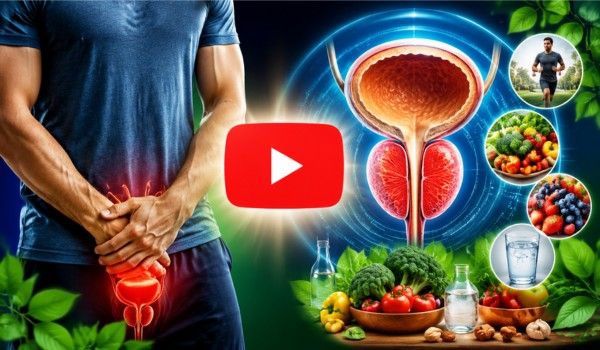
Frequently Studied Green Tea Compounds for Prostate Support
Researchers have focused on several compounds naturally found in green tea.
➺ EGCG
Epigallocatechin gallate is the most researched catechin in green tea. Scientists have studied its antioxidant activity and relationship with cellular processes.
➺ Polyphenols
Polyphenols are plant-based compounds that contribute to green tea’s antioxidant properties.
➺ L-Theanine
L-theanine is an amino acid naturally found in tea leaves that contributes to green tea’s unique nutritional profile.
Together, these compounds make green tea one of the most researched beverages in nutritional science.
Can Green Tea Replace Medical Treatment for Prostate Problems?
No. Green tea should not be considered a replacement for medical diagnosis, treatment, or professional advice.
Men experiencing prostate-related concerns such as:
- Changes in urinary habits
- Pelvic discomfort
- Blood in urine
- Persistent symptoms
should speak with a qualified healthcare professional.
Green tea may support a healthy lifestyle, but medical evaluation remains essential when symptoms occur.
Final Thoughts: Choosing the Best Green Tea for Prostate Health
Green tea is one of the most researched beverages for supporting overall wellness because of its naturally occurring antioxidants and catechins.
Among available options, matcha, sencha, gyokuro, and high-quality organic green teas are popular choices for people looking to include more beneficial plant compounds in their daily routine.
The best green tea for prostate health is not necessarily the most expensive option. Instead, focus on quality leaves, trusted sourcing, minimal additives, and consistent use as part of a balanced lifestyle.
Scientific research continues to explore the relationship between green tea compounds and prostate health.
Current evidence suggests that green tea may support antioxidant protection and healthy cellular function, but it works best alongside regular exercise, nutritious eating habits, and preventive healthcare.
Making small daily choices, such as replacing sugary drinks with a cup of quality green tea, can be a simple step toward supporting long-term wellness.
References
https://en.wikipedia.org/wiki/Green_tea
https://www.healthline.com/nutrition/top-10-evidence-based-health-benefits-of-green-tea
https://www.webmd.com/diet/supplement-guide-green-tea
About Us
