Baking Soda and Water for Heartburn – Does It Work?
Introduction
Heartburn is one of the most common digestive complaints, often causing a burning sensation in the chest, throat irritation, a sour taste in the mouth, or discomfort after eating.
Many people search for quick, natural ways to relieve these symptoms, and one popular home remedy used for decades is baking soda and water for heartburn.
Baking soda, also known as sodium bicarbonate, is an alkaline compound that may temporarily reduce stomach acidity. When mixed with water and consumed.
It can react with stomach acid and help neutralize some of the acid responsible for heartburn symptoms. This is why many people consider it a fast-acting option when they experience occasional acid discomfort.
However, while baking soda may provide short-term relief, it is important to understand how it works, how to use it safely, and when it may not be the right choice.
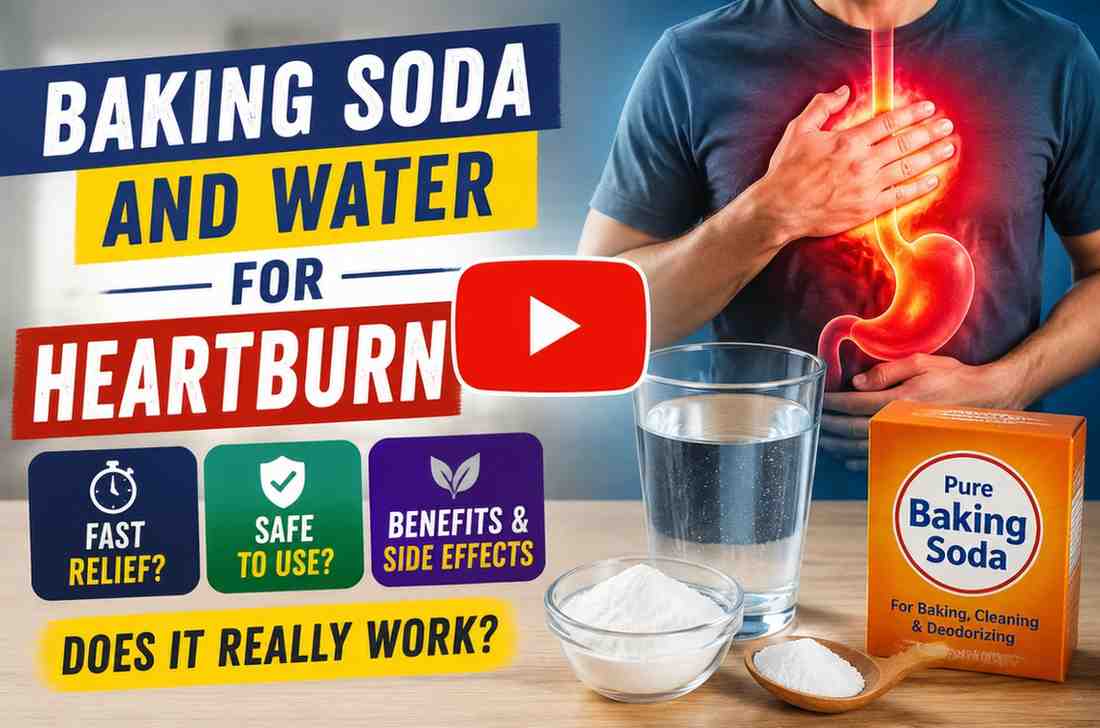

Baking soda and water may provide quick, temporary heartburn relief by neutralizing stomach acid, but it should be used carefully and occasionally.
Using too much baking soda or relying on it frequently can create health risks because it contains a significant amount of sodium and may affect the body’s natural acid-base balance.
This guide explains everything you need to know about using baking soda and water for heartburn, including how it works, potential benefits and risks, proper usage considerations, alternatives, and when to seek medical advice.
What Is Baking Soda and Water for Heartburn?
Baking soda and water for heartburn is a traditional home remedy that involves mixing sodium bicarbonate with water and drinking the solution to help relieve occasional acid discomfort. Sodium bicarbonate works as an antacid because it is alkaline, helping neutralize stomach acid.
Heartburn usually occurs when stomach acid moves upward into the esophagus, the tube connecting the mouth and stomach. This acid exposure can irritate the esophageal lining and create a burning sensation. By temporarily reducing acidity, baking soda may help reduce irritation and provide short-term comfort.
Unlike medications that reduce acid production, baking soda does not stop the stomach from making acid. Instead, it works by chemically reacting with existing acid.
This means the effect is generally temporary and does not address underlying causes of frequent heartburn, such as gastroesophageal reflux disease (GERD), certain food triggers, or lifestyle factors.
Although many people use this remedy at home, it should not be considered a daily solution for ongoing digestive problems. Frequent heartburn may require a proper evaluation to determine the underlying cause.
How Does Baking Soda and Water Help Relieve Heartburn?
The main reason baking soda may help with heartburn is because of its ability to neutralize stomach acid.
Baking soda contains sodium bicarbonate, a naturally alkaline substance. When it comes into contact with hydrochloric acid in the stomach, a chemical reaction occurs, producing sodium chloride, water, and carbon dioxide. This reaction reduces acidity temporarily and may ease the burning sensation associated with heartburn.
The process can be explained simply:
Baking soda + stomach acid → neutralized acid + water + carbon dioxide
Because this reaction happens relatively quickly, some people experience relief soon after consuming baking soda mixed with water.
However, the relief is usually temporary. The stomach continues producing acid as part of normal digestion, so symptoms may return if the underlying trigger remains.
Common causes of heartburn include:
- Eating large meals
- Consuming spicy or fatty foods
- Drinking alcohol or caffeinated beverages
- Lying down soon after eating
- Excess body weight
- Pregnancy-related changes
- Stress and digestive sensitivity
For occasional heartburn, baking soda may provide temporary comfort. For frequent symptoms, addressing lifestyle habits and seeking medical guidance may be more appropriate.
Benefits of Using Baking Soda and Water for Heartburn
1. Provides Quick Temporary Relief
One of the biggest reasons people use baking soda and water for heartburn is its fast action. Since sodium bicarbonate directly interacts with stomach acid, it may help reduce acidity quickly.
Many traditional antacid products also use sodium bicarbonate because of this acid-neutralizing ability. However, the effect is generally short-lived and should not replace medical treatment for chronic reflux problems.
2. Easy to Find at Home
Baking soda is a common household ingredient found in many kitchens. Unlike specialized digestive products, it is inexpensive and widely available.
This convenience makes it a popular option for people looking for immediate relief when occasional heartburn occurs.
3. May Help With Occasional Acid Indigestion
Besides heartburn, some people use baking soda to relieve mild acid indigestion or an uncomfortable acidic feeling after meals.
Because sodium bicarbonate can temporarily reduce acidity, it may help some individuals feel more comfortable after occasional digestive discomfort.
However, recurring symptoms should not be ignored, as frequent acid reflux may indicate a more serious digestive condition.
How to Use Baking Soda and Water for Heartburn
If someone chooses to use baking soda for occasional heartburn, it’s important to understand how to prepare it safely.
A commonly discussed mixture involves dissolving a small amount of baking soda completely in water before drinking it. Health sources note that sodium bicarbonate should be used carefully because excessive amounts may cause side effects.
General safety considerations include:
- Always dissolve baking soda completely in water.
- Avoid taking large amounts.
- Do not use it as a daily heartburn treatment.
- Avoid repeated use without medical guidance.
- Follow product instructions if using an approved sodium bicarbonate antacid product.
It is also important to remember that “more” does not mean “better.” Taking excessive amounts can increase sodium intake and may disturb electrolyte balance.
How Much Baking Soda Should You Take for Heartburn?
Many online sources discuss using small amounts of baking soda mixed with water for occasional heartburn. However, the appropriate amount can vary depending on age, health conditions, medications, and individual circumstances.
Some medical references mention small doses of sodium bicarbonate for short-term antacid use, but they also emphasize avoiding excessive or prolonged use.
Before using baking soda regularly, people should consider:
- Existing high blood pressure
- Kidney problems
- Heart conditions
- Sodium restrictions
- Pregnancy
- Current medications
Individuals with these conditions should speak with a healthcare professional before using baking soda as a remedy.
Potential Side Effects of Baking Soda and Water for Heartburn
Although baking soda may offer temporary relief from occasional heartburn, it is not completely risk-free. Sodium bicarbonate contains a high amount of sodium, and consuming too much may lead to unwanted health effects.
Understanding the possible side effects can help people make safer decisions before using this home remedy.
1. Increased Sodium Intake
One of the biggest concerns with using baking soda for heartburn is its sodium content. People who consume too much sodium may experience increased fluid retention, which can be problematic for individuals with high blood pressure, heart conditions, or kidney concerns.
Frequent use of baking soda as an antacid may add unnecessary sodium to the diet, especially for people who already consume sodium from processed foods and other sources.
2. Gas and Bloating
When baking soda reacts with stomach acid, it produces carbon dioxide gas. This reaction is what helps neutralize acid, but it can also cause temporary bloating, burping, or stomach discomfort.
Some people may notice increased belching shortly after drinking baking soda mixed with water. While this is usually not dangerous, it may feel uncomfortable.
3. Electrolyte Imbalance
Using excessive amounts of baking soda may affect the body’s electrolyte balance. Sodium bicarbonate changes the amount of bicarbonate in the body, which plays a role in maintaining proper blood pH levels.
Too much sodium bicarbonate can contribute to a condition called metabolic alkalosis, in which the blood becomes less acidic than normal.
Symptoms of electrolyte imbalance may include:
- Nausea
- Vomiting
- Muscle weakness
- Confusion
- Fatigue
- Irregular heartbeat
People experiencing these symptoms should seek medical advice.
4. Digestive Discomfort
While baking soda may temporarily reduce acidity, some individuals may experience digestive discomfort after using it.
Possible reactions include:
- Stomach cramps
- Nausea
- Excessive thirst
- Abdominal discomfort
If baking soda consistently causes discomfort, it may not be the right option for managing heartburn symptoms.

Who Should Avoid Baking Soda for Heartburn?
Baking soda and water may not be suitable for everyone. Certain health conditions can increase the risk of complications when consuming sodium bicarbonate.
People who should use caution or avoid this remedy include:
⬩➤ Individuals With High Blood Pressure
Because baking soda contains sodium, people managing high blood pressure may need to limit their intake. Extra sodium can contribute to fluid retention and may make blood pressure management more difficult.
⬩➤ People With Kidney Problems
The kidneys help regulate sodium and electrolyte levels in the body. Individuals with reduced kidney function may have difficulty processing excess sodium or bicarbonate.
Frequent use of baking soda without medical supervision may pose additional risks.
⬩➤ People Following a Low-Sodium Diet
Some individuals are advised to restrict sodium because of heart, kidney, or other health concerns. Baking soda may not fit into these dietary restrictions.
⬩➤ Pregnant Individuals
Pregnancy can increase the likelihood of acid reflux due to hormonal changes and pressure on the stomach. However, pregnant individuals should consult a healthcare provider before using baking soda regularly for heartburn relief.
⬩➤ People Taking Certain Medications
Baking soda may affect how some medications work by changing stomach acidity or affecting absorption.
Anyone taking prescription medications should ask a healthcare professional before using sodium bicarbonate as a remedy.
Baking Soda and Water vs Other Heartburn Remedies
While baking soda is a popular home remedy, there are several other approaches people use to manage heartburn symptoms.
Understanding the differences can help individuals choose the best option.
Baking Soda vs Over-the-Counter Antacids
Traditional antacids are designed specifically to neutralize stomach acid. Many contain ingredients such as calcium carbonate, magnesium hydroxide, or aluminum hydroxide.
Baking soda works similarly by neutralizing acid, but commercially prepared antacids are usually formulated with specific dosing instructions and safety guidelines.
For occasional heartburn, both options may provide temporary relief. However, people with frequent symptoms may need treatments that address the cause rather than only reducing acid temporarily.
Baking Soda vs Acid-Reducing Medications
Medications such as proton pump inhibitors (PPIs) and H2 blockers work differently from baking soda.
Instead of neutralizing existing acid, these medications reduce the amount of acid the stomach produces.
Examples include:
- Proton pump inhibitors (PPIs)
- H2 receptor blockers
These options are often used for people with frequent acid reflux or GERD under medical guidance.
Baking Soda vs Natural Lifestyle Changes
For many people, lifestyle adjustments can be an important part of managing occasional heartburn.
Helpful changes may include:
- Eating smaller meals
- Avoiding lying down immediately after eating
- Limiting trigger foods
- Maintaining a healthy weight
- Reducing alcohol intake
- Avoiding smoking
Unlike baking soda, lifestyle changes may help reduce the frequency of heartburn episodes over time.
Foods and Drinks That May Trigger Heartburn
Many cases of heartburn are connected to specific foods or eating habits.
Common triggers include:
⬩➤ Spicy Foods
Hot peppers and spicy sauces may irritate the digestive system and worsen reflux symptoms in some individuals.
⬩➤ Fatty or Fried Foods
High-fat meals can slow digestion and may increase the chance of stomach contents moving back into the esophagus.
Examples include:
- Fried foods
- Fast food
- Heavy cream-based dishes
⬩➤ Coffee and Caffeine
Caffeine may relax the lower esophageal sphincter in some people, allowing stomach acid to move upward more easily.
⬩➤ Carbonated Drinks
Fizzy beverages may increase stomach pressure and contribute to burping or reflux symptoms.
⬩➤ Chocolate
Chocolate may affect the muscle that helps prevent acid from flowing backward into the esophagus.
⬩➤ Citrus Fruits
Oranges, lemons, and other acidic fruits may trigger symptoms in some sensitive individuals.
Lifestyle Tips to Reduce Heartburn Naturally
While baking soda may provide short-term relief, preventing heartburn often requires addressing daily habits.
1. Eat Smaller Portions
Large meals can put extra pressure on the stomach and increase the likelihood of reflux.
Eating smaller meals throughout the day may help reduce digestive discomfort.
2. Avoid Eating Before Bed
Lying down soon after eating can make it easier for stomach acid to move upward.
Experts often recommend waiting several hours after meals before lying down.
3. Raise the Upper Body During Sleep
People who experience nighttime heartburn may benefit from elevating the upper body while sleeping.
This position may help reduce the movement of acid into the esophagus.
4. Maintain a Healthy Weight
Extra abdominal pressure can contribute to reflux symptoms.
Maintaining a healthy weight through balanced nutrition and regular physical activity may help reduce the frequency of heartburn.
5. Stay Hydrated
Drinking enough water supports normal digestion and may help reduce throat irritation caused by reflux.
However, drinking large amounts of liquid immediately after meals may increase stomach pressure for some people.
When Should You See a Doctor for Heartburn?
Occasional heartburn is common, but frequent symptoms should not be ignored.
You should consider speaking with a healthcare provider if you experience:
- Heartburn more than twice per week
- Symptoms that interfere with daily activities
- Difficulty swallowing
- Unexplained weight loss
- Persistent nausea or vomiting
- Chest pain that feels severe
- Symptoms that do not improve with lifestyle changes
Frequent heartburn may be a sign of gastroesophageal reflux disease (GERD), which may require proper diagnosis and treatment.
Is Baking Soda and Water for Heartburn Safe?
For many healthy adults, occasional use of a small amount of baking soda mixed with water may provide temporary relief from mild heartburn.
However, it should not become a regular habit or replace professional medical care for ongoing symptoms.
The safest approach is to use baking soda only occasionally, understand personal health risks, and focus on long-term digestive health strategies.
Frequently Asked Questions
Can baking soda and water stop heartburn quickly?
Baking soda may provide temporary relief by neutralizing stomach acid. Some people experience improvement shortly after taking it, but the effect may not last long.
How does baking soda work for acid reflux?
Baking soda works as an alkaline compound that reacts with stomach acid. This reaction temporarily reduces acidity, which may ease burning sensations.
Can I drink baking soda every day for heartburn?
Daily use of baking soda for heartburn is not recommended unless advised by a healthcare professional. Regular use may increase sodium intake and create health risks.
Is baking soda better than antacids?
Baking soda and antacids both work by reducing acidity, but commercially available antacids are specifically designed with dosing instructions. The best option depends on individual health needs.
Can baking soda make heartburn worse?
In some people, baking soda may cause bloating, gas, or digestive discomfort. Overuse may also create additional health concerns.
What is the best natural remedy for heartburn?
Natural approaches include avoiding trigger foods, eating smaller meals, staying upright after eating, maintaining a healthy weight, and identifying personal triggers for reflux.
Final Thoughts: Should You Use Baking Soda and Water for Heartburn?
Baking soda and water for heartburn is a well-known home remedy that may provide quick, temporary relief by neutralizing stomach acid.
Its affordability, accessibility, and rapid action are the main reasons many people continue to use it for occasional digestive discomfort.
However, baking soda is not a long-term solution for frequent heartburn. Overuse may increase sodium intake, affect electrolyte balance, and potentially cause unwanted side effects. People with high blood pressure, kidney issues, heart conditions, or dietary restrictions should be especially cautious.
For occasional symptoms, baking soda may be helpful when used responsibly. However, the best approach for lasting digestive comfort is to identify triggers, improve lifestyle habits, and seek medical guidance when symptoms become frequent or severe.
Understanding your body’s signals and choosing safe strategies can help support better digestive health and reduce the discomfort associated with heartburn.
References
About Us