
Women Fatty Liver Symptoms: Early Signs, Causes & Treatment
Fatty liver disease in women often develops without noticeable symptoms. However, some women may experience fatigue, upper right abdominal discomfort, or unexplained weakness.
Recognizing possible women’s fatty liver symptoms can help identify liver problems before serious complications develop.
Women face additional considerations involving hormonal changes, menopause, polycystic ovary syndrome (PCOS), insulin resistance, and abdominal weight gain.
Fatty liver disease is now commonly described as metabolic dysfunction-associated steatotic liver disease (MASLD), previously known as nonalcoholic fatty liver disease (NAFLD).
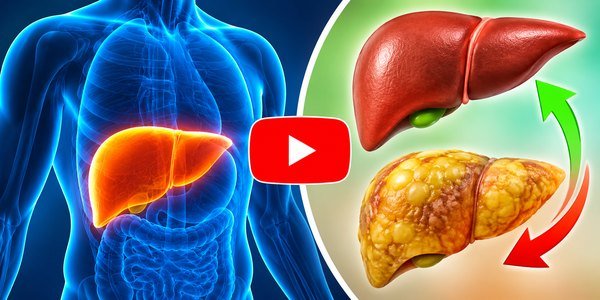
👉 DON’T TRY THIS “WOMEN FATTY LIVER SYMPTOMS” UNTIL YOU SEE THIS
This guide explores fatty liver symptoms in women, early warning signs, common causes, hormonal changes, menopause-related risks, diagnosis, treatment options, possible complications, and important prevention strategies.
What Is Fatty Liver Disease in Women?
Fatty liver disease occurs when excess fat accumulates inside liver cells. Although small amounts of fat may be present naturally, excessive accumulation can contribute to inflammation and liver damage.
The liver performs essential functions, including processing nutrients, regulating metabolism, producing important proteins, and removing certain waste products from the bloodstream.
There are two important stages within the metabolic fatty liver disease spectrum:
- MASL: Fat accumulates in the liver without the significant inflammation and injury characteristic of steatohepatitis.
- MASH: Fat accumulation occurs alongside liver inflammation and cellular injury, potentially leading to fibrosis.
Not everyone with fatty liver develops serious complications. Nevertheless, identifying the condition early allows opportunities to reduce progression risks.
What Are the Early Symptoms of Fatty Liver in Women?
Early fatty liver symptoms in women are often mild, nonspecific, or completely absent. Some women discover the condition during routine blood tests or abdominal imaging performed for unrelated concerns.
1. Persistent Fatigue and Low Energy
Unusual tiredness is among the most commonly reported symptoms associated with fatty liver disease.
Women may experience persistent exhaustion despite getting adequate sleep or maintaining their usual daily routines.
Fatigue can occur for numerous reasons, including anemia, thyroid disorders, sleep problems, and hormonal changes.
👉 DON’T TRY THIS “WOMEN FATTY LIVER SYMPTOMS” UNTIL YOU SEE THIS
2. Upper Right Abdominal Discomfort
Some women experience mild discomfort beneath the ribs on the upper right side of the abdomen. This area contains the liver, which may become enlarged when fat accumulates.
The sensation may involve:
- A dull ache beneath the right ribs
- Mild pressure in the upper abdomen
- Occasional abdominal fullness
- Discomfort without an obvious cause
Severe or persistent abdominal pain requires medical evaluation because other conditions, including gallbladder disease, can produce similar symptoms.
3. Unexplained Weakness
Some women with fatty liver disease report reduced stamina or general weakness. These symptoms may occur alongside metabolic disorders, sleep disturbances, or other underlying medical problems.
If symptoms persist or interfere with normal activities, medical assessment can help identify the underlying cause.
4. Abdominal Weight Gain
Increasing waist circumference is associated with a higher risk of metabolic fatty liver disease.
Women may notice abdominal weight gain during perimenopause or menopause. However, belly fat is a risk factor rather than proof that fatty liver disease is present.
5. Changes Associated With Insulin Resistance
Insulin resistance frequently accompanies fatty liver disease. Possible associated findings include increased blood glucose, elevated triglycerides, and darkened skin patches known as acanthosis nigricans.
Importantly, many women with insulin resistance and fatty liver experience no obvious physical warning signs.
Advanced Fatty Liver Symptoms in Women
When fatty liver progresses to advanced fibrosis or cirrhosis, more noticeable symptoms may develop. These complications are not typical of uncomplicated early fatty liver disease.
Yellowing of the Skin and Eyes
Jaundice occurs when bilirubin accumulates in the body, causing yellow discoloration of the skin or eyes. It may indicate significant liver dysfunction or another serious medical condition.
Swelling in the Abdomen or Legs
Advanced liver disease can cause fluid accumulation in the abdomen, known as ascites. Some women may also develop swelling around the ankles and lower legs.
Easy Bruising and Bleeding
The liver produces proteins necessary for normal blood clotting. Severe liver dysfunction may interfere with clotting and increase bleeding tendencies.
Confusion and Changes in Alertness
Advanced liver disease can sometimes affect brain function through hepatic encephalopathy. Symptoms may include confusion, unusual sleepiness, personality changes, or difficulty concentrating.
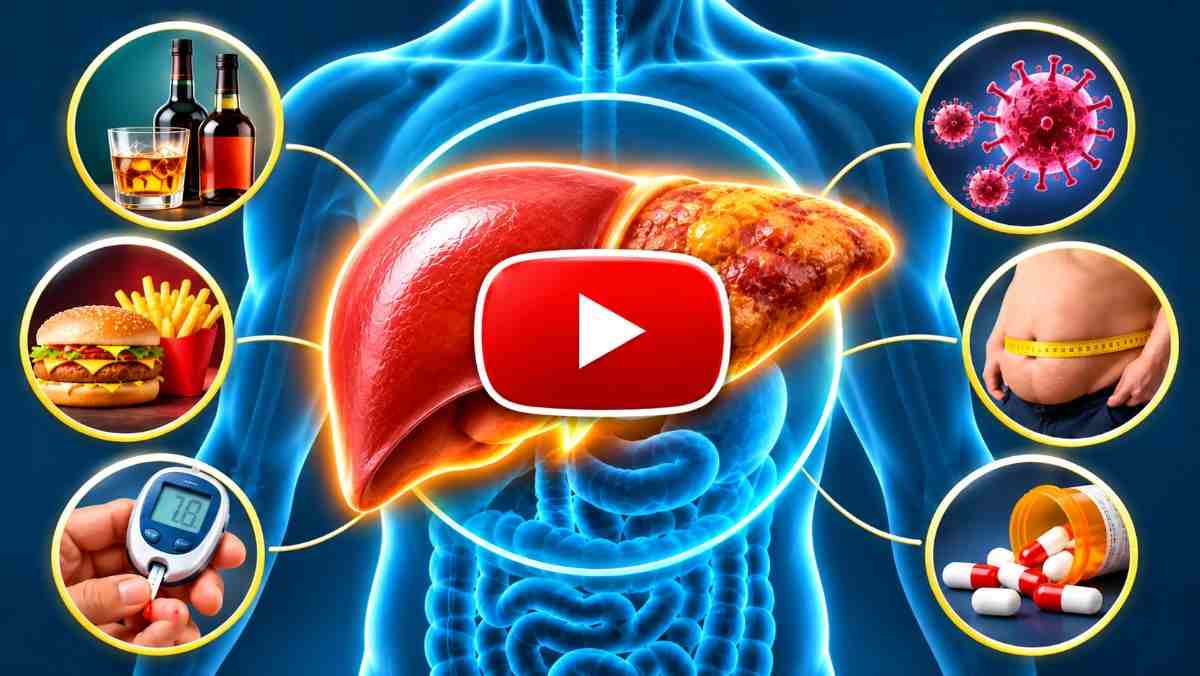
👉 DON’T TRY THIS “WOMEN FATTY LIVER SYMPTOMS” UNTIL YOU SEE THIS
What Causes Fatty Liver Disease in Women?
Fatty liver disease develops through a combination of metabolic, genetic, hormonal, and lifestyle factors. Understanding these contributors helps identify women who may benefit from further testing.
Insulin Resistance and Type 2 Diabetes
Insulin resistance affects how effectively the body regulates blood glucose and processes stored fat. When insulin signaling becomes disrupted, more fatty acids may accumulate in the liver.
Overweight and Abdominal Obesity
Excess body weight, particularly central abdominal fat, increases the likelihood of metabolic liver disease. However, fatty liver can also develop in women with a normal body mass index.
Polycystic Ovary Syndrome
PCOS is a hormonal condition associated with insulin resistance and increased androgen activity. Research shows that women with PCOS experience a higher prevalence of fatty liver disease.
Diet and Physical Inactivity
Regular consumption of sugar-sweetened beverages and excess calories may contribute to liver fat accumulation. Physical inactivity can further worsen insulin sensitivity.
Fatty Liver Symptoms in Women Over 40 and 50
Women approaching menopause may experience metabolic changes that increase fatty liver risk.
Declining estrogen levels, shifts in body fat distribution, and age-related changes in insulin sensitivity may contribute to liver fat accumulation.
Research suggests that fatty liver disease is more prevalent among postmenopausal women than premenopausal women.
Symptoms such as fatigue, abdominal discomfort, and reduced stamina may overlap with common menopausal experiences.
Women over 40 or 50 who have diabetes, high cholesterol, hypertension, or increased waist circumference should discuss their metabolic and liver health with a clinician.
Can Fatty Liver Disease Cause Hormonal Problems?
The liver helps metabolize several hormones and plays an important role in maintaining metabolic balance.
Fatty liver disease is associated with hormonal and metabolic conditions, including insulin resistance and PCOS.
Nevertheless, fatty liver does not directly explain every menstrual irregularity, weight change, or menopausal symptom.
Women experiencing irregular periods, persistent fatigue, or unexplained weight changes may need additional evaluation beyond liver testing.
How Is Fatty Liver Diagnosed in Women?
Because symptoms are often absent, medical testing is important for confirming fatty liver disease.
Doctors generally assess health history, metabolic risk factors, physical findings, and relevant laboratory results.
Liver Function Blood Tests
Common blood tests include:
- Alanine aminotransferase (ALT)
- Aspartate aminotransferase (AST)
- Bilirubin
- Albumin
- Platelet count
Elevated liver enzymes can suggest liver injury, but they do not establish the specific cause. Normal ALT and AST levels also cannot reliably exclude advanced liver fibrosis.
Abdominal Imaging
Ultrasound may reveal liver fat, although conventional ultrasound can miss milder steatosis.
Other imaging techniques, including MRI-based methods, may provide additional information about liver fat. Doctors select tests according to individual circumstances and clinical availability.
FibroScan and Fibrosis Assessment
FibroScan, a form of transient elastography, estimates liver stiffness and may help assess fibrosis. Clinicians may first calculate the FIB-4 score using age, liver enzymes, and platelet count.
Liver biopsy is reserved for selected cases when diagnostic uncertainty remains or more detailed information is needed.
How to Treat Fatty Liver Disease in Women
Treatment focuses on reducing liver fat, improving metabolic health, and preventing progression. The most appropriate approach depends on liver disease severity and accompanying medical conditions.
Maintain a Balanced Diet
A Mediterranean-style eating pattern may support cardiovascular and liver health.
Useful dietary choices include:
- Vegetables and whole fruits
- Whole grains and legumes
- Fish and other lean proteins
- Nuts, seeds, and olive oil
- Water instead of sugary beverages
Reducing excess calories and highly processed foods may improve metabolic health. Extreme detox diets are unnecessary and can sometimes be harmful.
Exercise Regularly
Physical activity can reduce liver fat and improve insulin sensitivity, even without substantial weight loss. Many adults benefit from working toward at least 150 minutes of moderate-intensity aerobic activity weekly.
Strength training can provide additional metabolic benefits. Women should select activities appropriate for their health, mobility, and fitness level.
👉 DON’T TRY THIS “WOMEN FATTY LIVER SYMPTOMS” UNTIL YOU SEE THIS
Manage Body Weight Safely
For women with overweight or obesity, sustained weight reduction can improve liver fat and inflammation.
Research-based guidance suggests that approximately 3–5% weight loss may improve steatosis, while greater reductions are often needed to improve inflammation and fibrosis.
Control Associated Medical Conditions
Managing type 2 diabetes, hypertension, and abnormal cholesterol is essential.
Selected patients with more advanced MASH may qualify for specialist-directed medication treatment. These medications are not necessary or appropriate for everyone with fatty liver disease.
Can Fatty Liver Disease Be Reversed in Women?
Liver fat accumulation can often improve, particularly when the condition is identified early.
Dietary changes, regular exercise, appropriate weight management, and treatment of metabolic disorders may reduce liver fat.
However, advanced cirrhosis may cause permanent structural damage, making prevention and early intervention especially important.
Improvement should be assessed through appropriate medical follow-up rather than symptoms alone.
Common Myths About Fatty Liver in Women
One misconception is that only women with obesity develop fatty liver disease. In reality, women with normal body weight can also develop MASLD.
Another misconception is that fatty liver always causes noticeable pain. Many affected women experience no symptoms whatsoever.
Online liver-cleansing products are also frequently promoted as quick solutions. There is insufficient reliable evidence that commercial detox supplements remove liver fat or reverse liver scarring.
Conclusion
Recognizing women’s fatty liver symptoms is important because the condition often progresses without obvious warning signs.
Menopause, PCOS, insulin resistance, diabetes, and abdominal obesity can increase the likelihood of developing metabolic fatty liver disease.
Fortunately, early diagnosis and consistent management of metabolic risk factors can substantially improve liver health and reduce the likelihood of complications.
Women concerned about fatty liver should seek appropriate medical testing rather than relying on symptoms, detox products, or online self-diagnosis.
👉 DON’T TRY THIS “WOMEN FATTY LIVER SYMPTOMS” UNTIL YOU SEE THIS
References
https://en.wikipedia.org/wiki/Metabolic_dysfunction–associated_steatotic_liver_disease
https://www.healthline.com/health/fatty-liver
https://pubmed.ncbi.nlm.nih.gov/38760254/
About Us
