
How Does Cirrhosis Affect Liver Function? Full Guide
Cirrhosis affects liver function by replacing healthy liver tissue with scar tissue, restricting blood flow and reducing the organ’s ability to remove toxins, produce proteins, process nutrients, and regulate metabolism.
Advanced cirrhosis can cause jaundice, abdominal swelling, internal bleeding, confusion, and eventually liver failure.
However, cirrhosis does not always mean the liver has stopped working. Many people maintain substantial liver function for years, especially when the underlying cause is treated early.
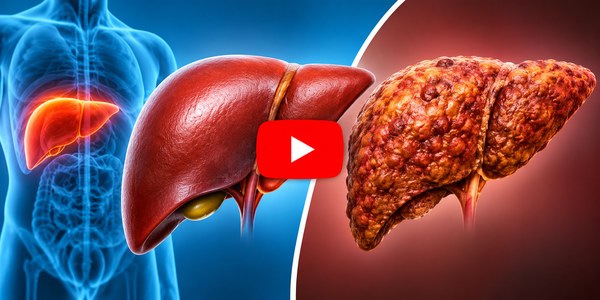
👉 DON’T TRY THIS “HOW DOES CIRRHOSIS AFFECT LIVER FUNCTION” UNTIL YOU SEE THIS
This guide explains how cirrhosis damages the liver, which symptoms deserve attention, whether liver function can improve, and what current research says about treatment and popular detox remedies.
What Is Cirrhosis of the Liver?
Cirrhosis is advanced liver scarring caused by repeated injury and inflammation.
As healthy tissue becomes replaced by fibrosis and regenerative nodules, the liver’s structure changes and normal circulation becomes increasingly difficult.
Common causes include alcohol-related liver disease, chronic hepatitis B or C, and metabolic dysfunction-associated steatotic liver disease, previously associated with the term nonalcoholic fatty liver disease.
Autoimmune liver diseases, inherited disorders, and prolonged bile duct injury can also cause cirrhosis. Identifying the cause matters because effective treatment may prevent further damage.
How Does Cirrhosis Affect Liver Function?
The liver performs hundreds of tasks supporting digestion, circulation, immunity, and energy balance. Cirrhosis disrupts several functions simultaneously, although the severity differs between patients.
1. Reduced Toxin Removal
A healthy liver processes medications and helps convert ammonia into urea for elimination. Scarring reduces functioning liver tissue and may divert blood around the organ.
When toxins accumulate, some patients develop hepatic encephalopathy, which can cause sleep changes, poor concentration, confusion, or severe drowsiness.
2. Lower Albumin Production
Albumin is a protein the liver produces that helps keep fluid inside blood vessels. Advanced cirrhosis may reduce albumin production.
Combined with portal hypertension and hormonal changes, this contributes to leg swelling and ascites, meaning fluid buildup inside the abdomen.
3. Abnormal Blood Clotting
The liver produces numerous proteins involved in coagulation. Cirrhosis changes their production and can reduce platelet counts through portal hypertension.
Importantly, patients may face both bleeding and blood clot risks. An abnormal INR alone does not accurately predict every bleeding event.
4. Impaired Bilirubin Processing
The liver normally processes bilirubin, a pigment formed during red blood cell breakdown. Reduced liver function can allow bilirubin to accumulate.
This may cause yellow skin or eyes, dark urine, itching, and sometimes pale stools. Jaundice requires medical evaluation.
👉 DON’T TRY THIS “HOW DOES CIRRHOSIS AFFECT LIVER FUNCTION” UNTIL YOU SEE THIS
5. Disrupted Digestion and Metabolism
Cirrhosis can disrupt bile flow, blood sugar regulation, nutrient storage, and medication metabolism.
Some people develop muscle wasting, poor appetite, vitamin deficiencies, or unstable glucose levels. These problems can worsen fatigue and recovery.
6. Increased Portal Vein Pressure
Scar tissue restricts blood flow through the liver, producing portal hypertension. Pressure may enlarge veins in the esophagus or stomach.
These varices can rupture and cause life-threatening bleeding. Portal hypertension also contributes to ascites and spleen enlargement.
Early Symptoms of Cirrhosis
Early cirrhosis may cause no obvious symptoms. Some people learn they have liver scarring after routine laboratory testing or ultrasound.
Possible symptoms include:
- Persistent fatigue and weakness
- Reduced appetite or unexplained weight loss
- Itchy skin or abdominal discomfort
- Easy bruising
- Loss of muscle strength
These symptoms have many possible causes and cannot confirm cirrhosis without testing.
Advanced Cirrhosis Symptoms: When Is It Serious?
As liver damage progresses, warning signs may include jaundice, a swollen abdomen, leg edema, increasing confusion, and significant muscle loss.
Vomiting blood, passing black stools, or developing sudden confusion requires emergency care. Fever with ascites or severe abdominal pain also needs urgent assessment because infection can develop rapidly.
Do not wait for yellow eyes before seeking help. Significant cirrhosis may exist without visible jaundice.
Compensated vs. Decompensated Cirrhosis
Compensated Cirrhosis
Compensated cirrhosis means the liver still performs enough essential functions to avoid major clinical complications. Patients may feel relatively well despite extensive scarring.
Treatment can help maintain stability, but regular surveillance remains necessary.
Decompensated Cirrhosis
Decompensated cirrhosis develops when complications such as ascites, variceal bleeding, or hepatic encephalopathy appear.
This stage generally carries greater health risks and may prompt evaluation for liver transplantation.
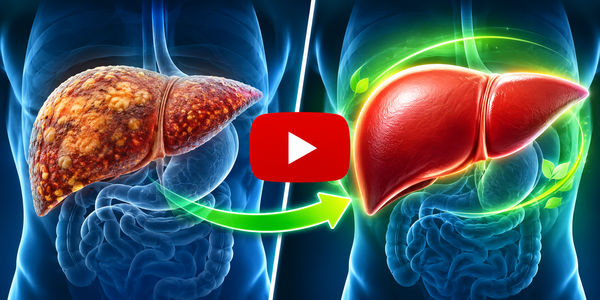
👉 DON’T TRY THIS “HOW DOES CIRRHOSIS AFFECT LIVER FUNCTION” UNTIL YOU SEE THIS
Can Liver Function Improve After Cirrhosis?
Yes, liver function sometimes improves when the underlying injury is controlled. Examples include successful hepatitis C treatment, complete alcohol abstinence, and management of metabolic risk factors.
Some fibrosis may regress, and selected patients with previous decompensation may achieve recompensation. Nevertheless, improvement does not guarantee that cirrhosis has disappeared.
Even with better blood tests, patients may still need screening for liver cancer and portal hypertension complications.
How Do Doctors Test Liver Function in Cirrhosis?
Doctors assess liver health using several tests rather than relying on a single enzyme result.
- Bilirubin evaluates pigment processing.
- Albumin helps assess protein production.
- INR reflects clotting factor activity.
- Platelet counts may suggest portal hypertension.
- Ultrasound and elastography assess liver structure and stiffness.
Clinicians may also calculate Child-Pugh or MELD scores to estimate severity and guide treatment decisions.
Normal ALT and AST levels do not exclude advanced cirrhosis. Imaging, clinical history, and functional testing must be considered together.
Best Treatments for Cirrhosis and Liver Damage
Treatment depends on the cause, severity, and complications. Antiviral medications can treat certain hepatitis infections, while alcohol abstinence is essential for alcohol-related disease.
Clinicians may prescribe carvedilol or another appropriate beta-blocker to reduce portal hypertension risks. Diuretics and dietary sodium restriction help selected patients with ascites.
Lactulose, sometimes combined with rifaximin, treats hepatic encephalopathy. Endoscopic procedures can manage dangerous varices.
Advanced disease may require transplantation. Medication choices must be individualized because some drugs become unsafe when liver or kidney function declines.
Viral Liver Detox Hacks: What Actually Works?
Online videos often claim that lemon water, apple cider vinegar, castor oil packs, coffee cleanses, or herbal teas reverse cirrhosis.
No convincing clinical evidence shows these remedies remove established cirrhotic scar tissue. Some supplements can actually cause liver injury or interact with prescribed medications.
Milk thistle remains popular, but evidence does not show it reverses cirrhosis or prevents major complications.
Newer research instead emphasizes preventing decompensation, improving portal hypertension management, and treating the original liver disease.
👉 DON’T TRY THIS “HOW DOES CIRRHOSIS AFFECT LIVER FUNCTION” UNTIL YOU SEE THIS
Diet and Lifestyle Tips for Cirrhosis
Adequate nutrition helps protect muscle mass and overall health. Most patients need sufficient protein rather than severe protein restriction.
Eating regular meals and a late evening snack may reduce prolonged fasting. People with ascites often need medically guided sodium restriction.
Avoid alcohol completely, review supplements with a clinician, and ask about hepatitis vaccinations and recommended exercise.
Do not begin aggressive fasting, extreme detox diets, or unprescribed diuretics. These approaches may worsen dehydration, malnutrition, or kidney problems.
Liver Cancer Screening and Follow-Up
People with cirrhosis face an increased risk of hepatocellular carcinoma, even when symptoms improve.
Many guidelines recommend liver ultrasound approximately every six months, sometimes with an alpha-fetoprotein blood test.
Doctors may also assess whether endoscopy is needed to detect esophageal varices. Screening schedules depend on liver stiffness, platelet counts, medications, and previous findings.
Keeping appointments matters because complications can develop before symptoms appear.
Ask your clinician which results should prompt earlier testing and whether you need specialist review after hospitalization.
Conclusion
Cirrhosis affects liver function by damaging normal tissue, disrupting circulation, impairing toxin removal, reducing protein production, and increasing portal pressure.
These changes explain why patients may develop swelling, jaundice, bleeding, confusion, or metabolic problems.
Early diagnosis and treatment can slow progression and sometimes improve function.
Evidence-based medical care, adequate nutrition, alcohol avoidance, and regular surveillance are more reliable than viral detox claims.
The key takeaway is simple: cirrhosis is serious, but timely specialist care can protect remaining liver function and reduce preventable complications.
👉 DON’T TRY THIS “HOW DOES CIRRHOSIS AFFECT LIVER FUNCTION” UNTIL YOU SEE THIS
References
- Wikipedia – Cirrhosis
https://en.wikipedia.org/wiki/Cirrhosis
- Healthline – Cirrhosis: Causes, Symptoms, and Treatment
https://www.healthline.com/health/cirrhosis
- PubMed – Diagnosis and Management of Cirrhosis and Its Complications
https://pubmed.ncbi.nlm.nih.gov/37159031/
About Us
