
Japanese Trick for Sleep Apnea: Is It Effective?
Sleep apnea is a common sleep-related breathing disorder that affects millions of people worldwide. It occurs when breathing repeatedly stops and starts during sleep, often causing poor sleep quality, daytime tiredness, loud snoring, and difficulty staying focused.
As awareness of sleep health continues to grow, many people are searching for natural methods and simple techniques that may support better breathing at night.
One trending topic is the Japanese trick for sleep apnea, a phrase used online to describe certain Japanese-inspired sleep habits that may help improve breathing patterns, relaxation, and sleep quality.
These techniques often focus on nasal breathing, body position, relaxation methods, and healthy bedtime routines.
However, it is important to understand that no simple trick can eliminate sleep apnea. Sleep apnea is a medical condition that may require proper evaluation and treatment.
Still, some lifestyle approaches inspired by Japanese wellness practices may support healthier sleep habits and complement professional care.
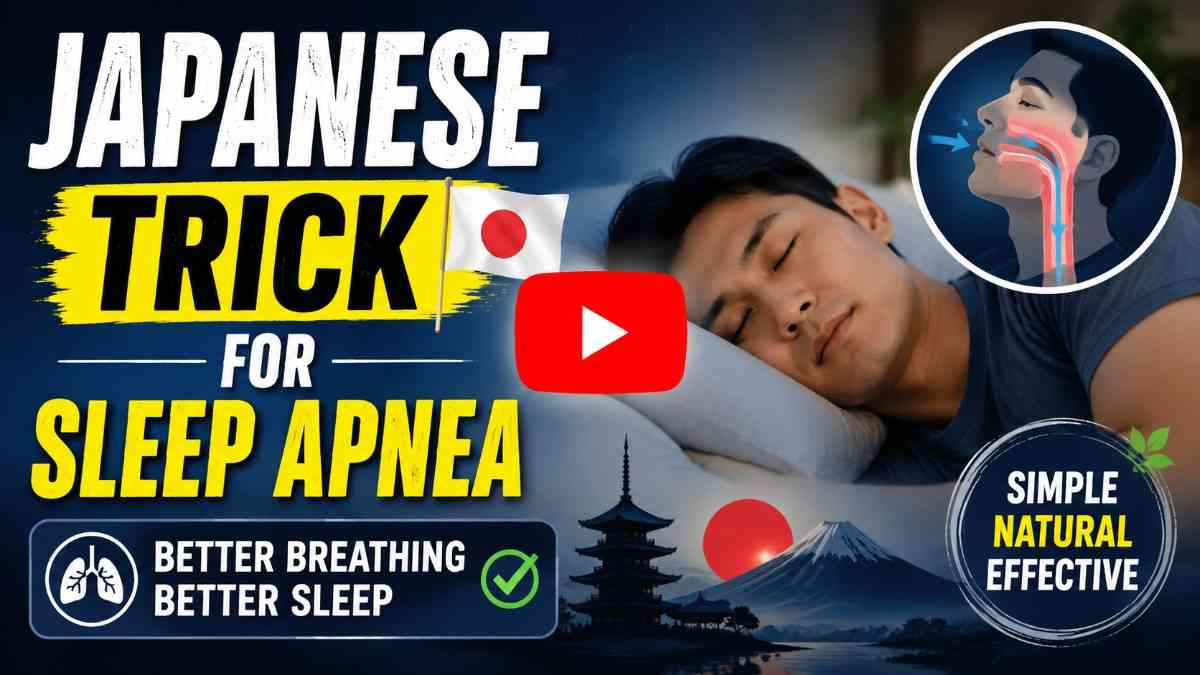

This article explains what the Japanese trick for sleep apnea means, how it may work, what science says about these methods, and which proven strategies can help people manage sleep-related breathing concerns.
What Is the Japanese Trick for Sleep Apnea?
The term “Japanese trick for sleep apnea” does not refer to a specific medical treatment or an officially recognized cure.
Instead, it is commonly used online to describe traditional Japanese-inspired habits that may encourage better sleep quality and improved breathing awareness.
Many of these approaches are based on simple principles found in Japanese wellness culture, including mindful breathing, maintaining good posture, creating a calm sleep environment, and supporting natural body rhythms.
One commonly discussed method involves practicing nasal breathing instead of mouth breathing. Breathing through the nose helps filter and warm the air before it reaches the lungs. It may also encourage a more stable breathing pattern during sleep.
Another part of this approach includes sleeping in positions that may reduce airway pressure. Since sleeping flat on the back can sometimes worsen airway obstruction for certain individuals, side sleeping is often recommended as a supportive habit.
The Japanese trick for sleep apnea is best viewed as a supportive lifestyle approach. It may help improve sleep habits and breathing awareness, but it should not replace medical evaluation or proven treatments for diagnosed sleep apnea.
Why Are People Searching for Japanese Sleep Methods?
Interest in Japanese sleep techniques has increased because many people are looking for simple, non-invasive ways to improve their nighttime habits.
Modern lifestyles often contribute to poor sleep through stress, irregular schedules, screen exposure, and reduced physical activity.
Japanese wellness practices often emphasize balance, consistency, and mindfulness. These principles may help create an environment that supports healthier sleep patterns.
People are especially interested in these techniques because they are:
- Simple to practice at home
- Cost-effective
- Focused on natural habits
- Easy to combine with other healthy routines
Many individuals experiencing snoring, restless sleep, or morning fatigue search for alternative methods before exploring professional care.
While lifestyle changes can support overall sleep health, persistent symptoms may indicate an underlying condition that requires attention.
How Does the Japanese Trick for Sleep Apnea Work?
The possible benefits of Japanese-inspired sleep habits come from supporting normal breathing mechanics and improving overall sleep conditions.
1. Encouraging Nasal Breathing
Nasal breathing is one of the main ideas associated with many breathing-focused sleep techniques. The nose plays an important role in respiratory function by filtering, warming, and humidifying incoming air.
Breathing through the nose may encourage slower and more controlled airflow. It may also support better oxygen exchange and reduce habits linked with excessive mouth breathing.
Some people naturally switch to mouth breathing during sleep because of nasal congestion, allergies, or airway concerns. Addressing these factors may help promote more comfortable breathing.
However, nasal breathing alone does not correct airway blockage caused by moderate or severe sleep apnea.
2. Supporting Better Sleeping Position
Body position can influence breathing during sleep. For some individuals, sleeping on the back may allow the tongue and soft tissues in the throat to move backward and narrow the airway.
Side sleeping is often suggested as a positional strategy because it may help maintain a more open airway compared with back sleeping.
Japanese-inspired sleep approaches often emphasize comfortable positioning and creating a relaxed sleeping posture.
Using supportive pillows, adjusting sleeping position, and maintaining proper alignment may improve comfort and reduce certain sleep disruptions.
3. Improving Relaxation Before Sleep
Stress and poor relaxation habits can interfere with sleep quality. Many Japanese wellness practices include calming routines before bedtime.
Examples include:
- Slow breathing exercises
- Gentle stretching
- Quiet evening routines
- Reduced exposure to stimulating activities
Relaxation does not directly treat airway obstruction, but it may help improve sleep preparation and overall sleep quality.
A consistent bedtime routine can support healthier sleep patterns and may help people feel more rested.
The Connection Between Breathing and Sleep Apnea
Sleep apnea occurs when airflow becomes restricted or stops during sleep. The most common type is obstructive sleep apnea, which happens when throat muscles relax too much and block airflow.
During normal sleep, muscles in the airway naturally relax. In some people, this relaxation causes narrowing of the breathing passage.
Common signs of sleep apnea may include:
- Loud and frequent snoring
- Pauses in breathing during sleep
- Waking up gasping
- Morning headaches
- Daytime sleepiness
- Trouble concentrating
Breathing techniques and lifestyle habits may support healthier breathing patterns, but they cannot always address physical airway obstruction.
This is why understanding the difference between supportive habits and medical treatment is important.
Can the Japanese Trick Cure Sleep Apnea?
The short answer is no. There is currently no scientific evidence showing that a Japanese sleep trick can cure sleep apnea.
Sleep apnea is a complex condition influenced by several factors, including:
- Airway structure
- Body weight
- Age
- Muscle tone
- Genetics
- Nasal breathing issues
Lifestyle habits may help reduce certain risk factors and improve sleep quality, but they are not a replacement for professional diagnosis.
People with symptoms of sleep apnea should consider speaking with a healthcare professional. A sleep evaluation can help determine the severity of the condition and identify appropriate treatment options.
Natural Ways That May Support Better Sleep Breathing
While the Japanese trick itself is not a medical solution, several healthy habits may support better sleep breathing.
➢ Maintain a Healthy Sleep Schedule
A consistent sleep routine helps regulate the body’s internal clock. Going to bed and waking up at similar times each day may improve overall sleep quality.
Irregular sleep patterns can affect sleep depth and make it harder for the body to maintain healthy rest cycles.
➢ Practice Healthy Breathing Habits
Breathing exercises during the day may increase awareness of breathing patterns.
Simple practices may include:
- Slow controlled breathing
- Relaxed nasal breathing
- Mindful breathing exercises
These techniques may support relaxation and respiratory awareness.
➢ Keep the Sleeping Environment Comfortable
A sleep-friendly environment can influence rest quality.
Helpful steps include:
- Keeping the bedroom quiet
- Maintaining a comfortable temperature
- Reducing nighttime light exposure
- Limiting electronic device use before bed
Creating a calm environment supports natural sleep processes.
➢ Exercise Regularly
Physical activity supports overall health and may benefit sleep quality.
Regular exercise can help maintain healthy body weight, improve energy levels, and support better cardiovascular function.
However, exercise should be combined with appropriate medical care when sleep apnea symptoms are present.
Proven Medical Approaches for Sleep Apnea
For people diagnosed with sleep apnea, several evidence-based treatments are available.
➢ Continuous Positive Airway Pressure (CPAP)
CPAP is one of the most commonly recommended treatments for obstructive sleep apnea. It uses gentle air pressure to help keep the airway open during sleep.
Many people experience improved sleep quality and reduced daytime symptoms when using CPAP as directed.
➢ Oral Appliance Therapy
Some individuals may benefit from specially designed oral devices. These devices help adjust jaw or tongue positioning to support airway openness.
A qualified healthcare provider can determine whether this option is appropriate.
➢ Lifestyle Changes
Lifestyle improvements may support sleep apnea management.
These may include:
- Maintaining a healthy weight
- Avoiding alcohol close to bedtime
- Staying physically active
- Managing nasal congestion
These habits can support overall wellness and may improve sleep quality.

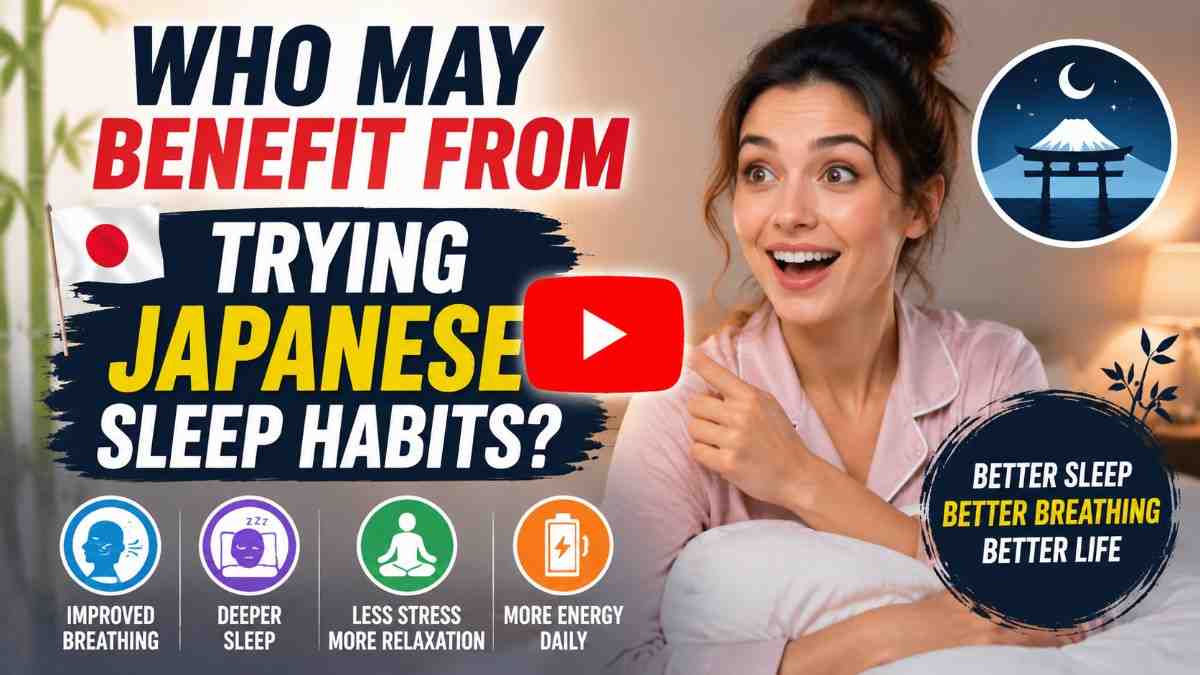
Who May Benefit From Trying Japanese Sleep Habits?
Japanese-inspired sleep practices may be useful for people who want to improve their general sleep routine.
They may be helpful for individuals who:
- Want better bedtime habits
- Experience occasional poor sleep
- Prefer natural relaxation techniques
- Want to improve breathing awareness
However, people with frequent breathing interruptions, severe snoring, or excessive daytime fatigue should seek medical guidance.
Important Things to Know Before Trying the Japanese Trick
Many online trends promise quick solutions for health concerns. Sleep apnea requires careful understanding because untreated cases may affect overall health.
Before relying on any natural technique, consider:
- How often symptoms occur
- Whether breathing stops during sleep
- How tired you feel during the day
- Whether symptoms are getting worse
A simple breathing habit may support wellness, but it should not delay proper diagnosis.
Final Thoughts: Is the Japanese Trick for Sleep Apnea Worth Trying?
The Japanese trick for sleep apnea represents a collection of simple lifestyle practices focused on better breathing habits, relaxation, and improved sleep routines.
Techniques such as nasal breathing, side sleeping, and mindful bedtime habits may support healthier sleep patterns.
However, these methods should be viewed as supportive practices, not a replacement for medical treatment. Sleep apnea involves airway changes that may require professional evaluation and targeted solutions.
For people with mild sleep concerns, adopting healthier sleep habits may improve comfort and overall rest. For those experiencing loud snoring, breathing pauses, or daytime exhaustion, seeking medical advice is an important step.
Understanding the difference between natural support and proven treatment can help individuals make better decisions about their sleep health.
References
.
About Us
