
7 Signs Your Liver Is Healing: Symptoms & Recovery
The 7 signs your liver is healing include improved energy, better appetite, reduced abdominal discomfort, fading jaundice, improved digestion, less fluid retention, and healthier liver blood test results.
These changes may indicate recovery from fatty liver disease, alcohol-related liver damage, or inflammation.
However, liver recovery does not always produce noticeable symptoms. Some individuals improve significantly without visible changes, making medical testing essential.
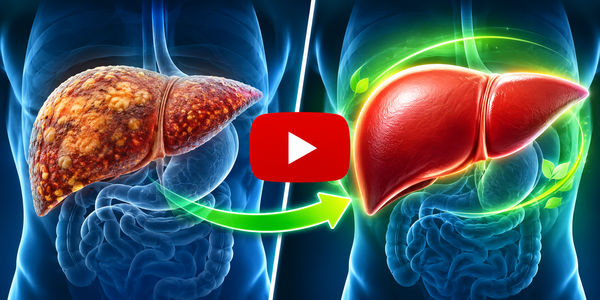
👉 DON’T TRY THIS “7 EARLY SIGNS YOUR LIVER IS HEALING” UNTIL YOU SEE THIS
Understanding early liver healing symptoms, liver regeneration, recovery timelines, and effective lifestyle changes helps distinguish genuine improvement from misleading detox claims.
What Happens When Your Liver Starts Healing?
The liver processes nutrients, produces bile, regulates metabolism, stores vitamins, and removes harmful substances from the bloodstream.
Unlike many organs, it possesses remarkable regenerative abilities. When harmful exposures decrease, surviving liver cells can multiply and restore some lost function.
Recovery depends on the underlying condition, inflammation severity, existing scarring, and treatment effectiveness.
Fatty liver changes may improve substantially, while advanced cirrhosis can leave permanent damage despite successful treatment.
7 Signs Your Liver Is Healing Naturally
1. Your Energy Levels Start Improving
Persistent fatigue commonly accompanies chronic liver disease because inflammation, nutritional problems, and metabolic disturbances can affect overall well-being.
During recovery, some individuals notice improved stamina, better concentration, and reduced daytime tiredness.
These improvements may follow successful treatment, better nutrition, or abstinence from alcohol.
However, increased energy alone cannot confirm liver regeneration because sleep, stress, and other medical conditions influence fatigue.
Healing tip: Maintain consistent sleeping hours, eat balanced meals, and gradually increase physical activity.
2. Your Appetite Returns to Normal
Liver inflammation sometimes causes nausea, reduced appetite, early fullness, and unintended weight loss.
As the underlying condition improves, eating may become more comfortable and appetite may gradually return.
Better nutritional intake can also support muscle maintenance and overall recovery.
Nevertheless, appetite improvement is not a reliable standalone indicator of liver healing.
Healing tip: Include vegetables, fruits, whole grains, lean proteins, and healthy fats in regular meals.
👉 DON’T TRY THIS “7 EARLY SIGNS YOUR LIVER IS HEALING” UNTIL YOU SEE THIS
3. Upper Right Abdominal Discomfort Decreases
Some liver conditions cause discomfort beneath the right rib cage, particularly when inflammation enlarges the liver.
As inflammation decreases, associated pressure or discomfort may become less noticeable.
However, many liver diseases remain painless, even when substantial damage exists.
Persistent abdominal pain may also involve gallbladder problems, digestive disorders, or other conditions requiring evaluation.
Healing tip: Avoid alcohol and seek medical advice when abdominal discomfort persists or worsens.
4. Yellowing of Your Eyes and Skin Improves
Jaundice develops when bilirubin accumulates in the bloodstream, causing yellow discoloration of the eyes or skin.
When treatment improves bilirubin processing or resolves an underlying problem, visible yellowing may gradually decrease.
Dark urine associated with elevated bilirubin may also improve.
However, jaundice can indicate serious liver disease, bile duct obstruction, or blood disorders.
Healing tip: Arrange medical evaluation for new jaundice rather than relying on homemade cleansing drinks.
5. Your Digestion Becomes More Comfortable
The liver produces bile, which supports fat digestion and absorption of certain vitamins.
Some liver and bile duct conditions cause nausea, digestive discomfort, or changes in stool appearance.
Successful treatment may improve these associated symptoms.
Nevertheless, reduced bloating, regular bowel movements, or improved digestion alone cannot prove liver tissue regeneration.
Healing tip: Choose balanced meals, eat enough fiber, and stay well hydrated throughout recovery.
6. Swelling in Your Abdomen or Legs Reduces
Advanced liver disease can cause fluid accumulation in the abdomen, called ascites, and swelling around the ankles.
When prescribed treatment successfully controls fluid retention, abdominal swelling and leg edema may decrease.
This improvement can indicate better management of liver complications.
However, reduced swelling does not necessarily mean existing liver scarring has reversed.
Healing tip: Follow prescribed sodium restrictions and medications instead of experimenting with herbal diuretics.
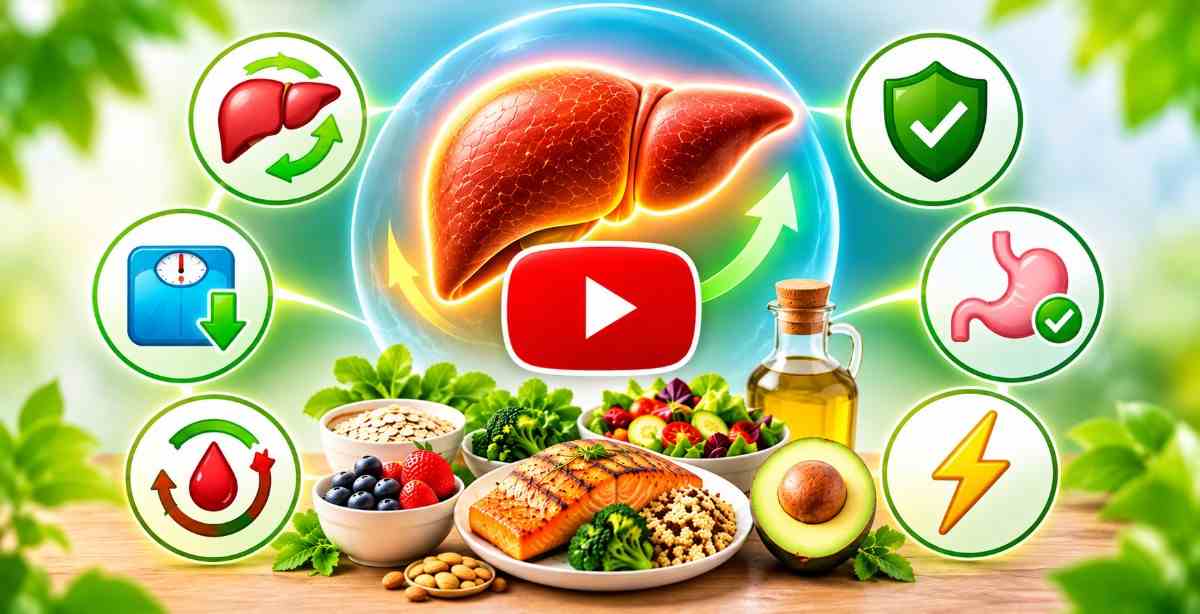
👉 DON’T TRY THIS “7 EARLY SIGNS YOUR LIVER IS HEALING” UNTIL YOU SEE THIS
7. Your Liver Blood Test Results Improve
Improving laboratory findings provide stronger evidence of recovery than changes in energy or appearance.
Doctors frequently monitor ALT, AST, bilirubin, albumin, and the international normalized ratio, commonly called INR.
Declining ALT and AST may indicate reduced liver cell injury when interpreted alongside other findings.
Improving bilirubin, albumin, and INR can provide additional information about liver function.
However, normal enzyme levels cannot completely exclude advanced fibrosis or cirrhosis.
Healing tip: Compare repeat laboratory results with your healthcare professional to understand meaningful changes.
How Long Does It Take for Your Liver to Heal?
Liver healing timelines depend on the cause and severity of damage.
Some alcohol-related fatty changes can improve within weeks of abstinence, while metabolic fatty liver improvement often requires several months.
Inflammation and fibrosis may take longer to improve, and advanced cirrhosis may not fully reverse.
Recent research also highlights that sustained weight management and alcohol abstinence can improve outcomes in selected patients.
No universal seven-day or thirty-day liver recovery schedule exists.
How to Support Liver Healing Naturally
The most effective liver recovery strategies address underlying causes rather than temporarily changing symptoms.
- Avoid alcohol: Abstinence helps prevent additional alcohol-related liver injury.
- Choose Mediterranean-style foods: Emphasize vegetables, legumes, whole grains, fish, and unsaturated fats.
- Exercise regularly: Combine walking, aerobic exercise, and strength training when medically appropriate.
- Manage metabolic health: Control diabetes, cholesterol, blood pressure, and excess body weight.
- Review medications: Discuss supplements and potentially harmful medicines with your clinician.
Gradual, sustainable lifestyle changes are generally preferable to restrictive detox programs.
👉 DON’T TRY THIS “7 EARLY SIGNS YOUR LIVER IS HEALING” UNTIL YOU SEE THIS
Viral Liver Detox Hacks: What Actually Works?
Social media frequently promotes lemon water, beetroot juice, turmeric shots, coffee cleanses, and overnight liver detox recipes.
Although these foods may contain beneficial nutrients, consuming them does not establish that liver damage is reversing.
Coffee consumption has been associated with favorable liver outcomes in observational studies, but it cannot replace medical treatment.
Likewise, concentrated turmeric supplements have occasionally been associated with liver injury.
Juice-only diets and extreme fasting can create nutritional problems without providing proven liver regeneration benefits.
The better approach: Address alcohol exposure, metabolic risk factors, viral hepatitis, and other underlying causes through appropriate care.
How Can You Confirm Your Liver Is Recovering?
Doctors may recommend repeat blood tests, ultrasound examinations, or transient elastography, commonly called FibroScan.
These assessments help evaluate liver inflammation, fat accumulation, stiffness, and possible fibrosis.
For metabolic dysfunction-associated steatotic liver disease, clinicians may calculate fibrosis risk scores using laboratory findings.
Successful recovery involves sustained improvement in clinical findings and reduced future liver injury.
One normal blood test cannot establish complete recovery.
Common Mistakes That Delay Liver Recovery
Many people assume that feeling healthier means their liver has completely regenerated.
Other mistakes include restarting alcohol, using unregulated detox products, ignoring abnormal blood tests, and stopping prescribed treatment.
Rapid weight loss or extreme dietary restrictions may also create unnecessary health risks.
Seek urgent medical attention for confusion, vomiting blood, black stools, severe jaundice, or rapidly worsening abdominal swelling.
These symptoms can indicate potentially serious complications.
Conclusion
Recognizing the 7 signs your liver is healing can help identify potential improvements in energy, appetite, digestion, jaundice, abdominal discomfort, swelling, and blood test results.
However, these changes are possible indicators, not definitive proof of complete recovery.
The most reliable approach combines medical monitoring, treatment of underlying conditions, alcohol avoidance, balanced nutrition, and sustainable lifestyle improvements.
Final takeaway: Your liver may recover significantly when you reduce ongoing injury. Focus on consistent healthy habits and objective medical findings rather than quick detox promises or temporary symptom changes.
👉 DON’T TRY THIS “7 EARLY SIGNS YOUR LIVER IS HEALING” UNTIL YOU SEE THIS
References
- Wikipedia – Liver Regeneration
https://en.wikipedia.org/wiki/Liver_regeneration
- Healthline – Everything to Know About Fatty Liver Disease
https://www.healthline.com/health/fatty-liver
- PubMed – Impact of Weight Loss and Lifestyle Modifications on Liver Fibrosis
https://pubmed.ncbi.nlm.nih.gov/40777630/
About Us
