
7 Foods to Lower Blood Pressure Naturally: Best Foods to Eat
High blood pressure, also known as hypertension, affects millions of adults worldwide and is a major risk factor for heart disease, stroke, kidney problems, and other cardiovascular complications.
Because hypertension often develops without noticeable symptoms, many people remain unaware of their condition until a routine medical examination.
Fortunately, dietary improvements can play an important role in managing blood pressure and supporting long-term cardiovascular health.
7 Foods to Lower Blood Pressure Naturally explores heart-healthy foods that may help support healthy blood pressure and improve cardiovascular wellness.
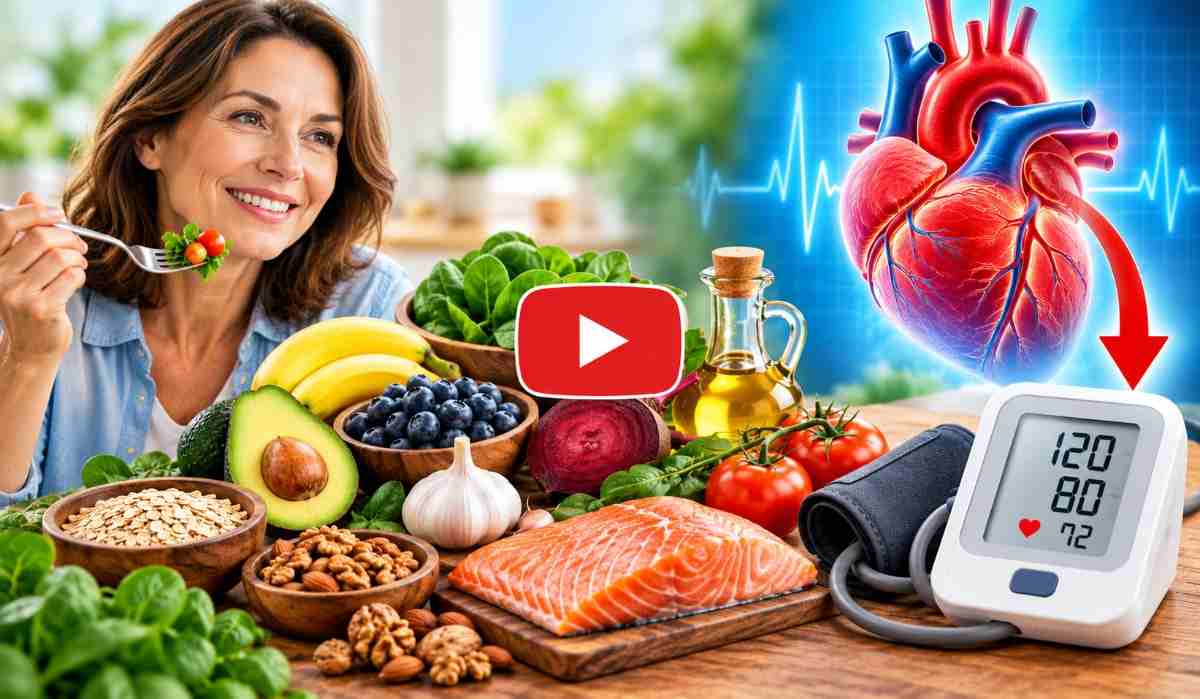
👉 DON’T TRY THIS “7 FOODS TO LOWER BLOOD PRESSURE NATURALLY” UNTIL YOU SEE THIS
Choosing nutrient-rich foods, reducing excess sodium, and maintaining a balanced eating pattern can help improve blood vessel function and circulation.
Understanding the 7 foods to lower blood pressure can help individuals make healthier food choices without relying on complicated diets or restrictive eating plans.
Certain foods contain potassium, magnesium, fiber, antioxidants, omega-3 fatty acids, and natural plant compounds that support normal cardiovascular function.
What Is High Blood Pressure?
Blood pressure measures the force exerted by circulating blood against artery walls as the heart pumps blood throughout the body.
A blood pressure reading contains two numbers. Systolic pressure represents the force when the heart contracts, while diastolic pressure measures arterial pressure when the heart relaxes between beats.
When blood pressure remains consistently elevated, the heart must work harder to circulate blood. Over time, this additional strain can damage blood vessels and increase cardiovascular risks.
Understanding Blood Pressure Levels
| Category | Systolic Pressure | Diastolic Pressure |
|---|---|---|
| Normal | Below 120 | Below 80 |
| Elevated | 120–129 | Below 80 |
| Stage 1 Hypertension | 130–139 | Or 80–89 |
| Stage 2 Hypertension | 140 or higher | Or 90 or higher |
| Severely Elevated | Higher than 180 | And/or higher than 120 |
Blood pressure can fluctuate throughout the day because of physical activity, stress, caffeine consumption, and other factors. Repeated measurements provide a more reliable picture than a single reading.
👉 DON’T TRY THIS “7 FOODS TO LOWER BLOOD PRESSURE NATURALLY” UNTIL YOU SEE THIS
How Can Foods Help Lower Blood Pressure?
Food influences blood pressure through several interconnected biological processes, including fluid balance, blood vessel relaxation, inflammation, and cardiovascular metabolism.
Potassium helps the body manage sodium and supports normal muscle and nerve function. Magnesium contributes to healthy blood vessel function, while dietary fiber supports cholesterol management and overall cardiovascular wellness.
Certain vegetables also contain naturally occurring nitrates, which the body can convert into nitric oxide. This compound helps blood vessels relax and supports healthy circulation.
Antioxidants found in fruits and vegetables may protect cells from oxidative stress, while omega-3 fatty acids support cardiovascular health.
The greatest benefits generally come from combining these nutrients within an overall heart-healthy eating pattern rather than focusing on one individual ingredient.
7 Best Foods to Lower Blood Pressure Naturally
The following seven foods offer valuable nutrients that may support healthier blood pressure levels when consumed regularly as part of a balanced diet.
1. Leafy Green Vegetables
Leafy green vegetables are among the most beneficial foods for cardiovascular wellness because they contain potassium, magnesium, dietary nitrates, and antioxidants.
Potassium supports sodium balance, while naturally occurring nitrates in certain leafy greens may help promote blood vessel relaxation.
Benefits of Leafy Greens
-
Support normal blood vessel function.
-
Provide potassium and magnesium.
-
Contribute to healthy circulation.
-
Supply antioxidants that protect cells.
-
Support balanced, heart-healthy eating habits.
How to Include Leafy Greens in Your Diet
Add spinach to morning omelets, prepare fresh salads, blend greens into smoothies, or serve lightly cooked vegetables alongside lunch and dinner.
Individuals taking warfarin should maintain consistent vitamin K intake and discuss major dietary changes with their healthcare provider.
👉 DON’T TRY THIS “7 FOODS TO LOWER BLOOD PRESSURE NATURALLY” UNTIL YOU SEE THIS
2. Berries
Berries are naturally rich in antioxidants, fiber, vitamins, and plant compounds that may benefit cardiovascular health.
Blueberries, strawberries, raspberries, and blackberries contain anthocyanins, which give many berries their distinctive red, purple, and blue colors.
These compounds have been studied for their potential effects on blood vessel function, inflammation, and oxidative stress.
Although research suggests that berries may support vascular health, their blood pressure effects vary, and they should not be considered a replacement for hypertension treatment.
Benefits of Berries
-
Provide antioxidant-rich plant compounds.
-
Support healthy blood vessel function.
-
Contribute dietary fiber.
-
Offer naturally sweet alternatives to sugary desserts.
-
Support overall cardiovascular nutrition.
Best Ways to Eat Berries
Frozen berries without added sugar are another convenient option, particularly when fresh produce is unavailable.
Choose whole berries more often than sweetened juices or syrups to retain their natural fiber and avoid unnecessary added sugar.
3. Oats and Whole Grains
Oats are an excellent breakfast choice for people interested in maintaining healthy blood pressure and improving cardiovascular nutrition.
They contain beta-glucan, a soluble fiber associated with healthier cholesterol levels. Whole grains also provide magnesium and other nutrients that support cardiovascular wellness.
Replacing refined grains with whole grains can improve overall dietary quality and help maintain a healthy body weight.
Benefits of Oats
-
Support healthy cholesterol levels.
-
Provide beneficial soluble fiber.
-
Promote digestive wellness.
-
Help maintain fullness between meals.
-
Contribute to a heart-healthy eating pattern.
How to Eat Oats
Prepare plain oatmeal with low-fat milk or an unsweetened fortified alternative. Add berries, cinnamon, or chopped nuts for additional nutrients.
Avoid instant oatmeal products containing excessive added sugar or sodium. Other beneficial whole grains include barley, quinoa, brown rice, and whole-wheat products.
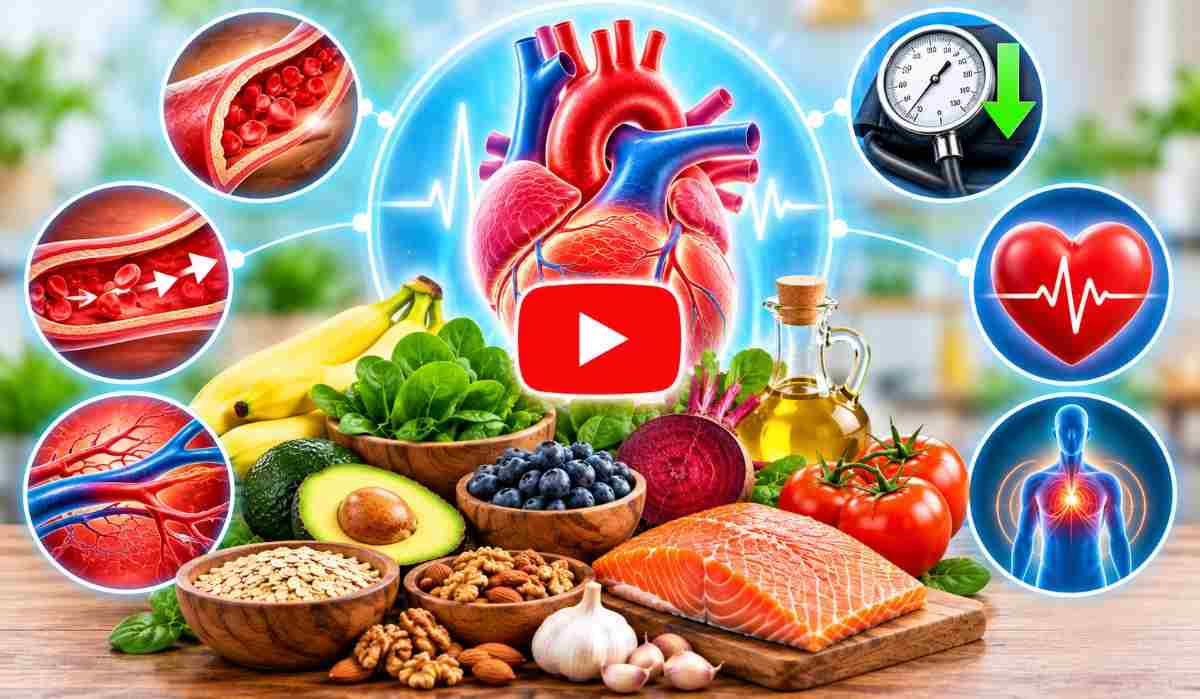
👉 DON’T TRY THIS “7 FOODS TO LOWER BLOOD PRESSURE NATURALLY” UNTIL YOU SEE THIS
4. Bananas and Potassium-Rich Fruits
Potassium helps regulate fluid balance and supports normal blood vessel function. Adequate potassium intake can also help counteract some of the blood pressure effects of excessive sodium.
A medium banana provides approximately 420 milligrams of potassium, making it a useful addition to a balanced diet.
Benefits of Bananas
-
Support normal sodium balance.
-
Provide potassium for cardiovascular function.
-
Contribute to healthy muscle activity.
-
Offer a convenient source of dietary fiber.
-
Help replace highly processed snacks.
Other Potassium-Rich Fruits
Oranges, apricots, cantaloupe, kiwifruit, and prunes also provide potassium and other beneficial nutrients.
Enjoy bananas with breakfast, blend them into unsweetened smoothies, or combine them with plain yogurt.
People with kidney disease or certain medication-related potassium restrictions should seek personalized guidance before increasing potassium-rich foods.
5. Beetroot
Beetroot has attracted attention for its naturally occurring dietary nitrates, which may support blood vessel relaxation.
After consumption, the body can convert some dietary nitrates into nitric oxide, a molecule involved in regulating vascular tone.
Some studies suggest beetroot juice may modestly reduce blood pressure, particularly systolic pressure, although findings vary.
Benefits of Beetroot
-
Supplies naturally occurring dietary nitrates.
-
Supports nitric oxide production.
-
May promote healthy blood vessel relaxation.
-
Provides antioxidants and folate.
-
Contributes to balanced vegetable intake.
How to Include Beetroot
Roast beetroot with olive oil, add cooked slices to salads, or blend small portions into vegetable smoothies.
Choose unsweetened beetroot products without unnecessary added sodium. People prone to certain kidney stones may need to moderate high-oxalate foods such as beetroot.
6. Salmon and Fatty Fish
Salmon is a nutrient-rich protein source containing omega-3 fatty acids, particularly EPA and DHA. Fatty fish also provides protein, vitamin B12, and other essential nutrients.
These fatty acids support cardiovascular health and may contribute to modest blood pressure improvements when consumed in appropriate amounts.
Replacing processed meats with fish can reduce saturated fat and sodium intake, depending on preparation methods.
Benefits of Salmon
-
Provides omega-3 fatty acids.
-
Supports normal cardiovascular function.
-
Offers high-quality protein.
-
Contributes to a balanced eating pattern.
-
Provides an alternative to processed meats.
Best Ways to Prepare Salmon
Bake, grill, or poach salmon using herbs, lemon, and modest amounts of olive oil.Pair it with vegetables and whole grains for a nutritious meal.
Choose fresh or appropriately packaged fish with minimal added salt, and follow applicable seafood safety recommendations.
👉 DON’T TRY THIS “7 FOODS TO LOWER BLOOD PRESSURE NATURALLY” UNTIL YOU SEE THIS
7. Unsalted Nuts and Seeds
Nuts and seeds provide unsaturated fats, magnesium, fiber, plant protein, and other nutrients associated with cardiovascular health.
Magnesium contributes to normal muscle and blood vessel function, while unsaturated fats support a heart-healthy dietary pattern.
Benefits of Nuts and Seeds
-
Supply beneficial unsaturated fats.
-
Provide magnesium and fiber.
-
Support healthy cholesterol levels.
-
Offer plant-based protein.
-
Help replace salty, highly processed snacks.
How to Include Them
Add a small handful of unsalted nuts to breakfast or enjoy them as an afternoon snack. Sprinkle ground flaxseed over oatmeal, add pumpkin seeds to salads, or combine walnuts with fresh fruit.
The DASH Diet: A Practical Approach to Lowering Blood Pressure
The Dietary Approaches to Stop Hypertension, commonly known as the DASH diet, is an eating plan developed specifically to support blood pressure management.
It emphasizes vegetables, fruits, whole grains, low-fat dairy products, beans, nuts, fish, and other nutritious foods.
The DASH approach also encourages reducing sodium, saturated fats, and added sugars. Unlike restrictive diets, DASH focuses on building balanced meals from familiar food groups.
For a typical 2,000-calorie eating plan, recommendations include several daily servings of vegetables, fruits, whole grains, and low-fat dairy, alongside appropriate portions of lean proteins.
Sample One-Day Meal Plan
This example combines the seven featured foods with additional nutrient-rich ingredients. Portions should be adjusted according to individual energy requirements and medical needs.

👉 DON’T TRY THIS “7 FOODS TO LOWER BLOOD PRESSURE NATURALLY” UNTIL YOU SEE THIS
Foods to Limit When Managing High Blood Pressure
Excessive sodium consumption can increase fluid retention and raise blood pressure, particularly in salt-sensitive individuals.
Foods worth limiting include processed meats, salty packaged snacks, high-sodium sauces, instant noodles, and heavily salted restaurant meals.
Sugary beverages, excessive alcohol, and foods rich in saturated fats may also contribute to cardiovascular risk.
The American Heart Association recommends limiting sodium to no more than 2,300 milligrams daily, with an ideal goal of approximately 1,500 milligrams for many adults.
How Long Does a Heart-Healthy Diet Take to Improve Blood Pressure?
Dietary changes may begin influencing blood pressure within several weeks, although individual responses differ.
Some people experience improvements relatively quickly after reducing sodium or adopting the DASH eating pattern.
Factors affecting results include starting blood pressure, genetics, age, kidney function, body weight, medication use, and dietary consistency.
Rather than expecting immediate results from individual foods, focus on sustainable improvements over several months.
Final Thoughts
Understanding the 7 foods to lower blood pressure can help individuals make informed dietary choices that support cardiovascular health and long-term wellness.
Leafy greens, berries, oats, bananas, beetroot, salmon, and unsalted nuts provide valuable nutrients associated with healthy circulation and normal blood vessel function.
Combining these foods with a balanced DASH-style eating pattern and reduced sodium intake may contribute to better blood pressure control.
Regular physical activity, adequate sleep, weight management, and consistent blood pressure monitoring further strengthen the benefits of heart-healthy nutrition.
Ultimately, sustainable dietary improvements and appropriate medical guidance offer a practical approach to protecting heart health and reducing hypertension-related complications.
👉 DON’T TRY THIS “7 FOODS TO LOWER BLOOD PRESSURE NATURALLY” UNTIL YOU SEE THIS
.
.
.
.
References
https://www.nhlbi.nih.gov/health/dash-eating-plan
https://ods.od.nih.gov/factsheets/Potassium-HealthProfessional/
https://www.nhlbi.nih.gov/health/heart-healthy-living/healthy-foods
.
.
.
About Us
