
7 Second Trick to Lower Blood Pressure: Does It Work?
The 7 second trick to lower blood pressure is a viral breathing technique that claims to reduce hypertension through slow exhalation, relaxation, and nervous system regulation.
Although controlled breathing may temporarily reduce stress-related blood pressure elevations, no scientific evidence confirms that seven seconds can instantly cure hypertension.
Millions of people search for natural ways to lower blood pressure quickly without medication.
Social media platforms increasingly promote breathing hacks, vagus nerve stimulation, pressure-point techniques, and short exercises promising immediate results.
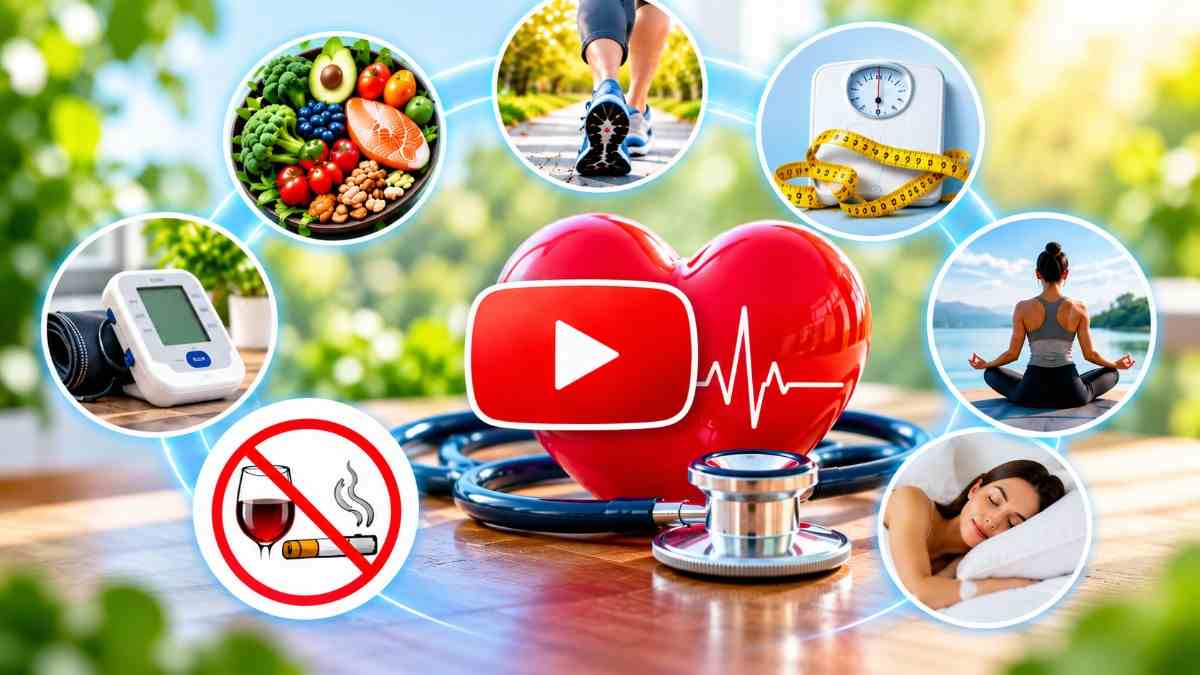
👉 DON’T TRY THIS “7 SECOND TRICK TO LOWER BLOOD PRESSURE” UNTIL YOU SEE THIS
Understanding which methods have scientific support, how they affect cardiovascular function, and when medical treatment is necessary helps distinguish useful wellness practices from misleading health claims.
What Is the 7 Second Trick to Lower Blood Pressure?
The seven-second blood pressure trick generally involves taking a gentle breath and slowly exhaling for approximately seven seconds.
Some variations recommend holding the breath, while others emphasize diaphragmatic breathing or relaxation.
The technique aims to influence the autonomic nervous system, which regulates heart rate, blood vessel activity, and blood pressure.
However, seven seconds is not a medically established treatment duration.
The potential benefits come from repeated, comfortable breathing exercises rather than a specific number of seconds.
How Does the 7 Second Breathing Trick Work?
Slow breathing influences communication between the brain, lungs, heart, and blood vessels.
During stress, the sympathetic nervous system increases alertness and may temporarily elevate blood pressure.
Controlled breathing can encourage parasympathetic activity, helping the body return toward a relaxed state.
✅ The Vagus Nerve Connection
The vagus nerve participates in regulating heart rate and several involuntary bodily functions.
Gentle breathing may influence vagal activity and heart rate variability, two factors associated with cardiovascular regulation.
However, stimulating the vagus nerve through breathing does not guarantee an immediate blood pressure reduction.
✅ Baroreflex Sensitivity
Baroreceptors detect changes in blood pressure and help regulate cardiovascular responses.
Repeated slow breathing may improve baroreflex sensitivity in certain individuals.
Researchers continue investigating whether these physiological improvements produce lasting reductions in hypertension-related complications.
👉 DON’T TRY THIS “7 SECOND TRICK TO LOWER BLOOD PRESSURE” UNTIL YOU SEE THIS
How to Perform the 7 Second Breathing Exercise
Try this simple relaxation routine while sitting comfortably.
- Sit upright: Support your back and relax your shoulders.
- Inhale slowly: Breathe gently through your nose for four seconds.
- Exhale for seven seconds: Release your breath gradually without straining.
- Repeat comfortably: Continue for approximately three to five minutes.
- Return to normal breathing: Stop if you feel dizzy or uncomfortable.
Avoid forceful breath-holding, especially if you have cardiovascular or respiratory conditions.
This exercise may support relaxation but should not replace prescribed hypertension treatment.
Can You Lower Blood Pressure in Just 7 Seconds?
Blood pressure naturally fluctuates throughout the day.
Stress, physical activity, caffeine, sleep, and emotional responses can influence individual readings.
Slow breathing may reduce tension, but effective hypertension management requires consistent interventions.
Scientific reviews suggest repeated breathing exercises can modestly reduce blood pressure in some individuals.
These findings do not establish that a single seven-second technique produces clinically significant results.
7 Viral Blood Pressure Hacks: What Actually Works?
1. The Seven-Second Exhalation Hack
A prolonged, comfortable exhalation may encourage relaxation and reduce stress-related cardiovascular activation.
Its benefits come from repeated practice, not instant results.
2. The 4-7-8 Breathing Method
This popular technique involves inhaling for 4 seconds, holding for 7 seconds, and exhaling for 8 seconds.
It may promote relaxation, although evidence specifically supporting its use for hypertension treatment remains limited.
People uncomfortable with breath-holding should avoid forcing the technique.
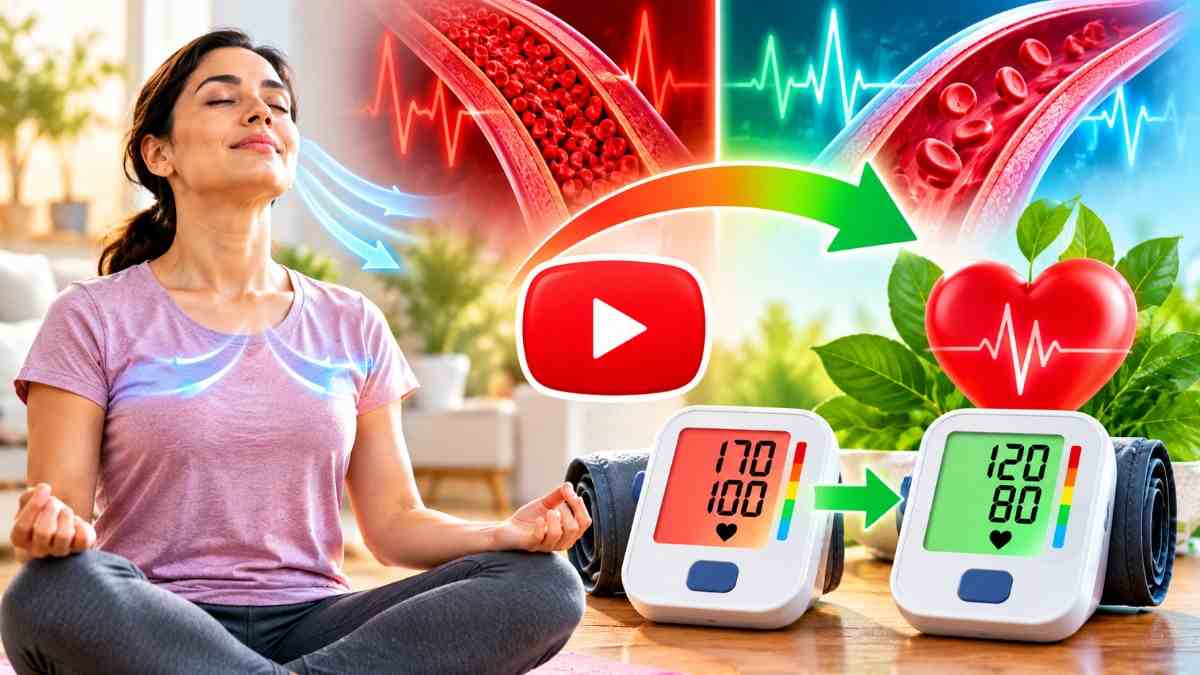
👉 DON’T TRY THIS “7 SECOND TRICK TO LOWER BLOOD PRESSURE” UNTIL YOU SEE THIS
3. The Five-Minute Breathing Exercise
Short breathing sessions are increasingly discussed as accessible practices for cardiovascular wellness.
Regular slow breathing may provide modest improvements in resting blood pressure.
Consistency matters more than completing one session.
4. The Vagus Nerve Humming Trick
Humming during exhalation may encourage slower breathing and relaxation.
However, claims that humming instantly opens arteries or eliminates hypertension lack convincing clinical evidence.
5. The Handgrip Exercise Hack
Isometric handgrip training involves repeatedly squeezing a specialized device under controlled conditions.
Structured training programs may reduce resting blood pressure over several weeks.
A single seven-second squeeze has no established therapeutic benefit.
6. The Cold Water Face Trick
Cold water exposure can trigger cardiovascular reflexes.
However, sudden cold exposure may increase blood pressure in some individuals.
It is not a recommended emergency treatment for hypertension.
7. The Five-Minute Movement Hack
Recent research highlights that replacing sedentary time with short periods of activity may support cardiovascular health.
Brisk walking and other suitable activities can help lower blood pressure when done consistently.
What Does Science Say About Breathing and Hypertension?
A systematic review involving 15 studies found that breathing exercises produced modest but statistically significant improvements in blood pressure.
Another review evaluating device-guided and non-device-guided breathing reported potential benefits for people with hypertension.
However, researchers identified differences in intervention duration, participant characteristics, and study quality.
Therefore, consider breathing exercises as complementary strategies rather than standalone treatments for hypertension.
👉 DON’T TRY THIS “7 SECOND TRICK TO LOWER BLOOD PRESSURE” UNTIL YOU SEE THIS
Natural Ways to Lower Blood Pressure Quickly and Safely
✅ Follow the DASH Diet
The DASH eating pattern emphasizes vegetables, fruits, whole grains, legumes, and appropriate low-fat dairy products.
Cutting back on sodium and processed foods can help manage blood pressure.
✅ Exercise Regularly
Walking, cycling, swimming, and resistance training support cardiovascular fitness.
Most adults should aim for about 150 minutes of moderate aerobic activity per week, when medically appropriate.
✅ Reduce Sodium Intake
Excess sodium can increase blood pressure, particularly among salt-sensitive individuals.
Choose lower-sodium products and limit heavily processed meals.
✅ Improve Sleep Quality
Poor sleep and untreated sleep apnea may contribute to hypertension.
Consistent sleep routines and appropriate medical evaluation can support cardiovascular health.
✅ Manage Stress
Meditation, comfortable breathing exercises, and regular physical activity may reduce stress-related blood pressure fluctuations.
These strategies work best alongside established medical care.
Common Mistakes With Viral Blood Pressure Tricks
Misleading online claims can encourage unsafe decisions.
❌️ Common mistakes include:
- Assuming breathing exercises permanently cure hypertension.
- Stopping prescribed medication after one normal reading.
- Holding the breath forcefully.
- Measuring blood pressure immediately after caffeine or exercise.
- Trusting unverified supplements promising instant results.
- Ignoring repeatedly elevated home readings.
Reliable monitoring and evidence-based treatment provide greater protection than viral shortcuts.

👉 DON’T TRY THIS “7 SECOND TRICK TO LOWER BLOOD PRESSURE” UNTIL YOU SEE THIS
How to Check Blood Pressure Correctly at Home
Use a validated upper-arm blood pressure monitor with an appropriately sized cuff.
Avoid caffeine, smoking, and exercise for approximately 30 minutes beforehand.
Sit quietly for five minutes with your feet flat, your back supported, and your arm at heart level.
Take two measurements approximately one minute apart and record the results.
Repeated measurements help healthcare professionals identify patterns and determine appropriate treatment.
When Is High Blood Pressure Dangerous?
A blood pressure reading above 180 systolic or 120 diastolic mmHg requires prompt attention.
Repeat the measurement after at least one minute.
If the reading remains severely elevated, seek urgent medical advice.
Call emergency services immediately when severe blood pressure elevation accompanies chest pain, breathing difficulty, sudden weakness, confusion, or vision changes.
Never delay emergency treatment to attempt breathing hacks.
Conclusion
The 7-second trick to lower blood pressure may encourage relaxation through slow breathing, but claims of an instant hypertension cure remain scientifically unsupported.
Regular breathing exercises can complement cardiovascular care, particularly alongside healthy eating, physical activity, adequate sleep, and stress management.
For meaningful long-term improvement, prioritize accurate blood pressure monitoring, sustainable lifestyle changes, and appropriate medical treatment.
The most effective approach isn’t a viral seven-second shortcut; it’s consistent, evidence-based blood pressure management.
👉 DON’T TRY THIS “7 SECOND TRICK TO LOWER BLOOD PRESSURE” UNTIL YOU SEE THIS
References
- Wikipedia – Hypertension: Causes, Symptoms, Diagnosis, and Treatment
https://en.wikipedia.org/wiki/Hypertension
- Healthline – 18 Effective Ways to Lower Your Blood Pressure
https://www.healthline.com/health/high-blood-pressure-hypertension/lower-it-fast
- PubMed – Effect of Breathing Exercises on Blood Pressure and Heart Rate: A Systematic Review and Meta-Analysis
https://pubmed.ncbi.nlm.nih.gov/38179185/
About Us
