Receiving a Parkinson’s disease diagnosis can bring many emotions, including fear, confusion, uncertainty, and concern about the future.
Many people immediately wonder what changes they need to make, how the disease will affect their daily lives, and what steps to take next.
While Parkinson’s disease is a long-term neurological condition, a diagnosis does not mean life stops. With proper medical care, lifestyle adjustments, support systems, and ongoing education, many people continue to live meaningful and active lives.
Learn what to do if you’re diagnosed with Parkinson’s disease, including treatment steps, lifestyle changes, support options, and daily care tips.

Parkinson’s disease affects the nervous system and primarily impacts movement, but it can also involve non-movement-related symptoms such as sleep changes, mood concerns, and changes in thinking.
The condition develops differently for each person, which means treatment and care plans must be personalized. If you or someone you love has recently been diagnosed with Parkinson’s disease, the most important step is to understand the condition and create a practical plan.
This guide explains what to do after a diagnosis, including finding the right healthcare team, managing symptoms, improving daily habits, protecting emotional health, and preparing for the future.
Understanding Your Parkinson’s Disease Diagnosis
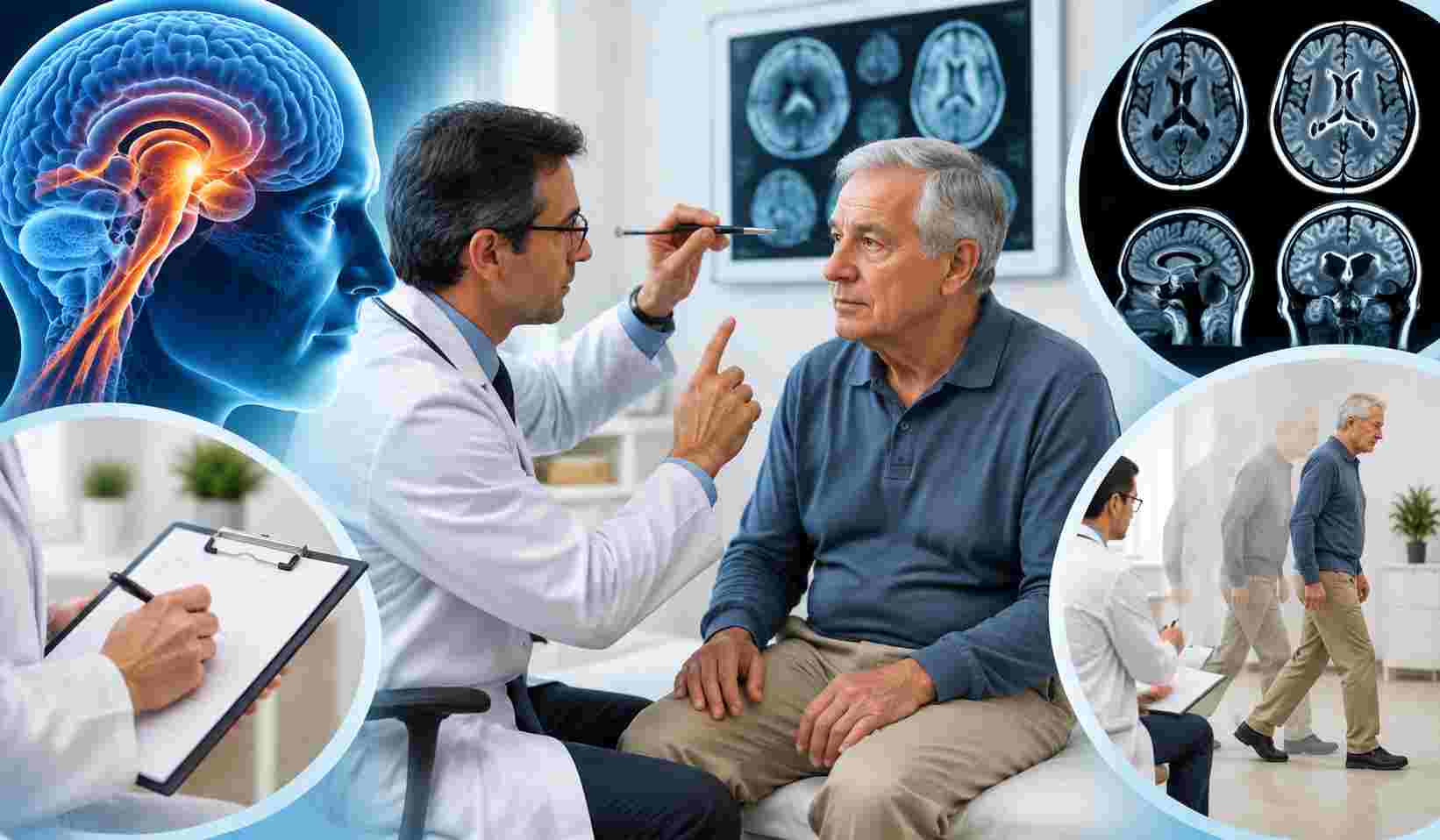
Doctors usually make a Parkinson’s disease diagnosis through a detailed medical evaluation. Doctors consider symptoms and medical history.
They also perform physical examinations and neurological assessments because there is currently no single test that can confirm Parkinson’s disease by itself.
Parkinson’s affects certain brain cells involved in producing dopamine, a chemical messenger that helps control movement. As dopamine
Producing cells become damaged over time, symptoms such as tremors, stiffness, slowed movement, and balance problems may develop.
After diagnosis, it is important to remember that Parkinson’s disease is different for every individual. Some people experience mild symptoms for years.
Others may notice changes more quickly. Your healthcare provider will evaluate your specific symptoms and create a treatment approach based on your needs.
A diagnosis is the beginning of a care journey, not the end of your independence.
1. Learn as Much as Possible About Parkinson’s Disease
One of the first things to do after receiving a Parkinson’s diagnosis is to educate yourself. Understanding the condition can reduce fear and help you make informed decisions about your health.
🔹 Learning about Parkinson’s can help you understand:
- Why certain symptoms occur
- How treatments work
- What lifestyle changes may help
- What questions to ask your doctor
- How to prepare for possible future changes
Reliable information from healthcare organizations, medical professionals, and Parkinson’s support groups can help you avoid misinformation and unrealistic expectations.
However, avoid spending too much time searching for frightening stories online. Parkinson’s progression varies widely, and another person’s experience may not represent your own.
2. Build a Parkinson’s Healthcare Team
After diagnosis, creating a strong healthcare team is one of the most important steps. Parkinson’s management often involves more than one healthcare professional because the condition can affect different areas of life.
🔹 Your healthcare team may include:
⬩➤ Neurologist or Movement Disorder Specialist
A neurologist who specializes in movement disorders can help monitor symptoms, adjust treatments, and provide specialized Parkinson’s care.
A movement disorder specialist may provide additional expertise in managing medication changes, movement symptoms, and long-term treatment planning.
⬩➤ Physical Therapist
Physical therapy can help maintain mobility, improve balance, strengthen muscles, and support safer movement.
⬩➤ Occupational Therapist
An occupational therapist can help modify daily activities and make home environments safer and easier to navigate.
⬩➤ Speech Therapist
Some people with Parkinson’s experience changes in speech, voice volume, or swallowing. Speech therapy can provide strategies to improve communication and swallowing safety.
⬩➤ Mental Health Professional
A counselor or therapist can help with emotional changes, stress, anxiety, and adjustment after diagnosis. A coordinated healthcare team helps address Parkinson’s from multiple perspectives rather than focusing only on movement symptoms.
3. Discuss Treatment Options With Your Doctor
Treatment for Parkinson’s disease focuses on managing symptoms and improving quality of life. Treatment plans are personalized because symptoms, lifestyle needs, and disease progression differ from person to person.
🔹 Your doctor may discuss several treatment approaches, including:
⬩➤ Medications
Parkinson’s medications are designed to help manage symptoms related to movement and other challenges. The choice of medication depends on your symptoms, age, health conditions, and daily needs. Your doctor may adjust medication over time because Parkinson’s symptoms can change.
⬩➤ Therapy Programs
Physical, occupational, and speech therapies can play an important role in maintaining independence and managing daily challenges.
⬩➤ Advanced Treatment Options
For some individuals with Parkinson’s disease, advanced treatments may be considered when symptoms become difficult to control. Your healthcare provider can explain whether these options are appropriate.
Never start, stop, or change Parkinson’s medications without speaking with your healthcare provider.

4. Start an Exercise Routine
Exercise is one of the most important lifestyle habits for people living with Parkinson’s disease.
🔹 Regular physical activity may help support:
- Balance
- Strength
- Flexibility
- Mobility
- Energy levels
- Emotional well-being
Exercise does not cure Parkinson’s disease, but staying physically active can help maintain function and support overall health. Parkinson’s organizations recommend including exercise as part of a comprehensive care plan.
🔹 Some activities people may consider include:
- Walking
- Stretching exercises
- Strength training
- Swimming
- Cycling
- Balance exercises
- Dance-based movement programs
Before starting a new exercise routine, discuss your plans with your healthcare provider, especially if you have balance problems or other health concerns.
5. Focus on a Balanced Diet
No specific diet cures Parkinson’s disease, but healthy nutrition can support overall wellness.
🔹 A balanced eating pattern may include:
⬩➤ Fruits and Vegetables
These provide vitamins, minerals, and antioxidants that support general health.
⬩➤ Whole Grains
Whole grains can provide long-lasting energy and support digestive health.
⬩➤ Lean Protein Sources
Protein supports muscle health, which is important for maintaining strength.
⬩➤ Healthy Fats
Sources such as nuts, seeds, and certain oils can support overall nutrition.
⬩➤ Adequate Hydration
Drinking enough water is important because some people with Parkinson’s may experience constipation or other digestive concerns.
A registered dietitian can help create a nutrition plan based on your symptoms, medications, and personal needs.
6. Pay Attention to Non-Movement Symptoms
Many people associate Parkinson’s disease only with tremors or movement problems, but the condition can also involve non-movement symptoms. These may include sleep changes, mood changes, digestive issues, and cognitive concerns.
🔹 Examples of symptoms to discuss with your healthcare provider include:
- Changes in sleep patterns
- Depression or anxiety
- Memory difficulties
- Fatigue
- Constipation
- Changes in speaking or swallowing
- Reduced sense of smell
Tracking these symptoms can help your doctor create a more complete treatment plan.
7. Keep a Parkinson’s Symptom Journal
A symptom journal can help you and your healthcare team better understand your condition.
🔹 You may record:
- Changes in movement
- Medication timing
- Side effects
- Sleep quality
- Mood changes
- Exercise activities
- Questions for appointments
A journal can make medical appointments more productive because you have clear information about changes over time.
🔹 Consider using:
- A notebook
- A smartphone application
- A calendar system
Consistency is more important than the method you choose.
8. Protect Your Emotional Health
A Parkinson’s diagnosis can affect emotional well-being. It is normal to feel sadness, frustration, anger, or worry.
🔹 Many people find emotional support helpful through:
- Counseling
- Support groups
- Conversations with family members
- Parkinson’s community programs
- Mindfulness activities
Don’t ignore emotional struggles. Mental health is an important part of Parkinson’s care.
Taking care of your emotional health is just as important as managing physical symptoms.
9. Create a Strong Support System
Having supportive people around you can make living with Parkinson’s easier.
🔹 Your support system may include:
- Family members
- Friends
- Care partners
- Support groups
- Healthcare professionals
Communication is essential. Let people know what kind of help you need instead of assuming they understand your challenges.
🔹 Support may involve:
- Transportation to appointments
- Help organizing medications
- Assistance with household tasks
- Emotional encouragement
Remember that accepting support does not mean losing independence. It means creating resources that help you maintain quality of life.
10. Make Your Home Safer
As Parkinson’s symptoms change, improving home safety can reduce risks and make daily activities easier.
🔹 Consider:
⬩➤ Removing Fall Hazards
Remove loose rugs, clutter, and objects that may cause tripping.
⬩➤ Improving Lighting
Good lighting improves visibility and reduces accidents.
⬩➤ Installing Safety Equipment
Depending on your needs, grab bars, handrails, or other safety tools may be helpful.
⬩➤ Organizing Daily Items
Keep commonly used items in easy-to-reach locations. An occupational therapist can provide personalized recommendations for home adjustments.
11. Plan Regular Medical Follow-Ups
Parkinson’s disease changes over time, so regular appointments are important.
🔹 During follow-up visits, your doctor may review:
- Symptom changes
- Medication effectiveness
- Side effects
- Movement changes
- New concerns
Regular monitoring lets your healthcare team adjust your care plan as needed. Don’t wait until symptoms become severe to contact your doctor.
12. Stay Involved in Activities You Enjoy
A Parkinson’s diagnosis does not mean you need to stop doing the things you love.
🔹 Many people continue participating in:
- Hobbies
- Travel
- Social activities
- Creative projects
- Community events
- Family activities
You may need to adjust how you participate, but staying engaged can support confidence and emotional health. Maintaining purpose and connection is an important part of living well with Parkinson’s disease.
13. Prepare for Future Changes
Planning ahead can provide peace of mind.
🔹 Consider discussing:
- Future healthcare preferences
- Financial planning
- Long-term support needs
- Legal documents
- Home adjustments
Planning does not mean expecting the worst. It means creating a sense of control and reducing stress for yourself and your family.
14. Join Parkinson’s Support Communities
Connecting with others who understand Parkinson’s can provide valuable encouragement.
🔹 Support communities can offer:
- Educational resources
- Shared experiences
- Practical advice
- Emotional encouragement
Many people find comfort knowing they are not facing Parkinson’s alone.

Common Mistakes to Avoid After a Parkinson’s Diagnosis
⬩➤ Ignoring Symptoms
Small changes can provide important information for your healthcare team.
⬩➤ Stopping Activities Completely
Staying active and involved can support physical and emotional health.
⬩➤ Relying Only on Online Information
Always discuss medical decisions with qualified healthcare professionals.
⬩➤ Avoiding Conversations
Talking openly with your family and healthcare team can make the journey easier.
⬩➤ Forgetting Self-Care
Your health, emotions, and personal needs matter too.
Frequently Asked Questions
Can you live a normal life after being diagnosed with Parkinson’s disease?
Many people continue to enjoy active and meaningful lives after a Parkinson’s diagnosis. Treatment, healthy habits, and regular medical care can help manage symptoms and support daily functioning.
What is the first thing to do after a Parkinson’s diagnosis?
The first steps include learning about the condition, finding the right healthcare team, discussing treatment options, and creating a personalized care plan.
Should I exercise after being diagnosed with Parkinson’s disease?
Yes, exercise is often recommended as part of Parkinson’s management. Talk with your healthcare provider about safe activities based on your abilities.
Does Parkinson’s disease always progress quickly?
No. Parkinson’s progression varies from person to person. Some individuals experience gradual changes over many years, while others may notice faster progression.
Can lifestyle changes help with Parkinson’s symptoms?
Healthy habits such as regular exercise, balanced nutrition, good sleep, and stress management may support overall health and symptom management.
Should I join a Parkinson’s support group?
Many people find support groups helpful because they provide education, encouragement, and connection with others facing similar experiences.
Final Thoughts
Being diagnosed with Parkinson’s disease can feel overwhelming, but taking the right steps can help you regain confidence and control.
The most important actions include building a healthcare team, learning about the condition, following a personalized treatment plan, staying physically active, protecting emotional health, and maintaining strong connections with others.
Parkinson’s disease is a journey that looks different for every person. With proper support, preparation, and ongoing care, many individuals continue pursuing meaningful goals and maintaining a fulfilling quality of life.
A diagnosis may change your path, but it does not define your future.

.
References
https://en.wikipedia.org/wiki/Parkinson%27s_disease
https://www.webmd.com/health/parkinsons-disease/parkinsons-disease-overview
https://www.healthline.com/health/parkinsons-disease
About Us