
Parkinson’s Disease Life Expectancy: Key Facts to Know
A Parkinson’s disease diagnosis can lead to many questions about the future. One of the most common is “What is Parkinson’s life expectancy?” Patients and families often want to know how Parkinson’s disease affects longevity, whether the condition is fatal, how quickly it progresses, and what can be done to maintain health and independence.
The most important point is that there is no single life expectancy number that applies to everyone with Parkinson’s disease.
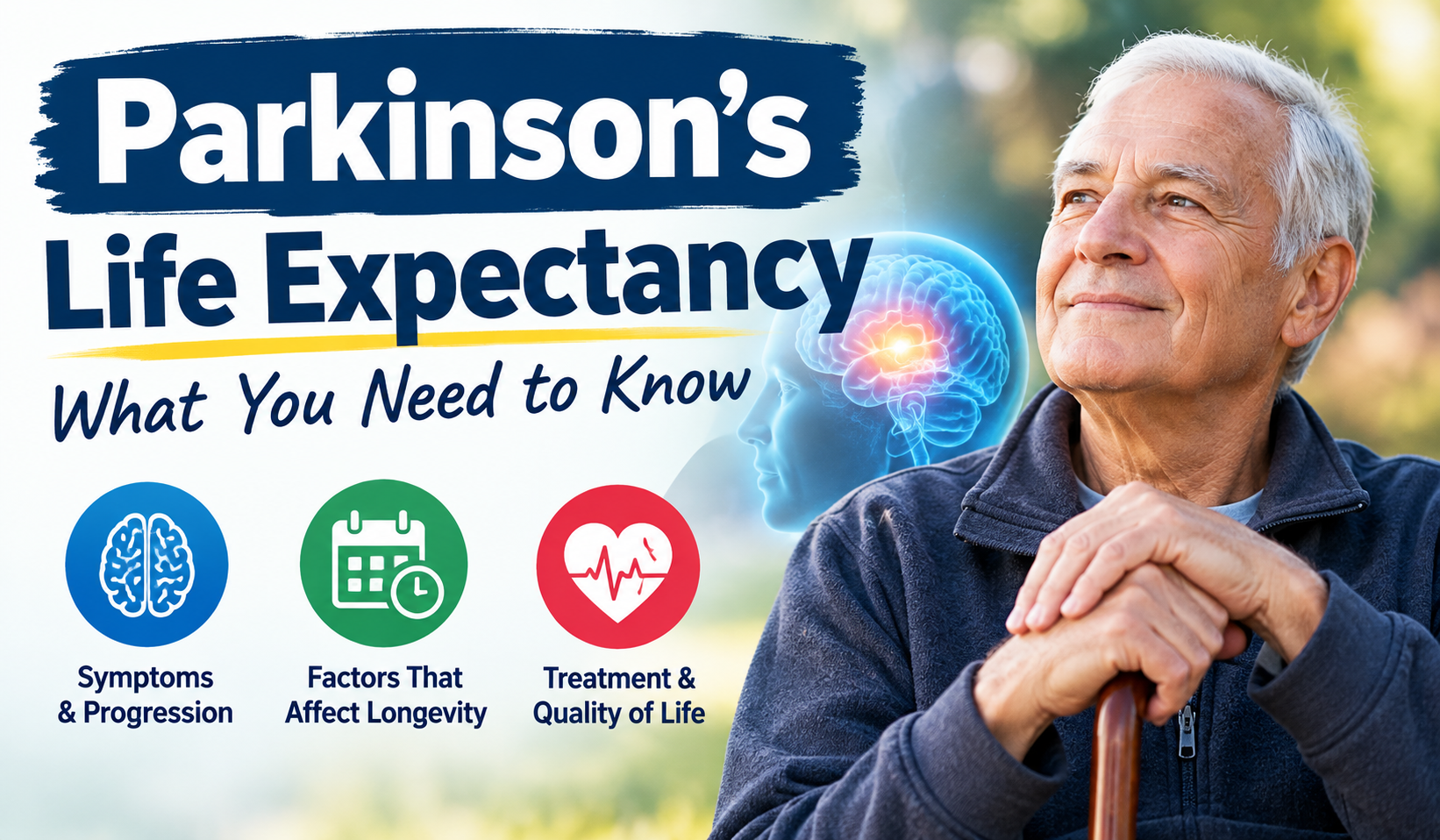

Parkinson’s Disease Life Expectancy: Learn how age, symptoms, overall health, and complications can affect long-term outlook and quality of life.
The Parkinson’s Foundation states that most people living with Parkinson’s disease have a life expectancy nearly identical to that of the general population, particularly with current treatments and expert care.
Parkinson’s is a progressive neurological disorder, but modern treatment can help manage many symptoms and support quality of life.
Understanding the condition, recognizing complications early, and maintaining regular medical care can all play an important role in long-term health.
What is Parkinson’s Disease?
Parkinson’s disease is a progressive disorder of the nervous system that primarily affects movement. It develops as dopamine-producing nerve cells in a part of the brain called the substantia nigra become damaged or lost.
Dopamine is an important chemical messenger involved in controlling movement.
Common Parkinson’s symptoms include:
- Tremors, especially at rest
- Slowness of movement
- Muscle stiffness
- Balance problems
- Difficulty walking
- Changes in posture
- Softer or slower speech
- Changes in handwriting
- Reduced facial expression
Parkinson’s can also cause non-movement symptoms. These may include sleep problems, constipation, depression, anxiety, fatigue, changes in blood pressure, and problems with thinking or memory.
Because symptoms and progression vary between individuals, the experience of living with Parkinson’s can be very different from one person to another.
👉 DON’T TRY THIS “PARKINSON’S DISEASE LIFE EXPECTANCY” UNTIL YOU SEE THIS
Parkinsons Life Expectancy: What Does the Research Say?
There is no exact number of years that doctors can use to predict the lifespan of every person with Parkinson’s disease.
According to the Parkinson’s Foundation, most people with Parkinson’s have a life expectancy that is nearly identical to people in the general population, especially when they receive current treatments and appropriate specialist care.
The NHS also reports that advances in treatment mean that most people with Parkinson’s disease now have a normal or near-normal life expectancy.
However, individual outcomes can vary.
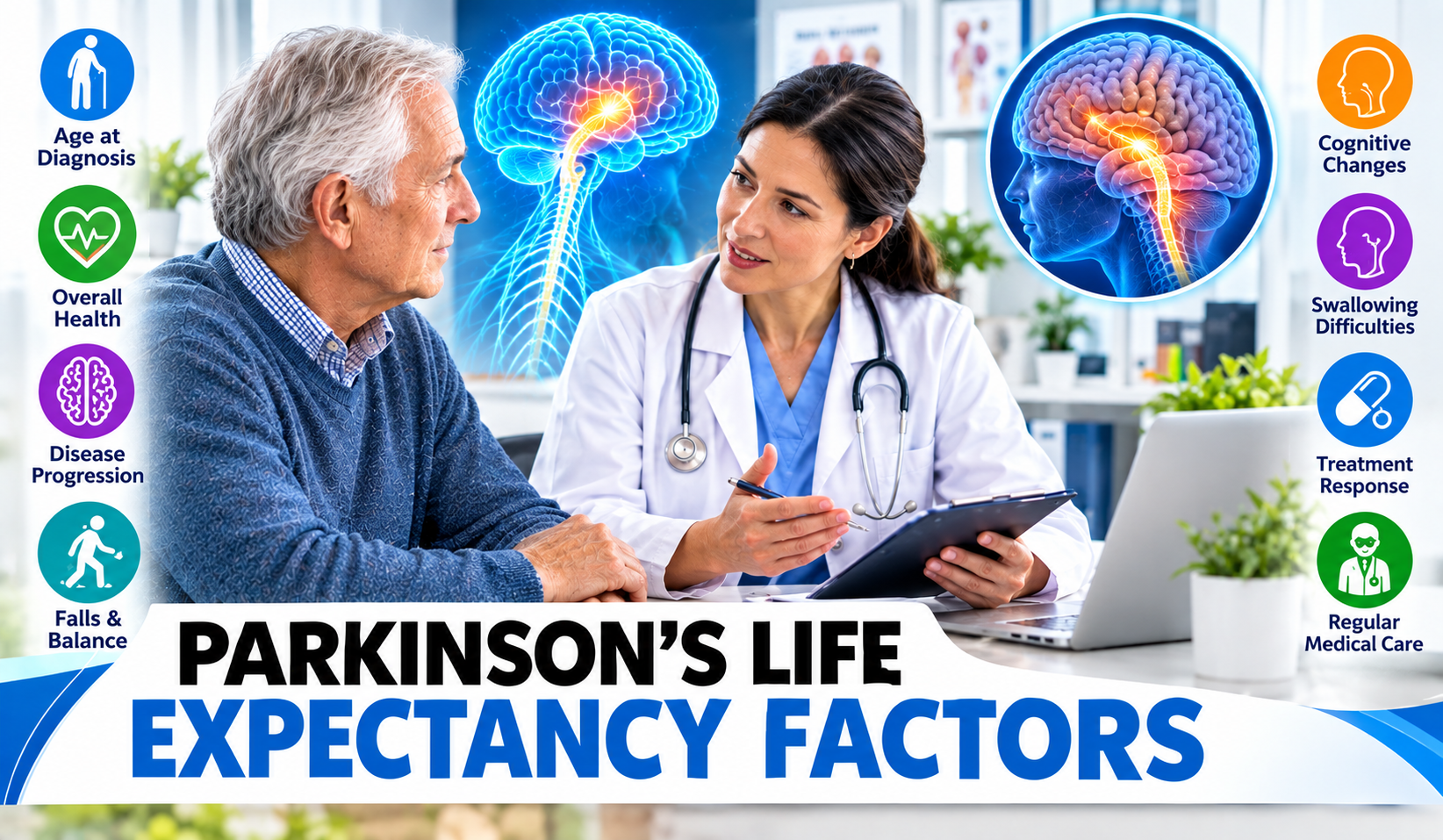
Doctors may consider several factors when discussing an individual’s long-term outlook:
- Age at diagnosis
- Overall health
- Other medical conditions
- Disease progression
- Mobility and balance
- Frequency of falls
- Swallowing ability
- Cognitive changes
- Response to treatment
- Level of independence
These factors can provide useful information about an individual’s health, but they cannot provide an exact prediction of how long someone will live.
Is Parkinson’s Disease Fatal?
Parkinson’s disease itself is generally not considered directly fatal. However, complications associated with advanced Parkinson’s can become serious and may affect longevity.
The Parkinson’s Foundation explains that while Parkinson’s itself is not fatal, complications of the disease can be serious.
Complications may include:
- Falls and serious injuries
- Difficulty swallowing
- Aspiration pneumonia
- Serious infections
- Reduced mobility
- Severe balance problems
- Cognitive impairment
- Loss of independence
This is why Parkinson’s care involves more than simply treating tremors or stiffness. Monitoring and managing complications are important parts of long-term care.
Factors That Can Affect Parkinsons Life Expectancy
1. Age at Diagnosis
Age can be an important factor when considering Parkinson’s disease and overall health.
Parkinson’s commonly develops later in life, although younger people can also develop the condition. Early-onset Parkinson’s may have a different pattern of progression from Parkinson’s diagnosed later in life.
Healthcare professionals may consider:
- Age at diagnosis
- Physical health
- Other medical conditions
- Disease symptoms
- Functional ability
- Treatment response
Age alone, however, cannot determine an individual’s life expectancy.
2. Overall Health
A person’s general health can influence long-term outcomes.
Conditions affecting the heart, lungs, kidneys, metabolism, or other systems may also need to be managed alongside Parkinson’s disease.
Maintaining overall health may involve:
- Regular medical checkups
- Taking medications as prescribed
- Managing other health conditions
- Eating a balanced diet
- Staying physically active
- Getting adequate sleep
- Avoiding preventable injuries
Managing overall health is an important part of living well with Parkinson’s.
3. Disease Progression
Parkinson’s disease generally progresses gradually, but the rate is different for each person.
Mayo Clinic explains that Parkinson’s symptoms can vary significantly between individuals and generally become more noticeable over time.
As Parkinson’s progresses, some people may experience:
- Increased stiffness
- Slower movement
- Walking difficulties
- Freezing episodes
- Balance problems
- Falls
- Speech changes
- Swallowing problems
- Cognitive changes
Not every person develops all of these symptoms, and they do not necessarily occur in the same order or at the same rate.
👉 DON’T TRY THIS “PARKINSON’S DISEASE LIFE EXPECTANCY” UNTIL YOU SEE THIS
4. Falls and Balance Problems
Falls can become an important concern as Parkinson’s progresses.
Changes in balance, posture, walking, and movement can increase the risk of falling. The Mayo Clinic identifies balance problems and falls as symptoms associated with Parkinson’s disease.
Fall-prevention strategies may include:
- Physical therapy
- Balance exercises
- Strength training
- Appropriate walking aids
- Removing household hazards
- Improving lighting
- Installing bathroom safety equipment
- Reviewing medications with a healthcare professional
Reducing fall risk can help protect mobility, independence, and overall well-being.
5. Swallowing Difficulties
Some people with Parkinson’s develop swallowing problems as the disease progresses.
Difficulty swallowing, also called dysphagia, can make eating and drinking more difficult and may increase the risk of choking or aspiration.
A healthcare team may recommend:
- Swallowing assessments
- Speech and swallowing therapy
- Changes to food consistency
- Safer eating techniques
- Nutritional support
- Monitoring for weight loss or dehydration
Anyone experiencing frequent coughing or choking while eating or drinking should discuss the symptoms with a healthcare professional.
6. Cognitive Changes
Parkinson’s can affect thinking and memory in addition to movement.
Some people experience mild cognitive changes, while others may eventually develop more significant cognitive impairment or dementia.
Possible cognitive changes can include:
- Difficulty concentrating
- Slower thinking
- Memory problems
- Difficulty planning tasks
- Changes in judgment
- Confusion in more advanced disease
Not everyone with Parkinson’s develops dementia. However, cognitive health should be monitored as part of comprehensive Parkinson’s care.
Treatment and Parkinsons Life Expectancy
There is currently no cure for Parkinson’s disease, but treatments can help manage symptoms and improve daily functioning.
Treatment may include:
- Levodopa/carbidopa
- Other Parkinson’s medications
- Physical therapy
- Occupational therapy
- Speech therapy
- Exercise
- Lifestyle adjustments
- Deep brain stimulation for selected patients
The Parkinson’s Foundation notes that treatment options include medication, lifestyle adjustments, and surgery, although current therapies do not cure Parkinson’s disease.
Treatment is personalized because Parkinson’s symptoms and needs vary from person to person.
Can Exercise Help People With Parkinson’s Disease?
Regular physical activity can be an important part of Parkinson’s management. Exercise can help support mobility, strength, flexibility, balance, and overall physical health.
Depending on a person’s abilities, exercise may include:
- Walking
- Stretching
- Strength exercises
- Balance exercises
- Cycling
- Swimming
- Dancing
- Physical therapy exercises
People with Parkinson’s should choose activities appropriate for their physical abilities and discuss exercise plans with their healthcare professional, especially if they have significant balance or walking problems.
The Parkinson’s Foundation also identifies exercise and rehabilitative therapies as important components of Parkinson’s care.
How Medical Care Can Support Long-Term Health
Regular medical care is important throughout the course of Parkinson’s disease. A neurologist or movement-disorder specialist can monitor symptoms and adjust treatment as needed.
Regular appointments may monitor:
- Movement symptoms
- Medication effectiveness
- Balance and walking
- Falls
- Swallowing
- Cognitive changes
- Sleep
- Blood pressure
- Emotional well-being
The goal is not simply to treat one symptom. Comprehensive care can help address the different ways Parkinson’s affects a person’s health and daily life.
Benefits of Understanding Parkinson’s Life Expectancy
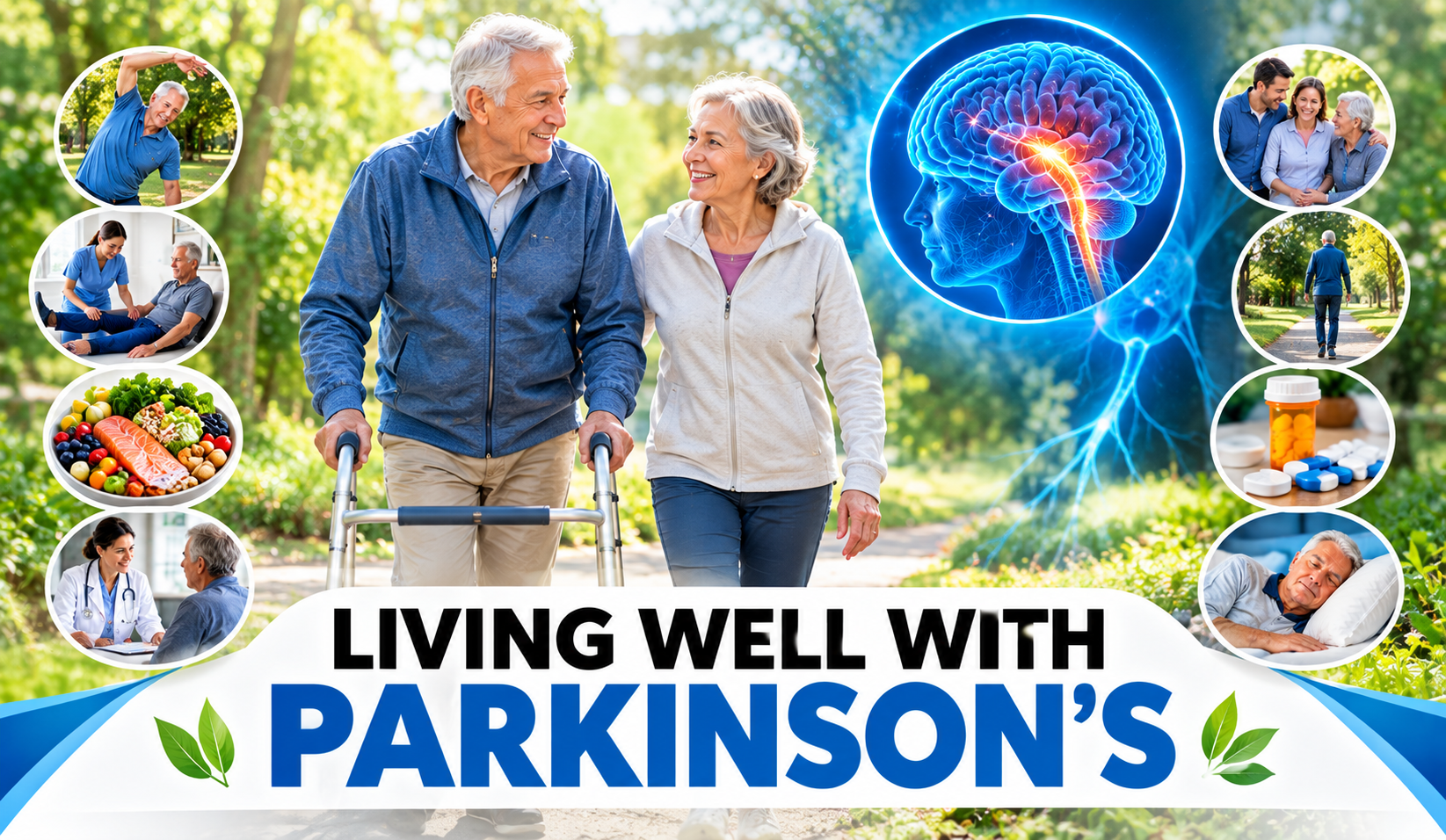
Understanding Parkinson’s life expectancy can help individuals and their families prepare for the future while focusing on health, independence, and quality of life.
1. Helps With Future Planning
- Knowing how Parkinson’s disease may progress can help patients and families plan for future healthcare, daily assistance, transportation, home modifications, and other support needs.
2. Encourages Early Medical Care
- Understanding potential complications may encourage people to seek medical attention sooner when new symptoms or changes occur. Early evaluation can help healthcare professionals adjust treatment and provide appropriate support.
3. Supports Better Quality of Life
- Parkinson’s care is not only about life expectancy. Managing symptoms such as movement difficulties, stiffness, sleep problems, speech changes, and fatigue can help support comfort, independence, and everyday activities.
4. Promotes Fall Prevention
- Mobility and balance problems can increase the risk of falls as Parkinson’s progresses. Understanding these risks can encourage patients and caregivers to consider physical therapy, mobility aids, home safety improvements, and other preventive measures.
5. Helps Families Prepare for Care Needs
- As symptoms change, some individuals may need additional assistance with medications, personal care, meals, or daily activities. Planning ahead can help families arrange appropriate support when it becomes necessary.
6. Encourages Healthy Lifestyle Choices
- Learning about Parkinson’s disease may motivate individuals to stay physically active, maintain good nutrition, follow prescribed treatments, get adequate sleep, and participate in rehabilitation when recommended.
👉 DON’T TRY THIS “PARKINSON’S DISEASE LIFE EXPECTANCY” UNTIL YOU SEE THIS
Parkinson’s Life Expectancy vs. Quality of Life
When discussing Parkinson’s life expectancy, it is also important to consider quality of life.
Living longer is only one part of long-term health. Maintaining independence, mobility, social connections, and participation in meaningful activities can also be important goals.
Parkinson’s Disease Stages and Life Expectancy
Parkinson’s disease is often described in stages based on the severity of symptoms and the level of disability.
However, stages should not be interpreted as a fixed timeline.
Parkinson’s may generally involve:
- Early stage: Symptoms are often mild and may affect one side of the body.
- Middle stage: Symptoms may affect both sides, with increasing movement or balance difficulties.
- Advanced stage: Some people may require greater assistance with mobility and daily activities.
The Parkinson’s Foundation emphasizes that Parkinson’s affects people differently. Some individuals experience changes over 20 years or more, while others progress faster.
Therefore, the stage of Parkinson’s alone should not be used to predict a person’s remaining lifespan.
Assisted Living and Long-Term Support
As Parkinson’s progresses, some individuals may need additional assistance with everyday activities.
Support may include help with:
- Dressing
- Bathing
- Meal preparation
- Medication management
- Walking
- Household tasks
- Transportation
- Healthcare appointments
Some people continue living independently with appropriate modifications, while others may benefit from family assistance, home care, assisted living, or specialized care.
The appropriate level of support depends on the person’s physical abilities, cognitive status, safety needs, and personal preferences.
Conclusion
When considering Parkinson’s life expectancy, there is no single number that can accurately predict how long a person with Parkinson’s disease will live.
Parkinson’s affects each individual differently, and factors such as age, overall health, disease progression, symptoms, and other medical conditions can influence long-term outcomes.
For many people, Parkinson’s does not result in a dramatically shortened lifespan, although complications such as falls, swallowing difficulties, infections, and cognitive changes may affect health as the disease progresses.
Regular medical care, appropriate treatment, physical activity, rehabilitation, good nutrition, fall prevention, and early attention to swallowing or cognitive problems can help support health, independence, and quality of life.
General statistics cannot predict an individual’s prognosis, so anyone concerned about Parkinson’s life expectancy should speak with a neurologist or movement-disorder specialist for guidance based on their individual health and circumstances.
.
.
.
Refference
- https://www.webmd.com/parkinsons-disease/parkinsons-overview?
- https://www.mayoclinic.org/diseases-conditions/parkinsons-disease/symptoms-causes/
- https://www.healthline.com/health/parkinsons/life-expectancy
- https://en.wikipedia.org/wiki/Parkinson%27s_disease
.
.
.
About Us
