
Table of Contents
ToggleIntroduction
Fall prevention is one of the most important parts of providing safe, supportive care for older adults living in memory care communities.
Residents experiencing memory-related conditions may face unique challenges that increase their risk of falls, including changes in balance, mobility, awareness, judgment, and daily routines.
Fall Prevention Strategies for Memory Care Residents focus on creating safer environments, improving mobility support, and providing personalized care approaches that help residents maintain independence while reducing safety risks.
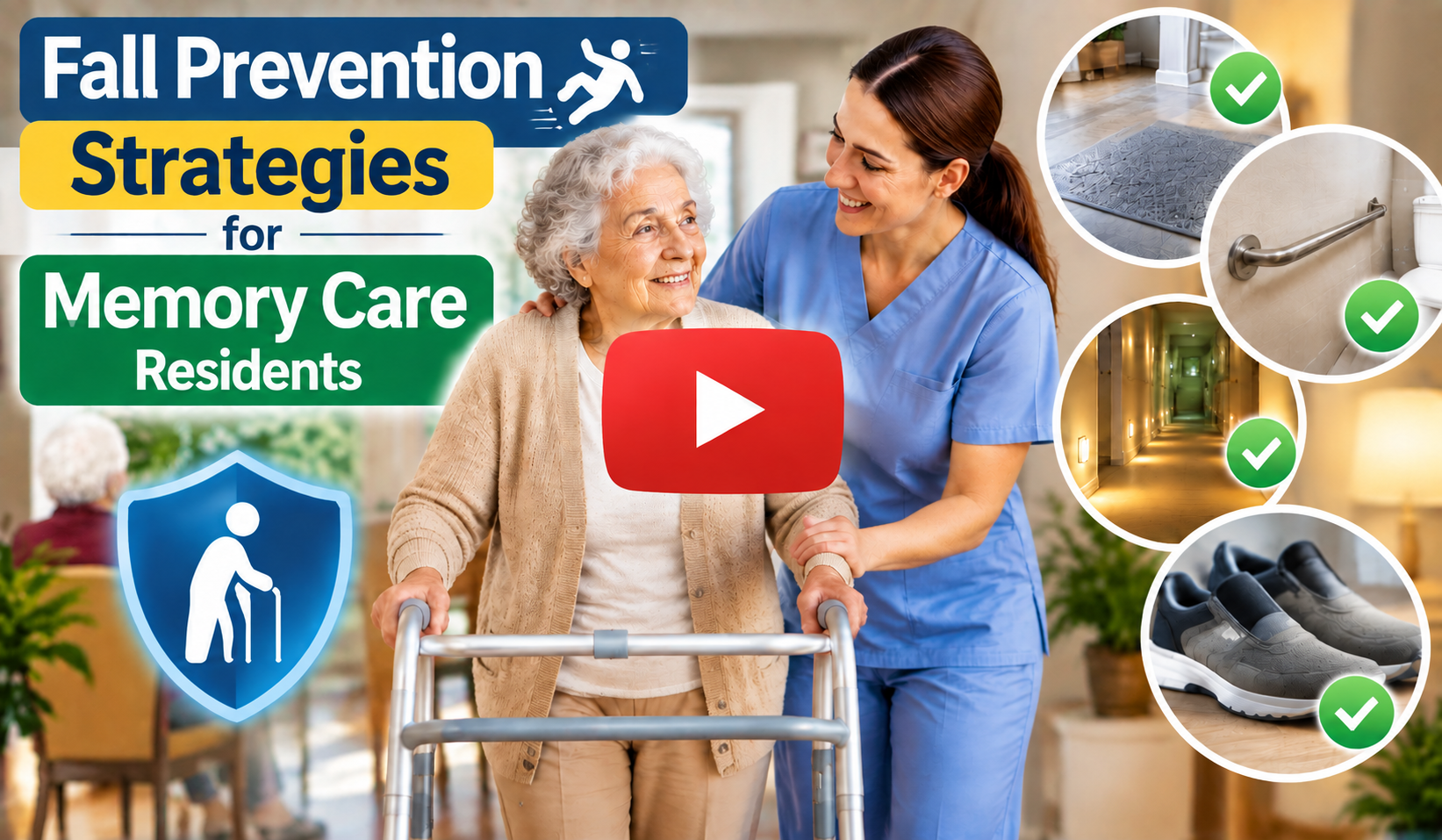

Fall Prevention Strategies for Memory Care Residents focus on safe environments, mobility support, routine checks, proper lighting, and personalized care approaches to reduce fall risks.
For caregivers, family members, and healthcare professionals, understanding why falls happen and how to address contributing factors can make a meaningful difference in quality of life.
A thoughtful prevention plan does not only focuses on avoiding injuries but also supports confidence, comfort, and daily participation.
Research shows that effective fall prevention often involves multiple approaches, including environmental adjustments, physical activity support, education, and individualized assessments rather than relying on a single solution.
What Are Fall Prevention Strategies for Memory Care Residents?
Fall prevention strategies are structured methods designed to identify and reduce factors that may contribute to falls among memory care residents.
These strategies combine safety improvements, caregiver support, health monitoring, and lifestyle adjustments.
Memory care residents may experience increased fall risks due to:
- Changes in memory and decision-making abilities
- Difficulty recognizing hazards
- Reduced balance and coordination
- Muscle weakness
- Vision or hearing changes
- Medication-related effects
- Difficulty navigating unfamiliar spaces
A successful fall prevention approach considers the individual needs of each resident rather than applying the same method to everyone.
Why Are Memory Care Residents More Vulnerable to Falls?
Understanding the causes behind falls helps caregivers create better prevention plans. Falls often happen because of a combination of physical, environmental, and cognitive factors.
◆ Cognitive Changes
Memory-related conditions can affect how residents understand their surroundings. A person may forget to use a walking aid, misjudge distances, or attempt activities without recognizing potential risks.
For example, a resident may try to stand up quickly because they do not remember their mobility limitations or may forget where assistance is available.
◆ Balance and Mobility Challenges
Age-related changes can affect:
- Walking stability
- Muscle strength
- Reaction time
- Coordination
Reduced lower-body strength may make activities such as standing, turning, or climbing steps more difficult.
◆ Environmental Hazards
The living environment plays an important role in fall prevention. Common hazards include:
- Poor lighting
- Loose rugs
- Cluttered walkways
- Slippery surfaces
- Incorrect furniture placement
Simple environmental improvements can make daily movement safer.
◆ Medication Factors
Some medications may influence alertness, dizziness, or balance. Regular medication reviews with healthcare providers can help identify possible concerns.
👉 DON’T TRY THESE “FALL PREVENTION STRATEGIES” UNTIL YOU SEE THIS
Effective Fall Prevention Strategies for Memory Care Residents
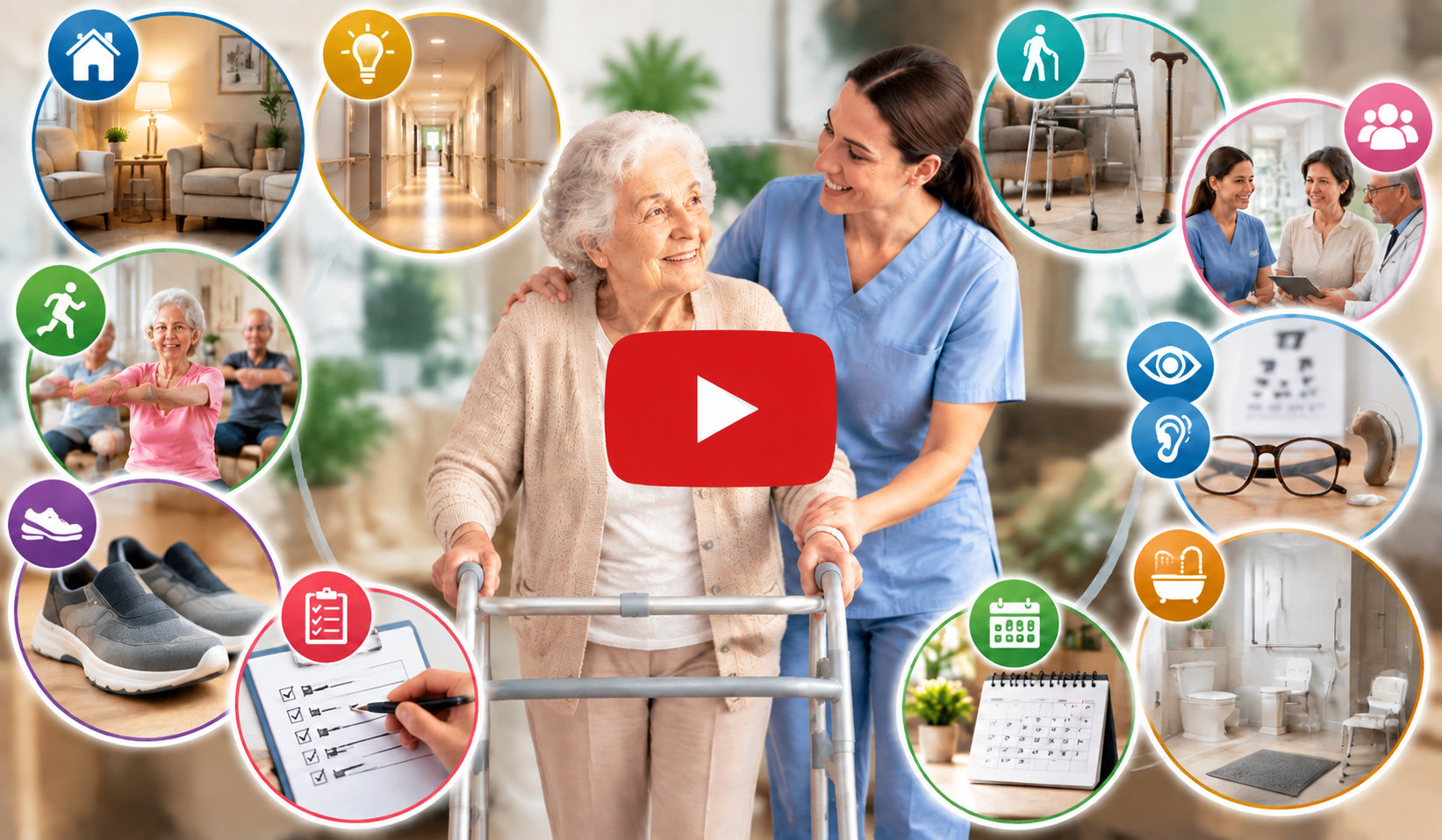
1. Create a Safe Living Environment
A carefully designed environment is of foundation of fall prevention.
Memory care spaces should include:
- Clear walking pathways
- Adequate lighting
- Secure flooring
- Easily accessible personal items
- Stable furniture
Residents benefit from environments that are familiar, organized, and easy to navigate.
A safer environment supports independence while reducing unnecessary risks.
Bathrooms require special attention because wet surfaces and transfers can increase fall risks. Support features such as grab bars and appropriate seating may improve safety.
2. Improve Lighting Throughout the Facility
Poor visibility can make it harder for residents to identify obstacles or navigate safely.
Helpful lighting strategies include:
- Bright hallway lighting
- Night lights near bathrooms
- Well-lit entrances
- Reduced shadows and glare
Good lighting is especially important during nighttime when residents may wake up and walk without assistance.
3. Encourage Safe Physical Activity
Maintaining movement and strength can support better balance and mobility.
Appropriate activities may include:
- Walking programs
- Balance exercises
- Stretching routines
- Strength-building activities
Exercise plans should always be adapted according to individual abilities and healthcare recommendations.
Professional support and structured exercise interventions are commonly recommended fall-prevention approaches.
Safe movement can help residents maintain confidence in daily activities.
4. Provide Proper Footwear Support
Footwear can influence stability while walking.
Caregivers should encourage:
- Properly fitting shoes
- Non-slip soles
- Comfortable designs
- Secure fastening
Residents should avoid walking in slippery socks or loose footwear that may increase instability.
5. Conduct Regular Fall Risk Assessments
Each resident has different needs, abilities, and challenges. Regular assessments help identify changing risks.
Healthcare teams may evaluate:
- Walking ability
- Balance
- Strength
- Vision concerns
- Medication considerations
- Environmental challenges
A personalized assessment allows caregivers to adjust support as needed.
6. Support Mobility With Appropriate Assistance
Mobility aids and caregiver assistance can help residents move safely.
Support options may include:
- Walkers
- Canes
- Handrails
- Transfer assistance
- Supervised movement
Ensure mobility equipment is correctly fitted and used properly.
7. Maintain Clear Communication Between Care Teams
Fall prevention works best when caregivers, healthcare professionals, and family members communicate effectively.
Important information may include:
- Previous falls
- Changes in walking ability
- New behaviors
- Health changes
- Safety concerns
Consistent communication helps ensure residents receive appropriate support.
8. Manage Vision and Hearing Needs
Sensory changes can affect awareness and navigation.
Regular evaluations may help identify:
- Vision difficulties
- Need for updated eyewear
- Hearing challenges
Improving sensory support may help residents better understand their surroundings.
9. Establish Consistent Daily Routines
Residents with memory challenges often benefit from predictable routines.
Consistent schedules can help reduce confusion during activities such as:
- Getting dressed
- Walking to meals
- Bathroom visits
- Rest periods
Familiar routines may make movement feel more comfortable and organized.
10. Provide Bathroom Safety Support
Bathroom-related falls are common concerns among older adults.
Safety improvements may include:
- Non-slip surfaces
- Proper lighting
- Support rails
- Accessible bathroom layouts
- Assistance when needed
Caregivers should prioritize bathroom safety in every fall prevention plan.
Benefits of Effective Fall Prevention Strategies
A well-designed fall prevention plan can help support memory care residents by improving safety, confidence, independence, and overall daily well-being.
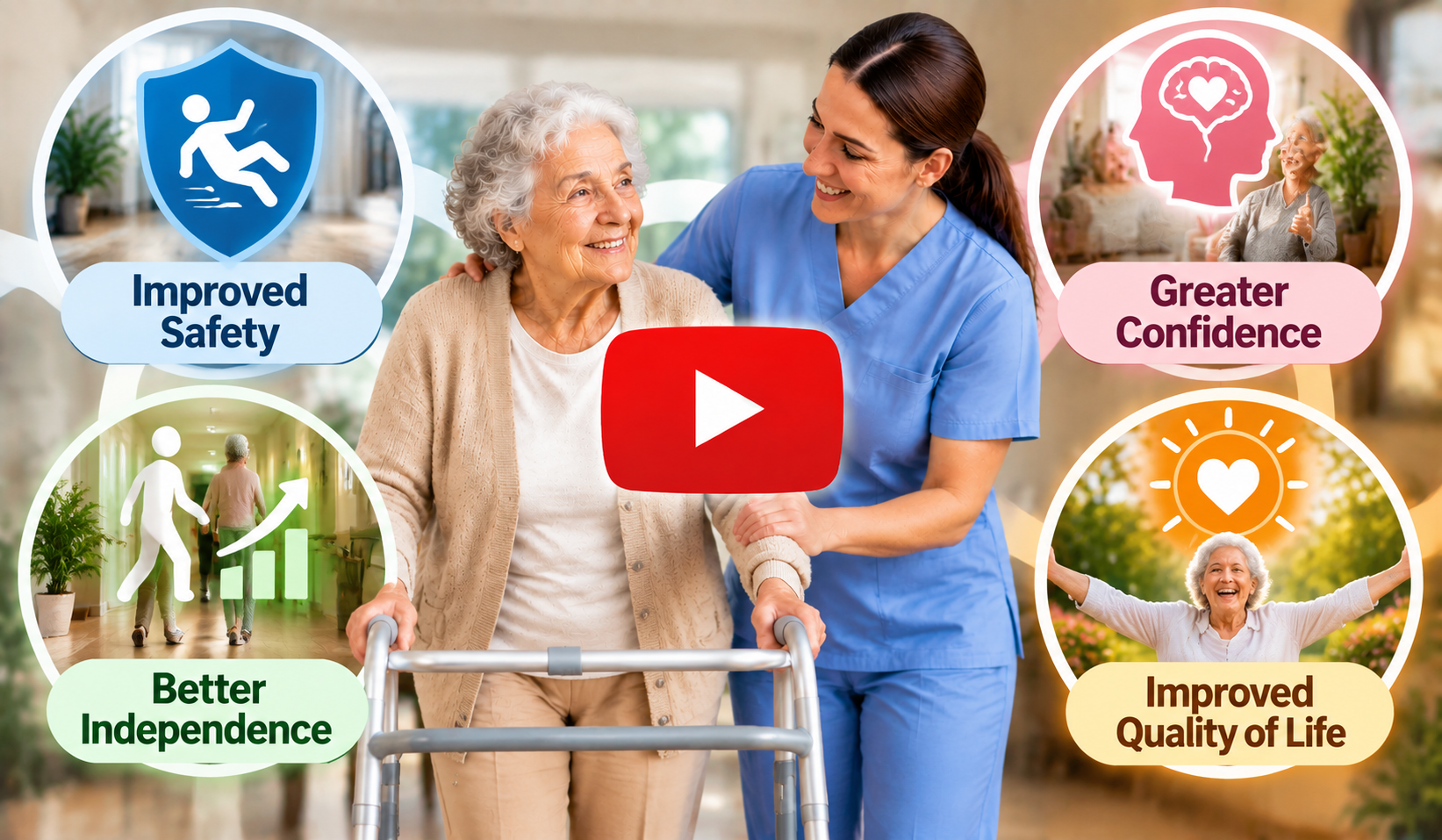
Improved Safety
🔸Identifying potential hazards and providing appropriate support can create a safer environment where residents can move around more comfortably and confidently.
Greater Confidence
🔸A supportive care approach may help residents feel more secure as they participate in everyday activities and routines.
Better Independence
🔸Personalized mobility assistance and safe surroundings can encourage residents to maintain independence while receiving the support they need.
Improved Quality of Life
🔸Effective fall prevention strategies can promote comfort, dignity, and active participation in daily living activities, helping residents enjoy a more supportive care experience.
👉 DON’T TRY THESE “FALL PREVENTION STRATEGIES” UNTIL YOU SEE THIS
Role of Caregivers in Fall Prevention
Caregivers play a major role in identifying risks and supporting daily safety.
Important caregiver responsibilities include:
- Observing changes in mobility
- Encouraging safe movement
- Keeping areas organized
- Providing reminders
- Reporting concerns
A compassionate approach helps residents feel supported, not restricted.
How Families Can Support Fall Prevention
Family members can contribute by:
- Sharing information about the resident’s habits
- Discussing previous falls
- Bringing comfortable footwear
- Supporting recommended routines
- Staying involved in care discussions
Family involvement provides valuable insight into personal preferences and daily behaviors.
Technology and Fall Prevention Support
Modern tools may provide additional support in memory care settings.
Examples include:
- Emergency alert systems
- Motion monitoring tools
- Mobility tracking devices
- Smart safety solutions
Technology should complement personal care, not replace human observation and support.
Common Mistakes to Avoid in Fall Prevention
Effective fall prevention requires a balanced approach that focuses on safety while maintaining comfort, confidence, and independence. Avoiding common mistakes can help create a better care experience for memory care residents.
- Ignoring Individual Risk Factors: Every resident has unique mobility abilities, health needs, and daily habits. Using the same prevention approach for everyone may overlook important personal risks.
- Limiting Movement Too Much: Excessive movement restrictions can reduce confidence and independence. The goal should be to provide safe support while encouraging appropriate activity.
- Overlooking Environmental Hazards: Small safety concerns such as poor lighting, cluttered pathways, loose rugs, or unsafe furniture placement can increase fall risks if they are not addressed.
- Not Reviewing Changes Regularly: A resident’s mobility, health condition, and care needs may change over time. Regular assessments help ensure fall prevention strategies remain effective and appropriate.
- Poor Communication Among Caregivers: Lack of communication between caregivers, healthcare providers, and family members can make it harder to identify risks and provide consistent support.
Conclusion
Fall Prevention Strategies for Memory Care Residents focus on creating safer environments, supporting mobility, and providing personalized care to reduce fall risks.
Simple steps such as improving lighting, maintaining clear pathways, encouraging safe physical activity, and offering proper assistance can help residents move with greater confidence.
A successful fall prevention plan combines caregiver awareness, regular safety assessments, and individualized support based on each resident’s needs.
By promoting safety while respecting independence and dignity, memory care communities can help residents enjoy a more comfortable and secure daily living experience.
.
.
.
.
Reference
About Us

Dr. Carlos Espiche, MD
Dr. Carlos Espiche, MD is a dedicated medical professional with a passion for providing personalized care. With years of experience in healthcare, she specializes in holistic treatment approaches, ensuring patients receive the best care possible. Dr. Carlos Espiche, MD is committed to improving patient outcomes through compassion and evidence-based practices.