Salmon Trick for Memory – Does It Boost Brain Health?
Introduction
If you’ve searched online for the “Salmon Trick for Memory,” you’ve probably seen claims that eating salmon can dramatically improve memory, sharpen focus, and even prevent Alzheimer’s disease.
While some of these claims are exaggerated, there is scientific evidence that salmon is one of the best foods for supporting overall brain health.
The real “salmon trick” isn’t a secret recipe or viral hack. Instead, it refers to making fatty salmon a regular part of a healthy diet because it naturally contains nutrients that the brain depends on.
These include omega-3 fatty acids, vitamin D, vitamin B12, selenium, iodine, and high-quality protein, all of which contribute to healthy nerve function and brain maintenance.
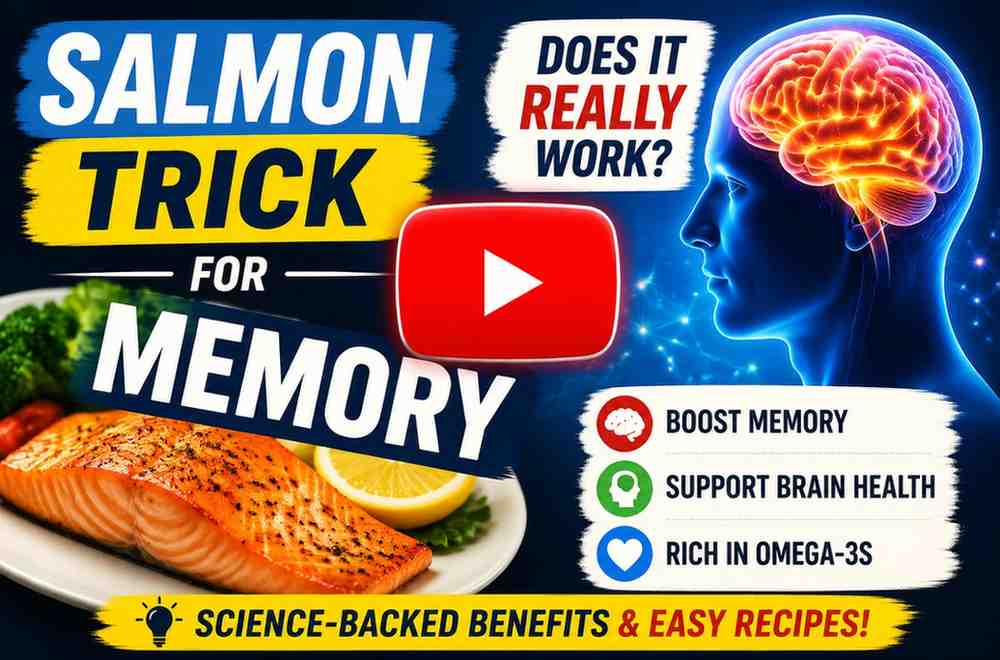

The salmon trick for memory focuses on eating omega-3-rich salmon to support brain health, focus, and cognitive function as part of a healthy diet.
The important takeaway is this: Salmon is not a cure for memory loss or dementia. However, when combined with regular exercise, quality sleep, mental stimulation, and a healthy overall diet, it may help support cognitive function throughout life.
What Is the Salmon Trick for Memory?
The Salmon Trick for Memory is a popular online term for the habit of regularly eating salmon as part of a brain-supportive diet.
Rather than being a quick fix, it’s based on the fact that salmon is naturally rich in DHA and EPA, two omega-3 fatty acids that are important components of brain cells.
Approximately 60% of the human brain consists of fat, and DHA is one of the major structural fats found in nerve cell membranes. Researchers have long studied whether people who consume more omega-3-rich fish have better long-term cognitive health.
While findings remain mixed regarding disease prevention, evidence consistently supports including salmon of a nutritious dietary pattern for overall brain wellness.
Why Is Salmon Considered a Brain Food?
Salmon contains a unique combination of nutrients that work together to support brain health, memory, and normal cognitive function. Rather than relying on a single vitamin or mineral, it provides several important compounds that help nourish brain cells and support the nervous system.
1. Rich in DHA
DHA (docosahexaenoic acid) is one of the primary omega-3 fats found in the brain and is essential for maintaining the structure of brain cells. Regular intake of DHA helps keep nerve cell membranes flexible, allowing brain cells to communicate more efficiently and supporting learning and memory.
2. Provides EPA
EPA (eicosapentaenoic acid) is another beneficial omega-3 fatty acid that helps support a healthy inflammatory response throughout the body. By promoting overall brain and cardiovascular health, EPA may contribute to better cognitive function and healthy brain aging over time.
3. Excellent Protein Source
Salmon is an excellent source of high-quality protein, which provides amino acids needed to produce neurotransmitters—the chemical messengers that allow brain cells to communicate. Protein also supports tissue repair, muscle maintenance, and overall physical health.
4. Vitamin B12
Vitamin B12 plays a vital role in maintaining healthy nerves and supporting the production of red blood cells. Adequate B12 intake helps support normal brain function, while low levels may contribute to memory problems, confusion, and other neurological symptoms.
5. Vitamin D
Salmon naturally contains vitamin D, an important nutrient involved in immune function, bone health, and nervous system support. Research suggests maintaining healthy vitamin D levels may contribute to overall cognitive health and normal brain function.
6. Selenium
Selenium is a powerful antioxidant mineral that helps protect the body’s cells from oxidative stress caused by free radicals. This protective effect supports healthy brain cells and contributes to overall cognitive wellness as people age.
7. Astaxanthin
Wild salmon contains astaxanthin, the natural antioxidant responsible for its pink-red color. Researchers are studying its potential role in protecting brain cells from oxidative damage and supporting long-term neurological health, although more research is still needed.
How Does Salmon Support Memory?
Although salmon cannot instantly improve memory, its unique combination of nutrients helps support several important brain functions. Regular consumption as part of a balanced diet may contribute to better cognitive health over time.
Supports Brain Cell Structure
Salmon is rich in DHA, an omega-3 fatty acid that forms an essential part of brain cell membranes. Healthy and flexible brain cells communicate more efficiently, supporting memory, learning, and overall cognitive performance.
Supports Neurotransmitters
The protein, vitamin B12, and other nutrients in salmon help the body produce neurotransmitters that carry messages between brain cells. These chemical messengers are essential for normal memory, concentration, and mental processing.
Supports Healthy Blood Flow
Omega-3 fatty acids found in salmon help support heart and blood vessel health, promoting healthy circulation throughout the body. Good blood flow helps deliver oxygen and essential nutrients to the brain, supporting its normal function.
Supports Healthy Aging
Researchers continue to study the connection between regular fish consumption and healthy brain aging. While salmon is not proven to prevent memory disorders, including it in a healthy diet may help support cognitive function as people grow older.
Nutrients in Salmon That Benefit the Brain
| Nutrient | Why It Matters |
|---|---|
| DHA | Structural component of brain cells |
| EPA | Supports healthy inflammatory balance |
| Vitamin D | Supports nervous system health |
| Vitamin B12 | Essential for healthy nerves |
| Selenium | Antioxidant protection |
| Protein | Builds neurotransmitters |
| Iodine | Supports thyroid hormones important for brain function |
| Astaxanthin | Powerful antioxidant naturally found in salmon |
Does Science Support the Salmon Trick?
Scientific research is encouraging—but also realistic.
Many observational studies have found that people who regularly eat fatty fish tend to have better cognitive health later in life. However, randomized trials of fish oil supplements have shown mixed results, suggesting that these supplements do not consistently improve memory or prevent dementia.
This is one reason many nutrition experts recommend obtaining omega-3s from whole foods like salmon instead of relying solely on supplements whenever possible.
The evidence supports salmon as part of a healthy lifestyle—not as a miracle memory cure.
Benefits of Eating Salmon for Brain Health
May Support Learning
The DHA in salmon helps maintain healthy brain cells that are involved in learning and information processing. Regular intake may support better cognitive performance as part of a balanced diet.
May Help Maintain Focus
Omega-3 fatty acids contribute to normal brain function and healthy nerve communication. This may help support concentration and mental alertness throughout the day.
Supports Healthy Mood
Research suggests that omega-3 fats may play a role in supporting emotional well-being and a balanced mood. Salmon can be a nutritious addition to an overall healthy lifestyle.
Supports Long-Term Cognitive Health
Regularly eating nutrient-rich foods like salmon may help support healthy brain aging. It is commonly included in dietary patterns associated with better cognitive health.
Provides Sustained Energy
Salmon contains high-quality protein and healthy fats that provide steady, long-lasting energy. This helps fuel both the brain and body without rapid energy crashes.
Supports Heart Health
Omega-3 fatty acids help support cardiovascular health and healthy blood circulation. Good circulation ensures the brain receives the oxygen and nutrients it needs to function properly.
Supports Eye Health
DHA is an important structural fat found in the retina and supports normal vision. Healthy eyes and brain often benefit from many of the same essential nutrients.
Supports Overall Wellness
Salmon provides a wide range of vitamins, minerals, antioxidants, and healthy fats that support overall health. A healthy body creates a strong foundation for maintaining good brain function and memory.
How Much Salmon Should You Eat?
One serving is approximately:
- 3–4 ounces (85–120 g)
- About the size of your palm
This amount helps provide beneficial omega-3 fats as part of a balanced diet.
Best Types of Salmon
Wild Sockeye Salmon
Wild Sockeye salmon is naturally rich in omega-3 fatty acids and the antioxidant astaxanthin, making it one of the most nutritious salmon varieties. It is an excellent choice for supporting overall brain and heart health.
Wild Coho Salmon
Wild Coho salmon is a lean, nutrient-dense fish that provides high-quality protein, vitamins, and healthy omega-3 fats. Its mild flavor and nutritional profile make it a great option for regular meals.
Atlantic Salmon
Atlantic salmon is widely available in grocery stores and remains an excellent source of omega-3 fatty acids. It offers a convenient way to include brain-supporting nutrients in your weekly diet.
Canned Salmon
Canned salmon is an affordable and convenient option that retains most of its important nutrients. It can be easily added to salads, sandwiches, pasta, or rice dishes for a healthy meal.
Frozen Salmon
Frozen salmon is often frozen soon after being caught, helping preserve its freshness and nutritional value. When stored and cooked properly, it provides nearly the same health benefits as fresh salmon.
Fresh vs Frozen Salmon
| Feature | Fresh Salmon | Frozen Salmon |
|---|---|---|
| Nutritional Value | Rich in omega-3s, protein, and vitamins when fresh. | Retains nearly the same nutrients when frozen shortly after harvest. |
| Freshness | Best when purchased and cooked within a few days. | Frozen immediately after catching to help preserve freshness. |
| Taste & Texture | Slightly firmer texture with a fresh flavor. | Very similar taste and texture when properly thawed and cooked. |
| Convenience | Requires quicker use and refrigeration. | Can be stored for several months, making meal planning easier. |
| Availability | May be seasonal depending on location. | Available year-round in most supermarkets. |
| Shelf Life | Shorter shelf life; use promptly. | Longer shelf life when kept frozen at the proper temperature. |
| Best For | Those wanting freshly prepared seafood meals. | Those looking for a convenient, nutritious, and budget-friendly option. |
Wild vs Farmed Salmon
| Feature | Wild Salmon | Farmed Salmon |
|---|---|---|
| Source | Caught in oceans, rivers, and other natural waters. | Raised in controlled fish farms and aquaculture systems. |
| Nutrition | Naturally rich in omega-3 fatty acids, astaxanthin, and essential nutrients. | Also provides high levels of omega-3s, protein, vitamins, and minerals. |
| Fat Content | Generally leaner with lower overall fat content. | Usually contains more total fat, including beneficial omega-3 fats. |
| Flavor & Texture | Firmer texture with a richer, more robust flavor. | Softer texture with a milder taste. |
| Availability | Often seasonal and may be less readily available. | Available year-round in most grocery stores and markets. |
| Price | Typically more expensive because of limited supply. | Usually more affordable and widely accessible. |
| Best For | Those who prefer a lean, naturally caught fish with a stronger flavor. | Those looking for a convenient, nutritious, and budget-friendly option. |
Easy Salmon Recipes for Memory Support
Baked Lemon Salmon
Baked lemon salmon is a simple and nutritious meal that preserves the fish’s natural omega-3 fats. Serve it with roasted vegetables for a balanced, brain-friendly dinner.
Grilled Salmon
Grilled salmon is a flavorful option that pairs perfectly with quinoa and spinach for added fiber and antioxidants. This combination provides protein, healthy fats, and nutrients that support overall wellness.
Salmon Salad
Mix cooked salmon with leafy greens, avocado, cucumbers, and a drizzle of olive oil for a refreshing meal. This recipe combines healthy fats, vitamins, and minerals that support brain and heart health.
Salmon Rice Bowl
Create a wholesome rice bowl by serving salmon over brown rice with broccoli, carrots, and sesame seeds. It offers a balanced mix of protein, complex carbohydrates, and vegetables for sustained energy.
Mediterranean Salmon
Cook salmon with tomatoes, olives, garlic, olive oil, and fresh herbs for a Mediterranean-inspired dish. This recipe is rich in healthy fats, antioxidants, and flavorful ingredients that support overall health.
Foods That Work Well with Salmon
Combine salmon with:
- Blueberries
- Walnuts
- Spinach
- Kale
- Broccoli
- Olive oil
- Avocados
- Eggs
- Whole grains
- Pumpkin seeds
Together, these foods resemble the Mediterranean and MIND diets, which have been associated with healthier brain aging.
Foods That May Work Against Brain Health
Try limiting:
- Sugary drinks
- Ultra-processed foods
- Deep-fried foods
- Excess alcohol
- Highly processed meats
- Excess refined carbohydrates
Replacing these foods with whole foods may support overall health.
Lifestyle Habits That Support Memory
Eating salmon alone is not enough.
For better cognitive health:
- Exercise regularly
- Sleep 7–9 hours
- Stay mentally active
- Manage stress
- Maintain social connections
- Control blood pressure
- Avoid smoking
- Stay hydrated
- Eat colorful fruits and vegetables
- Maintain a healthy weight
Can Salmon Prevent Alzheimer’s Disease?
This is one of the biggest misconceptions online.
Current research does not prove that salmon prevents Alzheimer’s disease.
Some observational studies suggest that people who regularly eat fish may have lower rates of cognitive decline, but clinical trials have not confirmed that salmon or omega-3 supplements are a proven preventive treatment.
Is Eating Salmon Better Than Taking Fish Oil?
For most healthy people, nutrition experts generally recommend food first.
Whole salmon provides:
- Protein
- Vitamins
- Minerals
- Omega-3 fats
- Natural antioxidants
Fish oil supplements primarily provide EPA and DHA, without the additional nutrients found in whole fish. Evidence for supplements improving memory remains mixed.
Who May Benefit Most?
Salmon may be especially helpful for:
- Older adults
- Students
- Professionals
- People wanting healthier diets
- Adults following Mediterranean-style eating
- Individuals with low fish intake
Who Should Be Careful?
Speak with a healthcare provider if you:
- Have fish allergies
- Take blood-thinning medications
- Have kidney disease requiring dietary restrictions
- Are pregnant and need guidance on seafood choices
- Have other medical conditions requiring special diets
Possible Side Effects
Salmon is generally safe for most people.
Possible concerns include:
- Fish allergy
- Mercury exposure (salmon is relatively low in mercury)
- Food poisoning if undercooked
- Excess calories from heavy sauces
- Digestive discomfort if eaten in very large amounts
Proper cooking and safe food handling reduce many risks.
Common Myths About the Salmon Trick
Myth 1: Eating Salmon Once Instantly Improves Memory
Fact: Salmon does not provide an instant memory boost after a single meal. Its benefits are more likely to come from eating it regularly as part of a healthy, balanced diet over time.
Myth 2: Fish Oil Pills Always Work Better
Fact: Fish oil supplements may not provide the same benefits as eating whole salmon. Whole salmon offers protein, vitamins, minerals, and healthy fats that work together to support overall health.
Myth 3: Only Wild Salmon Is Healthy
Fact: Both wild and farmed salmon are nutritious sources of omega-3 fatty acids and high-quality protein. Choosing either can be part of a healthy diet when prepared in a nutritious way.
Myth 4: Salmon Prevents Dementia
Fact: While salmon supports overall brain health, there is no scientific evidence proving it can prevent dementia or Alzheimer’s disease. It should be viewed as one part of a healthy lifestyle rather than a cure.
Myth 5: More Salmon Is Always Better
Fact: Eating excessive amounts of any single food is not necessary for better health. A balanced diet that includes salmon alongside fruits, vegetables, whole grains, and other nutritious foods is the best approach.
Frequently Asked Questions
Does salmon improve memory immediately?
No. Salmon supports overall brain health over time rather than providing an instant memory boost.
How often should I eat salmon?
About two servings of fatty fish per week is commonly recommended for general health.
Is canned salmon healthy?
Yes. It retains most of its nutrients and is an affordable source of omega-3 fats.
Is fish oil the same as eating salmon?
No. Whole salmon provides protein, vitamins, minerals, and antioxidants in addition to omega-3 fats.
Can children eat salmon?
Yes, when prepared safely and age-appropriately. Follow local dietary guidance regarding seafood for children.
Is salmon good for older adults?
Yes. It provides nutrients that support overall health and may contribute to healthy brain aging as part of a balanced diet.
Final Thoughts
The Salmon Trick for Memory is less of a trick and more of a practical nutritional habit. Salmon is one of the most nutrient-dense foods available, supplying omega-3 fatty acids, high-quality protein, vitamin D, vitamin B12, selenium, and other compounds that support normal brain function and overall health.
However, it’s important to keep expectations realistic. No single food can prevent memory loss or cure Alzheimer’s disease.
Current evidence suggests that regularly eating salmon as part of a healthy dietary pattern—alongside exercise, quality sleep, stress management, and lifelong mental engagement—offers the greatest potential benefits for cognitive health.
If your goal is to support memory naturally, adding salmon to your weekly meal plan is a science-supported, nutritious, and sustainable strategy that benefits both the brain and the rest of the body.
Reference
About Us