Types of Foot Fungus and Bacterial Infections – Guide
Foot infections are extremely common because feet spend much of the day inside shoes, where warmth, sweat, friction, and limited airflow can create an ideal environment for microorganisms.
Some infections are caused by fungi, while others are caused by bacteria. Although they may produce similar symptoms—such as peeling skin, odor, redness, cracking, or discomfort—the correct treatment depends heavily on identifying the underlying cause.
Understanding the different types of foot fungus and bacterial infections can help you recognize warning signs early, avoid treatments that may worsen the problem, and know when professional medical care is appropriate.


Fungal infections such as athlete’s foot and toenail fungus generally develop gradually and often cause itching, scaling, peeling, or nail changes.
Bacterial infections can sometimes develop more suddenly and may produce strong odor, drainage, warmth, tenderness, swelling, or rapidly spreading skin changes.
It is also possible to have more than one problem at the same time. For example, cracked skin caused by athlete’s foot can create an opening through which bacteria enter, potentially leading to a secondary bacterial infection.
This guide explains the major fungal and bacterial infections affecting the feet, how they differ, what symptoms to watch for, and how they are commonly treated and prevented.
Why Are Foot Infections So Common?
Foot infections are common because shoes can trap heat, sweat, and moisture, creating an ideal environment for fungi and bacteria.
Walking barefoot in public showers, pools, and locker rooms may also increase exposure to infectious organisms. Cracked skin, small cuts, excessive sweating, and poor foot hygiene can further increase the risk of infection.
🔷 Several factors may increase the likelihood of developing foot infections, including:
- Excessive foot sweating
- Wearing damp socks for long periods
- Tight or poorly ventilated shoes
- Walking barefoot in communal showers
- Sharing footwear or towels
- Small cuts or cracks in the skin
- Existing athlete’s foot
- Repeated foot trauma
- Poor circulation
- Diabetes
- Reduced immune function
Keeping the feet clean and dry is therefore one of the most important steps for reducing the risk of both fungal and some bacterial foot conditions.
 DON’T TRY THIS “FOOT FUNGUS AND BACTERIAL INFECTIONS” UNTIL YOU SEE THIS
Main Types of Foot Fungus
Several fungal infections may affect the feet. Some primarily attack the skin, while others involve the toenails.
1. Interdigital Athlete’s Foot
Interdigital athlete’s foot is one of the most recognizable forms of tinea pedis, the medical term for fungal infection of the skin of the feet.
It commonly appears between the toes, particularly where moisture becomes trapped.
The skin may initially look slightly white or softened. As the infection progresses, peeling, scaling, cracking, itching, burning, or tenderness may develop.
🔷 Common symptoms include:
- Peeling skin between the toes
- White or soggy-looking skin
- Itching
- Burning
- Cracking
- Mild redness or discoloration
- Unpleasant odor
- Small painful splits in the skin
The infection may spread from one toe space to another or onto the bottom of the foot. Keeping the spaces between the toes dry is particularly important because persistent moisture encourages fungal growth.
2. Moccasin-Type Athlete’s Foot
Moccasin-type tinea pedis often looks different from the classic infection between the toes.
Instead of concentrated peeling between two toes, dry scaling may cover much of the sole, heel, and sides of the foot—almost as though the foot were sitting inside a moccasin-shaped area of affected skin.
🔷 Symptoms may include:
- Persistent dry skin
- Fine scaling
- Thickened skin
- Mild itching
- Cracking around the heel
- Scaling extending around the sides of the foot
Because it can resemble ordinary dry skin, people sometimes apply moisturizer for weeks without realizing that a fungal infection may be present.
DermNet describes chronic hyperkeratotic or moccasin-type tinea as scaling affecting the sole, heel, and sides of the foot.
3. Vesicular or Blistering Athlete’s Foot
Another form of athlete’s foot causes small fluid-filled blisters. These commonly develop along the sole, arch, or sides of the foot.
Before the blisters appear, some people notice itching or burning. The blisters may eventually break, leaving irritated or peeling skin behind.
🔷 Symptoms can include:
- Fluid-filled blisters
- Sudden itching
- Burning sensations
- Red or inflamed skin
- Peeling after blisters rupture
- Tenderness when walking
It is important not to intentionally pop blisters because damaged skin provides another possible entry point for bacteria.
🔷 Common signs include:
- Itchy feet
- Burning or stinging
- Peeling skin
- Cracked skin
- Scaling
- Blisters
- Dry skin on the soles
- Moist white skin between the toes
Skin color changes can also look different depending on natural skin tone. Mayo Clinic notes that affected areas may appear red, purple, gray, or otherwise discolored rather than looking identical in every person.

5. Toenail Fungus
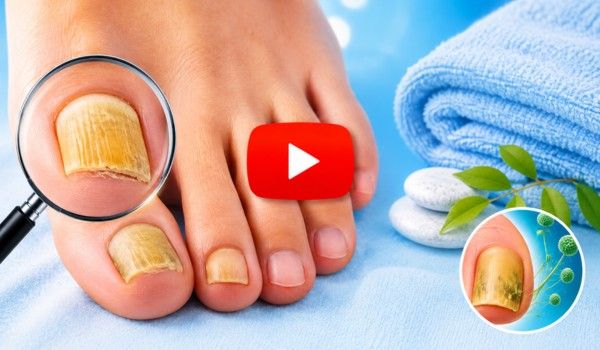
Toenail fungus, commonly called onychomycosis, affects the nail rather than only the surrounding skin. It often develops gradually.
A small area of yellow, white, brown, or otherwise abnormal coloration may first appear along a toenail. Over time, the nail may thicken and become more difficult to cut.
🔷 Common toenail fungus symptoms include:
- Yellow or white discoloration
- Thickened toenails
- Brittle nails
- Crumbly nail edges
- Debris underneath the nail
- Nail distortion
- Nail separation
- Unpleasant odor in some cases
Toenails are affected more frequently than fingernails. Athlete’s foot can also spread to a toenail, which is one reason people may experience both conditions simultaneously.
DON’T TRY THIS “FOOT FUNGUS AND BACTERIAL INFECTIONS” UNTIL YOU SEE THIS
Athlete’s Foot vs Toenail Fungus
| Feature | Athlete’s Foot | Toenail Fungus |
|---|---|---|
| Affected Area | Mainly affects the skin between the toes, soles, and sides of the feet. | Mainly affects one or more toenails. |
| Common Symptoms | Itching, burning, peeling, scaling, and cracked skin. | Thickened, brittle, discolored, or crumbly nails. |
| Appearance | Skin may look red, dry, flaky, or whitish between the toes. | Nails may appear yellow, white, brown, or distorted. |
| Spread | Can spread across the foot or to other people through contaminated surfaces. | Can spread from one nail to another and may occur along with athlete’s foot. |
| Treatment | Often treated with topical antifungal creams, sprays, or powders. | May require topical or prescription oral antifungal treatment. |
What Causes Foot Fungus?
Many cases of athlete’s foot are caused by dermatophytes, fungi that can use keratin found in skin and nails. Warm, moist conditions encourage these organisms.
🔷 Common situations associated with exposure include:
- Locker-room floors
- Communal showers
- Pool decks
- Shared changing areas
- Damp footwear
- Shared socks or shoes
- Contaminated towels
Despite its name, athlete’s foot is not limited to athletes. Anyone can develop the condition.
Is Foot Fungus Contagious?
Yes, foot fungus can be contagious and may spread through direct skin contact or contaminated surfaces. It can also pass through shared towels, socks, shoes, locker-room floors, and public showers. Wearing protective footwear and avoiding shared personal items can help reduce the risk of spreading the infection.
🔷 Someone with athlete’s foot may leave fungal material on:
- Shower floors
- Towels
- Socks
- Shoes
- Bath mats
- Locker-room surfaces
This is why wearing sandals or shower shoes in communal wet areas is often recommended. It is also wise to avoid sharing footwear, socks, or towels with someone who has an active fungal infection.
Main Types of Bacterial Foot Infections
Not every foot problem involving odor, peeling, redness, or irritation is caused by fungus. Several bacterial infections can affect the feet, and they may require different treatments, such as antibiotics or antiseptic care rather than antifungal products.
1. Pitted Keratolysis
Pitted keratolysis is a superficial bacterial infection that mainly affects the soles of the feet, especially in people with excessive sweating or those who wear closed shoes for long periods.
It commonly causes small crater-like pits, softened skin, and a strong unpleasant foot odor. Keeping the feet dry and improving foot hygiene are important for managing and preventing this condition.
🔷 Common signs include:
- Small shallow pits in the soles
- Strong unpleasant odor
- Softened or whitish skin
- Sweaty feet
- Mild itching
- Occasional tenderness
The pits often become easier to see after the feet have been wet. Unlike athlete’s foot, pitted keratolysis is bacterial rather than fungal. Antifungal creams alone therefore may not solve the problem.
Treatment may involve improved foot hygiene, measures to reduce moisture, antiseptic products, and topical antibiotics prescribed or recommended by a healthcare professional.
🔷 Pitted Keratolysis vs Athlete’s Foot
| Feature | Pitted Keratolysis | Athlete’s Foot |
|---|---|---|
| Cause | Bacterial infection | Fungal infection |
| Common Area | Mainly affects the soles and pressure-bearing areas | Commonly affects between the toes, soles, and sides of the feet |
| Appearance | Small crater-like pits or tiny holes in the skin | Peeling, scaling, cracking, or flaky skin |
| Main Symptoms | Strong foot odor, softened skin, and mild discomfort | Itching, burning, redness, peeling, and irritation |
| Common Risk Factors | Excessive sweating and wearing closed shoes for long periods | Moist feet, shared showers, damp footwear, and fungal exposure |
| Treatment | May require antibacterial or antiseptic treatment | Usually treated with antifungal creams, sprays, or powders |
2. Gram-Negative Toe-Web Infection
Gram-negative toe-web infection is a bacterial infection that develops between the toes, often in areas that stay warm, moist, and poorly ventilated.
It can cause soggy or damaged skin, redness, burning, pain, strong odor, and sometimes drainage. Persistent or severe cases should be evaluated by a healthcare professional, as treatment may require targeted antibacterial therapy.
🔷 Possible symptoms include:
- Soggy skin between toes
- Redness or discoloration
- Pain
- Burning
- Strong odor
- Drainage
- Erosion of the skin
- Greenish discoloration in some cases
Pseudomonas aeruginosa is among the bacteria commonly associated with these infections.
Research describing gram-negative toe-web infections notes that pre-existing fungal disease and persistent humid conditions may increase susceptibility. Severe cases can occasionally contribute to cellulitis.
Because treatment differs from ordinary athlete’s foot, persistent wet, painful, draining toe-web infections should be professionally evaluated.
3. Erythrasma
Erythrasma is a superficial bacterial skin infection that commonly develops in warm, moist areas, including between the toes. It may cause reddish-brown or pink patches, mild scaling, itching, and persistent skin discoloration. Keeping the area clean and dry, along with appropriate antibacterial treatment when needed, can help manage the infection.
🔷 The condition may create:
- Brownish or reddish patches
- Fine scaling
- Mild itching
- Well-defined areas of discoloration
- Persistent irritation between toes
Erythrasma can resemble a fungal infection. Healthcare professionals can sometimes distinguish it using a special ultraviolet examination known as a Wood’s lamp. DermNet identifies the toe webs as one of the areas where erythrasma commonly develops.

4. Bacterial Infection Around the Toenail
Bacteria can also infect tissues surrounding a toenail, particularly when the skin barrier is damaged.
🔷 Potential triggers include:
- Ingrown toenails
- Cutting nails too aggressively
- Picking at the cuticle
- Foot injuries
- Blisters
- Improper pedicure practices
🔷 Signs may include:
- Redness around the nail
- Swelling
- Tenderness
- Throbbing
- Warm skin
- Pus or drainage
An infected ingrown toenail should not simply be assumed to be toenail fungus.
Fungal nail infection usually develops relatively gradually, whereas acute bacterial inflammation around the nail may become painful and swollen much more quickly.
5. Cellulitis
Cellulitis is more serious than superficial fungal or bacterial infections. It occurs when bacteria enter through a break in the skin and infect deeper skin tissues. A tiny crack from athlete’s foot, a cut, blister, ulcer, or other injury can potentially provide an entry point.
🔷 Symptoms can include:
- Painful skin
- Warmth
- Swelling
- Expanding redness or discoloration
- Tenderness
- Fever
- Chills
- General feeling of illness
Cellulitis can spread and should not be treated as ordinary athlete’s foot. Antibiotics are typically required. Rapidly spreading skin changes, fever, severe pain, or significant swelling require prompt medical evaluation.
DON’T TRY THIS “FOOT FUNGUS AND BACTERIAL INFECTIONS” UNTIL YOU SEE THIS
Fungal Infection vs Bacterial Infection: How Can You Tell?
There is no perfect at-home method for identifying every foot infection because symptoms overlap. However, certain patterns can provide clues.
🔷 Fungal infections commonly cause:
- Itching
- Scaling
- Peeling
- Dryness
- Cracking
- Toenail thickening
- Toenail discoloration
🔷 Bacterial infections may be more likely to cause:
- Strong foul odor
- Pus
- Drainage
- Significant tenderness
- Warmth
- Rapidly increasing redness or discoloration
- Small crater-like pits
- Marked swelling
These are general patterns rather than guaranteed diagnostic rules.
Eczema, psoriasis, contact dermatitis, warts, mechanical irritation, and other skin conditions can also mimic fungal or bacterial infections.
Can You Have Fungus and Bacteria at the Same Time?
Yes, fungal and bacterial infections can occur at the same time. Athlete’s foot may cause cracks or breaks in the skin between the toes, weakening the skin barrier and allowing bacteria to enter. If an itchy or flaky foot becomes more painful, swollen, wet, foul-smelling, or inflamed, medical evaluation may be needed.
How Are Foot Fungal Infections Diagnosed?
Foot fungal infections are often diagnosed by examining the appearance and location of the affected skin. If the diagnosis is unclear, a healthcare professional may take a small skin scraping or nail sample to check for fungal organisms. This can help confirm the condition before starting longer-term antifungal treatment.
How Are Bacterial Foot Infections Diagnosed?
Bacterial foot infections are usually diagnosed through a physical examination and review of symptoms. In some cases, especially when there is drainage, severe skin breakdown, or repeated infection, a healthcare professional may collect a bacterial culture. Testing helps identify the bacteria involved and guide the most appropriate treatment.
🔷 Treatment for Athlete’s Foot
Many uncomplicated cases of athlete’s foot respond to topical antifungal medicines.
🔷 Products may contain antifungal agents such as:
- Terbinafine
- Clotrimazole
- Miconazole
- Tolnaftate
These medicines may be available as creams, gels, sprays, or powders. Treatment should be used according to the package instructions or a healthcare professional’s guidance.
Stopping treatment immediately after symptoms improve may allow remaining fungi to persist. Keeping the feet dry during treatment is equally important.
Mayo Clinic recommends cleaning and thoroughly drying the feet, particularly between the toes, while using an appropriate antifungal product.
🔷 Treatment for Toenail Fungus
Toenail fungus is usually more difficult to eliminate than athlete’s foot because the organism can live beneath or within the nail structure.
🔷 Treatment options may include:
- Prescription topical antifungal medication
- Prescription oral antifungal medication
- Regular nail trimming
- Professional nail thinning or debridement
- Treatment of simultaneous athlete’s foot
Treatment may require months.
Even once the fungus has been successfully treated, a damaged nail must grow out before a normal-looking nail completely replaces it. Because oral antifungal medicines may not be appropriate for everyone, medical supervision is important.

🔷 Treatment for Pitted Keratolysis
The goal is to reduce bacterial growth while making the foot environment less favorable for recurrence.
🔷 Treatment may involve:
- Keeping feet dry
- Frequently changing socks
- Wearing ventilated footwear
- Using antiseptic washes
- Managing excessive sweating
- Prescription topical antibiotics when appropriate
Improving moisture control is particularly important because wearing sweaty, enclosed footwear can contribute to recurrence.
🔷 Treatment for Cellulitis
Cellulitis usually requires prescription antibiotics because it is a bacterial infection that affects the deeper layers of the skin. Treatment may involve oral antibiotics, while severe cases may require intravenous medicine in a hospital. Rapidly spreading redness, swelling, fever, or increasing pain should be checked promptly by a healthcare professional.
DON’T TRY THIS “FOOT FUNGUS AND BACTERIAL INFECTIONS” UNTIL YOU SEE THIS
Why Treating the Wrong Infection Can Be a Problem
Using the wrong treatment can delay recovery and sometimes worsen an infection. Antifungal medicines do not treat bacterial infections, while antibiotics do not cure ordinary athlete’s foot. If symptoms keep returning or fail to improve, getting an accurate diagnosis is important before trying additional treatments.
How to Prevent Foot Fungus and Bacterial Infections
Preventing foot infections mainly involves keeping the feet clean and dry, reducing excess moisture, and avoiding contaminated surfaces. Good foot hygiene and proper footwear can make the environment less favorable for fungi and bacteria to grow.
🔷 Keep Feet Clean
Wash your feet regularly with soap and water to remove sweat, dirt, and microorganisms that collect during the day. Pay special attention to the areas between the toes, where moisture and debris can easily become trapped.
🔷 Dry Carefully
Dry your feet thoroughly after bathing, swimming, or exercising, especially between the toes. Remaining moisture can create warm, damp conditions that encourage fungal and bacterial growth.
🔷 Change Damp Socks
Change socks whenever they become sweaty or wet instead of wearing them for long periods. Fresh, dry socks can help reduce moisture buildup and keep the feet more comfortable.
🔷 Rotate Shoes
Allow shoes to dry completely before wearing them again, particularly after exercise or heavy sweating. Rotating between different pairs gives trapped moisture more time to evaporate.
🔷 Choose Breathable Footwear
Wear shoes that provide good airflow whenever possible to help reduce heat and moisture around the feet. Tight or poorly ventilated footwear can create conditions that increase the likelihood of fungal and bacterial growth.
🔷 Wear Footwear in Public Showers
Wear sandals or shower shoes in public showers, locker rooms, swimming pool areas, and similar communal spaces. This reduces direct contact with damp surfaces that may carry fungi or other microorganisms.
🔷 This is particularly useful at:
- Gyms
- Swimming pools
- Dormitory showers
- Locker rooms
- Sports facilities
Do Not Share Footwear
Avoid sharing shoes and socks. Towels should also be washed regularly and not shared when someone has an active fungal infection.
🔷 Keep Toenails Properly Trimmed
Trim nails straight across rather than digging deeply into the corners. This may reduce nail trauma and the likelihood of certain ingrown nail problems.
🔷 Protect Cuts and Blisters
Wash minor injuries and keep them covered while they heal. Broken skin provides an entry point through which bacteria can reach deeper tissues.
People Who Should Be Especially Careful With Foot Infections
Although anyone can develop foot fungus or bacterial infection, certain people should be particularly cautious.
🔷 These include individuals with:
- Diabetes
- Reduced sensation in the feet
- Poor circulation
- Chronic leg swelling
- Immune suppression
- Recurrent foot ulcers
- Previous severe infections
For someone with diabetes or reduced sensation, a small blister, crack, or wound may become significant before substantial pain develops.
Routine foot inspection can therefore be especially important.
DON’T TRY THIS “FOOT FUNGUS AND BACTERIAL INFECTIONS” UNTIL YOU SEE THIS
When Should You See a Doctor?
🔷 Consider medical evaluation if you have:
- Severe foot pain
- Rapidly increasing redness or discoloration
- Significant swelling
- Warm, tender skin
- Pus
- Drainage
- Fever
- Chills
- Deep cracks or open wounds
- Spreading infection
- Persistent infection despite appropriate treatment
- Repeated infections
- A severely damaged toenail
- Diabetes with a new foot wound or infection
Urgent medical attention is particularly important when infection appears to be spreading quickly or is accompanied by systemic symptoms such as fever or chills.
Frequently Asked Questions About Foot Fungus and Bacterial Infections
What is the most common type of foot fungus?
Athlete’s foot, or tinea pedis, is one of the most common fungal infections of the feet. It frequently develops between the toes but can also affect the sole, heel, and sides of the foot.
What does foot fungus usually look like?
Foot fungus may cause peeling, scaling, cracking, itching, burning, or whitish skin between the toes. Some forms produce dry scaling across the sole, while others cause small blisters.
Does smelly feet mean fungus?
Not necessarily.
Fungal infections can sometimes contribute to odor, but strong foot odor can also occur with bacterial conditions such as pitted keratolysis.
What bacterial infection causes holes in the feet?
Pitted keratolysis is a superficial bacterial infection that produces numerous small crater-like depressions or pits, commonly on weight-bearing areas of the sole.
Can athlete’s foot turn into a bacterial infection?
Athlete’s foot itself does not transform into bacteria. However, a fungal infection can cause cracks and skin damage that make it easier for bacteria to enter, resulting in a secondary bacterial infection.
Can toenail fungus spread to the skin?
Fungal organisms may affect both the nails and nearby skin. People with toenail fungus may therefore also experience athlete’s foot, and athlete’s foot can also spread toward the nail.
Why does fungus keep returning?
Reinfection may occur when fungal organisms remain in footwear, when athlete’s foot has not been fully treated, when feet remain chronically damp, or when a toenail remains infected.
Should you moisturize athlete’s foot?
Dry, cracked areas may sometimes benefit from appropriate skin care, but applying heavy moisturizers between already damp toes can increase moisture. Treatment should focus on keeping affected toe webs dry while using suitable antifungal therapy.
Can foot fungus disappear without treatment?
Some very mild symptoms may fluctuate, but established athlete’s foot often persists or returns without appropriate treatment. It may also spread to other areas or the toenails.
How long does foot fungus take to clear?
The duration depends on the type and severity of the infection, the medication used, and whether the feet remain dry. Skin infections may improve relatively quickly with effective therapy, whereas toenail fungus can take much longer because healthy nail growth is slow.
DON’T TRY THIS “FOOT FUNGUS AND BACTERIAL INFECTIONS” UNTIL YOU SEE THIS
Foot Fungus or Bacterial Infection: The Bottom Line
Learning the types of foot fungus and bacterial infections is useful because similar-looking foot problems may require very different treatments.
Athlete’s foot usually affects the skin and commonly causes itching, scaling, cracking, peeling, or burning. Moccasin-type tinea pedis may resemble persistent dry skin, while blistering forms can cause fluid-filled lesions. Toenail fungus mainly affects the nail, producing thickening, discoloration, brittleness, and gradual structural changes.
Bacterial infections may present differently. Pitted keratolysis frequently causes crater-like pits and pronounced foot odor. Bacterial toe-web infections may create painful, soggy, draining areas between the toes.
Erythrasma can produce persistent discolored, finely scaly patches, while cellulitis causes deeper inflammation, warmth, swelling, pain, and sometimes fever.
The most important point is not to assume that every itchy foot is fungal—or that every smelly foot simply needs an antifungal cream.
Keeping your feet clean and dry, changing sweaty socks, allowing shoes to dry, protecting cuts, and wearing footwear in communal wet environments can significantly reduce the conditions that allow infections to develop.
When symptoms become painful, swollen, warm, rapidly spreading, draining, or accompanied by fever—or when a foot problem simply does not respond to appropriate treatment—professional medical evaluation is the safer next step.
References
https://en.wikipedia.org/wiki/Athlete%27s_foot
https://www.webmd.com/skin-problems-and-treatments/understanding-athletes-foot-basics
https://www.healthline.com/health/athletes-foot
https://www.mayoclinic.org/diseases-conditions/athletes-foot/symptoms-causes/syc-20353841
About Us