
7 Supplements For Bloating and Gut Health: Expert Guide
Bloating is a common digestive concern that can cause pressure, fullness, gas, and abdominal discomfort.
While occasional bloating after certain foods or large meals is normal, frequent bloating may be linked to factors such as digestion, gut bacteria balance, food sensitivity, or bowel regularity.
A healthy digestive system depends on balanced gut bacteria, adequate fiber intake, hydration, and proper digestive function.
Many people turn to supplements for bloating and gut health to support digestive comfort.
While supplements are not a replacement for a healthy lifestyle or medical care, certain options may help maintain better gut balance and overall digestive wellness.
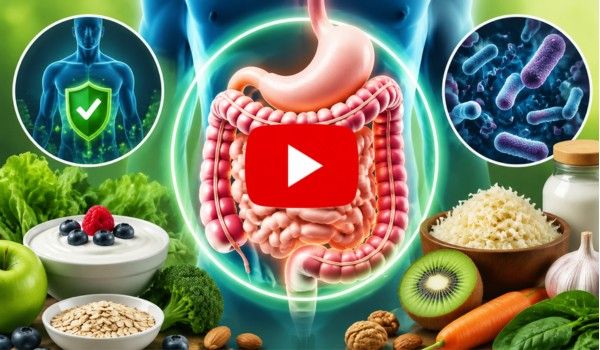

This guide reviews 7 supplements for bloating and gut health based on current understanding of digestive wellness, research, and practical use.
Understanding Bloating and Gut Health
Bloating occurs when the abdomen feels enlarged, tight, or uncomfortable. It can happen because of excess gas, slower digestion, constipation, food sensitivities, changes in gut bacteria, or swallowing air while eating.
The gut contains trillions of microorganisms known as the gut microbiome.
These bacteria play important roles in digestion, nutrient processing, immune function, and maintaining intestinal balance.
When the gut microbiome becomes disrupted, some people may experience digestive symptoms such as gas, irregular bowel movements, and bloating.
Common factors that may contribute to bloating include:
- Eating too quickly
- Low fiber intake
- Sudden dietary changes
- Constipation
- Stress
- Food intolerances
- Imbalanced gut bacteria
- Certain high-fermentable foods
Supporting digestive health usually requires a combination of healthy eating habits, hydration, movement, stress management, and targeted nutritional support.
1. Probiotic Supplements
Probiotics are among the most popular supplements for gut health. They contain live microorganisms that may help maintain a balanced gut microbiome.
A healthy balance of beneficial bacteria supports normal digestion and may help reduce digestive discomfort in some individuals.
Certain probiotic strains have been studied for their potential role in managing bloating, especially among people experiencing functional digestive issues.
📌 How Probiotics May Help With Bloating
The digestive tract naturally contains both beneficial and less beneficial bacteria. When this balance changes, excess fermentation and gas production may occur.
Probiotic supplements may support gut balance by introducing specific beneficial bacteria. These bacteria can help maintain a healthy intestinal environment and support normal digestive processes.
Some probiotic formulas contain multiple strains, while others focus on a single strain designed for a specific digestive goal.
📌 Choosing a Probiotic Supplement
When selecting a probiotic, consider:
- Number of bacterial strains
- Quality testing
- Storage requirements
- Recommended daily serving
- Specific digestive goals
Not every probiotic works the same way. Different strains may provide different benefits, so choosing a product based on individual needs is important.
2. Fiber Supplements
Fiber is essential for digestive health because it supports bowel regularity and helps maintain healthy digestion.
Many adults do not consume enough fiber through their daily diet. Fiber supplements can help increase intake when dietary sources are insufficient.
One of the most commonly used fiber supplements is psyllium husk. It is a soluble fiber that absorbs water and forms a gel-like substance in the digestive tract.
This can help promote smoother bowel movements and support digestive regularity.
📌 How Fiber Supports Gut Health
Fiber acts as food for beneficial gut bacteria. Certain types of fiber are fermented by gut microorganisms, producing beneficial substances that support intestinal health.
Fiber can also help prevent constipation, which is a common contributor to bloating. When waste moves more efficiently through the digestive tract, feelings of fullness and discomfort may improve.
However, fiber should be increased gradually. Adding too much fiber too quickly may temporarily increase gas and bloating because the digestive system needs time to adjust.
📌 Tips for Using Fiber Supplements
- Start with a small amount
- Drink enough water
- Increase intake slowly
- Follow product directions
Fiber works best as part of an overall digestive health routine that includes fruits, vegetables, whole grains, and adequate hydration.

3. Digestive Enzyme Supplements
Digestive enzymes help break down food into smaller nutrients that the body can absorb. The body naturally produces enzymes in the mouth, stomach, and pancreas.
Some people use digestive enzyme supplements to support digestion, especially after meals that commonly trigger discomfort.
Certain enzyme formulas contain ingredients that help break down specific types of food. For example, some enzymes assist with breaking down carbohydrates that may contribute to gas production in sensitive individuals.
📌 How Digestive Enzymes May Reduce Bloating
Incomplete digestion can allow certain food particles to reach the large intestine, where bacteria ferment them and produce gas.
Digestive enzymes may help improve the breakdown of certain foods before they reach the intestines.
📌 Common enzyme categories include:
- Protease for protein digestion
- Lipase for fat digestion
- Amylase for carbohydrate digestion
- Lactase for lactose digestion
The effectiveness of digestive enzymes depends on the individual’s digestive needs and the specific formula used.
📌 Who May Consider Digestive Enzymes?
Digestive enzymes may be considered by people who experience:
- Occasional digestive discomfort after meals
- Difficulty digesting certain foods
- Gas after consuming specific food groups
However, persistent digestive symptoms should always be discussed with a healthcare professional.
4. Peppermint Oil Supplements
Peppermint oil has traditionally been used to support digestive comfort. It contains natural compounds that may influence digestive muscle relaxation.
Enteric-coated peppermint oil supplements are commonly used because the coating helps deliver the oil further into the digestive tract instead of releasing it immediately in the stomach.
📌 How Peppermint Oil Supports Digestion
Peppermint oil may help relax intestinal muscles, which can support smoother digestive movement and reduce feelings of abdominal discomfort.
Some research suggests peppermint oil may be helpful for certain digestive symptoms, including bloating and discomfort associated with irritable bowel patterns.
📌 Important Considerations
Peppermint oil may not be suitable for everyone. People with certain digestive conditions, including acid reflux, may need to use caution because peppermint can worsen symptoms in some individuals.
Always follow recommended serving instructions.
5. Ginger Supplements
Ginger has been used for centuries as a natural digestive aid. It is commonly consumed as tea, food seasoning, or supplement form.
Ginger contains natural compounds that may support digestive movement and help maintain normal stomach function.
📌 How Ginger May Help With Bloating
Slow digestion can contribute to feelings of fullness and discomfort. Ginger may support normal digestive motility, helping food move through the digestive tract more efficiently.
Some people use ginger supplements for:
- Occasional bloating
- Digestive discomfort
- Nausea support
- Post-meal fullness
Ginger should be used according to recommended amounts, especially by individuals taking medications that affect blood clotting or those with specific health concerns.
6. Prebiotic Supplements
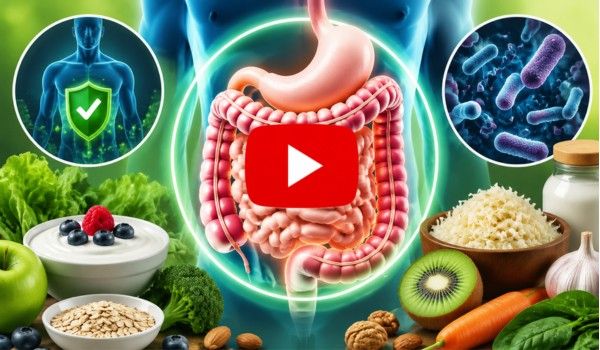
Prebiotics are a type of dietary fiber that provides nourishment for beneficial bacteria living in the digestive system. While probiotics introduce helpful bacteria into the gut, prebiotics help support the growth and activity of existing beneficial microorganisms.
A healthy gut microbiome depends on a steady supply of nutrients. Prebiotic supplements may help create a more supportive environment for beneficial bacteria, which can contribute to better digestive balance.
📌 How Prebiotics Support Gut Health
When beneficial gut bacteria consume prebiotic fibers, they produce compounds that support intestinal health. These compounds may help maintain the protective lining of the digestive tract and support normal digestive function.
Common prebiotic ingredients include:
- Inulin
- Fructooligosaccharides (FOS)
- Galactooligosaccharides (GOS)
- Resistant starch
These fibers are not fully digested in the small intestine. Instead, they travel to the colon, where they become food for gut microorganisms.
📌 Prebiotics and Bloating
Prebiotics can be helpful for long-term gut health, but they require gradual introduction. Since gut bacteria ferment these fibers, some people may temporarily experience increased gas when starting a prebiotic supplement.
For better tolerance:
- Start with a smaller serving
- Increase slowly over time
- Maintain proper hydration
- Monitor how your body responds
People with sensitive digestive systems may need to choose specific prebiotic fibers that are easier to tolerate.
7. L-Glutamine Supplements
L-glutamine is an amino acid naturally produced by the body and found in many foods. It plays an important role in several body processes, including supporting cells in the digestive tract.
The intestinal lining acts as a protective barrier between the digestive system and the rest of the body. Maintaining a healthy intestinal barrier is an important part of overall gut wellness.
📌 How L-Glutamine May Support Gut Health
L-glutamine is used as an energy source by intestinal cells. Researchers have studied its potential role in supporting intestinal barrier function and digestive health.
Some people use L-glutamine supplements as part of a broader approach to maintaining gut comfort, especially when focusing on intestinal health and recovery.
However, more research is still needed to fully understand its effectiveness for different digestive concerns.
📌 Who May Consider L-Glutamine?
L-glutamine may be considered by individuals interested in:
- Supporting intestinal wellness
- Maintaining digestive balance
- Complementing a healthy nutrition routine
As with any supplement, individual needs vary. People with existing health conditions should speak with a healthcare professional before starting new supplements.

How to Choose the Best Supplement for Bloating and Gut Health
Choosing the right supplement depends on the possible cause of digestive discomfort. There is no single supplement that works for everyone because bloating can happen for many different reasons.
A quality supplement should be selected based on:
1. Identify Your Digestive Concerns
Consider your main symptoms:
- Gas after meals
- Irregular bowel movements
- Feeling overly full
- Constipation-related bloating
- Food-related discomfort
Understanding your symptoms can help narrow down which type of support may be most appropriate.
2. Look for Quality Testing
Choose supplements from manufacturers that follow quality standards and provide transparent information about their formulas.
Important factors include:
- Clear ingredient labels
- Proper serving instructions
- Quality manufacturing practices
- Third-party testing when available
3. Avoid Unrealistic Claims
A trustworthy supplement should not promise instant cures or guaranteed results.
Gut health is influenced by many factors, including diet, sleep, stress levels, activity, and hydration. Supplements should be viewed as supportive tools, not replacements for healthy habits.
Lifestyle Habits That Support Gut Health and Reduce Bloating
Supplements may provide additional support, but daily habits remain the foundation of digestive wellness.
➢ Eat More Fiber-Rich Foods
Foods such as vegetables, fruits, legumes, and whole grains provide natural fiber that supports healthy digestion.
However, increasing fiber too quickly may cause temporary bloating. Gradual changes allow the digestive system to adapt.
➢ Stay Hydrated
Water helps fiber move through the digestive tract and supports normal bowel function.
Insufficient hydration may contribute to harder stools and slower digestion.
➢ Eat Slowly
Eating quickly can increase swallowed air, which may contribute to gas and bloating.
Taking time to chew food properly supports the digestive process.
➢ Exercise Regularly
Physical activity supports normal digestive movement and may help maintain regular bowel habits.
Walking after meals can be a simple way to encourage healthy digestion.
➢ Manage Stress
The gut and brain communicate through the gut-brain connection. Stress can influence digestive function and may contribute to discomfort.
Relaxation practices, quality sleep, and stress management can support overall gut wellness.
Safety Considerations Before Taking Gut Health Supplements
Most digestive supplements are considered safe for many healthy adults when used according to directions. However, responses can vary between individuals.
Some people may experience temporary digestive changes when introducing new supplements, especially probiotics, fiber, or prebiotics.
Consider speaking with a healthcare professional before using supplements if you:
- Are pregnant or breastfeeding
- Take prescription medications
- Have a digestive disorder
- Have persistent abdominal pain
- Experience unexplained weight loss
- Notice blood in stool
- Have ongoing digestive symptoms
Persistent bloating should not always be managed with supplements alone. It may require evaluation to identify the underlying cause.
Final Thoughts: Choosing Supplements for Better Gut Health
Bloating can have many causes, from dietary choices and constipation to changes in gut bacteria and digestive function. Finding the right approach often requires understanding your body’s individual needs.
The best supplements for bloating and gut health may include probiotics, fiber supplements, digestive enzymes, peppermint oil, ginger, prebiotics, and L-glutamine. Each option works differently and may support different aspects of digestive wellness.
Probiotics and prebiotics focus on maintaining a balanced gut environment. Fiber supports regular digestion. Digestive enzymes help with food breakdown. Botanical options like peppermint oil and ginger may support digestive comfort.
However, supplements work best when combined with healthy lifestyle habits, including balanced nutrition, hydration, movement, and stress management.
A thoughtful approach that combines evidence-based supplementation with healthy daily practices can help support long-term digestive wellness and a healthier gut.
References
https://en.wikipedia.org/wiki/Irritable_bowel_syndrome
https://www.healthline.com/nutrition/supplements-for-bloating
https://www.webmd.com/digestive-disorders/digestive-enzymes
About Us
