Blueberry Trick for Memory – Can It Boost Brain Health?
Indroduction
Memory plays an important role in everyday life, from remembering important tasks and conversations to maintaining focus and learning new information.
As people age, concerns about forgetfulness and cognitive performance become more common, leading many individuals to explore natural ways to support brain health.
One popular natural approach gaining attention online is the “blueberry trick for memory.” This simple wellness habit involves adding blueberries to your daily routine as a potential way to support memory, focus, and overall cognitive function.
Blueberries are rich in plant compounds called flavonoids, especially anthocyanins, which are responsible for their deep blue color and are being studied for their possible effects on brain health.
While blueberries are not a magic solution that can instantly improve memory, research suggests that including antioxidant-rich foods like blueberries as part of a balanced diet may support healthy brain function.
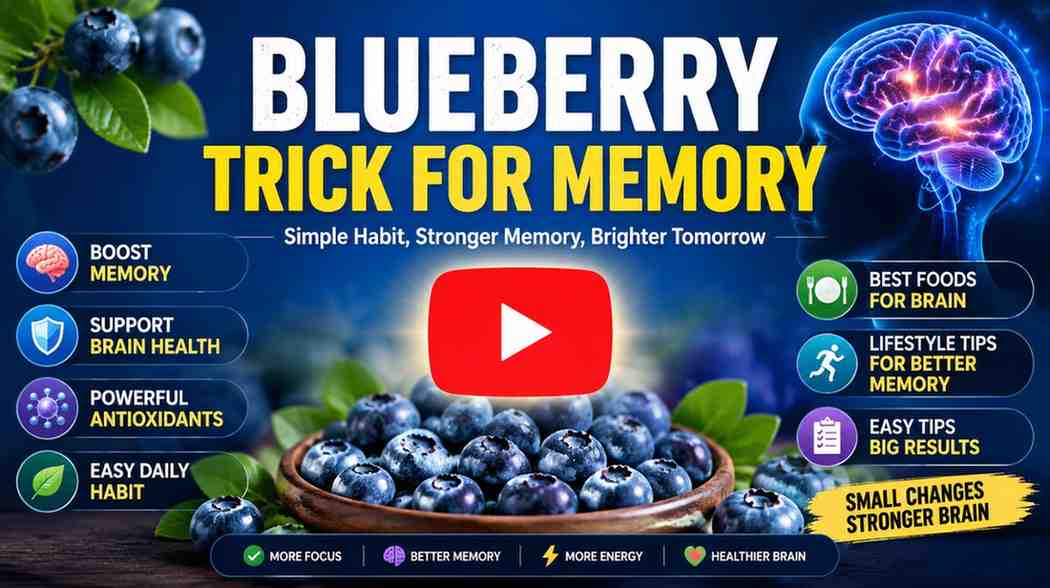

The blueberry trick for memory involves eating blueberries regularly to support brain health, focus, and cognitive function with natural antioxidants.
Studies have explored how blueberry consumption may influence areas such as memory performance, blood flow, and protection against oxidative stress.
In this guide, we will explain what the blueberry trick for memory is, how blueberries may support cognitive health, the science behind their brain benefits, how to use blueberries effectively, and other lifestyle habits that can help maintain memory as you age.
What Is the Blueberry Trick for Memory?
The blueberry trick for memory refers to the practice of regularly consuming blueberries to provide the brain with beneficial nutrients and plant compounds that may support cognitive function.
Unlike complicated routines or expensive supplements, this approach focuses on a simple dietary change: making blueberries a consistent part of your meals or snacks.
Blueberries contain several nutrients and bioactive compounds, including vitamin C, vitamin K, fiber, and powerful antioxidants known as polyphenols.
Among these compounds, anthocyanins have received significant attention because they may help protect brain cells from oxidative stress and support healthy neuronal communication.
The idea behind this memory-supporting habit is that regular intake of blueberries may help create a healthier environment for the brain.
The brain requires proper circulation, protection against cellular damage, and balanced inflammatory responses to function effectively. Nutrient-rich foods containing antioxidants may contribute to these processes.
The blueberry trick is not about eating one serving and expecting immediate memory improvement. It is about consistent support through healthy nutrition.
Many researchers studying blueberries and cognition focus on long-term dietary patterns rather than quick fixes. Some human studies have reported improvements in certain memory measures after blueberry supplementation over several weeks to months, although results can vary depending on study design, dosage, and individual factors.
 DON’T TRY THIS “BLUEBERRY TRICK FOR MEMORY” UNTIL YOU SEE THIS
Why Are Blueberries Considered a Brain Food?
Blueberries are often called a brain-friendly food because they contain compounds that may support several processes involved in cognitive health.
1. Rich in Anthocyanins
Anthocyanins are natural plant pigments that give blueberries their blue-purple color. These compounds belong to the flavonoid family and have antioxidant properties.
Research suggests that anthocyanins may help protect cells from oxidative stress, a process caused by unstable molecules called free radicals. Excessive oxidative stress can affect cells throughout the body, including brain cells.
By helping maintain cellular balance, anthocyanins may contribute to overall brain wellness.
2. Supports Healthy Brain Circulation
The brain depends on a steady supply of oxygen and nutrients delivered through blood circulation. Healthy blood flow allows brain cells to receive the resources they need for proper function.
Some studies suggest that blueberry polyphenols may influence vascular function, potentially supporting cognitive performance by promoting healthy circulation.
Healthy circulation is an important foundation for maintaining brain performance.
3. Helps Protect Against Oxidative Stress
The brain uses a large amount of energy compared with many other organs, making it naturally vulnerable to oxidative stress.
Antioxidant-rich foods, including blueberries, may help neutralize free radicals and support the body’s natural defense systems.
Although antioxidants alone cannot prevent all age-related changes, consuming a variety of colorful fruits and vegetables may contribute to overall wellness.
4. Supports Healthy Inflammation Balance
Inflammation is a natural immune response that helps the body repair itself. However, maintaining a healthy inflammatory balance is important for long-term wellness.
Blueberries contain plant compounds that researchers are investigating for their potential role in supporting healthy inflammatory responses.
How Does the Blueberry Trick for Memory Work?
The blueberry trick works by providing the brain with nutrients and plant compounds that may support normal cognitive processes.
When blueberries are consumed, their natural compounds are absorbed and processed by the body. Some of these compounds can interact with biological pathways involved in antioxidant protection, circulation, and cellular communication.
The potential memory benefits of blueberries are believed to come from several combined effects:
🔷 Supporting Brain Cell Communication
Brain cells communicate through complex networks of chemical signals. Healthy communication between neurons is essential for learning, concentration, and memory formation.
Certain flavonoids found in berries have been studied for their potential role in supporting these communication pathways.
🔷 Supporting the Hippocampus
The hippocampus is an area of the brain strongly involved in memory formation and learning.
Researchers have explored whether dietary patterns rich in flavonoids may support healthy hippocampal function, especially as people age.
🔷 Supporting Mental Performance
Memory is connected with many aspects of brain function, including attention, processing speed, and executive function.
Clinical studies examining blueberries have reported improvements in some cognitive measures, although results are not identical across all research.
What Does Research Say About Blueberries and Memory?
Scientific interest in blueberries and brain health has increased because of their high flavonoid content.
One human study examined the effects of wild blueberry supplementation in older adults experiencing early memory decline. After 12 weeks, researchers observed improvements in memory-related outcomes, suggesting that blueberries may have potential as part of a brain-supportive diet.
Another review examined multiple blueberry intervention studies and found that blueberries may improve certain measures of cognitive performance. However, researchers noted that differences in study methods, blueberry amounts, and participant groups make it difficult to determine one exact recommendation for everyone.
Large observational research has also found associations between higher flavonoid intake, especially from berries, and slower rates of cognitive decline among older adults.
Best Time to Eat Blueberries for Memory
There is no specific “perfect” time that guarantees better memory benefits from blueberries. The most important factor is consistency. Eating blueberries regularly as part of a balanced diet may provide more long-term support than consuming them occasionally.
However, many people prefer to add blueberries to their morning routine because they provide natural nutrients and antioxidants that complement a healthy breakfast.
Morning Blueberry Routine
Starting the day with blueberries can be a simple way to increase fruit intake. You can add them to:
- Oatmeal
- Greek yogurt
- Smoothies
- Whole-grain cereal
- Chia pudding
Combining blueberries with protein, healthy fats, and fiber may help create a more balanced meal that supports steady energy throughout the day.
For example, blueberries with Greek yogurt and nuts provide a combination of antioxidants, protein, and healthy fats that can support overall wellness.

How Many Blueberries Should You Eat Daily?
There is no official daily requirement specifically for blueberries. The amount used in scientific studies varies depending on the research design, type of blueberry, and participant group.
Many nutrition experts suggest that adding about ½ to 1 cup of blueberries daily can be a practical amount for most healthy adults as part of a balanced eating pattern.
A serving of blueberries can provide:
- Antioxidants
- Dietary fiber
- Vitamins
- Plant compounds that support overall health
However, eating more does not always mean better results.
Consistency matters more than quantity when building healthy habits.
Eating blueberries along with other colorful fruits and vegetables may provide a wider range of nutrients that support the body and brain.
Fresh vs Frozen Blueberries: Which Is Better for Memory?
Both fresh and frozen blueberries can be healthy choices.
🔷 Fresh Blueberries
Fresh blueberries are convenient and can be eaten immediately. They are a great addition to snacks, salads, breakfast meals, and desserts.
Benefits include:
- Natural sweetness
- High water content
- Easy preparation
- Minimal processing
🔷 Frozen Blueberries
Frozen blueberries can also provide important nutrients because they are usually frozen shortly after harvesting. This process helps preserve many of their natural compounds.
Benefits include:
- Available year-round
- Convenient for smoothies
- Long shelf life
- Easy portion control
Frozen blueberries can be especially useful for people who want to include berries regularly without worrying about spoilage.
DON’T TRY THIS “BLUEBERRY TRICK FOR MEMORY” UNTIL YOU SEE THIS
Blueberry Smoothie Recipe for Memory Support
A blueberry smoothie is one of the easiest ways to include blueberries in a brain-supportive diet.
🔷 Simple Blueberry Brain Smoothie
Ingredients:
- 1 cup blueberries
- 1 cup Greek yogurt or unsweetened milk
- 1 tablespoon chia seeds
- ½ banana
- A handful of spinach
- A few ice cubes
Directions:
- Add all ingredients into a blender.
- Blend until smooth.
- Drink immediately for a fresh, nutrient-rich snack.
This smoothie combines blueberries with additional foods that provide fiber, vitamins, minerals, and other beneficial nutrients.
Blueberries vs Memory Supplements
Many people compare natural foods like blueberries with memory supplements.
Both approaches are different.
🔷 Blueberries
Advantages:
- Natural whole food
- Contains multiple nutrients
- Provides fiber
- Easy to include in meals
- Supports overall nutrition
🔷 Memory Supplements
Some supplements are designed with concentrated ingredients that target specific nutrients associated with brain health.
However, supplements should not replace a healthy diet. Whole foods provide a combination of nutrients that work together in ways that are difficult to duplicate in a single capsule.
A healthy diet creates the foundation for long-term brain wellness.
If someone is considering memory supplements, it is important to evaluate ingredients, quality, and personal health needs.
Other Foods That Support Memory and Brain Health
Blueberries are only one example of a brain-supportive food. A variety of nutrient-rich foods can contribute to overall cognitive wellness.
1. Fatty Fish
Fish such as salmon, sardines, and trout contain omega-3 fatty acids, especially DHA.
DHA is an important component of brain cell membranes and plays a role in normal brain function.
2. Nuts and Seeds
Nuts and seeds provide healthy fats, minerals, and antioxidants.
Examples include:
- Walnuts
- Almonds
- Flaxseeds
- Chia seeds
Walnuts are especially popular because they contain plant-based omega-3 fatty acids.
3. Leafy Green Vegetables
Vegetables such as spinach, kale, and broccoli contain nutrients associated with overall health.
They provide:
- Folate
- Vitamin K
- Antioxidants
- Fiber
4. Dark Chocolate
Dark chocolate contains flavonoids that have been studied for their potential role in supporting brain health.
Choosing dark chocolate with higher cocoa content and lower added sugar is generally preferred.
5. Eggs
Eggs provide nutrients such as choline, which is involved in normal brain function.

Lifestyle Habits That Can Improve Memory
While the blueberry trick may support brain health, memory depends on many different lifestyle factors.
A complete approach includes nutrition, movement, sleep, and mental stimulation.
1. Get Quality Sleep
Sleep plays a major role in memory processing.
During sleep, the brain organizes and stores information from the day.
Poor sleep may affect:
- Concentration
- Learning ability
- Mood
- Memory performance
Adults should aim for consistent, high-quality sleep by maintaining a regular bedtime routine.
2. Stay Physically Active
Exercise supports overall circulation and can benefit many aspects of health.
Activities such as:
- Walking
- Swimming
- Cycling
- Strength training
can help support physical and mental wellness.
Regular movement may help maintain healthy blood flow, which is important for brain function.
3. Challenge Your Brain
Mental activities can help keep the brain engaged.
Examples include:
- Reading
- Learning a new skill
- Playing strategy games
- Solving puzzles
- Learning a language
Keeping the brain active encourages continuous learning and mental stimulation.
4. Manage Stress
Long-term stress can affect concentration and memory.
Healthy stress management techniques may include:
- Meditation
- Deep breathing exercises
- Spending time outdoors
- Relaxation activities
- Social connections
Maintaining emotional wellness is an important part of overall brain health.
5. Drink Enough Water
Hydration is often overlooked when discussing memory.
The brain requires proper hydration to function effectively.
Even mild dehydration can affect focus, energy levels, and mental performance.
Drinking enough water throughout the day supports overall wellness.
DON’T TRY THIS “BLUEBERRY TRICK FOR MEMORY” UNTIL YOU SEE THIS
Possible Side Effects of Eating Blueberries
Blueberries are generally considered safe for most people when eaten as part of a normal diet.
However, some individuals may experience digestive discomfort when consuming large amounts.
Possible effects may include:
- Bloating
- Gas
- Stomach discomfort
- Changes in bowel habits
People with specific allergies or medical conditions should discuss dietary changes with a healthcare professional.
Who Should Be Careful With Blueberry Intake?
Although blueberries are nutritious, some people may need additional guidance.
Individuals who should consider speaking with a healthcare provider include:
- People with food allergies
- Individuals managing blood sugar concerns
- People taking certain medications
- Those with specific dietary restrictions
A healthcare professional can provide advice based on personal health circumstances.
Common Questions About the Blueberry Trick for Memory
Can blueberries improve memory immediately?
No. Blueberries are not an instant memory booster. Their potential benefits come from regular consumption as part of a healthy lifestyle.
How long does it take for blueberries to support memory?
Research studies often examine blueberry intake over several weeks or months. Individual results can vary depending on diet, lifestyle, and overall health.
Are frozen blueberries good for memory?
Yes. Frozen blueberries can still provide beneficial nutrients and plant compounds that support a healthy diet.
Can children eat blueberries for brain health?
Yes. Blueberries can be a nutritious fruit choice for children as part of a balanced diet.
Are blueberries better than memory supplements?
Blueberries provide natural nutrients, while supplements provide concentrated ingredients. They serve different purposes and should not be considered direct replacements.
Final Thoughts: Does the Blueberry Trick for Memory Work?
The blueberry trick for memory is a simple nutrition habit that focuses on adding antioxidant-rich blueberries to your daily routine.
Blueberries contain flavonoids, anthocyanins, fiber, and other nutrients that may support healthy brain function, circulation, and protection against oxidative stress.
Scientific research suggests that blueberries may have potential benefits for certain aspects of cognitive performance, especially when included as part of a long-term healthy eating pattern. However, blueberries should not be viewed as a cure for memory problems or a replacement for medical care.
The best approach for maintaining memory is a complete lifestyle strategy that includes nutritious foods, regular exercise, quality sleep, mental stimulation, hydration, and stress management.
References
- https://www.healthline.com/nutrition/foods/blueberries
- https://www.webmd.com/diet/health-benefits-blueberries
- https://www.mayoclinichealthsystem.org/hometown-health/speaking-of-health/the-power-of-blueberries
- https://en.wikipedia.org/wiki/Blueberry
About Us