
What Helps With Prostate Health: Expert Health Guide
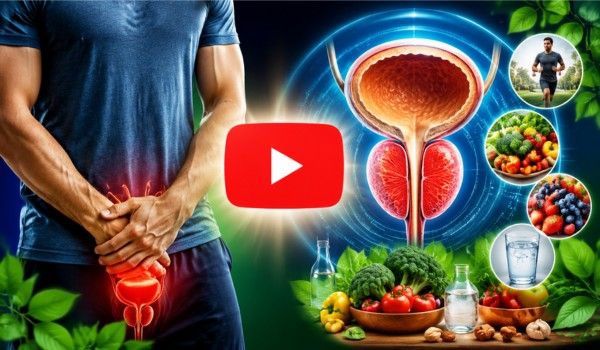
A healthy prostate depends on more than one food, vitamin, or supplement. Regular exercise, a balanced diet, maintaining a healthy weight, staying properly hydrated, and getting medical care when needed are some of the most important ways to support prostate health.
The prostate naturally changes as men age, and problems such as an enlarged prostate, prostatitis, and prostate cancer can become more common.
However, each condition is different, so there is no single remedy that works for every prostate concern.
The good news is that supporting prostate health does not have to be complicated. Simple daily habits can help support overall well-being and may also help manage some urinary symptoms.
Knowing which habits are supported by research and which popular prostate claims lack strong evidence can help you make more informed choices about your health.


In this guide, we’ll cover what supports prostate health, which foods and lifestyle habits may help, whether supplements really work, what to avoid, common myths, and when to see a healthcare professional about prostate symptoms.
What Is the Prostate?
The prostate is a small gland located below the bladder and surrounding part of the urethra. It contributes fluid to semen and is part of the male reproductive system.
As men get older, the prostate commonly becomes larger. This does not necessarily mean cancer.
One of the most common age-related prostate conditions is benign prostatic hyperplasia (BPH). BPH is a noncancerous enlargement of the prostate that can press against the urethra and make urination more difficult.
Common symptoms of an enlarged prostate include:
- Frequent urination
- Urgent need to urinate
- Getting up often during the night
- Difficulty starting urination
- Weak or interrupted urine flow
- Feeling that the bladder has not completely emptied
These symptoms can have different causes, so they should not automatically be assumed to be prostate cancer.
What Helps With Prostate Health?
There is no guaranteed way to prevent every prostate condition. However, several everyday habits can support overall health and may help with some urinary symptoms.
The most practical areas to focus on are:
- Staying physically active
- Maintaining a healthy weight
- Eating a balanced diet
- Limiting alcohol and caffeine when they worsen urinary symptoms
- Managing fluid intake around bedtime
- Avoiding prolonged urine holding
- Getting appropriate medical checkups
- Being cautious with prostate supplements
These habits are more reliable than looking for a single “best” prostate food or supplement. NIDDK specifically recommends physical activity and several lifestyle adjustments for men dealing with BPH symptoms.
 DON’T TRY THIS “PROSTATE HEALTH” UNTIL YOU SEE THIS
Does Exercise Help Prostate Health?
Yes, regular physical activity is a useful part of a prostate-friendly lifestyle.
Exercise supports cardiovascular health, helps with weight management, and may also be associated with a lower risk of developing BPH.
NIDDK lists physical activity among lifestyle measures that may help reduce BPH risk.
You do not need a special prostate workout. Useful forms of activity include:
- Brisk walking
- Swimming
- Jogging
- Cycling
- Strength training
- Recreational sports
The important factor is consistency.
Exercise should not be described as a treatment that can shrink an enlarged prostate. Its value is mainly as part of a healthy lifestyle.
Can Maintaining a Healthy Weight Help the Prostate?
Maintaining a healthy weight is another important part of overall prostate health.
The relationship between body weight and prostate cancer is complex, but the American Cancer Society notes that some studies have linked excess body weight with a higher risk of advanced or potentially fatal prostate cancer.
Healthy weight management can also improve overall metabolic and cardiovascular health.
Instead of following extreme diets, focus on sustainable habits such as:
- Eating more vegetables and fruits
- Choosing whole grains
- Getting regular physical activity
- Limiting highly processed foods
- Avoiding excessive calorie intake
- Maintaining consistent eating habits
The goal is long-term health, not rapid weight loss.
What Foods Are Good for Prostate Health?
There is no single food that has been proven to protect the prostate from every disease.
However, a nutritious eating pattern can support overall health and may be a sensible part of prostate wellness.
The American Cancer Society recommends a diet rich in colorful fruits and vegetables and whole grains, while limiting red and processed meats, sugary drinks, and highly processed foods.
➢ Tomatoes and Lycopene
Tomatoes are often promoted as one of the best foods for prostate health because they contain lycopene, a naturally occurring antioxidant.
This has led to considerable interest in tomatoes and prostate cancer research. However, it is important to separate interest from proven treatment.
NCCIH states that there is not enough evidence to support lycopene for preventing or treating BPH.
Eating tomatoes as part of a balanced diet is reasonable. However, this does not mean tomato products or lycopene supplements can prevent prostate disease.
➢ Cruciferous Vegetables
Vegetables such as broccoli, cauliflower, cabbage, and Brussels sprouts provide fiber and a variety of plant compounds.
They can be included as part of a healthy diet, but claims that these vegetables “cleanse” or “detox” the prostate are not supported by strong clinical evidence.
➢ Fruits and Berries
Fruits and berries provide fiber, vitamins, minerals, and other plant compounds.
Rather than focusing on one “best fruit for the prostate,” eating a variety of fruits is more practical.
➢ Whole Grains, Beans, Nuts, and Seeds
Whole grains, beans, lentils, nuts, and seeds can provide fiber and important nutrients.
Including these foods regularly can improve overall dietary quality and make it easier to maintain a balanced eating pattern.
DON’T TRY THIS “PROSTATE HEALTH” UNTIL YOU SEE THIS
What Foods and Drinks Should You Limit?
Certain foods and beverages may be particularly relevant when a man already has urinary symptoms.
NIDDK recommends reducing or avoiding caffeine and alcohol if they worsen BPH symptoms. It also recommends limiting fluids before bedtime or before situations when frequent bathroom trips are inconvenient.
Depending on your symptoms, you may benefit from:
- Drinking less immediately before bed
- Reducing evening caffeine
- Limiting alcohol
- Reducing sugary drinks
- Eating fewer highly processed foods
- Limiting excessive calorie intake
This does not mean you should stop drinking water. Adequate hydration remains important.
The better strategy is to drink an appropriate amount throughout the day and adjust the timing if nighttime or frequent urination is a problem.
Does Drinking More Water Help the Prostate?
Water is essential for normal body function, but drinking extra water does not shrink an enlarged prostate.
In fact, drinking large amounts of fluid shortly before bedtime can increase nighttime urination in men who already have urinary symptoms.
NIDDK recommends reducing fluid intake before bed or before going out when frequent urination is a concern.
The key is balanced hydration, not excessive water consumption.
Men with medical conditions that affect fluid balance should follow their healthcare professional’s advice rather than changing fluid intake based on online recommendations.

Do Prostate Supplements Work?
This is where prostate-health information online can become confusing.
Many supplements are marketed with claims such as:
- “Supports prostate function”
- “Promotes healthy urine flow”
- “Shrinks the prostate naturally”
- “Flushes the prostate”
- “Prevents prostate problems”
Treat these statements carefully because marketing claims are not the same as clinical evidence.
Some ingredients have been studied, but results vary considerably.
➢ Saw Palmetto
Saw palmetto is one of the most widely marketed supplements for urinary symptoms associated with BPH.
However, the evidence does not strongly support it as an effective treatment. NCCIH reports that a 2023 review of 27 studies found that saw palmetto used alone provided little or no benefit for BPH symptoms.
Saw palmetto appears to be generally well tolerated in studies, although mild side effects such as digestive symptoms, dizziness, and headache can occur.
The important point is that “natural” does not automatically mean effective or necessary.
➢ Lycopene Supplements
Lycopene is found naturally in foods such as tomatoes, but evidence is insufficient to recommend lycopene as a treatment or preventive strategy for BPH.
Eating foods that naturally contain lycopene is different from taking high-dose supplements.
➢ Vitamin E and Selenium
Researchers have also studied vitamin E and selenium for prostate cancer prevention.
The large SELECT clinical trial found that neither vitamin E nor selenium supplements reduced prostate cancer risk. In that study, vitamin E supplementation was associated with a slightly higher prostate cancer risk.
This is an important reminder that taking more vitamins does not necessarily provide more protection.
Can Supplements Replace Prostate Treatment?
No.
A dietary supplement should not be used as a replacement for medical treatment when a prostate condition has been diagnosed.
BPH may sometimes be managed with lifestyle changes when symptoms are mild.
When symptoms are more significant, healthcare professionals may recommend medications, minimally invasive procedures, or surgery depending on the individual situation.
For example, prescription medications for BPH may include:
- Alpha blockers, which relax muscles around the prostate and bladder neck
- 5-alpha reductase inhibitors, which can slow prostate growth and may shrink an enlarged prostate
- PDE-5 inhibitors, which may improve certain urinary symptoms
The appropriate treatment depends on the individual’s symptoms, prostate size, health history, and other factors.
DON’T TRY THIS “PROSTATE HEALTH” UNTIL YOU SEE THIS
Does Ejaculation Improve Prostate Health?
Ejaculation and prostate health are frequently discussed online, particularly in relation to prostate cancer.
Some research has investigated whether ejaculation frequency is associated with prostate cancer risk. However, an association does not prove that ejaculation itself prevents prostate cancer.
Therefore, ejaculation should not be presented as a proven treatment or guaranteed prostate-protection method.
A broader approach involving healthy lifestyle habits and appropriate medical care is more reliable.
What About Prostate Cancer Prevention?
There is no guaranteed way to prevent prostate cancer.
Some risk factors, including age and family history, cannot be changed. The American Cancer Society states that maintaining a healthy weight, staying physically active, and following a healthy eating pattern may be helpful, although the effects of diet and physical activity on prostate cancer risk are not completely clear.
This distinction is important:
Supporting overall health is not the same as guaranteeing protection against prostate cancer.
Men should also discuss prostate cancer screening with a healthcare professional based on their individual age, risk factors, and preferences.
When Should You See a Doctor?
Do not rely on lifestyle changes alone if urinary or prostate symptoms persist.
Consider speaking with a healthcare professional if you experience:
- Persistent difficulty urinating
- Weak or interrupted urine flow
- Frequent nighttime urination
- Painful urination
- Blood in the urine
- Pelvic or prostate-area pain
- Difficulty emptying the bladder
- A significant change in normal urinary habits
Sudden inability to urinate requires prompt medical attention.
A healthcare professional can determine whether symptoms are related to BPH, prostatitis, another urinary problem, or a different condition.

Common Prostate Health Myths
Myth 1: One food can protect the prostate
No single food has been proven to prevent all prostate conditions.
Myth 2: A supplement can cure an enlarged prostate
Supplements such as saw palmetto have been extensively studied, but evidence does not show they are reliable treatments for BPH.
Myth 3: Drinking more water cleans the prostate
Water supports normal hydration, but excessive water does not “flush” or shrink an enlarged prostate.
Myth 4: Urinary symptoms automatically mean prostate cancer
Urinary symptoms can occur with BPH and other conditions. They require evaluation, not automatic assumptions.
Myth 5: Natural products are always safer
Natural products can still cause side effects and may not provide the benefits advertised.
Common Mistakes to Avoid
One of the biggest mistakes is waiting until urinary symptoms become severe before seeking medical advice.
Another is treating online supplement advertisements as clinical evidence.
Other common mistakes include:
- Taking several prostate supplements at the same time
- Assuming higher doses are better
- Drinking excessive amounts of water
- Ignoring persistent urinary changes
- Focusing on one food while ignoring overall diet quality
- Assuming all prostate conditions require the same treatment
- Stopping prescribed treatment without medical advice
A simple, consistent lifestyle is generally more sensible than constantly searching for a new prostate remedy.
DON’T TRY THIS “PROSTATE HEALTH” UNTIL YOU SEE THIS
A Simple Daily Prostate-Health Routine
A practical routine does not need to be complicated.
➢ Morning: Start the day with normal hydration and a balanced breakfast containing nutrient-dense foods.
➢ During the day: Stay physically active, eat vegetables and fruits, choose whole grains and minimally processed foods, and maintain a healthy weight.
➢ Evening: If nighttime urination is a problem, reduce caffeine and alcohol and avoid drinking large amounts immediately before bed.
➢ Long-term: Watch for urinary changes and discuss persistent symptoms, screening questions, and supplements with a healthcare professional.
These habits are not a guaranteed way to prevent prostate disease, but they provide a sensible foundation for overall health.
Conclusion: What Helps With Prostate Health?
So, what helps with prostate health?
The clearest answer is a healthy lifestyle combined with appropriate medical care.
Regular exercise, maintaining a healthy weight, eating a varied diet rich in vegetables, fruits, whole grains, and other minimally processed foods, and limiting alcohol and caffeine when they worsen urinary symptoms can all support better overall health.
For men with BPH symptoms, practical changes such as reducing evening fluids, limiting caffeine and alcohol, staying active, and avoiding prolonged urine holding may help manage symptoms.
At the same time, prostate supplements should be approached carefully. Evidence for popular ingredients such as saw palmetto and lycopene is limited or inconsistent for BPH, while vitamin E and selenium have not been shown to prevent prostate cancer.
The key takeaway: There is no single “best” food, drink, vitamin, or supplement for prostate health. Building healthy daily habits, recognizing symptoms, and getting appropriate medical advice are the most reliable ways to take care of your prostate as you age.
References
Wikipedia – Prostate
https://en.wikipedia.org/wiki/Prostate
Healthline – 6 Foods to Boost Prostate Health
https://www.healthline.com/health/prostate-cancer/foods-for-prostate-health
WebMD – What Is the Prostate and What Does It Do?
https://www.webmd.com/men/prostate-enlargement-bph/what-is-the-prostate/
About Us
