Can Supplements Really Boost Brain Health? Science Guide
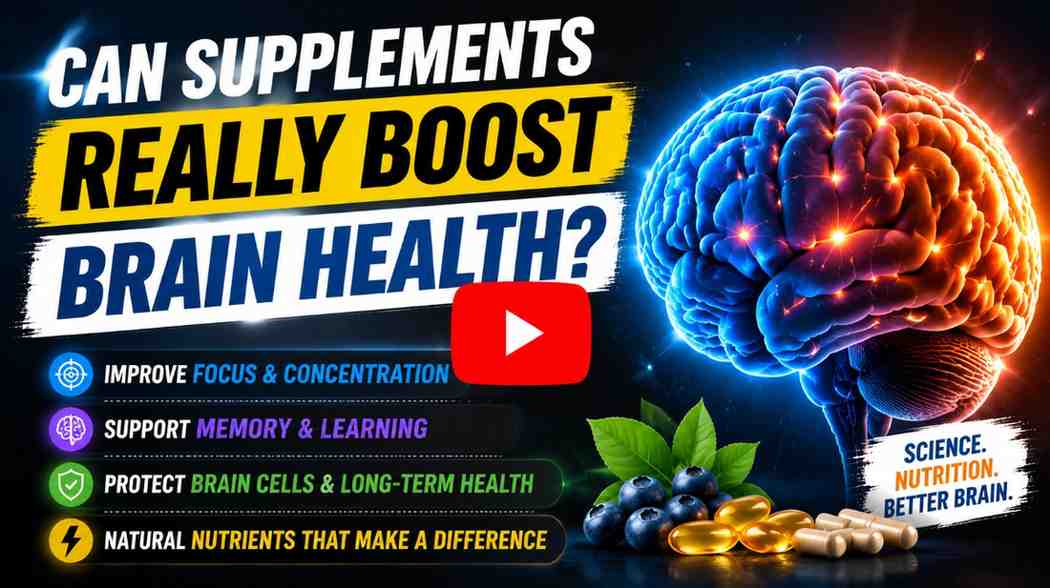
Can Supplements Really Boost Brain Health?
The human brain is one of the most complex and powerful organs in the body. It controls everything from memory and learning to emotions, concentration, decision-making, and overall cognitive performance.
As people become increasingly aware of the importance of maintaining long-term brain health, the demand for cognitive-enhancing supplements has grown significantly.
Walk into any pharmacy or browse online wellness stores, and you’ll find countless products claiming to improve memory, sharpen focus, boost mental clarity, and even protect against age-related cognitive decline.
In this comprehensive guide, we’ll explore the science behind brain health supplements, the most researched ingredients, their potential benefits, limitations, and how to choose the right products for your cognitive wellness goals.
Understanding What “Brain Health” Really Means
Before evaluating supplements, it’s important to understand what “brain health” actually includes.
Brain health is not just about memory. It involves multiple functions such as:
- Memory formation and recall
- Focus and attention span
- Emotional balance and mood stability
- Cognitive processing speed
- Learning ability
- Neuroprotection against age-related decline
A healthy brain depends on proper blood flow, balanced neurotransmitters, reduced inflammation, and a stable energy supply. This means brain function is influenced by nutrition, sleep, stress levels, physical activity, and genetics.
Supplements aim to support one or more of these areas, but rarely address all of them at once.
Why Brain Supplements Became So Popular
Brain supplements, often called “nootropics,” gained popularity due to modern lifestyle challenges such as:
- Increased screen time and digital fatigue
- Chronic stress and anxiety
- Poor sleep quality
- Processed diets lack essential nutrients
- Aging populations are concerned about memory decline
Marketing has also played a major role. Many products promise “instant focus,” “limitless memory,” or “10x brain power,” which creates high expectations.
However, scientific reality is more measured. Some ingredients show potential benefits, but results are usually subtle and gradual rather than dramatic.
Key Nutrients That Support Brain Function
While no supplement can magically enhance intelligence, certain nutrients are essential for brain health.
Omega-3 Fatty Acids
Omega-3s, especially DHA and EPA, are structural components of brain cells. They support communication between neurons and help maintain brain cell integrity.
Research suggests omega-3s may support:
- Memory performance
- Mood stability
- Healthy brain aging
However, benefits are more noticeable in people who have low dietary intake of fatty fish.
B Vitamins (B6, B9, B12)
B vitamins are essential for energy production and neurotransmitter function. They help regulate homocysteine levels, which are linked to brain health.
Adequate levels of B vitamins may support:
- Mental clarity
- Reduced brain fog
- Improved energy metabolism in the brain
Deficiency in B12, in particular, can lead to memory problems and cognitive decline.
Vitamin D
Vitamin D receptors are present in brain tissue, suggesting a role in cognitive function and mood regulation.
Low vitamin D levels have been associated with:
- Fatigue
- Mood disturbances
- Cognitive decline in older adults
Supplementation may help those who are deficient, especially in low-sunlight regions.
Magnesium
Magnesium supports nerve transmission and helps regulate stress responses.
It may contribute to:
- Better sleep quality
- Reduced anxiety
- Improved mental relaxation
Magnesium glycinate and similar forms are often preferred for brain-related benefits due to better absorption.
Antioxidants (Vitamin E, Polyphenols)
Oxidative stress can damage brain cells over time. Antioxidants help neutralize free radicals.
They may support:
- Long-term brain protection
- Reduced inflammation
- Slower cognitive aging
However, evidence for strong cognitive enhancement in healthy individuals remains limited.


Herbal and Botanical Ingredients Often Used in Brain Supplements
Many brain supplements include plant-based ingredients that are marketed for cognitive enhancement.
Ginkgo Biloba
Ginkgo is one of the most studied herbal brain ingredients. It is believed to improve blood flow to the brain.
Potential effects include:
- Mild improvement in memory in older adults
- Better focus in some individuals
- Possible support for cognitive decline
However, results across studies are mixed.
Bacopa Monnieri
Used in traditional medicine, Bacopa is often linked to memory enhancement.
Some studies suggest it may:
- Improve information retention
- Support learning ability over time
- Reduce anxiety levels
However, effects usually take weeks to appear.
Panax Ginseng
Ginseng is known for its energy-boosting properties.
It may help with:
- Mental alertness
- Reduced fatigue
- Temporary focus improvement
But its long-term cognitive effects are still under investigation.
L-Theanine
Found in green tea, L-theanine promotes calm focus.
It may:
- Reduce stress without sedation
- Improve attention when combined with caffeine
- Support relaxation and mental clarity
This is one of the more consistently supported compounds for short-term focus improvement.
What Science Actually Says About Brain Supplements
The research on brain supplements is mixed. Some ingredients show promise, but results depend heavily on context.
What shows modest evidence:
- Omega-3 fatty acids for brain aging support
- B vitamins for deficiency-related cognitive issues
- L-theanine for focus and stress reduction
- Bacopa for long-term memory support
What shows limited or inconsistent evidence:
- “Smart drugs” in over-the-counter blends
- Multi-ingredient nootropic stacks
- Herbal mixtures with exaggerated claims
Key scientific insight:
Most supplements work best when they correct a deficiency rather than enhance already optimal brain function.
In other words, they support balance more than they create enhancement.
Can Supplements Make You Smarter?
This is one of the most common misconceptions.
Supplements do not increase intelligence in a measurable way for healthy individuals. Instead, they may:
- Improve alertness if you are fatigued
- Support memory if you have nutritional gaps
- Enhance focus under stress
- Reduce mental decline risks over time
The difference is subtle but important. Supplements are supportive tools, not cognitive upgrades.
Who May Actually Benefit from Brain Supplements?
Certain groups may see more noticeable effects:
- Older adults with nutrient deficiencies
- Individuals with poor dietary habits
- People under chronic stress or sleep deprivation
- Those with restricted diets (vegan, low-fat, etc.)
- Individuals with clinically low vitamin levels
For these groups, supplements may help restore baseline brain function rather than enhance it beyond normal levels.
Risks and Limitations of Brain Supplements
Although many supplements are marketed as safe, there are still important limitations.
1. Overhyped marketing claims
Many products exaggerate benefits without strong clinical evidence.
2. Ingredient quality varies
Not all supplements contain effective or standardized doses.
3. Potential side effects
Some ingredients may cause:
- Digestive discomfort
- Headaches
- Sleep disturbances
- Interactions with medications
4. Lack of regulation
Supplement quality is not regulated as strictly as prescription medications in many regions.

Lifestyle Matters More Than Supplements
If the goal is better brain health, lifestyle factors play a far greater role than supplements.
Key brain-boosting habits:
- Regular physical exercise
- Quality sleep (7–9 hours)
- Balanced whole-food diet
- Stress management techniques
- Mental stimulation (learning, reading, puzzles)
- Social interaction
These factors have consistently stronger evidence than any supplement alone.
How to Choose a Brain Supplement Wisely
If someone decides to use supplements, careful selection is important.
Look for:
- Transparent ingredient labeling
- Clinically studied doses
- Third-party testing
- Minimal proprietary blends
- Evidence-based ingredients
Avoid products that promise:
- Instant intelligence boost
- Extreme memory enhancement
- “Guaranteed” cognitive transformation
A realistic expectation is gradual support, not dramatic change.
The Future of Brain Health Supplements
Research in neuroscience and nutrition is ongoing. Future developments may include:
- More personalized nutrition based on genetics
- Improved delivery systems for nutrients
- Better understanding of the gut-brain connection
- Clinically validated nootropic compounds
However, for now, the science still supports a cautious and balanced view.
Conclusion
Certain nutrients like omega-3s, B vitamins, and specific herbal compounds may provide modest benefits, especially in cases of deficiency or increased cognitive stress.
However, they work best as part of a broader lifestyle approach that includes proper sleep, nutrition, exercise, and mental engagement.
Supplements should be viewed as support tools—not shortcuts to a better brain. When used responsibly and realistically, they may contribute to long-term cognitive wellness, but they cannot replace foundational healthy habits.
For anyone considering brain supplements, the smartest approach is to prioritize lifestyle first, and use supplementation only as a supportive addition where needed.
References
https://www.healthline.com/nutrition/brain-food
https://en.wikipedia.org/wiki/Nootropic
https://www.webmd.com/brain/foods-that-help-your-memory
About Us