What Is Retrograde Amnesia and How Does It Affect Memory?
Retrograde amnesia is a neurological condition that affects a person’s ability to recall memories formed before a specific brain injury or neurological event.
Unlike normal forgetfulness, this condition disrupts the brain’s ability to access stored long-term memories, sometimes erasing months, years, or even decades of personal history.
Memory is central to identity. It shapes how we understand ourselves, connect with others, and navigate daily life.
When retrograde amnesia occurs, it can feel like a portion of a person’s life has been “erased,” even though those memories may still exist in the brain but are inaccessible.
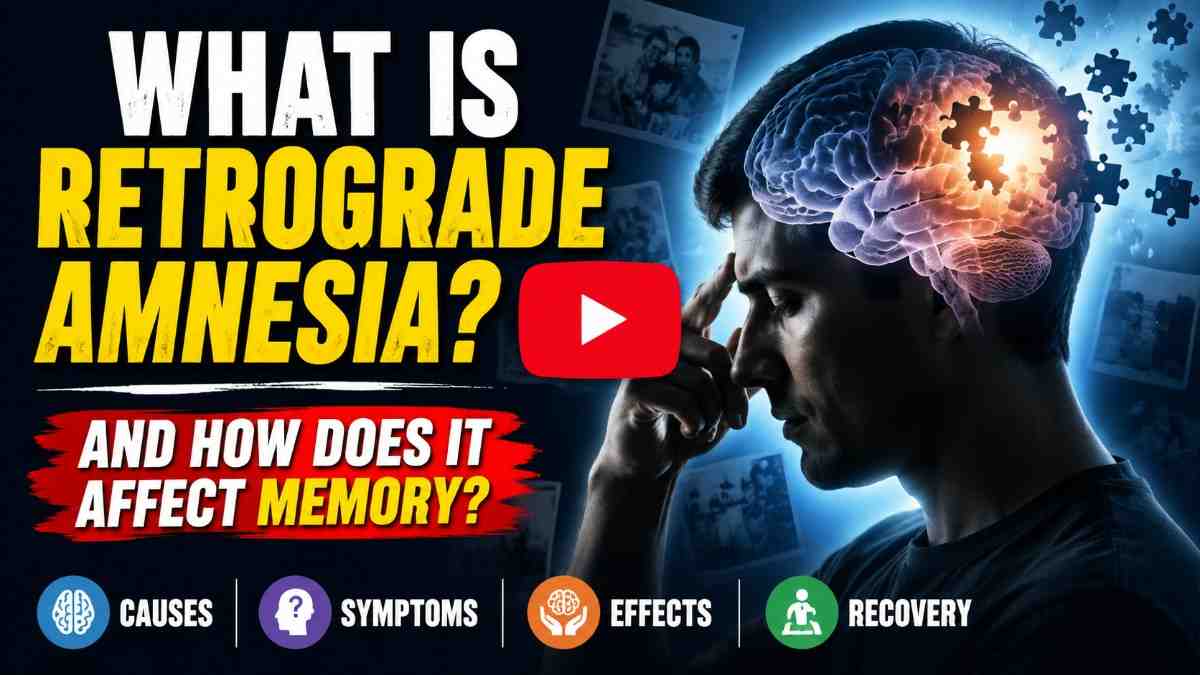

This condition is widely studied in neuroscience because it helps researchers understand how memory is stored, organized, and retrieved in the human brain.
Understanding How Human Memory Works
To understand retrograde amnesia, it is important first to understand how memory functions normally.
Human memory operates through three core stages:
1. Encoding
This is when the brain processes incoming information. For example, when you meet someone new, your brain encodes their face, name, and context.
2. Storage
Once encoded, memories are stored across different brain regions. Long-term memory involves complex neural networks, especially in the hippocampus and temporal lobes.
3. Retrieval
This is the process of accessing stored information when needed. Retrieval depends on healthy brain pathways that allow stored data to be “recalled.”
Memory is also divided into different types:
- Episodic memory – personal life events
- Semantic memory – facts and knowledge
- Procedural memory – skills like walking or driving
Retrograde amnesia primarily affects episodic and semantic memory, while procedural memory is often preserved.
What Is Retrograde Amnesia?
Retrograde amnesia is defined as the loss of access to memories formed before the onset of brain damage or psychological trauma.
According to neurological research, the memories are often not destroyed but are inaccessible due to disruption in retrieval pathways. This is why some patients may partially recover memories over time.
Key characteristics include:
- Loss of past autobiographical memories
- Difficulty recalling personal identity history
- Preservation of new learning ability (in many cases)
- Variable severity depending on brain damage
Unlike anterograde amnesia, where a person cannot form new memories, retrograde amnesia affects only the past.
How Retrograde Amnesia Affects Memory
The effects of retrograde amnesia can vary significantly depending on the severity and cause. However, its impact is usually seen in several core areas of memory function.
Loss of Personal Life Memories
One of the most distressing effects is the inability to recall personal experiences such as:
- Childhood memories
- School life and education
- Marriage, relationships, and family events
- Important emotional experiences
This creates a sense of “lost identity” in severe cases.
Gaps in Autobiographical Memory
People may experience missing “blocks” of time in their life history. For example, they may not remember entire years leading up to a traumatic event.
Difficulty Recognizing Familiar Information
In more severe cases, individuals may forget:
- Names of close friends or relatives
- Places they frequently visited
- Personal achievements or work history
Emotional Disconnection
Even when emotional responses remain intact, the ability to associate emotions with past experiences may be weakened.
Types of Retrograde Amnesia
Retrograde amnesia is not a single condition. It appears in different forms depending on the cause and severity.
1. Temporally Graded Retrograde Amnesia
This is the most common type. Recent memories are lost first, while older memories remain more stable. This supports the idea that older memories are more deeply consolidated in the brain.
2. Focal Retrograde Amnesia
In this form:
- Only memories are affected
- Ability to form new memories remains intact
- Often caused by localized brain injury
3. Generalized Retrograde Amnesia
This involves widespread memory loss covering long periods of life history. It is often linked to severe brain trauma or neurological disease.
4. Psychogenic (Dissociative) Amnesia
This type is caused by psychological trauma rather than physical brain damage. It is often associated with:
- Severe stress
- Emotional shock
- PTSD-related conditions
Causes of Retrograde Amnesia
Retrograde amnesia is always a symptom of an underlying condition. Several neurological and psychological factors can cause it.
Traumatic Brain Injury (TBI)
One of the most common causes is head trauma from:
- Vehicle accidents
- Sports injuries
- Falls
- Physical impact
Damage to the temporal lobes or hippocampus often disrupts memory retrieval systems.
Stroke
A stroke reduces or blocks blood flow to brain regions responsible for memory. This can suddenly erase memories depending on severity.
Brain Infections
Conditions like encephalitis can inflame brain tissue and disrupt memory networks.
Neurodegenerative Diseases
Diseases such as Alzheimer’s gradually damage brain cells involved in memory storage and retrieval.
Severe Alcohol-Related Deficiency
Thiamine (Vitamin B1) deficiency, often linked to alcohol misuse, can lead to Korsakoff syndrome, which includes both retrograde and anterograde amnesia.
Seizure Disorders
Epileptic activity in memory-related brain areas can interfere with memory storage and retrieval.
Brain Regions Involved in Retrograde Amnesia
Several parts of the brain work together to support memory. Damage to any of these can lead to retrograde amnesia:
Hippocampus
- Critical for forming and retrieving memories
- Helps organize information into long-term storage
Temporal Lobes
- Store long-term memory
- Process language and recognition
Thalamus
- Acts as a relay center for memory signals
Frontal Lobes
- Support decision-making and memory retrieval strategies
When these systems are disrupted, the brain may still “contain” memories but cannot access them properly.
Symptoms of Retrograde Amnesia
Symptoms vary widely but often include:
- Inability to recall past events
- Confusion about personal history
- Missing memories of specific time periods
- Difficulty recognizing familiar people or places
- Emotional distress due to memory gaps
- Frustration or anxiety about identity loss
Some individuals may only lose recent memories, while others may lose entire decades of life experience.
Psychological and Emotional Impact
The emotional consequences of retrograde amnesia are often as significant as the cognitive effects.
Identity Disturbance
Because personal memory is closely tied to identity, patients may feel disconnected from who they are.
Depression and Anxiety
Loss of memory can lead to:
- Emotional distress
- Fear of the future
- Confusion about relationships
Relationship Strain
Family members may feel emotionally disconnected from the patient, especially when recognition is impaired.
Stress and Frustration
Not being able to remember one’s own life can be extremely distressing and disorienting.
Diagnosis of Retrograde Amnesia
Diagnosis involves multiple medical and neurological approaches:
Neurological Evaluation
Doctors assess reflexes, coordination, and cognitive function.
Memory Testing
Patients undergo tests to evaluate:
- Short-term recall
- Long-term memory
- Recognition abilities
Brain Imaging
MRI or CT scans help identify:
- Brain injuries
- Stroke damage
- Structural abnormalities
Medical History Review
Doctors evaluate:
- Recent trauma
- Substance use
- Infection history
Treatment and Recovery
There is no direct cure for retrograde amnesia, but treatment focuses on managing the underlying cause.
Medical Treatment
- Treating brain injuries
- Managing infections or strokes
- Addressing vitamin deficiencies
Cognitive Rehabilitation
Therapies may include:
- Memory training exercises
- Cognitive behavioral therapy
- Occupational therapy
Psychological Support
Therapy helps patients cope with:
- Identity confusion
- Emotional distress
- Anxiety and depression
Memory Reconstruction Techniques
Family members and therapists may help rebuild memory using:
- Photos
- Journals
- Personal stories
- Digital records
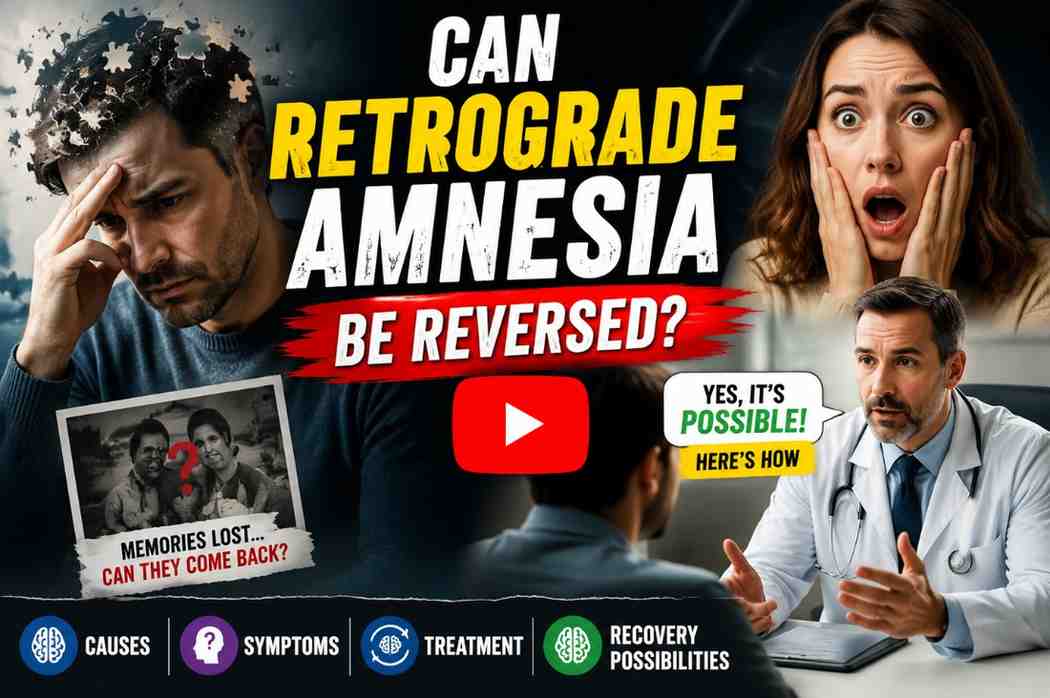
Can Retrograde Amnesia Be Reversed?
Recovery depends on the cause and severity:
- Mild cases may improve over weeks or months
- Temporary amnesia can resolve after brain swelling reduces
- Severe brain damage may result in permanent memory loss
In some cases, memories may slowly return as the brain heals or reorganizes itself.
Living With Retrograde Amnesia
Patients often adapt using structured strategies:
- Daily routines for stability
- Memory notebooks or digital reminders
- Family support systems
- Relearning life history through external cues
Even without full memory recovery, many individuals can regain independence and quality of life.
Why Retrograde Amnesia Is Important in Science
Studying this condition helps scientists understand:
- How memories are stored in networks
- Why some memories are more resilient than others
- How identity is tied to memory
- How the brain compensates for damage
It also helps improve treatments for brain injury and dementia-related disorders.
Conclusion
Retrograde amnesia is a complex and deeply impactful neurological condition that disrupts access to memories formed before brain injury or disease.
While it does not always affect the ability to learn new information, it can significantly alter a person’s identity and life experience.
The condition highlights the fragile nature of human memory and the intricate brain systems responsible for storing personal history.
Although recovery varies, rehabilitation, medical treatment, and emotional support can help individuals adapt and regain meaningful functioning in daily life.
Ultimately, retrograde amnesia is not just a medical condition; it is a powerful reminder of how deeply memory defines who we are.
References
- https://en.wikipedia.org/wiki/Retrograde_amnesia
- https://www.healthline.com/health/retrograde-amnesia
- https://www.webmd.com/brain/amnesia-causes-symptoms-types
.
About Us