Worst Foods for Gut Health – What to Avoid for Better Digestion
Indroduction
Your gut is home to trillions of microorganisms that play a crucial role in digestion, immunity, metabolism, and even mental well-being.
Collectively known as the gut microbiome, these beneficial bacteria help break down food, produce essential nutrients, strengthen the immune system, and maintain the protective lining of the intestines.
However, your daily diet has one of the biggest influences on whether these microbes thrive or decline. While fiber-rich fruits, vegetables, legumes, and fermented foods help nourish beneficial bacteria, certain foods can disrupt the delicate balance of your gut ecosystem.
Diets high in ultra-processed foods, excessive added sugar, unhealthy fats, and certain food additives have been associated with reduced microbial diversity, increased inflammation, and digestive discomfort.
Research continues to suggest that limiting these foods while emphasizing whole, minimally processed foods may support better gut health.
If you’ve been experiencing bloating, constipation, diarrhea, acid reflux, gas, or stomach discomfort, your diet could be playing a larger role than you realize.
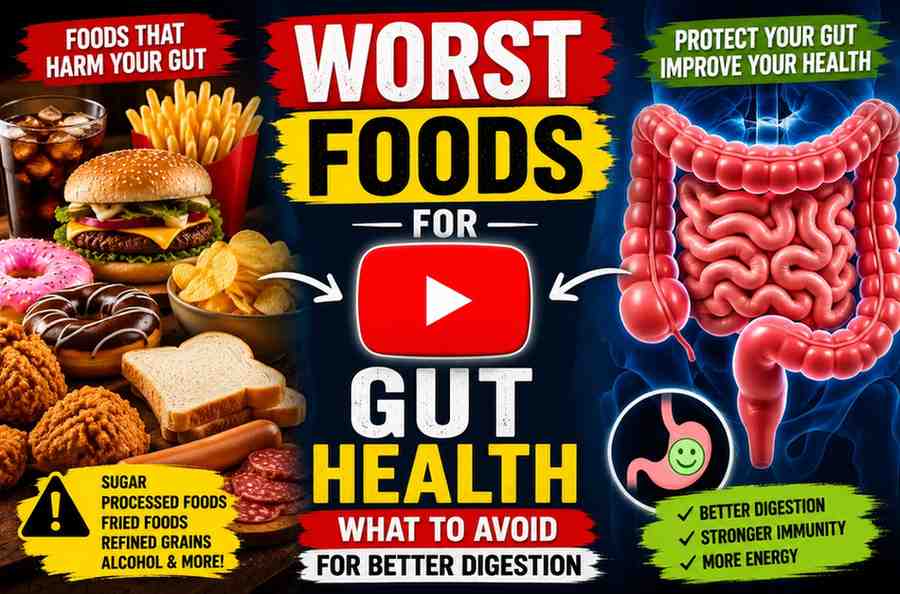

The worst foods for gut health include sugary drinks, processed foods, fried foods, alcohol, and refined grains, which may disrupt gut bacteria and digestion.
In this comprehensive guide, we’ll explore the worst foods for gut health, why they may negatively affect your digestive system, and healthier alternatives that support a thriving gut microbiome.
Why Gut Health Matters
Your gut plays a vital role in keeping your entire body healthy. Beyond digesting food, it helps absorb nutrients, supports a large portion of your immune system, produces certain vitamins, and communicates with your brain through the gut-brain axis, influencing mood and overall well-being.
When your gut microbiome is balanced with beneficial bacteria, digestion works more efficiently, and inflammation is better regulated.
However, a poor diet and unhealthy lifestyle habits can disrupt this balance, leading to digestive issues such as bloating, constipation, diarrhea, and potentially affecting your long-term overall health.
Your gut influences:
- Digestion and nutrient absorption
- Immune function
- Hormone regulation
- Vitamin production
- Blood sugar balance
- Weight management
- Inflammation
- Brain health through the gut-brain axis
Scientists estimate that nearly 70% of immune cells reside within the digestive tract, making gut health an important component of overall wellness.
When harmful bacteria outnumber beneficial bacteria—a condition called gut dysbiosis—people may experience:
- Frequent bloating
- Gas
- Diarrhea
- Constipation
- Food sensitivities
- Fatigue
- Skin problems
- Increased inflammation
- Poor nutrient absorption
Fortunately, dietary changes can help restore balance over time.
Signs Your Gut May Be Unhealthy
An unhealthy gut can affect digestion and your overall well-being, often showing early warning signs that shouldn’t be ignored. Persistent symptoms such as bloating, gas, constipation, diarrhea, stomach discomfort, frequent heartburn, or unexplained fatigue may indicate that your gut microbiome is out of balance and could benefit from healthier dietary and lifestyle changes.
Common symptoms include:
- Chronic bloating
- Excessive gas
- Acid reflux
- Constipation
- Loose stools
- Abdominal discomfort
- Bad breath
- Brain fog
- Low energy
- Frequent sugar cravings
Although these symptoms can have many causes, diet is one of the first lifestyle factors worth evaluating.
15 Worst Foods for Gut Health
1. Ultra-Processed Foods
Examples include:
- Packaged snacks
- Instant noodles
- Frozen dinners
- Chips
- Processed desserts
- Fast food
These foods are often:
- Low in fiber
- High in additives
- Rich in unhealthy fats
- High in refined carbohydrates
Studies have associated diets high in ultra-processed foods with an increased risk of gut disorders and changes in the gut microbiome.
🔹 Better choice
- Fresh vegetables
- Homemade meals
- Whole grains
- Beans
- Fruits
2. Sugary Drinks
Sugary drinks such as sodas, sweetened juices, energy drinks, and flavored beverages provide large amounts of added sugar with little nutritional value. Regular consumption can upset the balance of beneficial gut bacteria, increase inflammation, and contribute to digestive issues while negatively affecting overall gut health.
Too much added sugar may:
- Feed less beneficial bacteria
- Reduce microbial diversity
- Lower production of beneficial short-chain fatty acids
- Increase inflammation
Recent nutrition guidance also highlights that excessive added sugar can negatively affect gut microbial balance.
🔹 Better choice
- Water
- Sparkling water
- Unsweetened herbal tea
- Infused water
3. Candy and Desserts
Candy, cakes, cookies, pastries, and other sugary desserts are high in refined sugar and low in fiber, making them poor choices for maintaining a healthy gut. Eating these foods frequently can encourage the growth of less beneficial gut bacteria, increase inflammation, and contribute to digestive issues such as bloating and irregular bowel movements.
Cookies, cakes, donuts, pastries, and candy contain:
- Refined sugar
- Refined flour
- Artificial ingredients
Frequent consumption may encourage an imbalance in gut bacteria while replacing healthier, fiber-rich foods.
🔹 Better choice
- Fresh berries
- Greek yogurt
- Dark chocolate (in moderation)
- Homemade fruit desserts
4. Fried Foods
Fried foods are typically high in unhealthy fats and calories, making them harder to digest and more likely to cause bloating, indigestion, and stomach discomfort. Regular consumption may also promote inflammation and negatively affect the balance of beneficial gut bacteria, reducing overall digestive health.
Examples include:
- French fries
- Fried chicken
- Onion rings
- Fried fish
High-fat fried foods may slow stomach emptying and contribute to bloating or indigestion in some people. Diets emphasizing fried foods instead of whole foods are also associated with less favorable gut health patterns.
🔹 Better choice
- Air-fried vegetables
- Roasted potatoes
- Baked chicken
5. Processed Meats
Processed meats such as bacon, sausages, hot dogs, and deli meats are often high in sodium, saturated fat, preservatives, and additives that may negatively affect digestive health. Regular consumption can contribute to inflammation, reduce the diversity of beneficial gut bacteria, and increase the risk of long-term digestive and overall health problems.
Processed meats include:
- Bacon
- Sausage
- Hot dogs
- Salami
- Pepperoni
These foods often contain:
- Preservatives
- Sodium
- Saturated fat
- Nitrites
Higher intake of processed meats has been linked with several chronic health concerns, and dietary patterns high in processed meats are generally not considered supportive of gut health.
🔹 Better choice
- Skinless chicken
- Turkey
- Fish
- Beans
- Lentils
6. Excessive Alcohol
Excessive alcohol consumption can damage the lining of the digestive tract, disrupt the balance of beneficial gut bacteria, and increase intestinal permeability. Over time, this may lead to inflammation, digestive discomfort, poor nutrient absorption, and a higher risk of long-term gut and liver health problems.
Heavy alcohol intake can:
- Irritate the intestinal lining
- Increase intestinal permeability
- Alter gut bacteria
- Increase inflammation
Moderation is important for maintaining digestive health.
🔹 Better choice
- Water
- Kombucha (low sugar)
- Herbal tea
7. Artificial Sweeteners
Artificial sweeteners found in many diet drinks and sugar-free products may alter the composition of gut bacteria in some people when consumed frequently. While research is still evolving, excessive intake may affect the gut microbiome and digestive function, making moderation a sensible approach for overall gut health.
Some sugar substitutes include:
- Aspartame
- Sucralose
- Saccharin
Research into artificial sweeteners and the gut microbiome is ongoing. Some studies suggest that certain sweeteners may alter gut bacterial composition in some individuals, although results vary depending on the sweetener and the person.
🔹 Better choice
- Fruit
- Small amounts of honey
- Dates
8. White Bread and Refined Grains
White bread, white rice, and other refined grains have much of their fiber removed during processing, leaving fewer nutrients to support a healthy gut microbiome. Regularly choosing these foods over whole grains may reduce beneficial gut bacteria and contribute to digestive issues and poor overall gut health.
Without enough fiber:
- Good bacteria receive less nourishment.
- Stool regularity may decline.
- Microbial diversity may decrease.
Whole grains provide prebiotic fibers that better support beneficial gut microbes than refined grains.
🔹 Better choice
- Whole wheat bread
- Oats
- Brown rice
- Quinoa
9. Fast Food
Fast food is often high in unhealthy fats, refined carbohydrates, sodium, and artificial additives while being low in fiber and essential nutrients. Eating it frequently can disrupt the balance of beneficial gut bacteria, promote inflammation, and increase the risk of digestive problems and poor overall gut health.
Fast food often combines several gut-unfriendly characteristics:
- Refined flour
- Processed meat
- Fried foods
- Added sugar
- Low fiber
Eating fast food frequently may reduce the diversity of beneficial bacteria over time.
🔹 Better choice
Prepare meals at home whenever possible.
10. Energy Drinks
Energy drinks are often loaded with added sugars, caffeine, and artificial ingredients that may irritate the digestive system when consumed in excess. Regular intake can disrupt the balance of healthy gut bacteria, contribute to inflammation, and increase the risk of digestive discomfort and poor gut health over time.
Many energy drinks contain:
- High sugar
- Artificial sweeteners
- Excess caffeine
- Acidic ingredients
These combinations may contribute to digestive discomfort in sensitive individuals.
🔹 Better choice
- Green tea
- Black coffee (in moderation)
- Water
11. Foods High in Trans Fats
Although trans fats have been reduced in many countries, they may still appear in some packaged baked goods or imported products.
These fats are generally considered harmful for overall health and offer no nutritional benefit.
🔹 Better choice
Choose foods rich in:
- Olive oil
- Avocados
- Nuts
- Seeds
12. Highly Processed Snack Foods
Highly processed snack foods, such as chips, crackers, and packaged pastries, are often high in refined carbohydrates, unhealthy fats, salt, and artificial additives while being low in fiber.
Regular consumption may reduce beneficial gut bacteria, promote inflammation, and negatively affect digestion and overall gut health.
Examples include:
- Cheese crackers
- Flavored chips
- Packaged pastries
These foods usually contain:
- Refined starches
- Food additives
- Excess sodium
- Little fiber
🔹 Better choice
- Mixed nuts
- Fruit
- Homemade popcorn
- Roasted chickpeas
13. Excessive Red Meat
Red meat can fit into a balanced diet, but consuming large amounts—especially at the expense of plant foods—may not support optimal gut microbial diversity. Choosing moderate portions and emphasizing plant-based foods can benefit gut health.
🔹 Better choice
Alternate with:
- Fish
- Beans
- Lentils
- Tofu
14. Foods with Large Amounts of Emulsifiers
Some packaged foods contain emulsifiers such as:
- Polysorbates
- Carboxymethylcellulose
Emerging research suggests certain emulsifiers may influence the gut microbiome and intestinal barrier, though more human studies are needed.
🔹 Better choice
Choose minimally processed foods with shorter ingredient lists.
15. Low-Fiber Diets
Although this isn’t one specific food, diets consistently low in fiber are among the biggest threats to gut health.
Fiber feeds beneficial bacteria and supports the production of short-chain fatty acids that help maintain a healthy gut lining.
Aim to include:
- Fruits
- Vegetables
- Beans
- Lentils
- Oats
- Whole grains
Foods That Support Gut Health Instead
Replace harmful foods with:
- Yogurt containing live cultures
- Kefir
- Kimchi
- Sauerkraut
- Oats
- Apples
- Bananas
- Garlic
- Onions
- Beans
- Lentils
- Whole grains
- Leafy greens
- Berries
- Nuts
- Seeds
These foods provide fiber, prebiotics, probiotics, vitamins, and antioxidants that nourish beneficial gut bacteria.
Lifestyle Habits That Improve Gut Health
Diet is only one part of the picture. Healthy habits include:
🔹 Stay Hydrated
Adequate water supports digestion and regular bowel movements.
🔹 Exercise Regularly
Physical activity is associated with improved gut microbial diversity.
🔹 Sleep Well
Aim for 7–9 hours of quality sleep each night.
🔹 Manage Stress
Chronic stress can affect the gut-brain axis and contribute to digestive symptoms.
🔹 Avoid Smoking
Smoking is associated with unfavorable changes in the gut microbiome.
🔹 Eat More Fiber
Gradually increase fiber intake while drinking enough water.
One-Day Gut-Friendly Meal Plan
🔹 Breakfast
- Oatmeal
- Blueberries
- Walnuts
- Plain yogurt
🔹 Snack
- Apple
- Almonds
🔹 Lunch
- Grilled chicken
- Brown rice
- Mixed vegetables
🔹 Snack
- Carrot sticks
- Hummus
🔹 Dinner
- Baked salmon
- Sweet potato
- Steamed broccoli
🔹 Dessert
- Fresh berries
Frequently Asked Questions
What is the worst food for gut health?
Ultra-processed foods are often considered among the least supportive choices because they are typically low in fiber and high in refined ingredients and additives.
Is sugar bad for gut bacteria?
Too much added sugar may reduce beneficial bacteria and encourage a less favorable gut environment, particularly when it replaces fiber-rich foods.
Can alcohol damage the gut?
Heavy or frequent alcohol consumption can irritate the digestive tract and alter the balance of gut bacteria.
Are artificial sweeteners harmful?
Research is mixed. Some studies suggest certain artificial sweeteners may alter the gut microbiome in some individuals, while others show smaller or variable effects.
How long does it take to improve gut health?
Some changes in the gut microbiome can occur within days of improving dietary patterns, although lasting benefits typically require consistent healthy eating over weeks to months.
Which foods heal the gut?
Fiber-rich vegetables, fruits, legumes, whole grains, yogurt, kefir, kimchi, and other fermented foods are commonly recommended to support a healthy gut microbiome.
Conclusion
Your gut health is influenced by the choices you make every day. While no single food will instantly damage your digestive system, regularly consuming ultra-processed foods, sugary beverages, fried foods, processed meats, excessive alcohol, and low-fiber meals may gradually disrupt the balance of beneficial gut bacteria and contribute to digestive discomfort.
Instead of focusing only on foods to avoid, aim to build a diet centered on whole, minimally processed foods that are naturally rich in fiber, prebiotics, and probiotics.
Pairing these dietary habits with regular exercise, good sleep, stress management, and proper hydration can help support a healthier gut microbiome and overall well-being. Small, consistent improvements often have the greatest long-term impact.
Reference
About Us