
Why Some GLP-1 Providers Get Bad Reviews
GLP-1 medications (such as semaglutide and tirzepatide) have rapidly transformed weight management and metabolic care, leading to a surge of telehealth clinics and online providers offering access to these treatments. While many patients report life-changing results, others leave negative reviews—sometimes strongly so.
So why do some GLP-1 providers get bad reviews while others maintain excellent reputations? The answer is not usually about the medication itself, but about how care is delivered, managed, and communicated.
In this in-depth guide, we break down the real reasons behind negative reviews, how patients experience telehealth GLP-1 services, and what separates trustworthy providers from poorly rated ones.
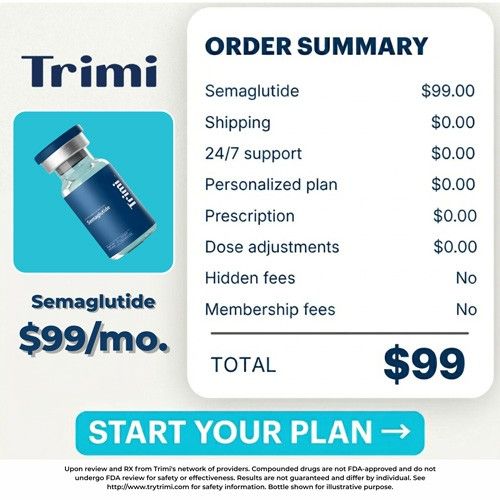
Some GLP-1 providers get bad reviews due to hidden costs, poor communication, lack of medical supervision, shipping delays, and unmet expectations.
Understanding the GLP-1 Telehealth Boom
GLP-1 receptor agonists were originally developed for the management of type 2 diabetes, but are now widely used for weight loss and support of metabolic health. As demand exploded, online telehealth platforms stepped in to provide faster and more accessible care.
However, this rapid expansion has created a “Wild West” environment in online prescribing, where hundreds of providers compete for patients, often with widely varying levels of medical oversight and service quality.
This uneven growth is one of the biggest reasons patient experiences—and reviews—vary so dramatically.
👉 GLP-1 Starting At $59 Per Month – 100% Online
1. Hidden Costs and Misleading Pricing Structures
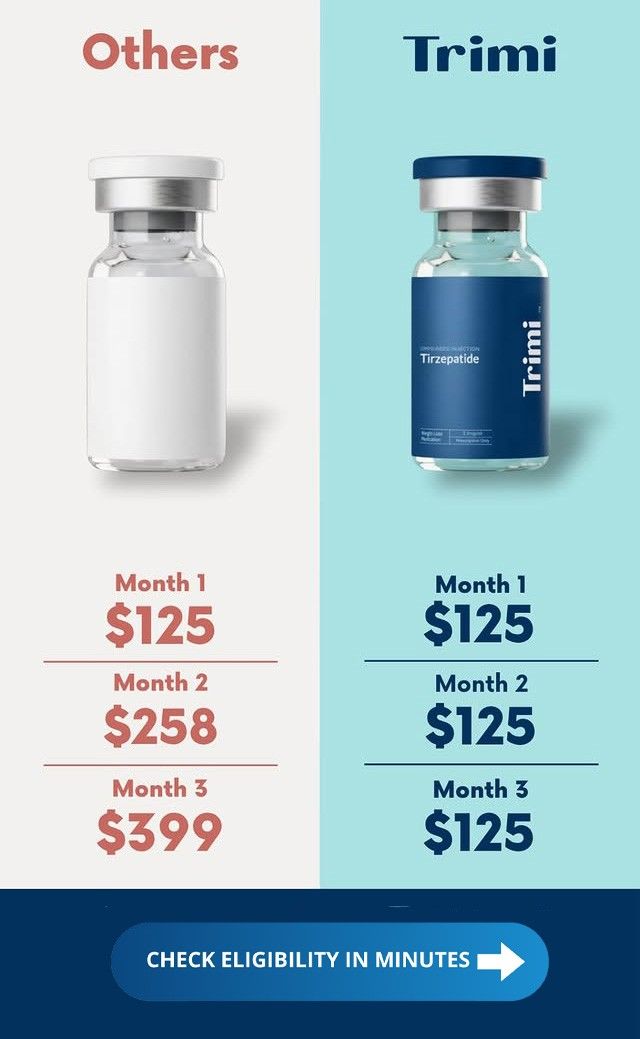
This refers to situations in which a GLP-1 provider advertises a low initial price but later adds extra fees, such as consultation, lab work, or shipping charges. Patients often feel misled when the total cost exceeds expectations.
Many providers advertise low monthly costs like “$99/month” or “affordable access,” but patients later discover:
- Separate medication fees
- Consultation charges
- Lab testing costs
- Shipping or handling fees
- Membership upsells
What initially appears affordable can quickly become significantly more expensive than expected.
This mismatch between marketing and reality often leads to frustration and negative reviews because patients feel misled rather than supported.
Transparent pricing is now considered one of the strongest indicators of a reliable GLP-1 provider.
2. Lack of Real Medical Supervision
This occurs when providers prescribe GLP-1 with minimal physician involvement or limited monitoring. Without proper clinical oversight, patients may feel unsupported during dosing and side effect management.
Some telehealth platforms rely heavily on automated intake forms or minimal consultations rather than:
- Full medical evaluations
- Lab testing before treatment
- Personalized dosing plans
- Ongoing follow-ups
When patients experience side effects like nausea, fatigue, or dosage issues, they often report feeling “left on their own.”
In clinical settings, GLP-1 therapy requires careful monitoring and titration. Without this, patients may experience inconsistent outcomes, leading to dissatisfaction and poor reviews.
3. Compounded Medication Confusion and Safety Concerns
This occurs when patients are not clearly informed about compounded GLP-1 versions versus branded medications. Differences in quality, regulation, and consistency can create confusion and reduce trust.
Compounded versions are often cheaper and more accessible, but they are:
- Not FDA-approved in the same way as branded drugs
- Produced under variable quality standards
- Sometimes inconsistently dosed
Regulators have even issued warnings to telehealth companies over the misleading marketing of compounded GLP-1 products.
Patients who expect identical results to branded medications sometimes feel disappointed when outcomes differ. This gap in expectations frequently shows up in negative reviews.
4. Poor Communication and Slow Customer Support
A large portion of negative reviews are not about the medication—they are about communication breakdowns.
Common complaints include:
- Slow response times from care teams
- Difficulty reaching a clinician
- Lack of clarity about dosage instructions
- Delayed shipping or refill coordination
- Unclear follow-up plans
In a treatment that requires regular adjustment and reassurance, communication is critical. When support teams are slow or unresponsive, patients often interpret it as neglect.
Even effective medication cannot overcome a poor service experience.
👉 Try the Best GLP-1 of 2026 That’s Working for Thousands
5. Unrealistic Expectations About Weight Loss Results
This refers to expecting very fast or effortless weight loss from GLP-1 therapy. When results are slower or more gradual, patients may feel disappointed despite normal medical progress.
Some patients expect:
- Rapid, dramatic weight loss within weeks
- No side effects at all
- Effortless results without lifestyle changes
However, GLP-1 medications typically require:
- Gradual dose increases
- Time for metabolic adjustment
- Dietary and behavioral support
When results are slower than expected, frustration builds quickly.
In reality, the weight-loss response varies significantly among individuals due to metabolism, lifestyle, and medical history.
6. Side Effects Without Proper Guidance
This happens when patients experience symptoms like nausea or fatigue but are not given enough support or instructions to manage them. Lack of guidance can make mild side effects feel more serious.
- Nausea
- Fatigue
- Digestive discomfort
- Appetite suppression beyond expectations
When providers do not prepare patients adequately or fail to offer guidance on managing side effects, users often leave negative reviews.
In contrast, strong providers offer:
- Clear onboarding education
- Step-by-step titration guidance
- Nutritional support strategies
- Regular check-ins
Without this structure, patients can feel overwhelmed or unsupported.
7. Overcrowded Market and “Medication Mill” Perception
This describes providers that focus on high-volume prescribing with limited personalization. Patients may feel care is rushed and not individualized, leading to lower satisfaction.
Some low-quality providers:
- Focus on volume rather than care
- Automate prescriptions with minimal evaluation
- Offer limited personalization
- Prioritize subscriptions over outcomes
This leads to what patients describe as “medication mills,” where the experience feels transactional rather than medical.
Even if treatment is technically correct, the lack of personalization leads to poor trust and negative feedback.
8. Shipping Delays and Supply Chain Issues
This refers to late deliveries, refill delays, or medication shortages that interrupt treatment schedules. Since GLP-1 therapy requires consistency, delays often cause frustration.
Patients report:
- Late shipments
- Out-of-stock medications
- Delayed refills
- Poor tracking communication
Because GLP-1 treatments require consistent dosing, any interruption can disrupt progress and lead to frustration.
Even a clinically strong provider can receive poor reviews if their supply chain or pharmacy partners are inconsistent.
9. Regulatory Pressure and Market Instability
The GLP-1 telehealth industry is evolving under increasing regulatory scrutiny. The FDA has recently issued warning letters to multiple telehealth companies for misleading marketing of compounded GLP-1 medications.
This shifting regulatory environment can cause:
- Sudden changes in availability
- Adjustments in treatment protocols
- Service interruptions
- Confusion about what is legally offered
Patients often interpret these disruptions as provider failure, even when they are due to noncompliance.

10. Lack of Personalized Care Plans
This occurs when providers use one-size-fits-all treatment approaches without adjusting dosing or guidance. Patients may feel the care is generic and not tailored to their needs.
- Slower titration
- Alternative dosing schedules
- Nutritional modifications
- Behavioral coaching
Providers that do not tailor treatment plans often receive mixed or negative reviews.
Patients feel like they are receiving a “one-size-fits-all” program rather than individualized medical care.
Personalization is one of the strongest predictors of satisfaction in telehealth weight management programs.
👉 Forbes Reveals Clear GLP-1 Winner For Affordability 2026
11. Confusion Between Brand-Name and Compounded Options
A major source of frustration is misunderstanding the difference between:
- FDA-approved GLP-1 medications
- Compounded alternatives
Some patients believe both are identical, but they are not always equivalent in their formulations or regulations.
When expectations are not properly set, patients may blame the provider for differences in results or side effects.
Clear education at the start of treatment significantly reduces negative feedback.
12. Lack of Long-Term Support Programs
GLP-1 therapy is not just a short-term solution. It often requires:
- Long-term metabolic management
- Lifestyle integration
- Ongoing dose adjustment
Providers that offer only short onboarding support often receive poor reviews once initial enthusiasm fades.
Patients want continuity of care—not just prescription access.
👉 Get GLP-1 At $59 Per Month (Limited Time Offer)
What Good GLP-1 Providers Do Differently
High-rated providers tend to share key traits:
- Transparent pricing from the start
- Licensed medical supervision
- Clear dosing and side-effect guidance
- Reliable pharmacy and shipping systems
- Ongoing patient communication
- Personalized treatment adjustments
These factors dramatically reduce complaints and improve long-term satisfaction.
How Patients Can Avoid Bad Experiences
Before choosing a GLP-1 provider, patients should check:
- Is pricing fully transparent?
- Is there real medical oversight?
- Are lab tests required?
- How responsive is support?
- Are compounded medications clearly explained?
- Is long-term follow-up included?
A little research upfront can prevent most negative experiences.
Final Thoughts
GLP-1 medications themselves are not the reason for bad reviews—most issues come from how telehealth providers structure their care, communication, and pricing.
As the industry continues to grow, patients are becoming more informed, and expectations for transparency and medical quality are rising.
Providers who invest in real clinical care, honest communication, and patient support tend to earn strong reviews. Those who prioritize speed or sales over safety and clarity are the ones most likely to receive criticism.
Understanding this difference is key to navigating the modern GLP-1 landscape safely and effectively.
References
About Us
