
Why Do People Take Ketamine? Medical Uses, Effects & Risks
People take ketamine for several reasons: anesthesia during medical procedures, relief from certain pain conditions, treatment of difficult depression, or recreational effects such as euphoria and detachment. These uses involve very different goals, levels of supervision, and risks.
Ketamine has legitimate medical value, but its growing visibility can create confusion. A hospital anesthetic, a monitored depression treatment, and an illegally purchased substance are not interchangeable.
Understanding why someone takes ketamine requires looking at the condition being treated, the formulation, and the setting.
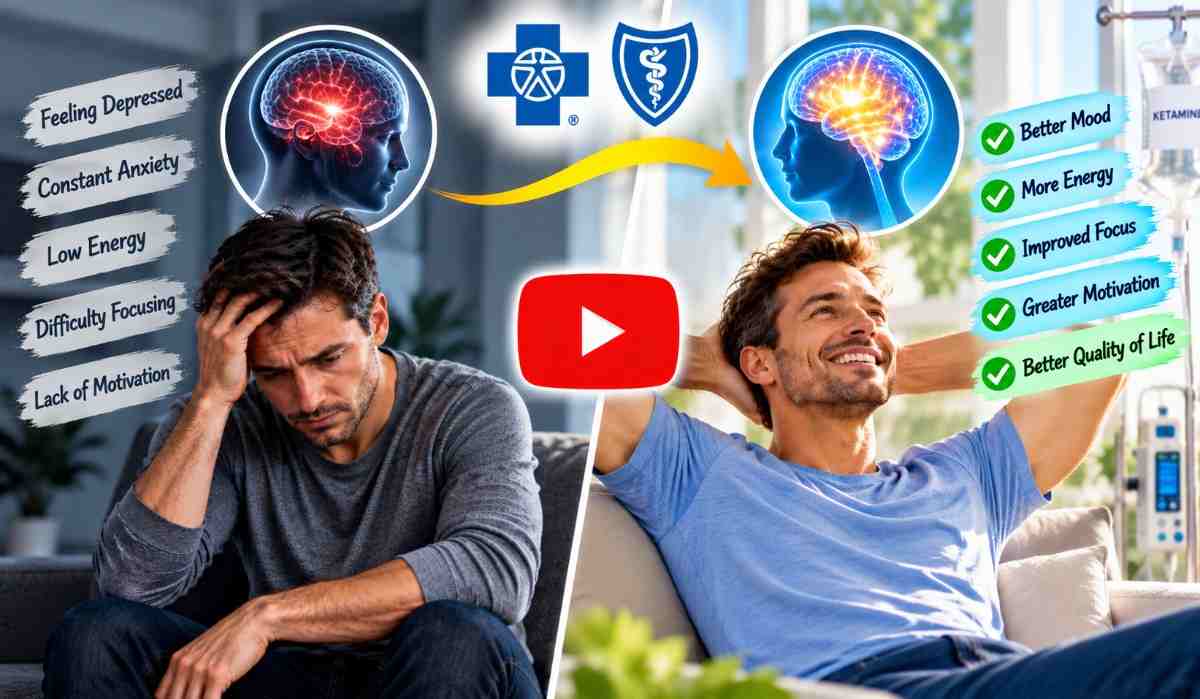
👉 DON’T TRY THIS “WHY DO PEOPLE TAKE KETAMINE” UNTIL YOU SEE THIS
This guide explains ketamine’s main uses, how it affects the brain, what treatment can realistically offer, and which safety concerns deserve attention.
What Is Ketamine?
Ketamine is a dissociative anesthetic. It can reduce pain and awareness while making someone feel disconnected from their body or surroundings. Clinicians have used it in human and veterinary medicine for decades.
In the United States, ketamine is FDA-approved for anesthesia and classified as a Schedule III controlled substance.
That classification recognizes accepted medical uses alongside the potential for misuse and dependence. Calling it only a “horse tranquilizer” overlooks its established role in human healthcare.
The reason for treatment determines how clinicians administer and monitor it. Anesthesia, pain management, and psychiatric care require different assessments and treatment plans.
Why Do People Take Ketamine Medically?
Anesthesia and Procedural Sedation
Ketamine can help patients tolerate painful procedures by providing sedation, pain relief, and reduced awareness.
Emergency teams and anesthesia specialists may choose it for specific procedures or clinical situations.
Although ketamine often preserves breathing better than some other anesthetics, breathing complications remain possible.
Trained staff must monitor the patient and be prepared to manage airway problems. Its medical usefulness does not make unsupervised use safe.
Treatment-Resistant Depression
Some people seek ketamine treatment because depression has continued despite standard care.
Treatment-resistant depression commonly means that at least two adequate antidepressant trials have not produced sufficient improvement.
Intravenous ketamine is sometimes prescribed off-label for depression. Off-label prescribing means a clinician uses an approved medicine for a condition outside its FDA-approved indication.
Ketamine itself is not FDA-approved for psychiatric disorders. Research shows some patients improve within hours or a day.
This speed matters when symptoms are severe, but responses vary. Other patients experience limited benefit, and an initial improvement may fade without further treatment.
Certain Pain Conditions
Specialists may use ketamine for selected acute or chronic pain problems, including some neuropathic pain conditions. It affects pathways involved in pain signaling and sensitization.
However, evidence differs across diagnoses. Ketamine is not an established solution for every headache, backache, or persistent pain complaint.
A pain specialist should explain the evidence for the specific condition, alternatives, and how improvement will be measured.
Ketamine vs. Esketamine: What Is the Difference?
Ketamine and esketamine are related medicines, but their approvals and treatment requirements differ.
Esketamine, sold as Spravato, is an FDA-approved nasal spray for adults with treatment-resistant depression, used alone or with an oral antidepressant. It is also approved, alongside an oral antidepressant, for depressive symptoms in adults with major depression and acute suicidal thoughts or behavior.
That second indication does not mean Spravato has been proven to prevent suicide or reduce suicidal behavior. Hospitalization may still be necessary.
Treatment requires administration under healthcare supervision and at least two hours of monitoring. Compounded ketamine sprays and lozenges do not have the same approval as Spravato.
👉 DON’T TRY THIS “WHY DO PEOPLE TAKE KETAMINE” UNTIL YOU SEE THIS
How Does Ketamine Work in the Brain?
Ketamine blocks NMDA receptors, which respond to glutamate, an important chemical messenger. Glutamate participates in learning, memory, pain processing, and communication between brain cells.
Researchers believe ketamine’s antidepressant effects involve downstream changes in signaling and the brain’s capacity to adapt. However, its full mechanism remains under investigation.
Statements that ketamine “resets the brain” or permanently “rewires depression” simplify a complex process. Biological changes observed in research do not guarantee lasting recovery for an individual.
The temporary altered state and the potential antidepressant response are also different outcomes. Feeling detached during treatment does not, by itself, show whether depression will improve.
Why Do People Use Ketamine Recreationally?
Outside medical care, people may use ketamine for euphoria, unusual sensory experiences, relaxation, or a feeling of escaping everyday concerns. Some seek an altered sense of time or an out-of-body experience.
Others attempt to manage depression, anxiety, emotional distress, or pain without professional support.
These motivations can overlap, and someone may begin experimentally before developing a pattern of repeated use.
The desired effects are unpredictable. An experience that feels pleasant to one person may cause panic, confusion, or a frightening sense of disconnection in another. Impaired judgment and coordination also increase vulnerability to accidents and injury.
👉 DON’T TRY THIS “WHY DO PEOPLE TAKE KETAMINE” UNTIL YOU SEE THIS
What Does Ketamine Feel Like?
People describe floating sensations, dreamlike thoughts, numbness, and changes in how sounds or surroundings seem. Some remain aware of the treatment room while feeling emotionally or physically distant.
Other experiences include dizziness, nausea, blurred vision, anxiety, or difficulty speaking and moving normally.
A “K-hole” is an informal term for profound dissociation, sometimes involving an inability to interact with the environment.
It can be frightening and dangerous outside monitored care. A dramatic experience is not a reliable measure of treatment success.
What Benefits Can Ketamine Treatment Offer?
For appropriately selected patients, potential benefits include rapid improvement in depressive symptoms, relief during painful procedures, or reduced pain in certain specialist settings.
Meaningful improvement should extend beyond the treatment session. Clinicians may assess mood, daily functioning, sleep, self-care, and the ability to participate in ongoing treatment.
A balanced discussion should cover:
- The likelihood of benefit for the diagnosed condition.
- How long improvement might last.
- Follow-up care and possible maintenance treatment.
- Side effects, costs, and alternative treatments.
Ketamine can be one part of care, but it does not replace a complete assessment or continuing mental health support.
What Are the Short-Term Risks?
Ketamine can cause nausea, vomiting, dizziness, sedation, anxiety, confusion, and temporary increases in blood pressure or heart rate. Some people experience distressing hallucinations or agitation.
Serious complications can include breathing problems and loss of consciousness. Combining ketamine with alcohol, opioids, benzodiazepines, or other sedating substances can increase danger.
After treatment, patients should follow their clinician’s instructions about supervision, transportation, and returning to activities.
They should not drive while impaired or assume that feeling alert means coordination and judgment have fully recovered.
Can Ketamine Cause Addiction or Bladder Damage?
Yes. Repeated nonmedical use can lead to tolerance, cravings, escalating use, and difficulty stopping.
Warning signs include using more often than intended, neglecting responsibilities, or continuing despite health problems.
Frequent or heavy use can also damage the urinary tract. Symptoms may include urgency, frequent urination, pelvic pain, or blood in the urine. These symptoms need medical evaluation.
Long-term misuse has also been associated with memory difficulties and other physical complications.
Risks observed in heavy recreational use cannot be directly applied to every supervised treatment course, but prescribed treatment still requires ongoing monitoring.
👉 DON’T TRY THIS “WHY DO PEOPLE TAKE KETAMINE” UNTIL YOU SEE THIS
Who Needs Extra Caution Before Ketamine Therapy?
A medical assessment should review cardiovascular health, psychiatric history, pregnancy, substance use, and all medications or supplements.
Uncontrolled hypertension or conditions in which increased blood pressure could be dangerous may make ketamine unsuitable.
A history of psychosis, significant substance use problems, or other complex health conditions requires careful specialist judgment.
Patients should disclose recreational substances and prescribed medicines honestly. They should never stop antidepressants, sedatives, or other treatment independently to qualify for a ketamine appointment.
Common Ketamine Myths and Online Claims
“It Cures Depression After One Session”
Some people improve quickly, but one session does not establish lasting remission. Symptoms can return, and you may need continued treatment.
“A Prescription Makes Home Use Risk-Free”
A prescription does not remove risks from sedation, interactions, dosing errors, or inadequate monitoring. Compounded products have not undergone FDA approval for psychiatric treatment.
“It Is Proven for Every Mental Health Condition”
Research into PTSD, anxiety, and other conditions is developing. Evidence for one diagnosis should not be presented as proof for another. Claims of guaranteed healing, spiritual breakthroughs, or universal benefits go beyond what research can establish.
How to Discuss Ketamine With a Clinician
Start with the problem you want treated. Ask why ketamine is appropriate, which formulation is proposed, whether the use is off-label, and what monitoring is provided.
Discuss how benefit will be assessed and what happens if treatment fails. A responsible plan should also address side effects, follow-up, and alternatives.
Seek emergency help for unresponsiveness, slow breathing, seizures, or chest pain after ketamine use.
👉 DON’T TRY THIS “WHY DO PEOPLE TAKE KETAMINE” UNTIL YOU SEE THIS
Conclusion
People take ketamine for different reasons, including anesthesia, certain pain conditions, treatment-resistant depression, and recreational effects.
In medical settings, trained professionals assess suitability, monitor reactions, and adjust treatment to individual needs.
Some patients experience rapid relief from depressive symptoms, but benefits vary, and ongoing care may be necessary.
Recreational use carries risks, including impaired judgment, frightening dissociation, dependence, and bladder damage with frequent use.
Ketamine and esketamine also have different approved uses, making accurate information essential. Understanding why people take ketamine means recognizing both its therapeutic potential and its limitations.
If you are considering treatment, speak with a qualified clinician about your diagnosis, available alternatives, expected outcomes, and safety requirements before deciding whether ketamine belongs in your personal healthcare treatment plan.
👉 DON’T TRY THIS “WHY DO PEOPLE TAKE KETAMINE” UNTIL YOU SEE THIS
References
https://www.webmd.com/depression/features/what-does-ketamine-do-your-brain
https://www.mayoclinic.org/drugs-supplements/esketamine-nasal-route/description/drg-20458442
https://en.wikipedia.org/wiki/Ketamine
.
About Us
