
Vicks VapoRub for Herpes Simplex: Risks and Cold Sore Care
Herpes simplex is a common viral infection that can cause painful blisters, sores, itching, tingling, and irritation around the mouth or genital area.
When these symptoms appear, many people look for simple, affordable home remedies that might help soothe discomfort and speed up healing. One product that sometimes comes up in online discussions is Vicks VapoRub.
Vicks VapoRub is not a proven treatment herpfores simplex. It may irritate sensitive sores, so consider medically approved antiviral treatments for relief.
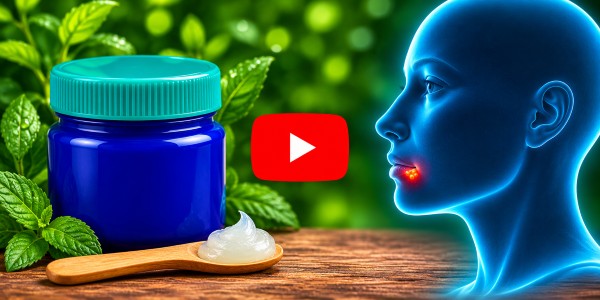
👉 DON’T TRY THIS “VICKS VAPORUB FOR HERPES SIMPLEX” UNTIL YOU SEE THIS
But does Vicks VapoRub for herpes simplex actually work? Can applying this familiar menthol-based ointment help dry out cold sores, reduce irritation, or make herpes blisters disappear faster?
The important distinction is that Vicks VapoRub is not an approved or scientifically established treatment for herpes simplex virus (HSV).
Although its cooling ingredients may create a temporary sensation of relief on some areas of intact skin, that does not mean the product treats the underlying viral infection. Applying it directly to open herpes sores may cause burning, irritation, or additional discomfort.
What Is Herpes Simplex?
Herpes simplex is a viral infection caused by the herpes simplex virus (HSV). It is a widespread infection that can affect the skin, mouth, lips, genital area, and occasionally other parts of the body.
There are two main types of herpes simplex virus
1. Herpes Simplex Virus Type 1 (HSV-1)
HSV-1 most commonly causes oral herpes, which is associated with cold sores or fever blisters around the lips and mouth. However, it can also cause genital herpes through oral-genital contact.
Common symptoms include:
- Small fluid-filled blisters around the lips.
- Tingling or burning sensations before an outbreak.
- Painful sores around the mouth.
- Itching and localized irritation.
- Crusting and scabbing as blisters heal.
- Occasional discomfort when eating or drinking.
Some people with HSV-1 never develop noticeable symptoms, while others experience recurring outbreaks.
2. Herpes Simplex Virus Type 2 (HSV-2)
HSV-2 primarily causes genital herpes. It spreads through sexual contact and can produce recurring outbreaks around the genitals, anus, and surrounding skin.
Common symptoms include:
- Painful blisters around the genital area.
- Small open sores that may develop after blisters break.
- Itching or burning sensations.
- Pain during urination when sores are present nearby.
- Tingling around the affected area.
- Flu-like symptoms during some initial infections.
Both HSV-1 and HSV-2 remain in the body after the initial infection. The virus can become inactive and reactivate later, resulting in recurring symptoms.
Important: Herpes simplex is manageable, but there is currently no established treatment that completely eliminates the virus from the body.
What Is Vicks VapoRub?
Vicks VapoRub is a topical ointment commonly used to provide temporary relief from cough associated with the common cold and minor muscle and joint discomfort.
It is widely recognized for its strong menthol aroma and cooling sensation. The ointment is generally applied to the chest and throat for cough relief or to muscles and joints for temporary relief of minor aches.
Its familiar ingredients have encouraged people to explore different household applications. However, not every suggested use is supported by scientific evidence.
The product’s official drug labeling identifies it as a cough suppressant and topical analgesic. It does not identify herpes simplex, cold sores, or genital herpes as approved uses.
Main Ingredients in Vicks VapoRub
The standard US formulation contains three primary active ingredients.
| Ingredient | Concentration | Primary purpose |
| Camphor | 4.8% | Cough suppressant and topical analgesic |
| Eucalyptus oil | 1.2% | Cough suppressant |
| Menthol | 2.6% | Cough suppressant and topical analgesic |
Concentrations can vary by formulation, so check the product label.
1. Camphor
Camphor is an aromatic substance used in several topical products. It creates a warming or cooling sensation depending on the formulation and application.
It is included in Vicks VapoRub for its intended cough-relief and topical analgesic purposes.
Although camphor is commonly found in topical preparations, there is no established clinical evidence that applying it to herpes lesions eliminates HSV or shortens an outbreak.
Camphor-containing products should not be applied to damaged skin when their labeling specifically prohibits that use.
2. Eucalyptus Oil
Eucalyptus oil is an aromatic ingredient commonly used in products designed for respiratory comfort.
It contributes to the characteristic scent of Vicks VapoRub. Eucalyptus oil contains naturally occurring compounds that have been investigated in laboratory settings for various biological properties.
However, laboratory findings should not be interpreted as proof that eucalyptus oil treats herpes infections in people.
There is insufficient clinical evidence to recommend eucalyptus oil or Vicks VapoRub as a treatment for oral or genital herpes.
3. Menthol
Menthol is responsible for much of the recognizable cooling sensation associated with Vicks VapoRub.
It interacts with cold-sensitive receptors in the skin, creating a temporary cooling feeling.
This sensation may explain why some people believe the ointment can soothe different types of skin discomfort.
However, feeling cooler does not mean that the herpes virus is being controlled. Menthol does not have an established role in treating herpes simplex outbreaks through ordinary topical Vicks VapoRub use.
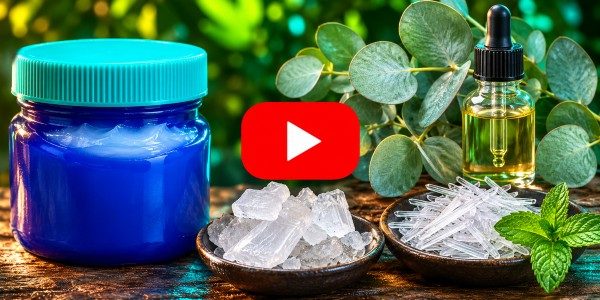
👉 DON’T TRY THIS “VICKS VAPORUB FOR HERPES SIMPLEX” UNTIL YOU SEE THIS
Does Vicks VapoRub Work for Herpes Simplex?
The straightforward answer is no proven benefit has been established.
Vicks VapoRub is not an antiviral medication, and there is no reliable clinical evidence demonstrating that it cures herpes simplex, prevents outbreaks, or speeds up the healing of herpes blisters.
The ointment is formulated for specific uses, including temporary cough relief and minor muscle and joint discomfort.
Herpes simplex is a viral infection that requires a different approach to treatment. Antiviral medications such as acyclovir, valacyclovir, and famciclovir are used to manage herpes infections.
Although some online discussions suggest that Vicks VapoRub may dry out cold sores or reduce itching, these claims should not be confused with proven medical benefits.
In fact, applying the ointment to an active herpes lesion can cause unnecessary irritation.
Can Vicks VapoRub Dry Out Herpes Blisters?
One common belief is that Vicks VapoRub can dry out herpes blisters and help them disappear faster.
There is no established clinical evidence supporting this claim.
Herpes blisters develop as a result of viral activity and inflammation in the affected tissue. Their natural progression generally involves the appearance of small fluid-filled blisters, followed by breaking, crusting, and healing.
Applying Vicks VapoRub does not have a demonstrated ability to interrupt this process.
Furthermore, herpes lesions are often sensitive. Applying a strongly scented ointment containing menthol, camphor, and eucalyptus oil may produce burning or irritation.
Trying to force a blister to dry out is not a recommended approach to herpes care.
Instead, the focus should be on keeping the affected area clean, avoiding unnecessary friction, and following appropriate treatment recommendations.
Potential Risks of Using Vicks VapoRub on Herpes Sores
Although Vicks VapoRub is a familiar over-the-counter product, that does not mean it is suitable for every skin condition.
Its official labeling specifically warns against applying it to wounds or damaged skin. Since herpes sores can involve broken skin and open lesions, applying the ointment directly to an active outbreak is inappropriate.
Here are some potential concerns.
1. Skin Irritation
Herpes lesions can make the surrounding skin especially sensitive.
The combination of menthol, camphor, and eucalyptus oil may cause additional discomfort when applied to an already irritated area.
Possible reactions include:
- Burning sensations.
- Redness.
- Increased irritation.
- Stinging.
- Localized discomfort.
People with sensitive skin may be particularly vulnerable to unpleasant reactions.
2. Increased Discomfort on Open Sores
When herpes blisters break, they can leave exposed, tender skin. Applying a product that is not designed for damaged skin may aggravate the affected area.
Instead of providing relief, the ointment may make an existing sore feel more uncomfortable.
3. Allergic or Sensitivity Reactions
Some individuals may experience sensitivity to topical ingredients, including fragrance components and essential oils.
Symptoms may include redness, itching, swelling, or a rash.
If a reaction develops after using a topical product, discontinue its use and seek medical advice if symptoms persist or worsen.
4. Delayed Appropriate Treatment
One of the most important concerns is relying on an unproven remedy instead of seeking effective treatment.
For some people, early antiviral treatment can reduce the duration and severity of a herpes outbreak.
Using Vicks VapoRub instead of appropriate medical care may delay treatment, particularly during a first episode or a severe outbreak.
5. Risk of Accidental Contact With Sensitive Areas
Vicks VapoRub should never be applied inside the mouth, inside the nose, or to genital mucous membranes. Avoid applying it to the eyes or other highly sensitive areas.
Genital herpes sores require particular care because the surrounding tissue can be delicate and easily irritated.
The safest approach is to avoid applying Vicks VapoRub directly to herpes blisters, open sores, or genital lesions.
👉 DON’T TRY THIS “VICKS VAPORUB FOR HERPES SIMPLEX” UNTIL YOU SEE THIS
What Are the Medically Recommended Treatments for Herpes Simplex?
Unlike Vicks VapoRub, antiviral medications have established clinical uses in managing herpes simplex infections.
These medications work by interfering with viral replication, helping control the infection and reduce symptoms.
They do not eliminate HSV from the body, but they can make outbreaks easier to manage. The three commonly prescribed oral antiviral medications include the following.
1. Acyclovir
Acyclovir is an antiviral medication used to treat HSV infections. It can help reduce the severity and duration of herpes symptoms when started at an appropriate time.
It is available in different formulations, including oral medication and topical products for certain indications. For genital herpes, oral acyclovir is an established treatment option.
A healthcare professional determines the appropriate dose and duration based on the type of infection, outbreak history, and individual health circumstances.
2. Valacyclovir
Valacyclovir is another commonly prescribed antiviral medication. The body converts it into acyclovir, allowing it to help control HSV replication.
It is used for initial and recurrent genital herpes episodes and can also be prescribed for suppressive treatment in appropriate circumstances.
For some individuals, daily suppressive therapy can reduce the frequency of outbreaks and lower the risk of transmitting genital herpes to sexual partners.
3. Famciclovir
Famciclovir is an oral antiviral medication used for certain herpes simplex infections. It can help manage recurrent outbreaks and is another treatment option for genital herpes.
As with other antiviral medications, the treatment schedule depends on the type of infection and the patient’s medical circumstances.
👉 DON’T TRY THIS “VICKS VAPORUB FOR HERPES SIMPLEX” UNTIL YOU SEE THIS
Natural Ways to Support Herpes Symptom Management
Although no home remedy can eliminate herpes simplex, certain self-care practices may help reduce discomfort while the body heals.
The goal is to protect sensitive skin, minimize irritation, and avoid activities that may worsen symptoms.
1. Apply a Cool Compress
A cool, damp cloth can help soothe discomfort around an affected area. Place the clean cloth gently against the skin for a short period. Avoid rubbing or applying excessive pressure to blisters.
Do not place ice directly on the skin because it can cause additional irritation or injury.
2. Keep the Affected Area Clean
Gentle hygiene can help prevent additional irritation. Wash the affected area carefully with water and avoid aggressive scrubbing.
Pat the skin dry using a clean towel or disposable tissue. Avoid sharing towels or other personal items that may come into contact with active sores.
3. Avoid Picking or Scratching Blisters
Herpes blisters can be itchy and uncomfortable, but scratching or picking them may damage the skin. It can also transfer infectious material to other parts of the body.
Wash your hands after accidentally touching an affected area and avoid touching your eyes.
4. Wear Loose, Comfortable Clothing
For genital herpes, tight clothing can increase friction and discomfort. Breathable underwear and loose-fitting clothing may help reduce unnecessary pressure around affected areas.
Avoid activities that cause friction or aggravate painful lesions.
5. Maintain Proper Hydration
Drinking enough water supports normal body functions and overall well-being.
People with painful oral herpes may find it easier to drink cool liquids and avoid acidic or salty foods that irritate their sores.
Hydration does not directly eliminate HSV, but it can help maintain comfort during an outbreak.
6. Get Enough Rest
Sleep and adequate rest support general immune function. Some people report that physical stress, illness, and inadequate sleep are associated with herpes recurrences.
Maintaining a consistent sleep routine, eating a balanced diet, and managing everyday stress may support general health.
However, these lifestyle practices should complement rather than replace appropriate antiviral treatment.
How Long Does Herpes Simplex Take to Heal?
The healing time for herpes simplex varies according to the infection type, whether it is a first episode or recurrence, and individual health circumstances.
A first outbreak may last longer and produce more noticeable symptoms than subsequent episodes. Recurrent outbreaks are often milder and may heal more quickly.
Typical Stages of a Herpes Outbreak
Stage 1: Tingling and Early Warning Signs
Some people experience itching, tingling, burning, or sensitivity before visible sores appear. This early stage is sometimes called the prodromal stage.
Recognizing these symptoms can be helpful because antiviral treatment may be more effective when started early.
Stage 2: Blister Formation
Small fluid-filled blisters may develop around the lips, mouth, genitals, or nearby skin.
These blisters can appear individually or in clusters. The affected area may become painful, swollen, or sensitive.
Stage 3: Blisters Break and Form Sores
The blisters may break, producing shallow and sometimes painful ulcers.
During this stage, the skin is particularly sensitive, and applying inappropriate topical products can increase irritation.
Stage 4: Crusting and Healing
For cold sores, the affected area may develop a crust or scab as healing progresses.
The skin gradually repairs itself, although temporary redness or sensitivity may remain.
Not every herpes outbreak follows exactly the same pattern. Genital herpes lesions may also heal without developing the same type of visible crusting seen with many cold sores.
Vicks VapoRub does not have an established role in accelerating any of these healing stages.
👉 DON’T TRY THIS “VICKS VAPORUB FOR HERPES SIMPLEX” UNTIL YOU SEE THIS
Can Vicks VapoRub Prevent Herpes Outbreaks?
No. There is no reliable clinical evidence that Vicks VapoRub prevents herpes simplex outbreaks. HSV can remain inactive inside nerve cells and reactivate under certain circumstances.
Some commonly reported outbreak triggers include:
- Physical illness.
- Emotional or psychological stress.
- Fatigue.
- Friction or skin irritation.
- Sun exposure, particularly for recurrent oral herpes.
- Changes in general health.
Not everyone experiences the same triggers. People who experience frequent outbreaks may benefit from discussing suppressive antiviral therapy with a healthcare professional.
Daily antiviral treatment can reduce recurrence frequency in appropriate patients. It may also reduce the risk of transmitting genital HSV-2 to an uninfected partner, although it does not eliminate transmission risk.
How to Prevent the Spread of Herpes Simplex
Herpes simplex can spread through direct contact with infected skin, sores, and certain body fluids.
Transmission can occur even when visible symptoms are absent because the virus may be shed from the skin without noticeable lesions.
Taking sensible precautions can help reduce the risk of spreading the infection.
Important Prevention Practices
⇒ Avoid direct contact with active sores: Do not kiss or engage in sexual contact involving an affected area during an outbreak.
⇒ Avoid sharing personal items: Do not share lip balm, razors, towels, or other objects that come into direct contact with affected skin.
⇒ Wash your hands: Clean your hands after touching herpes sores or applying medication.
⇒ Avoid touching your eyes: HSV can sometimes cause eye infections, which require prompt medical assessment.
⇒ Use barrier protection: Condoms and dental dams can reduce the risk of sexual transmission but cannot provide complete protection.
⇒ Discuss HSV status with partners: Open communication can help partners make informed decisions about prevention and testing.
⇒ Consider antiviral treatment: People with frequent genital herpes outbreaks can discuss daily suppressive treatment with their healthcare professional.
Pregnant individuals with genital herpes should inform their obstetric healthcare professional. A herpes infection acquired late in pregnancy can present particular risks to a newborn.
When Should You Seek Medical Advice?
Although herpes simplex is common and manageable, some situations require professional assessment.
Seek medical advice if you experience:
- A first suspected herpes outbreak.
- Severe or worsening pain.
- Frequent or unusually persistent outbreaks.
- Sores that are not healing as expected.
- Difficulty eating or drinking because of oral lesions.
- Painful urination or difficulty passing urine.
- Symptoms that suggest another infection.
- A weakened immune system.
- Herpes symptoms during pregnancy.
Eye symptoms require particular attention. Eye pain, redness, light sensitivity, blurred vision, or suspected herpes involvement around the eye should be assessed urgently because HSV can affect the cornea and threaten vision.
People with weakened immune systems may develop more severe or prolonged herpes infections and should seek medical advice promptly.
A healthcare professional can assess the symptoms and recommend testing when necessary. A swab from a fresh lesion can help identify HSV and distinguish it from other conditions that may look similar.
How Is Herpes Simplex Diagnosed?
Herpes simplex can sometimes be identified through the appearance of characteristic blisters or sores. However, visual examination alone may not always provide an accurate diagnosis.
Other conditions, including certain skin infections, irritation, and inflammatory conditions, can produce similar symptoms.
Healthcare professionals may recommend laboratory testing to confirm the infection.
Common Diagnostic Methods
HSV PCR Testing
A polymerase chain reaction (PCR) test can detect HSV genetic material in a sample collected from a lesion.
This is generally the preferred method for confirming an active herpes lesion when testing is available.
Viral Culture
A healthcare professional may collect a sample from a blister or sore for viral culture. This method can identify HSV, although its sensitivity decreases as lesions begin to heal.
Blood Antibody Testing
Certain blood tests can detect antibodies associated with HSV-1 or HSV-2. However, blood tests have limitations. They do not establish the precise location of an infection, and results must be interpreted in the context of symptoms and medical history.
Accurate diagnosis helps determine whether antiviral treatment is appropriate and whether additional testing is needed.
Conclusion
Vicks VapoRub is a familiar household ointment, but its intended uses are different from the treatment of herpes simplex.
Although its menthol content creates a cooling sensation, there is no reliable clinical evidence that the product cures herpes, kills HSV, prevents outbreaks, or speeds up the healing of cold sores.
More importantly, the official product labeling advises against applying Vicks VapoRub to wounds or damaged skin. Active herpes lesions can involve broken and sensitive skin, making direct application an unsuitable choice.
People experiencing oral or genital herpes should consider medically established treatment options, including antiviral medications such as acyclovir, valacyclovir, and famciclovir when recommended by a healthcare professional.
Simple supportive practices, including gentle hygiene, cool compresses, avoiding friction, and protecting the affected area, can also help manage discomfort.
👉 DON’T TRY THIS “VICKS VAPORUB FOR HERPES SIMPLEX” UNTIL YOU SEE THIS
References
https://www.healthline.com/health/how-to-get-rid-of-a-cold-sore-fast
https://en.wikipedia.org/wiki/Vicks_VapoRub
https://www.webmd.com/skin-problems-and-treatments/cold-sores-at-home-care
.
About Us
