Tingling Hands and Feet in Menopause: Causes & Relief Tips
Menopause is a natural stage of life that brings many changes to a woman’s body. Symptoms include hot flashes and mood changes.
Sleep difficulties and irregular periods are commonly discussed; some women experience less talked-about symptoms, including tingling sensations in the hands and feet.
Many women describe this feeling as pins and needles, numbness, burning, crawling sensations, or mild electric-like sensations in their fingers, toes, hands, or feet. These symptoms may appear occasionally or become a regular discomfort that affects daily activities.
Tingling hands and feet in menopause may occur due to hormonal changes, nerve sensitivity, circulation shifts, and nutrient-related factors.
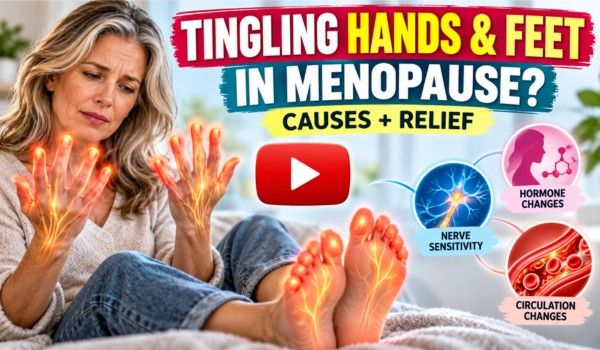

Tingling hands and feet during menopause can be connected to changes in hormones, especially declining estrogen levels, which influence the nervous system, circulation, and overall body function.
Understanding why these sensations occur can help women identify possible triggers, support nerve health, and know when to seek professional medical advice.
This article explains the relationship between menopause and tingling sensations, common causes, symptoms to watch for, lifestyle approaches, and ways to support healthy nerve function.
Understanding Tingling Sensations During Menopause
Tingling is a type of sensation called paresthesia. It occurs when nerves send unusual signals to the brain. These sensations can happen anywhere in the body but are commonly noticed in the hands, fingers, feet, and toes.
During menopause, the body experiences significant hormonal fluctuations. Estrogen levels gradually decline, and this hormone plays an important role in many systems, including:
- Nervous system communication
- Blood circulation
- Brain function
- Inflammation control
- Tissue health
When estrogen levels change, some women may notice changes in how their nerves respond.
Hormonal changes during menopause may affect nerve sensitivity, which can contribute to unusual sensations such as tingling, numbness, or burning.
Tingling may occur during perimenopause, the transition period before menopause, or after menopause when hormone levels remain lower.
Why Do Hands and Feet Tingle During Menopause?
Several factors may contribute to tingling sensations during menopause. Hormonal changes may be are reason, but other body changes can also play a role.
1. Declining Estrogen Levels and Nerve Sensitivity
Estrogen is involved in maintaining healthy nerve function. It helps support communication between nerve cells and may influence the way nerves respond to signals.
🔹 As estrogen levels decline during menopause, some women may experience increased nerve sensitivity. This can result in sensations such as:
- Tingling
- Pins and needles
- Mild numbness
- Burning feelings
- Increased sensitivity to touch
Lower estrogen levels may affect how nerves process sensations throughout the body. The hands and feet contain many small nerve endings, making them areas where changes in nerve signaling may become noticeable.
2. Changes in Blood Circulation
Menopause can affect circulation because hormonal changes influence blood vessels and cardiovascular function.
🔹 Reduced circulation to the hands and feet may sometimes create sensations such as:
- Cold fingers or toes
- Tingling feelings
- Temporary numbness
- A sensation of heaviness
When blood flow is reduced, nerves may not receive optimal oxygen and nutrients, which can affect normal nerve communication.
Regular movement, hydration, and healthy lifestyle habits may support circulation and help maintain overall nerve and blood vessel health.
3. Hormonal Effects on the Nervous System
The nervous system relies on chemical signals to send messages between the brain and body. Hormones, including estrogen, interact with these processes.
🔹 During menopause, changes in hormone levels may influence:
- Nerve signaling pathways
- Brain chemistry
- Pain perception
- Sensory processing
Some women may become more aware of body sensations during this transition.
Menopause-related nerve sensations can vary greatly from person to person because every woman experiences hormonal changes differently.
4. Vitamin and Nutrient Changes
Certain vitamins and minerals are important for healthy nerve function. During menopause, changes in diet, metabolism, or absorption may affect nutrient levels.
🔹 Nutrients commonly associated with nerve health include:
- Vitamin B12
- Vitamin B6
- Vitamin D
- Magnesium
- Folate
Low levels of certain nutrients may contribute to symptoms such as tingling, weakness, or numbness. A balanced diet rich in nutrients can help support the nervous system.
5. Increased Stress and Sleep Changes
Many women experience increased stress, anxiety, and sleep disturbances during menopause. Stress can affect the nervous system by increasing muscle tension, changing breathing patterns, and influencing how the body processes sensations.
Poor sleep may also make nerve-related symptoms feel more noticeable because the body has less time to recover.
🔹 Common menopause-related stress factors include:
- Hot flashes at night
- Hormonal mood changes
- Difficulty staying asleep
- Daily emotional stress
Better sleep and stress management may support overall nervous system balance during menopause.
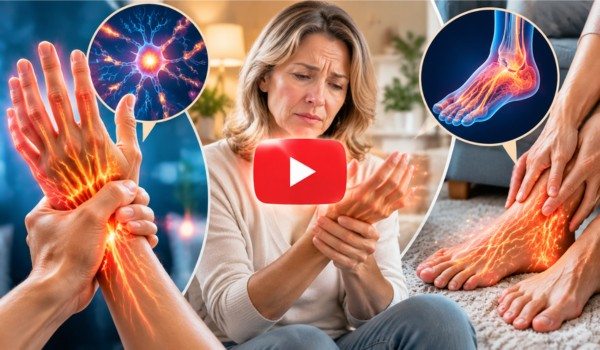
Common Symptoms of Tingling Hands and Feet in Menopause
Tingling symptoms can feel different for every woman. Some may experience mild sensations, while others may notice stronger discomfort.
🔹 Common descriptions include:
⬩➤ Pins and Needles Feeling
Many women describe tingling as a sensation similar to when a body part “falls asleep.” It may feel like tiny prickling sensations in the fingers, hands, toes, or feet.
⬩➤ Numbness
Some women may experience reduced sensation in certain areas. This may happen temporarily or occur more frequently.
⬩➤ Burning Sensation
A warm or burning feeling in the feet or hands may accompany tingling sensations.
⬩➤ Electric-Like Sensations
Some women describe brief sensations similar to small electrical impulses moving through their hands or feet.
⬩➤ Increased Sensitivity
The skin may feel more sensitive than usual, especially in the fingers and toes.
Where Does Tingling Usually Occur?
Although tingling can appear anywhere, menopause-related sensations are often reported in:
⬩➤ Hands and Fingers
🔹 Women may notice tingling in:
- Fingertips
- Palms
- Wrists
- Entire hands
Activities involving repetitive hand movements may sometimes make symptoms more noticeable.
⬩➤ Feet and Toes
🔹 The feet contain many nerves, and tingling may appear in:
- Toes
- Soles of the feet
- Heels
- Lower legs
Some women notice symptoms more at night when they are resting.
⬩➤ Arms and Legs
In some cases, tingling may extend beyond the hands and feet into the arms or legs.
Are Tingling Hands and Feet a Normal Part of Menopause?
Tingling can occur during menopause, but it should not automatically be assumed that every sensation is caused only by hormonal changes.
🔹 Many menopause symptoms overlap with other health conditions. For example, nerve sensations may also be related to:
- Diabetes
- Thyroid changes
- Vitamin deficiencies
- Nerve compression
- Circulation issues
- Certain medications
Always discuss new, severe, or worsening tingling symptoms with a healthcare professional to identify the underlying cause.
How Long Can Tingling Last During Menopause?
The duration of tingling sensations varies among women. Some women experience temporary episodes that come and go, while others may notice symptoms continuing for months or longer.
🔹 Factors that may influence duration include:
- Hormone fluctuations
- Overall health
- Lifestyle habits
- Nutritional status
- Existing nerve conditions
- Stress levels
During perimenopause, symptoms may fluctuate because hormone levels can change significantly from month to month. After menopause, some symptoms may improve as the body adjusts to new hormone levels.
Other Causes of Tingling Hands and Feet During Menopause
While menopause-related hormonal changes can contribute to tingling sensations, several other factors may also affect nerve function.
The body undergoes many changes during midlife, and tingling can sometimes be connected to conditions unrelated to menopause.
Identifying the possible cause can help women choose the right approach for managing symptoms and maintaining overall health.
1. Peripheral Neuropathy
Peripheral neuropathy occurs when nerves outside the brain and spinal cord become irritated or damaged. These nerves help control sensation and movement in the hands and feet.
🔹 Common symptoms may include:
- Tingling sensations
- Numbness
- Burning feelings
- Sharp or stabbing discomfort
- Reduced sensitivity
Peripheral neuropathy often affects both feet or both hands and may gradually progress over time.
Women experiencing persistent tingling should consider discussing nerve health with a healthcare professional to determine the underlying cause.

2. Blood Sugar Changes and Diabetes
Changes in blood sugar levels can affect nerve health. High blood sugar over time may damage small nerves, especially those in the feet and hands.
🔹 Symptoms associated with blood sugar-related nerve changes may include:
- Tingling in toes
- Numbness in feet
- Burning sensations
- Increased sensitivity
Some women may develop blood sugar changes during midlife due to aging, weight changes, lifestyle factors, or metabolic changes.
Maintaining healthy blood sugar levels through balanced nutrition, regular activity, and medical guidance can support long-term nerve health.
3. Vitamin B12 Deficiency
Vitamin B12 plays an important role in maintaining healthy nerves and producing normal blood cells.
🔹 Low vitamin B12 levels may affect nerve communication and lead to symptoms such as:
- Tingling hands and feet
- Weakness
- Balance difficulties
- Fatigue
Women experiencing unexplained nerve sensations may benefit from discussing nutrient levels with a healthcare provider.
🔹 Foods containing vitamin B12 include:
- Eggs
- Dairy products
- Fish
- Meat
- Fortified foods
4. Thyroid Function Changes
The thyroid gland helps regulate metabolism, energy production, and many body functions.
🔹 Thyroid hormone changes may sometimes affect the nervous system and contribute to sensations such as:
- Tingling
- Numbness
- Muscle weakness
- Fatigue
Because thyroid symptoms can overlap with menopause symptoms, proper evaluation can help determine the cause.
5. Nerve Compression
Sometimes tingling occurs because a nerve is compressed or irritated.
🔹 Examples include:
⬩➤ Carpal Tunnel Syndrome
🔹 This condition affects the median nerve in the wrist and may cause:
- Tingling fingers
- Hand weakness
- Numbness at night
⬩➤ Sciatic Nerve Irritation
🔹 Problems affecting nerves in the lower back may cause sensations that travel into:
- Legs
- Feet
- Toes
Poor posture, repetitive movements, or injuries may contribute to nerve pressure.
6. Circulation Problems
Healthy circulation is important for delivering oxygen and nutrients to nerves.
🔹 Poor circulation may contribute to:
- Cold hands and feet
- Tingling sensations
- Skin color changes
- Slow healing
Regular movement, maintaining a healthy weight, and avoiding prolonged sitting may support better circulation.
7. Medication Side Effects
Some medications may affect nerve sensations as a side effect.
🔹 Certain medicines used for:
- Blood pressure
- Cancer treatment
- Infections
- Other chronic conditions
may sometimes contribute to numbness or tingling.
If symptoms begin after starting a new medication, discussing the timing with a healthcare professional can help identify possible connections.
When Should You See a Doctor About Tingling?
Occasional tingling may not always indicate a serious problem, especially during hormonal transitions. However, some symptoms require medical attention.
🔹 Seek professional advice if tingling:
- Becomes frequent or constant
- Gets worse over time
- Causes weakness
- Affects walking or balance
- Occurs suddenly
- Appears with severe pain
- Affects only one side of the body
Sudden numbness or tingling with facial weakness, speech difficulty, or confusion requires immediate medical attention.
How Is Tingling Hands and Feet During Menopause Diagnosed?
A healthcare professional may use several approaches to understand the reason behind tingling sensations.
⬩➤ Medical History Review
🔹 The doctor may ask about:
- When symptoms started
- Where tingling occurs
- How often it happens
- Other menopause symptoms
- Lifestyle habits
- Current medications
Understanding the complete health picture helps identify possible causes.
⬩➤ Physical Examination
🔹 A physical exam may include checking:
- Reflexes
- Muscle strength
- Sensation
- Coordination
- Circulation
This helps determine whether nerves are functioning normally.
⬩➤ Blood Tests
🔹 Blood tests may help identify factors that can affect nerve health, including:
- Vitamin deficiencies
- Blood sugar levels
- Thyroid function
- Other health markers
These tests can help separate menopause-related symptoms from other conditions.
⬩➤ Nerve Testing
In some cases, doctors may recommend additional tests.
🔹 Examples include:
⬩➤ Nerve Conduction Studies
This test measures how quickly electrical signals travel through nerves.
⬩➤ Electromyography (EMG)
This evaluates muscle activity and helps identify nerve or muscle-related problems.
Natural Ways to Support Nerve Health During Menopause
Although every woman’s experience is different, healthy lifestyle habits may support the nervous system and overall well-being during menopause.
1. Maintain a Balanced Diet
A nutrient-rich diet provides essential vitamins and minerals needed for healthy nerve function.
🔹 Include foods such as:
- Colorful vegetables
- Fruits
- Whole grains
- Healthy fats
- Lean proteins
- Nuts and seeds
🔹 Important nutrients for nerve support include:
- B vitamins
- Magnesium
- Omega-3 fatty acids
- Antioxidants
A balanced diet helps provide the building blocks needed for healthy nerve communication.
2. Stay Physically Active
Regular exercise supports circulation, muscle strength, and overall wellness.
🔹 Helpful activities may include:
- Walking
- Swimming
- Yoga
- Strength training
- Stretching exercises
Movement helps improve blood flow and may reduce stiffness associated with aging.
3. Practice Stress Management
Stress can influence how the nervous system processes sensations.
🔹 Stress-supporting activities may include:
- Deep breathing exercises
- Meditation
- Gentle yoga
- Spending time outdoors
- Relaxation techniques
Reducing stress may help improve sleep quality and overall comfort.
4. Improve Sleep Quality
Sleep plays an important role in repairing the body and balancing the nervous system.
🔹 Helpful sleep habits include:
- Maintaining a regular sleep schedule
- Keeping the bedroom comfortable
- Limiting screen exposure before bed
- Creating a relaxing nighttime routine
Better sleep may help the body manage menopause-related changes more effectively.
5. Stay Hydrated
Adequate hydration supports circulation and normal body functions.
🔹 Drinking enough water throughout the day may help support:
- Healthy blood flow
- Energy levels
- Overall wellness
6. Avoid Long Periods of Inactivity
Sitting for extended periods may reduce circulation and increase pressure on certain nerves.
🔹 Simple habits can help:
- Take regular walking breaks
- Stretch throughout the day
- Change sitting positions frequently
Small movements throughout the day can support circulation and mobility.
7. Support Healthy Weight Management
Maintaining a healthy weight can reduce stress on joints, nerves, and circulation.
🔹 Healthy weight management may include:
- Balanced meals
- Regular activity
- Consistent sleep
- Sustainable lifestyle choices
Medical Treatment Options for Tingling During Menopause
Treatment depends on the underlying cause of tingling sensations. A healthcare professional may recommend different approaches depending on whether symptoms are related to hormones, nutrients, nerve conditions, or other health factors.
⬩➤ Hormone Therapy Considerations
Some women discuss hormone therapy with their healthcare provider to manage menopause symptoms.
🔹 Hormone therapy decisions depend on:
- Personal health history
- Age
- Menopause stage
- Individual risk factors
A healthcare professional can help determine whether this approach is appropriate.
⬩➤ Nutritional Support
If testing identifies nutrient deficiencies, a doctor may recommend dietary changes or supplements. Correcting deficiencies may help support normal nerve function.
⬩➤ Managing Underlying Conditions
If another health condition causes tingling, treating it may improve symptoms.
🔹 Examples include:
- Managing blood sugar
- Addressing thyroid problems
- Treating nerve compression
- Correcting vitamin deficiencies
Conclusion
Tingling hands and feet in menopause can be a noticeable and sometimes confusing symptom caused by changes happening throughout the body.
Declining estrogen levels, nerve sensitivity, circulation changes, stress, and nutritional factors may all influence how women experience these sensations.
While occasional tingling may occur during menopause, ongoing or severe symptoms should be evaluated to rule out other possible causes.
Supporting nerve health through balanced nutrition, regular movement, stress management, and healthy lifestyle habits can help women feel more comfortable during this transition.
Understanding the connection between menopause and nerve sensations allows women to take informed steps toward better health and well-being.
Frequently Asked Questions
Can menopause cause tingling hands and feet?
Yes, some women experience tingling in the hands and feet during menopause due to hormonal changes, especially declining estrogen levels that may affect nerve sensitivity and circulation.
Is tingling a common menopause symptom?
Tingling is not one of the most commonly discussed menopause symptoms, but some women report experiencing unusual sensations such as pins and needles, numbness, or burning feelings.
Can low estrogen affect nerves?
Estrogen plays a role in nervous system function, and changes in estrogen levels during menopause may influence nerve communication and sensitivity.
How can I reduce tingling sensations during menopause?
Healthy habits such as regular exercise, balanced nutrition, stress management, good sleep, and proper hydration may support overall nerve health.
Should I worry about numb hands and feet during menopause?
Occasional mild tingling may occur, but talk to a healthcare professional about persistent, worsening, or sudden numbness.
Can vitamins help with tingling during menopause?
Certain nutrients, including vitamin B12 and other essential vitamins, support nerve health. If you have a deficiency, correcting it may help improve symptoms.
Does menopause-related tingling go away?
For some women, tingling improves as the body adjusts to hormonal changes. Others may continue experiencing symptoms and should discuss persistent issues with a healthcare provider.
.
References
https://en.wikipedia.org/wiki/Menopause
https://www.webmd.com/menopause
https://www.healthline.com/health/menopause
About Us