
The Holy Oil Trick for Diabetes: Facts, Benefits & Risks
The holy oil trick for diabetes is a popular online wellness topic that has attracted attention from people looking for natural ways to support healthy blood sugar levels. It generally refers to using certain oils, often described as sacred, herbal, or natural remedies, as part of a diabetes wellness routine.
However, an important distinction exists between traditional beliefs and scientifically proven diabetes treatments.
Although some edible oils contain beneficial fatty acids and plant compounds, there is no scientifically established holy oil trick that can cure diabetes, reverse the condition, or reliably lower blood sugar on its own.

👉 DON’T TRY THIS “THE HOLY OIL TRICK FOR DIABETES” UNTIL YOU SEE THIS
Understanding what these oils contain, how they may affect metabolic health, and what scientific research actually supports can help people make safer decisions.
This guide examines the popular claims, potential benefits, limitations, risks, and practical approaches to diabetes management.
What Is the Holy Oil Trick for Diabetes?
The holy oil trick is an informal wellness phrase used in online discussions about natural diabetes remedies. It does not describe one standardized medical treatment or a scientifically recognized diabetes therapy.
Depending on the source, the phrase may refer to:
- Olive oil used as part of a healthy diet.
- Black seed oil, traditionally used in herbal wellness practices.
- Coconut oil promoted in natural health discussions.
- Herbal oil mixtures advertised for blood sugar support.
- Oils associated with religious or traditional healing practices.
These products are different in composition, nutritional value, and potential health effects.
It is important not to assume that an oil is medically effective simply because it is described as holy, ancient, traditional, or natural.
Which Oils Are Associated With the Holy Oil Trick?
Several oils frequently appear in online discussions about diabetes and natural blood sugar support.
1. Olive Oil
Extra virgin olive oil is widely recognized as a source of monounsaturated fats and antioxidant compounds called polyphenols.
Potential nutritional advantages include:
- Supporting a heart-healthy eating pattern.
- Replacing foods high in saturated fats.
- Providing antioxidant compounds.
- Supporting healthier overall dietary habits.
Research on Mediterranean-style eating patterns suggests that diets containing olive oil may help improve certain cardiovascular and metabolic health markers.
However, olive oil is not a diabetes medication and does not independently control blood glucose.
2. Black Seed Oil
Black seed oil comes from the seeds of Nigella sativa. It contains several naturally occurring compounds, including thymoquinone.
Some small clinical studies have investigated black seed supplementation and blood glucose measurements in people with type 2 diabetes.
Although preliminary findings have attracted interest, the available evidence is not strong enough to establish black seed oil as a reliable diabetes treatment.
Important considerations include:
- Research findings vary between studies.
- Supplement concentrations are not standardized.
- Long-term safety information remains limited.
- Potential interactions with diabetes medications require attention.
3. Coconut Oil
Coconut oil is sometimes promoted online as a natural solution for metabolic health. It contains medium-chain fatty acids, but it is also high in saturated fat.
Regularly consuming large amounts may increase LDL cholesterol in some people. This is particularly relevant because people with diabetes already face an increased risk of cardiovascular disease.
Coconut oil should not be considered a proven blood sugar-lowering remedy.
4. Sesame Oil
Sesame oil contains unsaturated fats and naturally occurring plant compounds, including sesamin.
It can be incorporated into a balanced diet, particularly when used instead of less healthy fat sources.
However, there is insufficient evidence to recommend sesame oil as a standalone treatment for diabetes.
How Could Certain Oils Affect Blood Sugar?
To understand the holy oil trick, it helps to understand how the body processes glucose.
After eating, carbohydrates are broken down into glucose, which enters the bloodstream. The hormone insulin helps move glucose from the blood into cells, where it can be used for energy.
In people with diabetes, the body either does not produce enough insulin or cannot use insulin effectively.
Certain dietary fats may influence metabolic health through several mechanisms.
1. Insulin Sensitivity
Some dietary patterns rich in unsaturated fats may support better insulin sensitivity.
This means the body’s cells respond more effectively to insulin. However, the effect depends on the overall diet, physical activity, and individual health factors.
2. Inflammation and Oxidative Stress
Some plant oils contain antioxidants and bioactive compounds.
These compounds may help protect cells against oxidative stress. Researchers are investigating whether these properties have meaningful effects on metabolic health.
3. Heart and Metabolic Health
People with diabetes have an increased risk of cardiovascular disease.
Replacing foods rich in saturated fats with sources of unsaturated fats can support a healthier dietary pattern.
The important point is that these potential benefits relate to overall nutrition, not a special oil-based diabetes cure.
👉 DON’T TRY THIS “THE HOLY OIL TRICK FOR DIABETES” UNTIL YOU SEE THIS
What Does Scientific Research Say About the Holy Oil Trick?
Scientific research offers a more balanced picture than many viral wellness claims. One area receiving attention is black seed oil.
A 2025 systematic review and meta-analysis examined 16 randomized controlled trials involving black seed supplementation in people with type 2 diabetes.
The researchers reported improvements in fasting blood glucose, HbA1c, total cholesterol, and LDL cholesterol. However, several other metabolic measurements did not show significant improvements.
These findings are interesting, but further research is necessary to establish the appropriate dosage, long-term safety, and clinical effectiveness.
The American Diabetes Association’s 2026 Standards of Care also emphasize that dietary supplements should not routinely be used to improve blood glucose in people without an identified nutritional deficiency.
What does this mean?
- Some natural oils contain potentially beneficial compounds.
- Early studies suggest possible metabolic benefits from certain supplements.
- Results from small studies cannot establish a reliable treatment.
- No holy oil has been proven to cure diabetes.
- Prescribed diabetes treatment remains essential.
Potential Benefits of Including Healthy Oils in a Diabetes Diet
Healthy oils can have a place in a balanced diabetes-friendly eating pattern. Their value depends on the type of oil, quantity consumed, and foods they replace.
Supports Heart Health
- Olive oil and other unsaturated fat sources can replace foods high in saturated fats.
- This can help support healthier cholesterol levels and cardiovascular health.
Provides Essential Fatty Acids
- Certain oils provide fatty acids that the body needs for normal cellular functions.
- These fats also help the body absorb fat-soluble vitamins.
Adds Antioxidant Compounds
- Extra virgin olive oil and some seed oils contain naturally occurring plant compounds.
- Antioxidants help protect cells from oxidative damage, although consuming antioxidant-rich oils does not guarantee better diabetes control.
Helps Improve Meal Quality
- Using moderate amounts of healthy oils in meals can make vegetables, legumes, and other nutrient-rich foods more enjoyable.
- This may make it easier to maintain a balanced eating routine.
👉 DON’T TRY THIS “THE HOLY OIL TRICK FOR DIABETES” UNTIL YOU SEE THIS
The Risks of Using Oil as a Diabetes Remedy
Although cooking oils can be part of a healthy diet, using concentrated oils as supplements requires additional caution.
Possible Low Blood Sugar
Some supplements may influence blood glucose levels.
When combined with insulin or other glucose-lowering medicines, they could potentially increase the risk of hypoglycemia.
Warning signs include:
- Sweating and shakiness.
- Sudden hunger.
- Dizziness.
- Confusion.
- Rapid heartbeat.
- Weakness.
Severe hypoglycemia requires immediate medical attention.
Digestive Problems
Concentrated oils may cause nausea, stomach discomfort, diarrhea, or other digestive symptoms, particularly when consumed in large quantities.
Allergic Reactions
Certain seed oils may trigger allergic reactions in susceptible individuals. Anyone with a known seed or ingredient allergy should check product labels carefully.
Medication Interactions
Herbal oils and supplements can interact with prescription medications. People taking diabetes medication, blood pressure medication, or blood-thinning drugs should discuss supplements with their healthcare professional before using them.
Excess Calorie Consumption
Oils are calorie-dense. Adding large quantities to an existing diet can increase daily calorie intake and potentially contribute to unwanted weight gain. For diabetes management, portion control remains important.
The Holy Oil Trick for Diabetes: Myths vs. Facts
Online discussions often present natural oils as powerful shortcuts for controlling blood sugar. It is important to separate popular claims from established evidence.
| Popular claim | What the evidence suggests |
| Holy oil cures diabetes | No oil has been proven to cure diabetes |
| Natural oils replace insulin | False; insulin should never be stopped without medical direction |
| Black seed oil controls blood sugar completely | Research suggests possible benefits, but evidence remains limited |
| Olive oil immediately lowers glucose | It is a healthy dietary fat, not an immediate glucose treatment |
| Coconut oil reverses diabetes | No reliable evidence supports this claim |
| All natural oils are safe | Concentrated supplements can have side effects and interactions |
A natural product can still have biological effects, and natural does not automatically mean safe.
Common Mistakes People Make When Trying the Holy Oil Trick
People searching for natural diabetes solutions can sometimes make mistakes that interfere with effective treatment.
1. Stopping Prescribed Medication
This is one of the most dangerous mistakes. Diabetes medications help manage blood glucose and reduce the risk of complications. Replacing them with an unproven oil remedy can lead to uncontrolled blood sugar.
2. Consuming Excessive Amounts of Oil
More oil does not necessarily mean greater health benefits. Excessive consumption adds calories and may cause digestive problems.
3. Trusting Viral Before-and-After Stories
Online testimonials are personal experiences, not controlled scientific studies. A person’s improvement may be influenced by medication, diet, exercise, weight changes, or other factors.
4. Ignoring Blood Sugar Measurements
Feeling better does not necessarily mean blood glucose is under control. Regular monitoring and recommended HbA1c testing help assess whether a diabetes management plan is working.
5. Buying Products Without Checking Ingredients
Some products marketed as diabetes oils contain multiple herbs or concentrated extracts. Check the ingredients, quality information, serving instructions, and possible medication interactions before considering any supplement.
Safer and More Effective Ways to Manage Diabetes Naturally
Rather than depending on a single oil, people with diabetes can benefit from combining evidence-based lifestyle habits with appropriate medical care.
1. Follow a Balanced Diet
Choose foods that provide fiber, protein, vitamins, and minerals.
Good options include:
- Leafy green vegetables.
- Beans and lentils.
- Whole grains in appropriate portions.
- Nuts and seeds.
- Fish and lean protein sources.
- Whole fruits rather than sugary drinks.
A Mediterranean-style eating pattern is one dietary approach supported by diabetes care recommendations.
2. Include Regular Physical Activity
Exercise helps muscles use glucose for energy and can improve insulin sensitivity.
Useful activities include:
- Walking for 30 minutes most days.
- Cycling.
- Swimming.
- Light resistance exercises.
- Gentle stretching.
People with existing diabetes complications should discuss appropriate exercise levels with their healthcare team.
3. Maintain a Healthy Weight
For people with overweight or obesity, gradual and sustainable weight reduction may improve insulin sensitivity and blood glucose management. Avoid extreme diets or unverified weight-loss remedies.
4. Monitor Blood Glucose Regularly
Blood glucose monitoring helps identify patterns and understand how meals, physical activity, stress, and medication affect blood sugar.
HbA1c testing provides information about average blood glucose over approximately two to three months.
5. Prioritize Sleep and Stress Management
Poor sleep and ongoing stress can affect hormones involved in glucose regulation.
Helpful habits include:
- Maintaining consistent sleep schedules.
- Practicing relaxation exercises.
- Taking regular breaks.
- Staying physically active.
- Seeking support when stress becomes difficult to manage.
Is the Holy Oil Trick Suitable for Type 1 and Type 2 Diabetes?
The answer depends on the type of diabetes and the individual treatment plan.
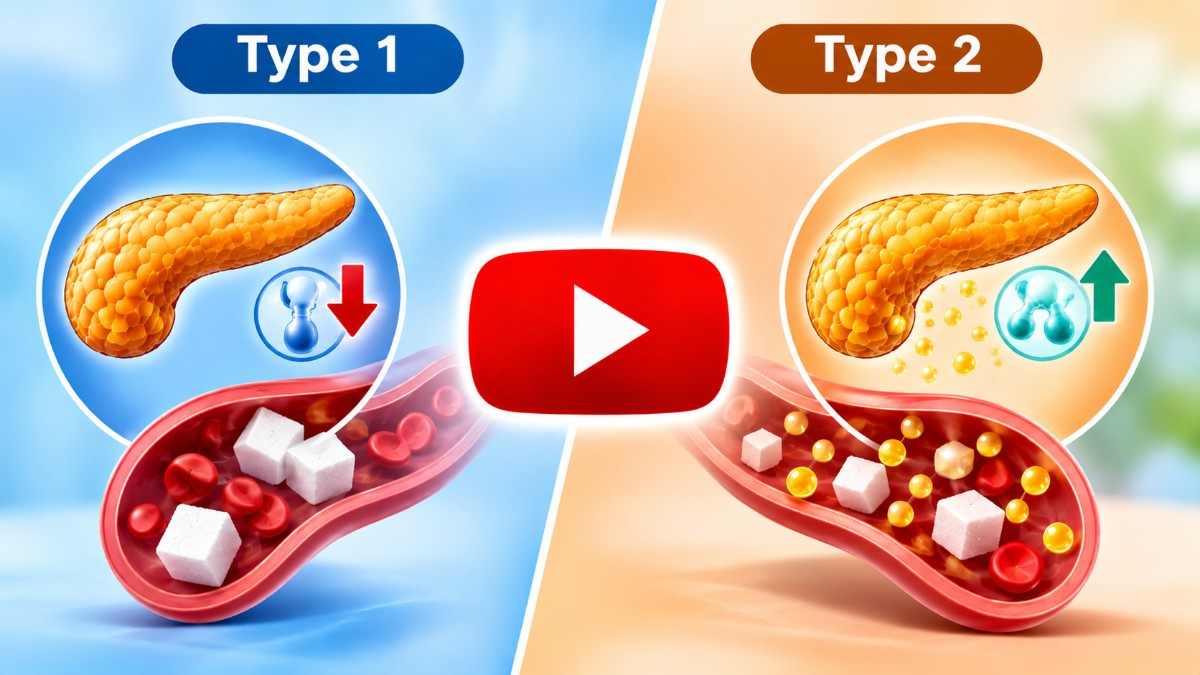
➣ Type 1 diabetes: The body produces little or no insulin because the immune system destroys insulin-producing cells. Insulin treatment is essential. No natural oil can replace it.
➣ Type 2 diabetes: The body develops insulin resistance and may eventually produce insufficient insulin. Dietary changes, physical activity, medication, and weight management can help control the condition.
Some people with type 2 diabetes may be interested in black seed oil or other herbal supplements. However, these should only be considered after discussing potential benefits and risks with a healthcare professional.
Gestational diabetes: Diabetes that develops during pregnancy requires specialized monitoring and treatment. Herbal oils and supplements should not be used for blood sugar management without medical approval.
👉 DON’T TRY THIS “THE HOLY OIL TRICK FOR DIABETES” UNTIL YOU SEE THIS
How to Recognize Misleading Diabetes Oil Products
Products advertised as miracle diabetes solutions often use persuasive marketing language.
Be cautious when advertisements promise:
- Guaranteed diabetes reversal.
- Normal blood sugar within 24 hours.
- Results without diet or exercise.
- No need for diabetes medication.
- A secret formula that doctors supposedly hide.
- Permanent results from a few drops of oil.
These claims are not supported by established medical evidence. A trustworthy health product should provide transparent ingredient information, realistic expectations, appropriate safety warnings, and credible scientific support.
The National Center for Complementary and Integrative Health also emphasizes that reliable evidence does not currently establish herbal supplements as effective treatments for controlling diabetes or preventing its complications.
Conclusion
The holy oil trick for diabetes is an interesting natural wellness topic, particularly because ingredients such as olive oil and black seed oil have attracted scientific attention.
Some research suggests that specific plant-based supplements may influence blood glucose and other metabolic measurements. However, these findings do not establish that an oil-based remedy can independently treat, reverse, or cure diabetes.
Olive oil can be a useful part of a balanced diet, while black seed oil remains an area of ongoing research. Coconut oil and other concentrated oils should also be considered according to their nutritional properties rather than exaggerated online promises.
The most reliable approach to diabetes management remains a combination of balanced nutrition, regular exercise, appropriate medication, blood glucose monitoring, and regular medical care.
👉 DON’T TRY THIS “THE HOLY OIL TRICK FOR DIABETES” UNTIL YOU SEE THIS
References
https://www.webmd.com/diabetes/understanding-diabetes-symptoms
https://www.mayoclinic.org/diseases-conditions/diabetes/symptoms-causes/syc-20371444
https://en.wikipedia.org/wiki/Blood_sugar_level
.
About Us
