Stem Cell Therapy for Back Pain: Does It Work?
Back pain is one of the most common health concerns affecting adults worldwide and can impact daily activities, mobility, and quality of life.
It may result from aging, spinal disc changes, injuries, poor posture, repetitive stress, or other conditions affecting the spine.
While many people improve with exercise, physical therapy, lifestyle changes, or medication, some continue experiencing ongoing discomfort.
As regenerative medicine advances, stem cell therapy for back pain has gained attention as a potential treatment approach.
It focuses on supporting the body’s natural healing process by using specialized cells that may help repair damaged tissues and manage inflammation.
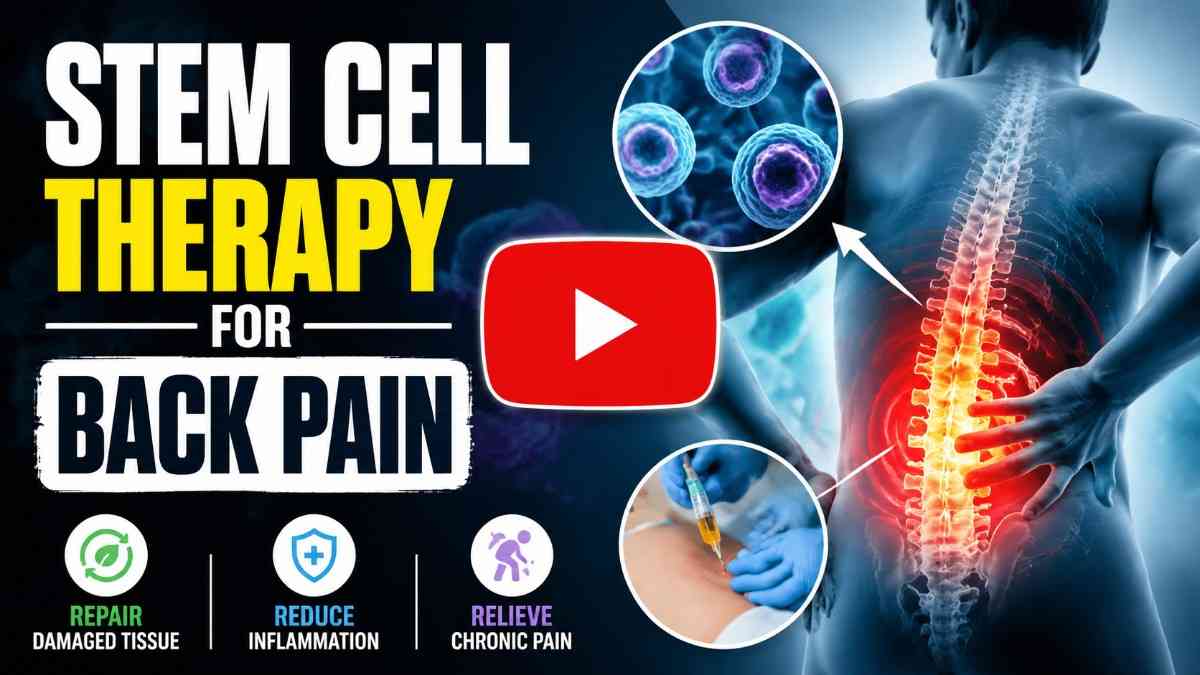

Understanding how stem cell therapy works, who may benefit, what results to expect, and the current scientific evidence can help patients make informed decisions about their back pain treatment options.
What Is Stem Cell Therapy for Back Pain?
Stem cell therapy for back pain is a regenerative treatment approach that uses stem cells to support the body’s repair processes.
Stem cells are unique because they have the ability to develop into different types of specialized cells and release biological signals that may influence healing.
In spinal care, researchers are especially interested in mesenchymal stem cells (MSCs). These cells are commonly studied because they may help regulate inflammation, support tissue environments, and encourage healthier activity within damaged areas.
The goal of stem cell therapy is not simply to cover up pain symptoms. Instead, regenerative medicine aims to address some of the underlying factors contributing to discomfort, such as tissue damage, degeneration, and inflammation.
Many studies have focused on back pain caused by damaged or worn spinal discs. Intervertebral discs act as cushions between the bones of the spine.
Over time, these discs may lose hydration, flexibility, and structural strength, leading to irritation and discomfort.
Researchers are investigating whether stem cells may help improve the environment around damaged discs and potentially support better function.
Current evidence suggests possible improvements in pain and mobility for certain patients, although more high-quality research is needed.
How Does Stem Cell Therapy Work for Back Pain?
The human body naturally contains repair mechanisms. However, as people age or experience repeated injuries, the body’s ability to restore damaged tissues may become less effective.
Stem cell therapy works by introducing concentrated regenerative cells into a targeted area of concern. These cells may support healing through several biological actions.
Supporting Tissue Repair
Stem cells may release growth factors and signaling molecules that communicate with surrounding tissues. These signals may encourage healthier cellular activity and support the repair process.
For spinal conditions involving disc degeneration, researchers are studying whether stem cells can improve the condition of damaged disc tissue and create a healthier environment for recovery.
Helping Manage Inflammation
Inflammation plays an important role in many chronic pain conditions. Excessive inflammation around spinal structures may contribute to ongoing discomfort and sensitivity.
Stem cells may have anti-inflammatory properties that help regulate inflammatory responses. This may reduce irritation around affected tissues and potentially improve comfort.
Supporting Better Spinal Function
When spinal tissues become damaged, movement can become limited. Pain may affect daily activities such as walking, exercising, sitting, or sleeping.
By supporting healthier tissue function, stem cell therapy may help some individuals experience improved mobility and quality of life.
However, stem cell therapy does not guarantee complete repair of damaged structures.
The effectiveness depends on several factors, including the severity of degeneration, overall health, age, and the specific cause of back pain.
What Types of Back Pain May Benefit From Stem Cell Therapy?
Stem cell therapy is mainly researched for specific types of back pain related to tissue damage or degeneration. It may not be appropriate for every type of spinal condition.
Degenerative Disc Disease
Degenerative disc disease occurs when spinal discs gradually lose their normal structure and function. This condition may cause lower back pain, stiffness, and reduced movement.
Because discs have limited natural healing ability, researchers are studying regenerative treatments that may support disc health.
Early studies involving stem cells for disc-related pain have reported improvements in pain levels and physical function among selected patients, although researchers continue evaluating long-term outcomes.
Discogenic Low Back Pain
Discogenic pain occurs when damaged spinal discs become a source of discomfort. This type of pain may occur without major nerve compression but can still significantly affect daily life.
Intradiscal stem cell injections are being investigated as a possible option for carefully selected patients with disc-related pain.
Spinal Injuries
Some injuries may damage soft tissues around the spine. Researchers are exploring whether regenerative therapies can support recovery after certain injuries.
However, the suitability of treatment depends on the injury type and medical evaluation.
Chronic Back Pain That Has Not Improved With Traditional Care
Some people experience persistent back pain despite physical therapy, exercise programs, or other conservative treatments.
For these individuals, regenerative medicine may be considered as an additional option after discussing potential benefits and limitations with a qualified healthcare provider.
What Happens During Stem Cell Therapy for Back Pain?
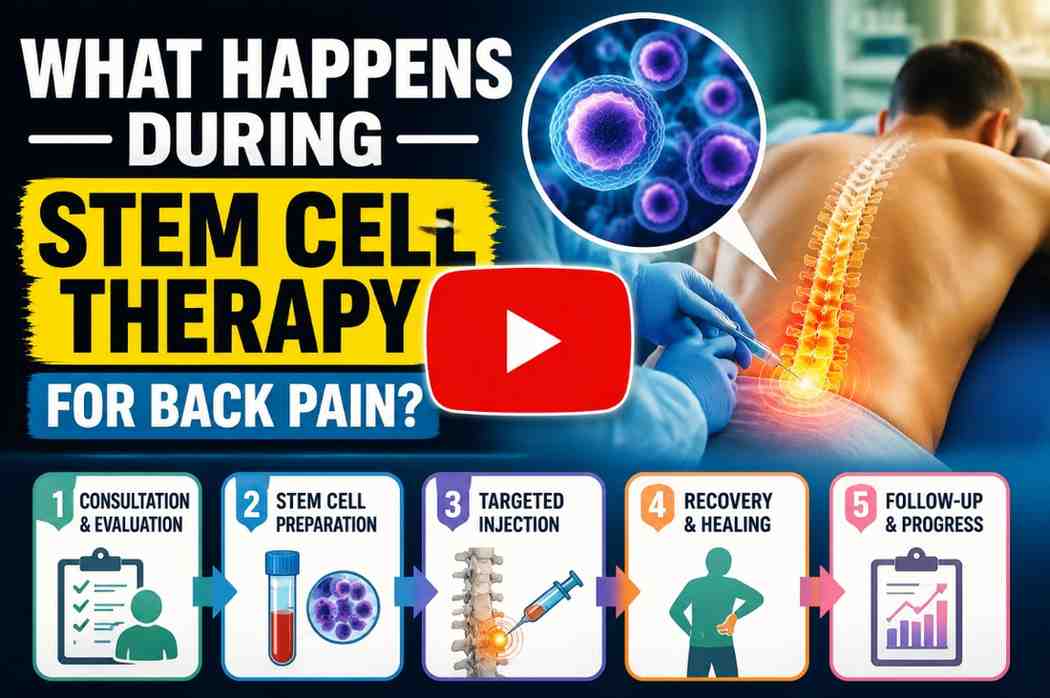
The exact treatment process depends on the provider, technology used, and patient condition. Generally, the process involves several important steps.
Medical Evaluation
Before treatment, a healthcare provider typically reviews medical history, symptoms, previous treatments, and imaging results.
Diagnostic tests may help determine whether the pain is related to disc degeneration, inflammation, injury, or another condition.
Proper patient selection is important because stem cell therapy may work better for certain conditions than others.
Stem Cell Preparation
Depending on the treatment method, stem cells may come from different sources. Some approaches use cells collected from the patient’s own body, while others may use carefully processed donor-derived cells.
The source, processing method, and regulatory status can vary between treatments.
Targeted Injection Procedure
During treatment, stem cells are typically delivered to the area associated with pain. Imaging guidance may be used to help place the injection accurately.
The procedure is generally performed without major surgery, which is one reason regenerative approaches have gained interest among people looking for alternatives to invasive procedures.
Recovery Period
Recovery varies from person to person. Some individuals may notice changes within weeks, while others may require several months before evaluating results.
The body’s regenerative processes usually occur gradually, meaning improvements may not happen immediately.
Potential Benefits of Stem Cell Therapy for Back Pain
Stem cell therapy has gained attention because it focuses on supporting the body’s natural healing processes rather than only managing pain symptoms.
Although research is still developing, some patients with specific spinal conditions have reported improvements after regenerative treatments.
The potential benefits may include:
May Help Reduce Chronic Back Pain
One of the main reasons people consider stem cell therapy is the possibility of reducing ongoing discomfort. Chronic back pain can affect sleep, movement, exercise, and daily activities.
By targeting damaged tissues and supporting a healthier healing environment, stem cell treatments may help decrease pain levels for some individuals. The results often depend on the severity of the condition and the overall health of the patient.
Supports Natural Healing Processes
Traditional treatments often focus on controlling symptoms, while regenerative medicine aims to support the body’s repair mechanisms.
Stem cells may release natural signaling factors that influence surrounding tissues. These biological signals may encourage healthier cellular activity and support tissue recovery.
May Improve Mobility and Function
Back pain often limits movement and makes normal activities more difficult. When discomfort decreases, some individuals may experience improved flexibility, mobility, and physical function.
Improved movement can also support better lifestyle habits, including exercise and strengthening activities that are important for long-term spine health.
Minimally Invasive Treatment Option
Many people are interested in stem cell therapy because it does not require major surgery.
Unlike traditional spinal procedures that may involve larger incisions and longer recovery periods, stem cell injections are typically performed through minimally invasive techniques.
However, being minimally invasive does not mean the treatment is risk-free. Proper medical evaluation is still necessary.
May Delay More Invasive Procedures
For some patients with specific spinal conditions, regenerative medicine may provide another option before considering surgical procedures.
Researchers continue studying whether stem cell therapy can delay or reduce the need for certain interventions. More long-term evidence is needed to confirm how effective this approach may be.
Stem Cell Therapy Compared With Traditional Back Pain Treatments
Back pain treatment depends on the cause, severity, and individual health factors. Different approaches may be recommended based on a patient’s specific condition.
Physical Therapy
Physical therapy is one of the most common treatments for back pain. It focuses on improving strength, flexibility, posture, and movement patterns.
Exercises guided by a trained professional can help support spinal stability and reduce strain on the back.
Stem cell therapy is sometimes explored when conservative treatments do not provide enough improvement.
Medication-Based Treatment
Some patients use medications to manage pain and inflammation. These approaches may provide temporary relief but do not always address the underlying cause of tissue damage.
Stem cell therapy focuses on regenerative support rather than only symptom management.
Steroid Injections
Steroid injections may help reduce inflammation and provide temporary relief for certain conditions.
However, repeated injections may not be suitable for everyone. Stem cell therapy is being studied as a possible alternative for some patients seeking longer-term solutions.
Spinal Surgery
Surgery may be recommended for severe conditions involving structural problems, nerve compression, or significant damage.
Stem cell therapy is generally considered a less invasive approach, but it cannot replace surgery in every situation.
The right treatment depends on proper diagnosis and professional medical guidance.
What Does Research Say About Stem Cell Therapy for Back Pain?
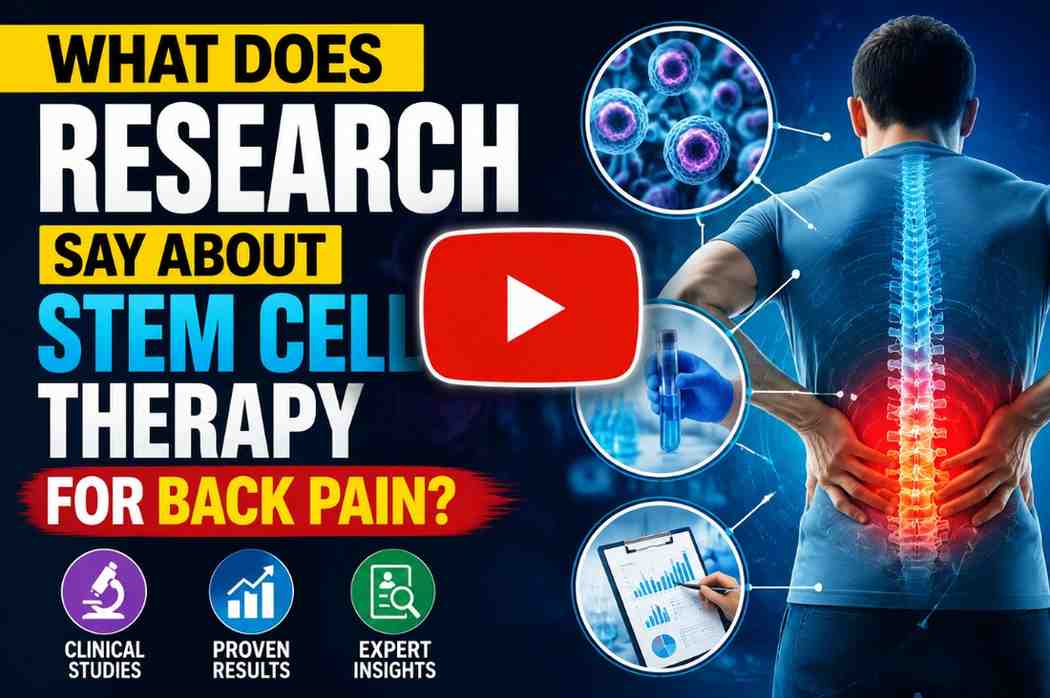
Research surrounding stem cell therapy for back pain continues to grow. Scientists are studying how regenerative cells interact with damaged spinal tissues and whether they can provide meaningful long-term improvements.
Several early studies have shown encouraging results, especially for patients with degenerative disc conditions.
Some clinical trials have reported improvements in pain scores, physical function, and quality of life after stem cell-based treatments.
However, researchers also emphasize that more large-scale studies are needed. Questions remain regarding the ideal cell source, treatment timing, dosage, long-term effectiveness, and which patients are most likely to benefit.
The results of stem cell therapy can vary significantly. Some individuals may experience noticeable improvement, while others may see limited changes.
Factors that may influence outcomes include:
- Age and overall health
- Severity of spinal degeneration
- Duration of back pain
- Lifestyle habits
- The specific cause of pain
- Treatment method used
Patients should consider current research carefully and discuss realistic expectations with qualified healthcare professionals.
Success Rate of Stem Cell Therapy for Back Pain
The success rate of stem cell therapy for back pain varies because different studies use different treatment methods and measure outcomes differently.
Some research involving disc-related conditions has shown promising improvements in pain reduction and function. However, there is currently no guaranteed success rate that applies to every patient.
A successful outcome may involve:
- Reduced pain levels
- Improved movement
- Better daily function
- Reduced dependence on pain management approaches
It is important to understand that stem cell therapy is not a quick fix. Regenerative changes may take time, and results may develop gradually over several months.
A thorough medical evaluation helps determine whether someone is likely to benefit from treatment.
Risks and Possible Side Effects of Stem Cell Therapy for Back Pain
Although stem cell therapy is considered minimally invasive, it still carries potential risks.
Possible side effects may include:
- Temporary soreness at the injection area
- Mild swelling or discomfort
- Infection risk
- Bleeding or bruising
- Inflammatory reactions
The risk level may depend on the treatment method, injection technique, and provider experience.
Choosing a qualified medical professional and a reputable treatment facility is important for safety.
Patients should also be cautious about clinics making unrealistic promises. Claims of guaranteed cures or immediate results should be carefully evaluated.
Regenerative medicine continues to develop, and ongoing research is helping improve understanding of its benefits and limitations.
Who May Be a Good Candidate for Stem Cell Therapy?
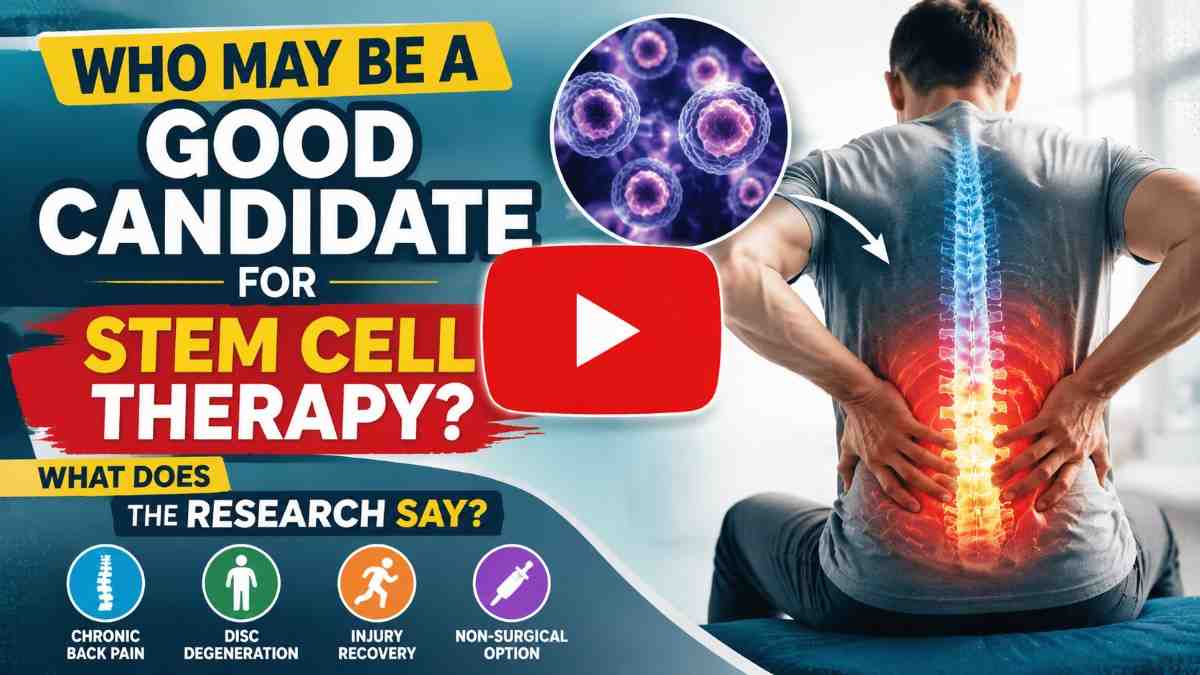
Stem cell therapy may be considered for adults experiencing certain types of chronic back pain, especially when traditional approaches have not provided sufficient improvement.
Potential candidates may include people with:
- Degenerative disc-related discomfort
- Chronic lower back pain
- Disc-related injuries
- Mild to moderate spinal degeneration
- Persistent symptoms despite conservative care
A person may not be an ideal candidate if they have certain medical conditions, severe structural problems requiring surgery, active infections, or other health concerns.
A healthcare provider can evaluate medical history, imaging results, and symptoms to determine whether regenerative treatment is appropriate.
Factors That Can Affect Treatment Results
Many factors influence how someone responds to stem cell therapy.
Overall Health
Healthy lifestyle habits may support better recovery. Nutrition, exercise, sleep quality, and avoiding harmful habits can influence the body’s healing ability.
Severity of Damage
Patients with early or moderate degeneration may respond differently compared with individuals who have advanced spinal damage.
Treatment Timing
Starting treatment earlier in the progression of certain conditions may provide different results compared with waiting until significant damage occurs.
Post-Treatment Care
Following medical instructions after treatment may support recovery and help protect spinal health.
How Much Does Stem Cell Therapy for Back Pain Cost?
The cost of stem cell therapy for back pain can vary widely depending on several factors.
Common factors affecting cost include:
- Type of stem cell treatment
- Number of treatment sessions needed
- Location of the clinic
- Provider experience
- Diagnostic testing requirements
- Follow-up care
In many cases, regenerative treatments are considered elective procedures and may not be fully covered by insurance.
Patients should request a complete cost breakdown before treatment. Understanding all expenses, including consultations, imaging, procedures, and follow-up appointments, can help avoid unexpected costs.
Cost should not be the only factor when choosing treatment. Quality, safety standards, and provider qualifications are equally important considerations.
Questions to Consider Before Choosing Stem Cell Therapy
Before deciding on stem cell therapy for back pain, patients may want to discuss important questions with a healthcare provider:
- What is causing my back pain?
- Am I a suitable candidate for regenerative treatment?
- What results are realistic for my condition?
- How many treatments may be needed?
- What risks should I understand?
- Are there alternative treatment options?
- What research supports this approach for my condition?
Having clear answers can help patients make informed healthcare decisions.
The Future of Stem Cell Therapy for Back Pain
Regenerative medicine continues to be one of the most researched areas in modern healthcare. Scientists are exploring new ways to improve stem cell treatments, understand how they work, and determine which patients benefit most.
Future research may help develop more precise treatment methods and improve long-term outcomes.
As technology advances, stem cell therapy may become a more established option for certain spinal conditions. However, continued clinical studies are necessary before it becomes a standard treatment for all types of back pain.
For now, stem cell therapy represents a promising area of regenerative medicine that may provide another option for carefully selected patients.
Final Thoughts: Is Stem Cell Therapy for Back Pain Worth Considering?
Stem cell therapy for back pain is an innovative approach that focuses on supporting the body’s natural repair processes.
For people dealing with chronic discomfort caused by certain spinal conditions, regenerative medicine may offer a potential option when traditional approaches have not provided enough relief.
The treatment may help support tissue health, reduce inflammation, and improve mobility for some individuals. However, results can vary, and stem cell therapy is not appropriate for every type of back pain.
Anyone considering this treatment should seek a proper medical evaluation, understand the current research, and maintain realistic expectations.
As research continues, stem cell therapy may play an increasingly important role in the future of spine care and regenerative medicine.
References
.
About Us