Simple Ways to Cure Blurry Vision: Natural Eye Care Tips
Clear vision plays an important role in everyday life, from reading and working on digital devices to driving, exercising, and enjoying daily activities.
However, many people experience blurry vision at some point, whether it happens occasionally after long screen use or becomes a frequent concern that affects daily routines.
Blurry vision can appear in different ways. Some people notice difficulty focusing on nearby objects, while others struggle to see distant objects clearly.
Discover simple ways to cure blurry vision with eye care tips, healthy habits, screen breaks, proper nutrition, and lifestyle changes for clearer sight.
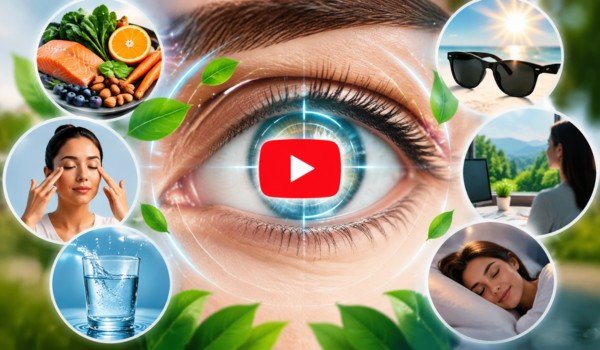

In some cases, vision may become temporarily unclear because of tired eyes, dryness, dehydration, or extended exposure to digital screens.
Other times, blurry vision may reflect changes in eyesight that require professional attention. The good news is that many simple lifestyle habits can help support healthier eyes and improve visual comfort.
Maintaining proper eye care routines, protecting the eyes from strain, following a balanced diet, staying hydrated, and scheduling regular eye examinations are important steps toward maintaining clear vision.
This guide explores simple ways to support eye health, reduce common causes of blurry vision, and develop daily habits that may help protect your eyesight.
What Causes Blurry Vision?
Blurry vision is not a condition by itself but rather a symptom that can happen for many different reasons. Understanding possible causes can help individuals make better choices about eye care.
❖ Common Causes of Blurry Vision
| Cause | How It May Affect Vision |
|---|---|
| Digital eye strain | Long periods of screen use may cause tired, dry, or temporarily blurred eyes |
| Dry eyes | Reduced moisture on the eye surface can make vision appear unclear |
| Eye fatigue | Lack of rest may affect the ability to focus comfortably |
| Vision changes | Nearsightedness, farsightedness, or age-related changes can affect clarity |
| Poor lighting | Working in dim or overly bright environments may increase eye strain |
| Dehydration | Low fluid levels may contribute to dry and uncomfortable eyes |
| Allergies | Irritation and inflammation can temporarily affect vision |
| Health conditions | Certain medical conditions may influence eye function |
While occasional blurry vision can happen because of everyday habits, you should always discuss sudden or persistent changes with an eye care professional.
1. Follow the 20-20-20 Rule for Digital Eye Relief
Modern lifestyles involve extensive screen exposure. Computers, smartphones, tablets, and televisions are used daily for work, education, communication, and entertainment.
Spending many hours focusing on a screen can contribute to digital eye strain. Symptoms may include blurry vision, dry eyes, headaches, difficulty focusing, and tired eyes. One simple method to reduce screen-related eye discomfort is the 20-20-20 rule.
❖ How the 20-20-20 Rule Works
Every 20 minutes:
- Look at something approximately 20 feet away.
- Focus on it for at least 20 seconds.
- Allow your eye muscles to relax before returning to your screen.
This small habit gives the eyes regular breaks and may help reduce focusing fatigue.
❖ Additional Screen Tips
- Adjust screen brightness to match your surroundings.
- Keep screens at a comfortable viewing distance.
- Increase text size if you frequently squint.
- Blink regularly while using digital devices.
- Avoid using screens in completely dark rooms.
Small adjustments can make long periods of screen use more comfortable.
2. Keep Your Eyes Properly Hydrated
Dryness is one of the most common causes of temporary blurry vision. Tears help keep the eye surface smooth, which is necessary for clear vision. When the eyes do not produce enough moisture or tears evaporate too quickly, vision may become temporarily unclear.
❖ Ways to Support Eye Moisture
➢ Drink Enough Water
Proper hydration supports overall body function, including normal eye comfort. Drinking enough fluids throughout the day may help prevent dehydration-related dryness.
➢ Blink More Often
People naturally blink less when concentrating on screens. Making a conscious effort to blink frequently can help spread moisture across the eyes.
➢ Manage Your Environment
Dry air, fans, heating systems, and air conditioning can increase eye dryness.
Helpful adjustments include:
- Using a humidifier when needed
- Avoiding direct airflow toward your face
- Taking regular breaks from dry environments
3. Eat Foods That Support Eye Health
Nutrition plays an important role in maintaining healthy eyes. A balanced diet provides nutrients that support normal eye function and protect against nutritional deficiencies.
Certain vitamins, minerals, and antioxidants are commonly associated with eye health.
❖ Eye-Friendly Foods to Include
| Nutrient | Food Sources |
|---|---|
| Vitamin A | Carrots, sweet potatoes, leafy greens |
| Vitamin C | Oranges, strawberries, bell peppers |
| Vitamin E | Nuts, seeds, vegetable oils |
| Omega-3 fatty acids | Fish, flaxseeds, walnuts |
| Lutein and zeaxanthin | Spinach, kale, broccoli |
A colorful plate containing vegetables, fruits, healthy fats, and quality protein can help provide important nutrients for overall wellness.
❖ Healthy Eating Habits
- Include leafy green vegetables regularly.
- Choose fresh fruits instead of highly processed snacks.
- Add healthy fats to meals.
- Maintain balanced meals throughout the day.
- Limit excessive intake of foods high in added sugars.
Good nutrition supports the entire body, including the eyes.

4. Protect Your Eyes From Harmful Light Exposure
The eyes are constantly exposed to different sources of light. While normal light exposure is part of daily life, excessive exposure to bright sunlight or uncomfortable lighting conditions may contribute to eye discomfort.
❖ Wear Sunglasses Outdoors
Quality sunglasses can help reduce exposure to ultraviolet (UV) rays. Choose sunglasses that provide UV protection and wear them during bright outdoor activities.
❖ Improve Indoor Lighting
Poor lighting can make the eyes work harder.
Consider:
- Using comfortable room lighting
- Avoiding glare on computer screens
- Positioning lamps correctly while reading
- Taking breaks when working under bright lights
Creating a comfortable visual environment may reduce unnecessary eye strain.
5. Practice Good Eye Hygiene
Healthy eye habits can reduce irritation and help maintain visual comfort.
❖ Important Eye Hygiene Practices
➢ Avoid Rubbing Your Eyes
Rubbing the eyes may introduce irritants and increase discomfort.
➢ Wash Hands Before Touching Eyes
Clean hands help reduce the spread of bacteria and irritants.
➢ Remove Makeup Properly
Leaving eye makeup on overnight may contribute to irritation.
➢ Clean Contact Lenses Correctly
Contact lens users should follow proper cleaning and replacement instructions to maintain eye comfort. Good hygiene habits are simple but important for protecting eye health.
6. Give Your Eyes Enough Rest
Just like other muscles in the body, the eyes need recovery time. Poor sleep and constant visual activity may contribute to tired eyes and temporary blurry vision.
❖ How Sleep Supports Eye Health
During sleep, the body performs important repair processes. Lack of quality rest may increase:
- Eye fatigue
- Dryness
- Difficulty focusing
- Sensitivity to light
❖ Tips for Better Eye Rest
- Maintain a consistent sleep schedule.
- Reduce screen exposure before bedtime.
- Keep your sleeping environment comfortable.
- Avoid working for long periods without breaks.
Resting the eyes regularly is one of the simplest ways to support clearer vision.
7. Exercise Regularly for Better Overall Wellness
Physical activity supports circulation and overall health, which can also benefit eye function. Regular movement helps maintain healthy blood flow throughout the body.
❖ Simple Activities to Try
- Walking
- Cycling
- Swimming
- Yoga
- Stretching exercises
Exercise does not directly correct vision problems, but maintaining overall wellness can support healthy body systems connected to eye function.
8. Maintain a Healthy Blood Sugar Level
Blood sugar balance is important for many aspects of health, including eye wellness. High blood sugar levels over time may affect different parts of the body, including the eyes.
People with diabetes or blood sugar concerns should follow their healthcare provider’s recommendations and schedule regular eye examinations.
❖ Helpful Lifestyle Habits
- Eat balanced meals.
- Stay physically active.
- Monitor health markers when recommended.
- Follow medical advice.
Maintaining healthy habits supports long-term wellness.

9. Schedule Regular Eye Examinations
One of the most important steps for maintaining clear vision is receiving regular eye checkups. Eye examinations can help identify changes in vision and detect possible concerns before they become more serious.
❖ During an Eye Examination, Professionals May Check:
- Visual clarity
- Eye pressure
- Eye movement
- Eye health
- Changes in prescription needs
Even people with clear vision can benefit from routine eye care.
10. Adjust Your Daily Habits for Better Vision Comfort
Small changes throughout the day can make a noticeable difference in how comfortable your eyes feel.
❖ Simple Daily Eye Care Routine
| Time | Eye Care Habit |
|---|---|
| Morning | Drink water and avoid staring at screens immediately after waking |
| Work Hours | Follow screen breaks and maintain proper posture |
| Afternoon | Rest your eyes for a few minutes |
| Evening | Reduce excessive screen exposure |
| Night | Get enough quality sleep |
Consistency is often the key to maintaining healthy habits.
When Should You Seek Professional Help for Blurry Vision?
While some blurry vision may result from temporary causes, certain situations require medical attention.
Contact an eye care professional if you experience:
- Sudden vision changes
- Persistent blurry vision
- Eye pain
- Flashes of light
- Loss of vision
- Severe headaches with vision changes
- Difficulty performing daily activities
Professional evaluation can help determine the underlying cause and appropriate care.
Natural Ways to Support Clear Vision: Quick Summary
| Healthy Habit | Potential Benefit |
|---|---|
| Follow the 20-20-20 rule | Helps reduce screen-related eye strain |
| Stay hydrated | Supports eye moisture |
| Eat nutrient-rich foods | Provides important eye-supporting nutrients |
| Wear protective sunglasses | Helps protect eyes outdoors |
| Sleep well | Allows eye recovery |
| Exercise regularly | Supports overall wellness |
| Maintain eye hygiene | Reduces irritation |
| Schedule eye exams | Helps monitor eye health |
Common Questions About Blurry Vision
Can blurry vision improve naturally?
Some temporary blurry vision caused by tired eyes, dryness, or screen strain may improve with rest and healthy eye habits. However, vision changes caused by refractive errors or medical conditions may require professional care.
Does drinking water help blurry vision?
Staying hydrated may help reduce dryness-related discomfort. Proper hydration supports normal body functions, including eye moisture.
Can eye exercises cure blurry vision?
Eye exercises may help reduce eye fatigue and improve comfort, but they do not replace professional treatment for vision problems.
How can I protect my eyesight every day?
Simple habits such as eating a balanced diet, protecting your eyes from excessive sunlight, limiting screen strain, and getting regular eye exams can support long-term eye health.
Final Thoughts
Blurry vision can happen for many different reasons, ranging from temporary eye strain to changes that require professional attention.
Building healthy daily habits is one of the simplest ways to support comfortable, clear vision. Taking regular screen breaks, staying hydrated, eating nutrient-rich foods, protecting the eyes from harsh light, and getting enough rest can all contribute to better eye wellness.
These small steps are easy to include in everyday routines and may help reduce common causes of eye discomfort. However, don’t ignore persistent or sudden blurry vision. Regular eye examinations and professional guidance remain important parts of maintaining healthy eyesight.
By combining healthy lifestyle choices with proper eye care, people can take meaningful steps to support their vision and overall wellness.
.
References
https://en.wikipedia.org/wiki/Human_eye
https://www.webmd.com/eye-health/eye-health-blurred-vision
https://www.healthline.com/health/eye-health
About Us