Sermorelin vs Tirzepatide: Which One Should You Choose?
The search for better health, improved body composition, and long-term wellness has increased interest in advanced medical treatments that support different areas of the body.
Two options that are often discussed are sermorelin and tirzepatide. Although both treatments may be connected with improving overall wellness, they work through completely different biological pathways.
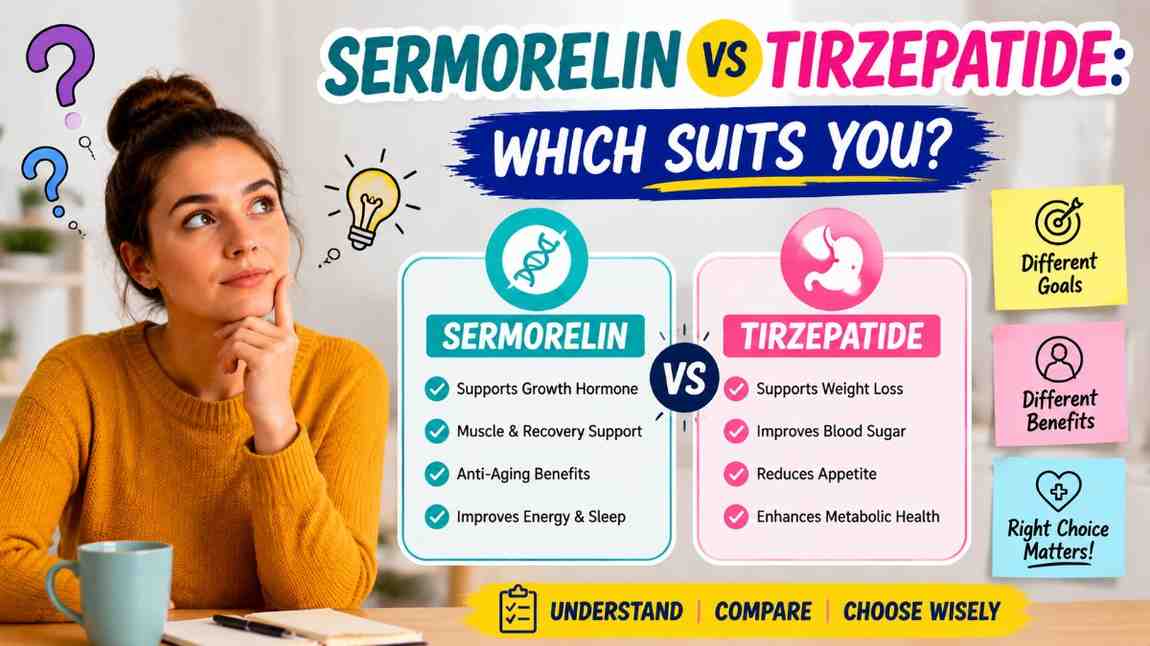
The comparison of sermorelin vs tirzepatide is important because these treatments are designed for different goals.
Sermorelin focuses on supporting the body’s natural growth hormone production, while tirzepatide primarily targets metabolic pathways involved in blood sugar regulation and weight management.

Understanding how each treatment works, what benefits they may offer, and who may consider them can help individuals have more informed conversations with qualified healthcare providers. The right choice depends on personal health goals, medical history, lifestyle factors, and professional medical guidance.
What Is Sermorelin?
Sermorelin is a synthetic peptide that acts similarly to a natural hormone called growth hormone-releasing hormone (GHRH). It works by signaling the pituitary gland to release more of the body’s own growth hormone.
Growth hormone plays an important role in several processes, including muscle maintenance, tissue repair, metabolism, and overall physical development.
As people age, natural growth hormone levels may gradually decline, which has led to interest in treatments that support healthy hormone activity.
Sermorelin does not directly provide growth hormone. Instead, it encourages the body’s own production process by stimulating the pituitary gland.
This approach makes sermorelin different from treatments that introduce external hormones into the body. The goal is to support natural hormone signaling and maintain healthy growth hormone activity.
Sermorelin has been studied in medical settings, particularly in relation to growth hormone deficiency and hormone regulation. Healthcare providers may evaluate whether it is appropriate based on individual health factors.
What Is Tirzepatide?
Tirzepatide is a medication designed to support metabolic health by activating two important hormone pathways: glucagon-like peptide-1 (GLP-1) and glucose-dependent insulinotropic polypeptide (GIP).
These hormones naturally help regulate appetite, insulin response, and blood sugar control. By activating these pathways, tirzepatide may help improve glucose regulation and support weight management.
Tirzepatide has gained attention because of its dual-action mechanism. It works on both GLP-1 and GIP receptors, which are involved in metabolism and energy balance.
Many people explore tirzepatide as part of a medically supervised approach to weight management, especially when lifestyle changes alone have not provided enough support.
Like all prescription medications, tirzepatide requires evaluation by a healthcare provider to determine whether it is appropriate for an individual’s needs.
How Does Sermorelin Work?
Sermorelin works by mimicking the action of growth hormone-releasing hormone. This signal communicates with the pituitary gland and encourages the release of growth hormone.
Growth hormone influences several areas of the body, including:
- Muscle development and maintenance
- Recovery processes
- Bone health
- Fat metabolism
- Cellular repair
As growth hormone levels naturally change throughout life, some individuals seek medical evaluation for concerns related to hormone balance, energy levels, or age-related changes.
The effects of sermorelin can vary depending on factors such as age, existing hormone levels, health conditions, and lifestyle habits.
Sermorelin is not primarily designed as a weight-loss medication. Any changes in body composition may occur through its influence on growth hormone activity and related metabolic processes.
How Does Tirzepatide Work?
Tirzepatide works by activating GLP-1 and GIP receptors. These hormones play important roles in digestion, appetite regulation, and insulin function.
The GLP-1 pathway may help slow stomach emptying, increase feelings of fullness, and support healthier appetite control. The GIP pathway is involved in insulin response and energy metabolism.
Through this dual hormone activity, tirzepatide may help individuals manage blood sugar levels and support significant weight reduction when combined with appropriate lifestyle changes.
Tirzepatide is mainly associated with metabolic health goals, including weight management and blood glucose support.
Its effects are connected to appetite regulation and improved metabolic signaling rather than growth hormone activity.
Sermorelin vs Tirzepatide: Main Differences
The biggest difference between sermorelin and tirzepatide is their primary purpose.
| Feature | Sermorelin | Tirzepatide |
| Main Focus | Growth hormone support | Metabolic and weight management support |
| Primary Pathway | Growth hormone-releasing hormone | GLP-1 and GIP receptors |
| Main Target | Hormone production | Appetite and glucose regulation |
| Common Interest Area | Aging, recovery, body composition | Weight loss and metabolic health |
| Requires Medical Evaluation | Yes | Yes |
Sermorelin focuses more on hormone signaling and growth hormone activity.
Tirzepatide focuses more on metabolism, appetite control, and blood sugar management.
The better option depends on the specific health objective.
Sermorelin vs Tirzepatide for Weight Loss
When comparing sermorelin vs tirzepatide for weight loss, tirzepatide has stronger evidence and clinical attention specifically related to weight reduction.
Tirzepatide influences appetite-related hormones, helping many individuals reduce food intake and improve metabolic function.
Sermorelin may influence body composition indirectly by supporting growth hormone activity. Growth hormone is involved in fat metabolism and muscle maintenance, but sermorelin is not primarily considered a weight-loss medication.
Individuals mainly seeking weight management support may discuss tirzepatide with their healthcare provider.
Individuals interested in hormone health, recovery, or age-related wellness may explore whether sermorelin is appropriate.
Sermorelin vs Tirzepatide for Muscle and Body Composition
Body composition includes the relationship between muscle mass, fat levels, and overall physical structure.
Sermorelin is often discussed in relation to muscle maintenance because growth hormone contributes to tissue growth and repair processes.
Healthy growth hormone activity may support:
- Muscle recovery
- Physical performance
- Lean body maintenance
Tirzepatide may also affect body composition because weight reduction often includes changes in fat mass. However, maintaining muscle during weight loss typically requires proper nutrition, resistance training, and medical supervision.
Neither treatment replaces healthy lifestyle habits. Exercise, protein intake, sleep quality, and overall wellness remain important parts of maintaining muscle and strength.
Sermorelin vs Tirzepatide for Aging and Wellness
Sermorelin is commonly associated with conversations about healthy aging because growth hormone levels naturally decline with age.
Some people explore sermorelin as part of a broader wellness strategy focused on:
- Recovery
- Energy support
- Physical performance
- Healthy aging goals
Tirzepatide is generally discussed in relation to metabolic aging, especially concerns related to excess weight, insulin resistance, and blood sugar balance.
Metabolic health plays an important role in long-term wellness, making weight management an important area of preventive healthcare.
The choice between these treatments depends on whether the main concern involves hormone activity or metabolic regulation.
Safety Considerations
Both sermorelin and tirzepatide should only be used under professional medical guidance.
A healthcare provider may review:
- Medical history
- Current medications
- Existing health conditions
- Treatment goals
- Potential risks and benefits
Sermorelin may not be appropriate for everyone, especially individuals with certain hormone-related conditions.
Tirzepatide may cause side effects related to digestive function, including nausea, stomach discomfort, or changes in appetite. Healthcare providers consider individual risk factors before recommending treatment.
Following prescribed instructions and maintaining regular medical communication are important parts of safe treatment.
Who May Consider Sermorelin?
Sermorelin may be considered by adults who are interested in supporting healthy growth hormone activity and have specific medical or wellness goals.
It may appeal to individuals focused on:
- Supporting hormone balance
- Improving recovery support
- Maintaining healthy body composition
- Addressing concerns related to growth hormone levels
A healthcare provider can determine whether sermorelin aligns with a person’s health needs.
Who May Consider Tirzepatide?
Tirzepatide may be considered by adults seeking medical support for metabolic health and weight management.
It may be suitable for individuals who:
- Need additional support with weight management
- Want help improving blood sugar control
- Have struggled with traditional lifestyle approaches alone
- Are looking for a medically supervised option
A provider will evaluate whether tirzepatide is appropriate based on health history and treatment goals.
Can Sermorelin and Tirzepatide Be Used Together?
Some individuals may wonder whether sermorelin and tirzepatide can be combined because they affect different biological systems.
Sermorelin focuses on growth hormone signaling, while tirzepatide focuses on metabolic hormones.
However, combining treatments should never be done without medical supervision. A healthcare provider must evaluate whether multiple therapies are appropriate based on individual circumstances.
Factors such as current medications, health conditions, treatment goals, and potential interactions should always be considered.
Cost and Accessibility Comparison
The cost of sermorelin and tirzepatide can vary depending on factors such as provider fees, location, insurance coverage, and treatment plans.
Sermorelin costs may include:
- Medical consultation fees
- Monitoring appointments
- Prescription expenses
Tirzepatide costs may depend on:
- Insurance coverage
- Pharmacy pricing
- Eligibility requirements
- Provider services
Because pricing changes frequently, individuals should discuss current costs with healthcare providers and pharmacies.

Which One Is Better: Sermorelin or Tirzepatide?
There is no single answer when comparing sermorelin vs tirzepatide because they serve different purposes.
Sermorelin may be more relevant for individuals focused on growth hormone support, recovery, and healthy aging goals.
Tirzepatide may be more relevant for individuals focused on weight management and metabolic health.
The best option depends on personal goals, medical history, and professional evaluation.
Choosing a treatment based only on popularity or weight-loss results may not provide the right approach for every person.
A healthcare provider can help determine which treatment aligns with individual health needs.
Final Thoughts
The comparison of sermorelin vs tirzepatide highlights two very different approaches to modern healthcare.
Sermorelin works by supporting natural growth hormone signaling and may be considered by individuals interested in hormone-related wellness goals.
Tirzepatide works through GLP-1 and GIP pathways to support appetite regulation, blood sugar control, and weight management.
Both treatments have specific purposes, and neither option is designed for everyone.
For individuals exploring these treatments, the most important step is receiving guidance from a qualified healthcare professional.
A personalized approach can help determine which option provides the most suitable support for long-term health goals.
References
.
About Us