
Red Light Therapy for Memory Loss: Benefits & Effectiveness
Red light therapy for memory loss is an emerging approach being studied for its potential to support brain function, cognitive performance, and cellular energy production.
Memory loss can affect everyday life, making it difficult to remember important information, maintain concentration, or complete familiar activities.
While occasional forgetfulness is common, persistent memory difficulties can raise concerns about cognitive health and aging.
Red Light Therapy for Memory Loss explores how light-based technology may influence brain function, cellular energy, and cognitive health while examining its potential benefits, safety, and effectiveness for memory improvement.

👉 DON’T TRY THIS “RED LIGHT THERAPY FOR MEMORY LOSS” UNTIL YOU SEE THIS
Researchers are exploring different ways to support brain function, including noninvasive technologies that use specific wavelengths of light.
One approach receiving increasing scientific attention is red light therapy for memory loss, also known as photobiomodulation.
Red light therapy uses red or near-infrared light to interact with biological tissues. Scientists are investigating whether these wavelengths can influence cellular energy production, blood circulation, and other processes involved in maintaining healthy brain function.
What Is Red Light Therapy for Memory Loss?
Red light therapy for memory loss is a noninvasive technique that uses selected wavelengths of red or near-infrared light to investigate their effects on brain cells and cognitive function.
The technique is scientifically known as photobiomodulation (PBM). When applied to the head, it is often called transcranial photobiomodulation (tPBM).
Unlike conventional light therapy used for seasonal mood disorders, photobiomodulation aims to influence cellular processes rather than regulate the body’s sleep-wake cycle through visible light exposure.
Researchers commonly investigate red wavelengths around 630–670 nanometers and near-infrared wavelengths around 800–850 nanometers, although experimental devices may use other wavelengths.
Near-infrared light is especially relevant to brain research because it generally penetrates biological tissue more deeply than shorter-wavelength visible light.
The purpose of this research is to determine whether light exposure can influence cellular metabolism and brain function in ways that might eventually benefit people experiencing cognitive difficulties.
👉 DON’T TRY THIS “RED LIGHT THERAPY FOR MEMORY LOSS” UNTIL YOU SEE THIS
Red Light Therapy for Memory Loss – Quick Overview
| Category | Details |
|---|---|
| Therapy Name | Red Light Therapy |
| Scientific Name | Photobiomodulation |
| Primary Research Focus | Memory, cognition, and brain function |
| Commonly Studied Wavelengths | 630–670 nm and 800–850 nm |
| Application | Specialized headsets, helmets, or research devices |
| Procedure Type | Noninvasive light exposure |
| Proposed Mechanism | Mitochondrial signaling and cellular energy metabolism |
| Research Areas | Mild cognitive impairment, dementia, and cognitive performance |
| Clinical Status | Experimental for memory loss |
| Important Precaution | Medical assessment before using brain-directed devices |
How Does Red Light Therapy for Memory Loss Work?
Red light therapy is being studied because certain wavelengths may interact with cellular structures involved in energy production and biological signaling.
Brain cells require substantial energy to maintain communication, process information, and support memory formation.
Researchers are investigating whether photobiomodulation can influence these processes through several possible mechanisms.
1. Supporting Mitochondrial Activity
Mitochondria are structures inside cells responsible for producing much of the energy required for normal cellular function.
One proposed mechanism involves the interaction of light with cytochrome c oxidase, an enzyme involved in mitochondrial energy production.
Laboratory research suggests that photobiomodulation may influence mitochondrial activity and adenosine triphosphate (ATP) production under certain conditions.
2. Influencing Cerebral Blood Flow
Some experimental studies suggest that transcranial photobiomodulation may influence cerebral blood flow and oxygenation.
Researchers are investigating whether these changes could contribute to improvements in cognitive performance.
Further clinical studies are necessary to determine whether these effects produce meaningful, lasting benefits.
3. Investigating Neuroinflammation
Chronic or dysregulated inflammation has been associated with several neurological conditions, including neurodegenerative diseases.
Whether these findings translate into effective treatment for human memory disorders remains uncertain.
4. Supporting Neuronal Communication
Scientists are examining whether light-based interventions can influence neuronal signaling, synaptic plasticity, and functional brain connectivity.
Early research suggests possible changes in brain activity following photobiomodulation, but larger studies are required to establish their clinical significance.
👉 DON’T TRY THIS “RED LIGHT THERAPY FOR MEMORY LOSS” UNTIL YOU SEE THIS
Potential Benefits of Red Light Therapy for Memory Loss
Red light therapy has attracted scientific interest because of its possible effects on brain metabolism and neurological function.
Memory Performance: Preliminary studies have investigated improvements in selected memory tasks following transcranial photobiomodulation.
Attention and Concentration: Some small studies have reported changes in attention, reaction time, or cognitive performance.
Cellular Energy: Laboratory findings suggest that certain light wavelengths may influence mitochondrial energy metabolism.
Brain Circulation: Researchers are exploring possible effects on cerebral oxygenation and blood flow.
Neurological Health: Preclinical research has examined the influence of photobiomodulation on inflammatory and oxidative stress pathways.
Noninvasive Application: Research devices can deliver light without surgery, although appropriate exposure parameters and long-term safety still require evaluation.
These potential advantages help explain why photobiomodulation continues to receive attention in neuroscience research.
What Does Scientific Research Say About Red Light Therapy for Memory Loss?
Scientific interest in red light therapy has increased as researchers investigate noninvasive methods for supporting cognitive function.
A 2025 systematic review and meta-analysis examined 24 randomized controlled trials involving 820 participants.
The researchers reported improvements in several cognitive measures, including global cognition, working memory, and attention.
Another randomized study published in 2025 investigated transcranial photobiomodulation in 26 participants with mild cognitive impairment associated with Alzheimer’s disease.
After 12 weeks, researchers observed improvement in one cognitive assessment compared with sham treatment, while another assessment did not demonstrate a statistically significant difference.
These results are encouraging, but larger trials are needed to establish effectiveness, ideal treatment schedules, and long-term outcomes.
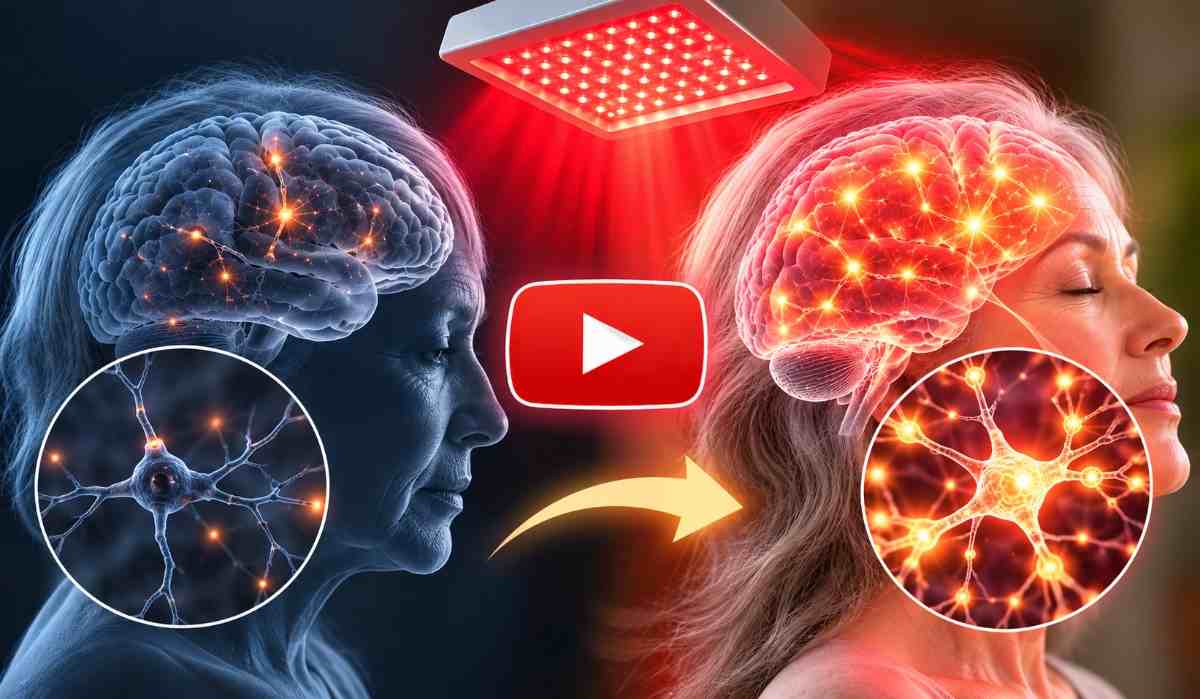
👉 DON’T TRY THIS “RED LIGHT THERAPY FOR MEMORY LOSS” UNTIL YOU SEE THIS
Can Red Light Therapy Help With Alzheimer’s Disease?
Alzheimer’s disease is a progressive neurological condition associated with changes in memory, reasoning, behavior, and everyday functioning.
Researchers are investigating whether photobiomodulation could influence biological processes associated with Alzheimer’s disease, including mitochondrial dysfunction, oxidative stress, and altered brain activity.
Some small clinical studies have reported improvements in cognitive assessment scores after treatment.
A systematic review published in 2025 also identified photobiomodulation as a potentially useful intervention, while emphasizing limitations in the available evidence.
Importantly, red light therapy has not been established as a treatment that stops, prevents, or reverses Alzheimer’s disease.
People experiencing symptoms of dementia should receive appropriate neurological assessment and continue recommended medical care.
Red Light Therapy for Age-Related Memory Loss
Age-related memory changes are common, but normal aging does not necessarily cause significant cognitive impairment.
For example, occasionally forgetting where an item was placed may be different from repeatedly becoming confused in familiar surroundings.
Researchers are studying whether photobiomodulation could influence cognitive performance in older adults.
A 2023 systematic review and meta-analysis suggested possible cognitive benefits in aging populations, although results differed depending on wavelength, treatment duration, device type, and application method.
How Is Red Light Therapy Applied to the Brain?
Brain-directed photobiomodulation typically involves specialized devices designed to deliver red or near-infrared light toward selected areas of the head.
Unlike ordinary red light panels intended for skin care, research devices are developed around specific optical characteristics and treatment protocols.
Step 1: Medical Assessment
Before considering experimental brain-directed light therapy, individuals experiencing memory problems should consult a qualified healthcare professional.
Step 2: Selecting an Appropriate Device
Clinical research may use helmets, headsets, or other specialized light-delivery systems. Device specifications can include wavelength, light intensity, treatment location, and exposure duration.
Step 3: Following a Research-Based Protocol
Studies use different treatment schedules, ranging from repeated sessions over several weeks to longer experimental programs.
Step 4: Monitoring Cognitive Function
Clinical studies often use standardized cognitive assessments to evaluate changes in memory, attention, and other mental abilities.
👉 DON’T TRY THIS “RED LIGHT THERAPY FOR MEMORY LOSS” UNTIL YOU SEE THIS
Red Light Therapy for Memory Loss: Results Timeline
The following table summarizes research periods rather than guaranteed results.
| Research Period | What Researchers May Evaluate |
|---|---|
| Weeks 1–2 | Initial tolerability and treatment adherence |
| Weeks 3–4 | Early changes in selected cognitive measurements |
| Weeks 5–8 | Attention, working memory, and cognitive test performance |
| Weeks 9–12 | Changes in standardized cognitive assessments |
| Beyond 12 Weeks | Durability of outcomes and longer-term safety |
Long-term studies are particularly important because progressive memory disorders can change over months or years.
Is Red Light Therapy for Memory Loss Safe?
Photobiomodulation is generally considered noninvasive, and several small studies have reported acceptable short-term tolerability.
Treatment safety depends on the device, light intensity, exposure duration, treatment location, and individual medical circumstances.
Potential concerns include:
-
Headaches: Some individuals may experience temporary headaches or discomfort.
-
Eye Exposure: Bright light sources can create eye-safety concerns without appropriate protection.
-
Skin Discomfort: Poorly controlled exposure may cause warmth or irritation.
-
Sleep Disturbances: Some studies have reported changes in sleep or wakefulness.
-
Device Misuse: Incorrect settings or unsuitable equipment may increase risks.
People with photosensitivity, seizure disorders, neurological conditions, or medications that increase light sensitivity should obtain medical guidance before using these devices.
Red Light Therapy vs. Traditional Memory Care
Red light therapy differs from established approaches to managing cognitive impairment.
| Feature | Red Light Therapy | Conventional Memory Care |
|---|---|---|
| Primary Approach | Experimental light-based intervention | Diagnosis and individualized management |
| Scientific Evidence | Preliminary and developing | Depends on the intervention and diagnosis |
| Treatment Goal | Investigating possible cognitive effects | Managing symptoms and underlying conditions |
| Application | Specialized light devices | Medical care, lifestyle changes, and selected medications |
| Clinical Status | Not established for memory loss | Established approaches available |
| Professional Guidance | Recommended | Essential |
Red light therapy should not replace medical evaluation, prescribed treatments, or evidence-based support for cognitive health.
Who Might Be Interested in Red Light Therapy for Memory Loss?
Photobiomodulation research may be relevant to individuals interested in emerging approaches to cognitive health.
Researchers have investigated its use among older adults, healthy volunteers, and people with mild cognitive impairment or diagnosed neurological conditions.
Participation in a supervised clinical trial may provide access to structured monitoring and appropriately specified equipment.
Memory difficulties can have multiple causes, including medication effects, sleep disorders, depression, thyroid problems, and vitamin deficiencies.
👉 DON’T TRY THIS “RED LIGHT THERAPY FOR MEMORY LOSS” UNTIL YOU SEE THIS
Natural Ways to Support Memory and Brain Health
While red light therapy is still under investigation, several established lifestyle practices can support overall brain health.
1. Maintain Regular Physical Activity
Exercise supports cardiovascular health and healthy blood circulation, both of which are important for brain function.
2. Follow a Balanced Diet
A nutritious diet containing vegetables, fruits, whole grains, legumes, nuts, and healthy fats provides nutrients important for overall health.
Mediterranean-style eating patterns are frequently studied in relation to cardiovascular and cognitive health.
3. Prioritize Quality Sleep
Maintaining consistent sleep habits and addressing sleep disorders may help improve concentration and daytime functioning.
4. Stay Mentally Active
Reading, learning new skills, participating in conversations, and engaging in mentally stimulating activities can support cognitive engagement.
5. Manage Cardiovascular Risk Factors
High blood pressure, diabetes, smoking, and other vascular risk factors can affect long-term brain health.
Final Thoughts
Red light therapy for memory loss is an emerging approach that researchers are studying for its potential to support brain function, memory performance, and cognitive health.
Photobiomodulation may influence cellular energy production, cerebral blood circulation, and neuronal activity, which are important processes involved in maintaining healthy brain function.
Early scientific studies suggest promising possibilities for improving certain memory and attention measurements, although larger clinical trials are needed to confirm these findings.
Red light therapy remains experimental for memory loss and has not been proven to prevent dementia, reverse Alzheimer’s disease, or restore lost memories.
The best approach to long-term brain health combines regular exercise, balanced nutrition, quality sleep, mental stimulation, and professional medical guidance when needed.
👉 DON’T TRY THIS “RED LIGHT THERAPY FOR MEMORY LOSS” UNTIL YOU SEE THIS
.
.
.
Reference
https://pubmed.ncbi.nlm.nih.gov/40939031
https://pubmed.ncbi.nlm.nih.gov/37843594/
About Us
