
Red Flags Before Buying GLP-1 Online – Safety Guide 2026
Red Flags to Watch for Before Buying GLP-1 Online (2026 Guide)
The demand for GLP-1 medications such as semaglutide and tirzepatide has exploded in recent years due to their effectiveness in managing blood sugar and promoting weight loss.
Unfortunately, this popularity has also created a booming underground market filled with counterfeit products, fake telehealth clinics, and unsafe online pharmacies.
The U.S. Food and Drug Administration (FDA) has repeatedly warned consumers about illegally marketed and counterfeit versions of GLP-1 drugs that may contain the wrong dosage or even harmful ingredients.
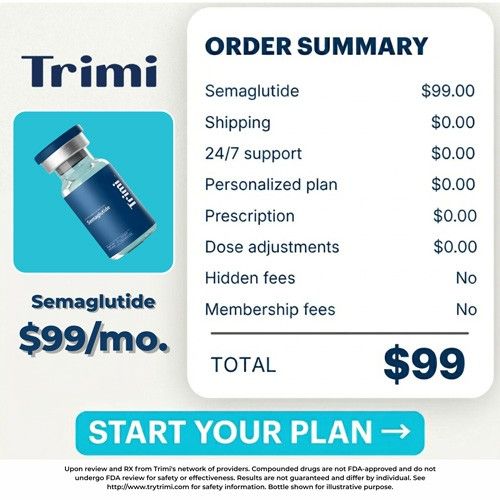
If you’re considering buying GLP-1 online, understanding the warning signs is not optional—it’s essential for your safety. Below is a complete breakdown of the most important red flags to watch for before making a purchase.
Watch for no prescription, fake discounts, poor transparency, and unverified sellers before buying GLP-1 online to avoid unsafe or counterfeit drugs.
What Are GLP-1 Medications?
GLP-1 medications work on pathways involved in appetite, blood sugar regulation, digestion, and food intake. Depending on the medication, they may be prescribed for conditions such as type 2 diabetes or chronic weight management.
Commonly discussed medications include semaglutide and tirzepatide. Brand-name products include Ozempic, Wegovy, Mounjaro, and Zepbound, depending on the specific medical indication.
Because these are prescription medications, obtaining them should involve an appropriate medical evaluation. A legitimate online treatment program should not simply ask for payment and send medication without determining whether treatment is medically appropriate.
Why Online GLP-1 Safety Matters More Than Ever
GLP-1 medications are prescription-only drugs that should be prescribed, monitored, and dispensed under licensed medical supervision. However, the rise of telehealth and compounding pharmacies has created both legitimate access and dangerous loopholes.
FDA monitoring shows that illegal online sellers may distribute products that:
- Contains no active ingredient
- Include incorrect or contaminated substances
- Mimic real medications with fake labeling.
In some cases, counterfeit versions of popular drugs like Ozempic have been found in circulation, increasing the risk of serious health harm.
This makes it critical to separate legitimate providers from unsafe operators.
🚩 Red Flag #1: No Prescription Required
Any website offering GLP-1 medications without a prescription is a major warning sign. These are prescription-only treatments that require medical evaluation before use. If no doctor consultation is involved, the product is likely unsafe or illegal.
Legitimate GLP-1 treatment always requires:
- A medical consultation
- Health screening
- Ongoing provider supervision
If a site sells GLP-1 products with “no doctor needed,” it operates outside medical standards and likely violates regulations.
👉 GLP-1 Starting At $59 Per Month – 100% Online
🚩 Red Flag #2: Prices That Are “Too Good to Be True”
Extremely low pricing or unrealistic discounts often indicate counterfeit or low-quality products. Genuine GLP-1 medications are costly due to manufacturing and clinical handling requirements. If the price seems suspiciously cheap, safety is usually compromised.
Common scam pricing patterns include:
- “Buy 3 months, get 2 free”
- Extremely low monthly rates far below market norms
- Hidden subscription traps after initial payment
Unusually cheap products often indicate:
- Counterfeit medication
- Incorrect dosage
- Poor storage or handling conditions
🚩 Red Flag #3: Claims Like “FDA-Approved Compounded GLP-1”
This claim is misleading because compounded medications are not FDA-approved. While pharmacies may compound drugs legally, they do not carry official FDA approval like branded versions. Such wording is often used to confuse buyers.
Important truth:
- Compounded medications are NOT FDA-approved
- Only the original branded drugs undergo full FDA approval
Some sellers misleadingly advertise phrases like “FDA-approved compounded semaglutide,” which is scientifically and legally incorrect.
If a provider uses this wording, it is a strong sign of misleading or unethical marketing.
🚩 Red Flag #4: No Transparency About Pharmacy Source
Legitimate providers clearly disclose which licensed pharmacy prepares the medication. If the source is hidden or vaguely described, it raises concerns about quality control and safety standards. Transparency is essential in prescription medication supply.
- The licensed compounding pharmacy used
- Pharmacy credentials (503A or 503B facility)
- Contact and verification details
If a provider refuses to tell you where the medication comes from—or gives vague answers like “our partner lab”—that is a serious warning sign.
Transparency is a cornerstone of safe pharmaceutical distribution.
🚩 Red Flag #5: No Licensed Medical Provider Oversight
A proper GLP-1 program always includes supervision from licensed healthcare professionals. If there is no doctor review or monitoring, dosing errors and health risks can occur. Medical oversight ensures safe and personalized treatment.
Danger signs include:
- No licensed physician or nurse practitioner listed
- “AI-only prescriptions”
- Instant approvals without medical evaluation
GLP-1 therapy requires monitoring because dosage adjustments and management of side effects are medically important.
Without oversight, users risk incorrect dosing and unmanaged complications.
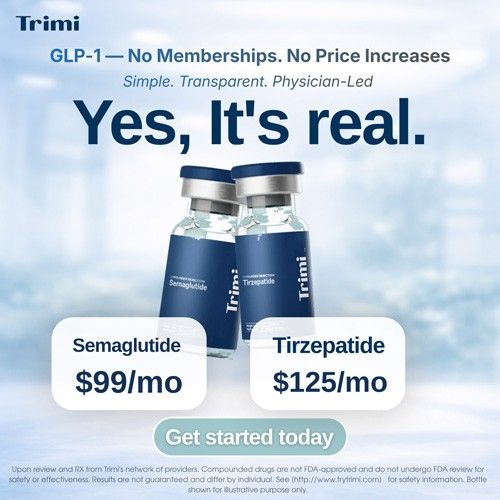
🚩 Red Flag #6: Celebrity Endorsements or Viral Ads
Fake endorsements using celebrities or influencers are commonly used in scam campaigns. These ads are often AI-generated or manipulated to build false trust. Legitimate medical treatments don’t rely on viral hype or celebrity marketing.
These often involve:
- AI-generated videos
- Fake interviews
- Misleading social media ads
Red flags include claims like:
- “Oprah recommends this GLP-1 program”
- “Doctors don’t want you to know this secret”
These are almost always fabricated marketing schemes designed to steal personal and financial information.
🚩 Red Flag #7: Social Media or Messaging App Sales
Selling GLP-1 drugs through Instagram, WhatsApp, or Telegram is highly unsafe. Legitimate pharmacies never distribute prescription medications through informal chat platforms. These channels are frequently linked to counterfeit drug distribution.
- Instagram DMs
- TikTok links
- WhatsApp groups
- Telegram channels
Legitimate pharmacies and clinics do not sell prescription medications through informal messaging platforms.
FDA and global regulators have repeatedly warned that these channels are heavily associated with counterfeit drug distribution.
🚩 Red Flag #8: No Physical Address or Licensing Information
Trustworthy providers always display a verified business address and pharmacy license details. If this information is missing or hidden, it becomes difficult to verify legitimacy. Lack of transparency often signals fraudulent operations.
- Physical business address
- Pharmacy license details
- State registration information
If a website hides this information or only provides a contact form, it is a major red flag.
Fake online pharmacies often avoid traceable business details to prevent accountability.
🚩 Red Flag #9: Fake “Research Use Only” Products
Some sellers label GLP-1 products as “for research use only” while still giving usage instructions. This is a serious red flag because such products are not approved for human consumption. They may be untested and unsafe.
- “For research purposes only”
- “Not for human consumption”
Yet they are still sold with dosing instructions. This contradiction is a major regulatory warning sign.
The FDA explicitly warns against purchasing such products, as they may be untested and unsafe for human use.
🚩 Red Flag #10: Lack of Follow-Up Care or Support
GLP-1 treatment requires ongoing monitoring to adjust dosage and manage side effects. If a provider does not offer follow-up care, users are left without medical guidance. This increases the risk of complications during treatment.
Unsafe providers often:
- Sell medication without follow-up appointments
- Provide no side-effect support
- Ignore patient health updates
This lack of ongoing care significantly increases health risks, especially during dosage changes or in cases of adverse reactions.
🚩 Red Flag #11: Fake Reviews or Overly Perfect Testimonials
Websites filled only with 5-star reviews or identical testimonials may be manipulating trust. Real user feedback usually includes a mix of experiences. Overly perfect reviews often indicate fabricated or incentivized content.
- Only 5-star reviews
- No negative feedback
- Repeated generic testimonials
Fake review manipulation is common in online pharmacy scams. Authentic medical services typically show balanced feedback and detailed patient experiences.
👉 Try the Best GLP-1 of 2026 That’s Working for Thousands
🚩 Red Flag #12: Poor Website Quality and Lack of Security
Unprofessional websites with spelling errors, missing policies, or no HTTPS security are a major concern. These signs often indicate low credibility or scam operations. A legitimate medical site maintains strong security and clear information.
Warning signs include:
- No HTTPS security (padlock missing)
- Broken pages or poor grammar
- Stock images instead of real clinical information
- No privacy policy or terms of service
Professional healthcare providers invest heavily in compliance and transparency.
How to Check an Online GLP-1 Provider
Before buying GLP-1 medication online, take a few practical steps.
Step 1: Confirm That a Prescription Is Required
If a provider offers prescription medication without appropriate medical evaluation, consider that a major warning sign.
Step 2: Identify the Prescribing Clinician
Find out who evaluates your case and whether you can contact the clinician if questions arise.
Step 3: Identify the Dispensing Pharmacy
Ask which pharmacy fills the prescription and where that pharmacy is located.
Step 4: Verify the Pharmacy License
Use your state’s pharmacy board resources to check the pharmacy’s license. The FDA provides state-by-state resources for this purpose.
Step 5: Review the Medication Information
Understand what medication you are being prescribed, the prescribed dose, instructions for use, storage requirements, and pharmacy information.
Step 6: Check the Full Price
Look beyond the advertised introductory price. Determine your expected ongoing monthly cost and whether additional medical or shipping fees apply.
Step 7: Ask About Follow-Up Care
Know who to contact if you experience side effects, have questions about administration, or need your treatment reassessed.
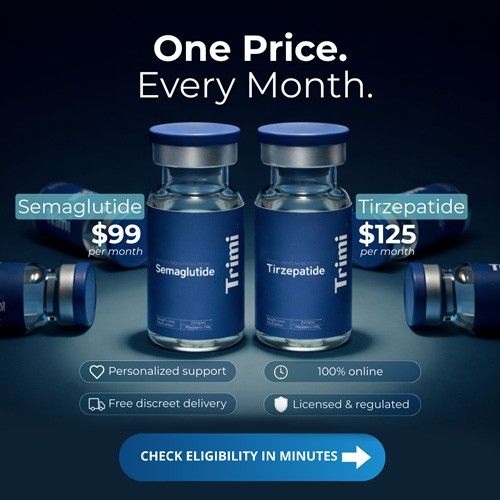
FDA-Approved vs. Compounded GLP-1 Medications
Online shoppers should pay particular attention to this area. An FDA-approved medication has undergone the FDA’s review process for safety, effectiveness, and quality.
Compounded medications are different and are not FDA-approved. The FDA notes that compounding can have a role in specific circumstances when a patient’s medical needs cannot be met by an FDA-approved drug, but compounded drugs should not be treated as interchangeable with FDA-approved products simply because they contain a similar active ingredient.
If a website offers compounded semaglutide or tirzepatide, ask clear questions about the prescribing process, dispensing pharmacy, labeling, and clinical oversight.
The FDA has reported adverse events associated with compounded semaglutide and tirzepatide and has also highlighted dosing concerns involving compounded injectable semaglutide.
That does not mean every compounded medication is unsafe. It means consumers should understand exactly what product they are receiving and why it is being prescribed.
What Should a Safer Online GLP-1 Program Look Like?
A legitimate online treatment program should have a healthcare-focused process rather than a simple checkout experience.
Look for a provider that:
- Requires appropriate medical evaluation
- Uses qualified healthcare professionals
- Provides a legitimate prescription when medication is appropriate
- Clearly identifies the dispensing pharmacy
- Uses a state-licensed pharmacy
- Provides medication instructions
- Offers access to clinical support
- Explains follow-up care
- Clearly displays pricing
- Explains recurring charges
- Protects your personal information
The FDA similarly recommends that safe online pharmacies require prescriptions, provide a U.S. physical address and telephone number, have a licensed pharmacist available, and maintain appropriate state pharmacy licensing.
👉 Get GLP-1 At $59 Per Month (Limited Time Offer)
How to Safely Buy GLP-1 Online?
To stay safe, always ensure:
- A prescription is required
- A licensed clinician is involved
- The pharmacy is verifiable
- Pricing is realistic
- Transparent medical follow-up is included
If even one of these is missing, reconsider the provider.
Final Thoughts
Buying GLP-1 medication online can be convenient, but convenience should come with careful verification. A professional-looking website, attractive price, or social media advertisement does not by itself establish that a medication source is safe.
The most important red flags before buying GLP-1 online include no prescription requirement, minimal medical screening, unusually low prices, unclear pharmacy information, misleading FDA-related claims, questionable labeling, guaranteed weight-loss promises, and a lack of follow-up care.
Before starting treatment, verify the healthcare provider and dispensing pharmacy, understand exactly what medication you are receiving, review the complete cost, and make sure you have access to appropriate medical support.
When in doubt about a GLP-1 medication you have purchased or received, contact the prescribing clinician or dispensing pharmacy before using it. The FDA also provides BeSafeRx resources for checking online pharmacy safety and reporting potentially unsafe medication sales.
References
About Us
