Pink Salt Trick for Nerve Pain: Evidence & Safety Guide
Many people searching for natural ways to manage discomfort have recently come across the “pink salt trick for nerve pain.”
This trend has gained online attention, with claims that pink Himalayan salt may help relieve nerve-related discomfort, tingling, or burning sensations.
The idea is appealing because it uses a simple household ingredient many people already have.
However, nerve pain is a complex health concern that can develop from different causes, including nerve injury, metabolic problems, vitamin deficiencies, diabetes, or physical pressure on nerves.
While some people may find temporary comfort in home remedies, it is important to understand what science supports and what remains personal experience rather than a proven treatment.
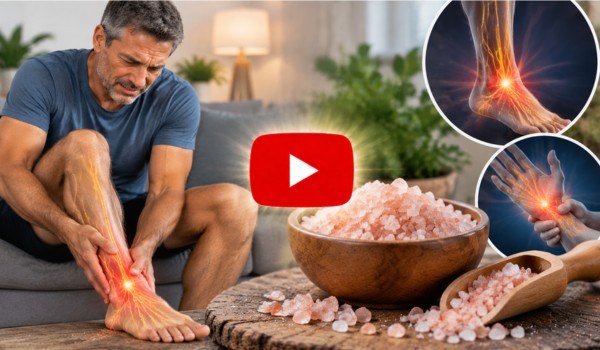

In this guide, we explore what the pink salt trick for nerve pain is, what science says about it, and evidence-based ways to support nerve health.
What Is the Pink Salt Trick for Nerve Pain?
The pink salt trick refers to various home remedies involving Himalayan pink salt that are shared online as possible ways to support nerve comfort.
These methods commonly include using pink salt in drinks, adding it to baths or foot soaks, or combining it with other ingredients as part of a wellness routine.
However, the presence of minerals does not automatically mean that a remedy can repair damaged nerves or treat neuropathy.
The body needs specific amounts of nutrients to function normally, but nerve damage from medical conditions usually requires identifying and addressing the underlying cause.
The popularity of this trend comes mainly from:
- Interest in natural approaches for chronic discomfort
- Increased awareness of electrolyte balance
- Social media discussions about simple wellness routines
- Desire for alternatives to traditional pain management methods
The key point is that pink salt may be part of general wellness habits, but it should not be considered a replacement for medical evaluation or evidence-based care.
Why Has the Pink Salt Trick Become Popular?
Natural health trends often spread quickly because they offer simple explanations for complicated problems. Nerve pain can be frustrating because symptoms may continue even without a visible injury.
Many people look for solutions that are affordable, easy to try, and available at home.
The appeal of pink salt comes from several factors:
- It is viewed as a “natural” mineral source
- It is widely available in stores
- It has become associated with wellness and healthy living
- It is often promoted as containing multiple trace minerals
Online discussions sometimes describe pink salt as a way to “restore minerals” or “support nerve repair.” However, these statements need careful interpretation.
The nervous system depends on many processes, including:
- Proper communication between nerve cells
- Healthy blood supply
- Balanced nutrients
- Normal glucose levels
- Protection from ongoing nerve damage
A single ingredient is unlikely to influence all of these factors on its own.
When evaluating any popular remedy, it helps to understand the difference between supporting normal body function and treating nerve damage.
👉 DON’T TRY THIS “PINK SALT TRICK FOR NERVE PAIN” UNTIL YOU SEE THIS
Understanding Nerve Pain and Neuropathy
Before discussing whether pink salt may help, it is important to understand what nerve pain actually is.
Nerve pain, also called neuropathic pain, occurs when nerves become damaged, irritated, or unable to send signals correctly.
Unlike normal pain caused by a cut or injury, nerve pain often comes from problems within the nervous system itself.
People may describe nerve pain as:
- Burning sensations
- Tingling or “pins and needles”
- Electric shock-like feelings
- Sharp or stabbing discomfort
- Numbness
- Increased sensitivity to touch
Nerves act like communication pathways between the brain, spinal cord, and the rest of the body. When these pathways are affected, the signals sent to the brain may become altered.
For example, a person with nerve irritation may feel pain from a sensation that normally would not be uncomfortable, such as light pressure from clothing or bedsheets.

Common Causes of Nerve Pain
Nerve discomfort is not caused by one single condition. Different health factors can affect nerve function.
Common causes include:
➺ Diabetes and Blood Sugar Changes
High blood sugar levels over time can affect nerve health and are one of the most common causes of peripheral neuropathy.
Diabetes-related nerve problems often affect the feet and hands, causing symptoms such as:
- Burning sensations
- Tingling
- Reduced feeling
- Pain during normal activities
Maintaining healthy blood sugar levels is an important part of protecting nerve function.
➺ Vitamin Deficiencies
Certain vitamins play important roles in normal nerve function. Low levels of specific nutrients, including vitamin B12, may contribute to nerve-related symptoms in some individuals.
Possible signs linked with nerve nutrient problems may include:
- Tingling sensations
- Weakness
- Changes in sensation
- Balance difficulties
A healthcare professional can help determine whether nutrient levels may be involved.
➺ Physical Nerve Compression
Sometimes nerves become irritated because of pressure or injury.
Examples include:
- Carpal tunnel syndrome
- Spinal nerve compression
- Injuries affecting nerve pathways
In these cases, improving the underlying mechanical problem may matter more than dietary approaches.
➺ Age-Related Nerve Changes
As people age, changes in the nervous system may affect how quickly and accurately nerve signals are transmitted.
This does not mean nerve problems are unavoidable, but maintaining overall health becomes increasingly important.
👉 DON’T TRY THIS “PINK SALT TRICK FOR NERVE PAIN” UNTIL YOU SEE THIS
How Nerves Communicate With the Body
The nervous system works through electrical and chemical signals. Nerve cells communicate by sending messages that control movement, sensation, and many automatic body functions.
There are three major types of nerves:
➺ Sensory Nerves
These nerves carry information about:
- Touch
- Temperature
- Pain
- Pressure
When sensory nerves are affected, people may notice numbness, tingling, or unusual sensations.
➺ Motor Nerves
Motor nerves help control muscle movement.
Damage may contribute to:
- Muscle weakness
- Difficulty with movement
- Reduced coordination
➺ Autonomic Nerves
These nerves control functions that happen automatically, including:
- Digestion
- Heart rate
- Sweating
- Blood pressure regulation
Because nerves influence many areas of the body, nerve problems require a complete understanding, not just symptom relief.

What Does Pink Himalayan Salt Actually Contain?
Pink Himalayan salt mainly consists of sodium chloride, similar to regular table salt. It also contains small amounts of trace minerals that contribute to its pink color.
These minerals may include small amounts of:
- Magnesium
- Potassium
- Calcium
- Iron
Minerals are essential for many body processes, including fluid balance and normal nerve signaling.
Sodium, for example, plays a role in nerve impulse transmission. Nerve cells use sodium movement across their membranes to create electrical signals.
However, this does not mean consuming extra salt will improve damaged nerves.
The body carefully regulates mineral levels. Excessive salt intake may create health concerns for some individuals, especially those with certain heart, kidney, or blood pressure conditions.
Can Pink Salt Affect Nerve Function?
The connection between salt and nerves comes from the role electrolytes play in the nervous system.
Electrolytes help regulate:
- Fluid balance
- Muscle contraction
- Electrical activity in cells
However, nerve pain is usually not caused simply by a lack of salt.
For example, diabetes-related neuropathy involves nerve damage from long-term metabolic changes. A salt-based remedy would not address the underlying process causing that damage.
Pink salt may support normal electrolyte intake when used appropriately as part of a balanced diet, but current evidence does not show that it can:
- Repair damaged nerves
- Reverse neuropathy
- Cure chronic nerve pain
- Replace medical treatment
Understanding these limitations helps separate wellness practices from scientifically supported treatments.
👉 DON’T TRY THIS “PINK SALT TRICK FOR NERVE PAIN” UNTIL YOU SEE THIS
Does the Pink Salt Trick Really Help Nerve Pain?
The popularity of the pink salt trick has created many discussions about whether this simple remedy can improve nerve-related discomfort.
Some people report feeling better after using pink salt in their daily routine, especially when combined with hydration, relaxation, or other healthy habits.
However, personal experiences and scientific evidence are not always the same.
Currently, limited scientific evidence shows that pink Himalayan salt can directly treat nerve pain, repair damaged nerves, or reverse neuropathy.
While minerals in salt play roles in normal body function, nerve damage usually involves more complex processes that adding extra salt alone cannot correct.
Nerve health depends on several factors, including:
- Blood circulation
- Blood sugar regulation
- Nutrient availability
- Healthy nerve structure
- Management of underlying health conditions
For this reason, view pink salt as a possible wellness ingredient rather than a proven nerve pain treatment.
Pink Salt Drink, Foot Soaks, and Other Popular Methods
The phrase “pink salt trick” can refer to different methods shared online. These approaches are usually based on the idea that minerals in pink salt may support the body.
Common methods include:
➺ Pink Salt Water
Some people mix a small amount of pink Himalayan salt into water and consume it as part of a hydration routine.
The reasoning behind this practice is related to electrolytes. Sodium helps maintain fluid balance and supports normal nerve signaling.
However, adding extra salt is not necessary for most people who already consume enough sodium through their diet.
Excess sodium intake may be a concern for individuals with:
- High blood pressure
- Kidney problems
- Heart conditions
- Fluid retention issues
➺ Pink Salt Foot Soaks
Another popular method involves soaking feet in warm water mixed with pink salt.
Some people report that this feels relaxing or temporarily reduces discomfort. This may happen because:
- Warm water can relax muscles
- A foot soak can improve comfort
- Relaxation may reduce the awareness of discomfort
However, the temporary soothing effect of a foot soak is different from treating the underlying cause of nerve damage.
A warm salt bath may support relaxation, but it should not be considered a method to rebuild damaged nerves.
➺ Pink Salt Combined With Other Ingredients
Some online remedies combine pink salt with ingredients such as lemon, herbs, or other natural products.
While some ingredients may have general nutritional value, combining them does not automatically create a scientifically proven nerve support formula.
When evaluating any natural remedy, it is important to ask:
- Is there research supporting the specific claim?
- Does it address the cause of the condition?
- Are there safety concerns?

Why Some People Feel Temporary Relief
Even when a remedy does not treat nerve damage, some people may still feel temporary improvement. This does not necessarily mean the remedy is repairing nerves.
Several factors may explain why someone experiences comfort:
➺ Relaxation Response
Stress and tension can increase the awareness of discomfort. Relaxing activities, including warm baths or wellness routines, may help people feel more comfortable.
➺ Improved Hydration Habits
Some people who try salt-based drinks may also drink more water. Proper hydration supports normal body functions and may improve general well-being.
➺ Routine and Self-Care Effects
Creating a consistent health routine can influence how people feel. Taking time for self-care may improve relaxation and reduce stress associated with chronic discomfort.
These effects can be valuable, but they should not be confused with actual nerve regeneration.
👉 DON’T TRY THIS “PINK SALT TRICK FOR NERVE PAIN” UNTIL YOU SEE THIS
Can Electrolytes Support Nerve Health?
Electrolytes are minerals that carry an electrical charge and help regulate important body processes.
Important electrolytes include:
- Sodium
- Potassium
- Calcium
- Magnesium
The nervous system uses these minerals to send signals between nerve cells.
For example, sodium and potassium help create electrical changes that allow nerves to communicate.
However, nerve function requires balance.
Too much or too little of certain minerals can affect normal body processes.
A healthy diet usually provides sufficient electrolytes for most people. Additional supplementation is generally only needed in specific situations, such as certain medical conditions, intense physical activity, or dehydration.
The important point is:
Electrolytes support normal nerve function, but they do not automatically repair injured nerves.
Evidence-Based Ways to Support Nerve Health
People experiencing nerve discomfort often look for natural solutions because they want safe, practical ways to improve their quality of life.
While no single approach works for everyone, several evidence-based habits can support overall nerve wellness.
➺ Maintain Healthy Blood Sugar Levels
Blood sugar management matters because consistently high glucose levels can affect nerve health.
Healthy habits may include:
- Following a balanced eating pattern
- Staying physically active
- Monitoring blood sugar when recommended
- Following medical guidance for diabetes management
For people with diabetes-related neuropathy, addressing blood sugar control is one of the most important steps.
➺ Focus on Nutrient-Rich Foods
The nervous system requires several nutrients to function properly.
A balanced diet may include:
- Vegetables
- Fruits
- Lean proteins
- Whole grains
- Healthy fats
- Foods containing essential vitamins and minerals
Certain nutrient deficiencies can affect nerve function, making proper nutrition an important part of overall health.
➺ Check Vitamin Levels When Needed
Some nerve symptoms may be connected with low levels of specific nutrients.
Vitamin B12 is one example because it plays a role in maintaining healthy nerve cells.
People experiencing unexplained tingling, numbness, or weakness may benefit from discussing nutrient testing with a healthcare professional.
Taking high doses of supplements without knowing whether you have a deficiency is not always beneficial.
➺ Regular Physical Activity
Movement supports circulation and overall health.
Appropriate activities may include:
- Walking
- Stretching
- Strength exercises
- Low-impact workouts
Physical activity may help maintain mobility and support healthy body function.
For individuals with significant nerve problems, adjust exercise plans based on their abilities and medical situation.
➺ Prioritize Quality Sleep
Sleep plays an important role in recovery and overall wellness.
Poor sleep can affect:
- Pain sensitivity
- Stress levels
- Energy
- Daily function
Creating healthy sleep habits may help people better manage chronic discomfort.
Possible Risks of Relying Only on the Pink Salt Trick
One of the biggest concerns with viral health remedies is that people may delay proper medical evaluation.
Nerve pain can sometimes be a sign of an underlying condition that requires attention.
Depending only on pink salt may mean missing important causes such as:
- Diabetes-related nerve changes
- Vitamin deficiencies
- Nerve compression
- Autoimmune conditions
- Medication-related effects
Seeking professional guidance is especially important when symptoms are persistent or worsening.
When Should You Talk With a Healthcare Professional?
Occasional tingling or discomfort may have many explanations, but certain symptoms should not be ignored.
Medical advice may be important if you experience:
- Persistent numbness
- Increasing weakness
- Loss of balance
- Severe burning pain
- Symptoms affecting daily activities
- Sudden changes in sensation
A healthcare professional can help identify the possible cause and recommend appropriate evaluation or treatment.
Final Verdict: Is the Pink Salt Trick Worth Trying for Nerve Pain?
The pink salt trick for nerve pain has gained attention as a simple, natural approach to managing discomfort. Pink Himalayan salt contains minerals involved in normal body functions, and using it as part of a balanced lifestyle may support general wellness.
However, current scientific evidence does not show that pink salt can repair damaged nerves, reverse neuropathy, or provide a proven treatment for nerve pain.
People interested in trying pink salt as part of their routine should view it as a supportive wellness practice, not a medical solution.
The most effective approach to nerve health involves understanding the cause of symptoms and focusing on proven strategies, including balanced nutrition, healthy lifestyle habits, proper medical care, and management of underlying conditions.
Natural remedies can fit in personal wellness routines, but informed decisions require separating popular claims from scientific evidence.
References
https://en.wikipedia.org/wiki/Peripheral_neuropathy
https://www.healthline.com/health/neuropathy
https://www.webmd.com/brain/understanding-peripheral-neuropathy-basics
About Us