
Olive Oil Ritual for Type 2 Diabetes: Does It Work?
The olive oil ritual for type 2 diabetes is a simple dietary practice that involves consuming extra virgin olive oil regularly to support blood sugar management, insulin sensitivity, and heart health.
Although olive oil contains healthy monounsaturated fats and antioxidants, it isn’t a cure for type 2 diabetes and cannot replace prescribed medication or a balanced, diabetes-friendly diet.
Recently, olive oil rituals have gained attention on social media, with people promoting morning olive oil shots, olive oil with lemon, and drinking olive oil before meals as natural blood sugar hacks.
But do these methods actually work?
Scientific research suggests that extra virgin olive oil may support metabolic health, particularly when used instead of butter, refined carbohydrates, or less healthy fats.
However, evidence supporting specific viral olive oil rituals remains limited.
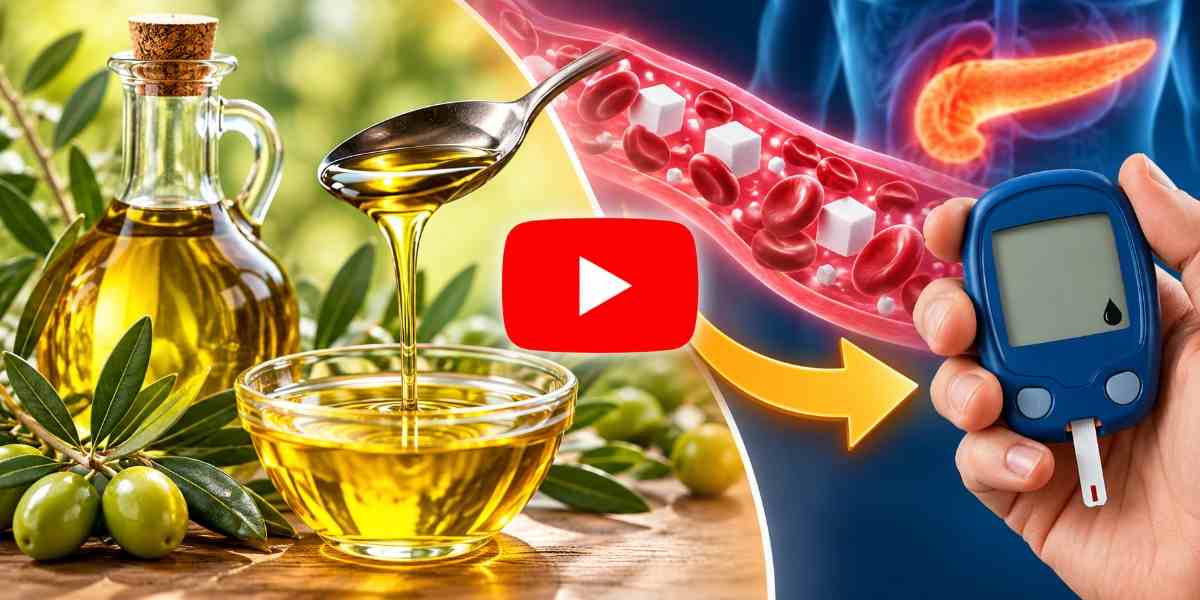
👉 DON’T TRY THIS “OLIVE OIL RITUAL FOR TYPE 2 DIABETES” UNTIL YOU SEE THIS
This guide explains how the olive oil ritual works, what research says about its potential benefits, the safest ways to incorporate it into your routine, and which trending claims deserve skepticism.
What Is the Olive Oil Ritual for Type 2 Diabetes?
The olive oil ritual for type 2 diabetes refers to regularly including olive oil in meals or consuming a measured amount as part of a daily wellness routine.
Unlike prescription diabetes treatments, this practice focuses on the quality of dietary fat rather than directly stimulating insulin production.
Extra virgin olive oil is commonly associated with the Mediterranean diet, which emphasizes vegetables, legumes, whole grains, nuts, fish, and healthy fats.
The most popular olive oil rituals include:
- Morning olive oil ritual: Taking a teaspoon or tablespoon of olive oil after waking up.
- Olive oil and lemon ritual: Combining olive oil with fresh lemon juice.
- Before-meal olive oil ritual: Consuming olive oil before breakfast, lunch, or dinner.
- Mediterranean olive oil ritual: Using extra virgin olive oil in salads, vegetables, and everyday cooking.
Among these approaches, using olive oil as part of a balanced Mediterranean-style eating pattern has the strongest scientific foundation.
👉 DON’T TRY THIS “OLIVE OIL RITUAL FOR TYPE 2 DIABETES” UNTIL YOU SEE THIS
How Does Olive Oil Affect Blood Sugar Levels?
Olive oil contains very little carbohydrate, meaning it does not directly raise blood glucose the way carbohydrate-containing foods can.
However, it affects blood sugar through several biological mechanisms.
1. May Support Insulin Sensitivity
Insulin resistance is a major feature of type 2 diabetes. It occurs when muscle, liver, and fat cells respond less effectively to insulin.
Olive oil contains oleic acid, a monounsaturated fatty acid associated with healthier dietary fat patterns.
Research suggests that replacing certain saturated fats with unsaturated fats may improve aspects of insulin sensitivity, although results vary between studies.
2. May Influence Post-Meal Blood Sugar
Eating fat alongside carbohydrates can slow gastric emptying, which may change how quickly glucose enters the bloodstream.
Some studies have investigated whether extra virgin olive oil influences postprandial blood glucose, meaning blood sugar measured after eating.
Results suggest potential benefits in certain meal settings, but they do not establish that taking an olive oil shot before meals reliably prevents glucose spikes.
3. Provides Antioxidant Compounds
Extra virgin olive oil contains polyphenols, including hydroxytyrosol and oleuropein-related compounds.
These substances have antioxidant and anti-inflammatory properties that researchers are investigating for their possible roles in metabolic health.
However, antioxidant activity does not automatically translate into clinically meaningful reductions in blood sugar.
👉 DON’T TRY THIS “OLIVE OIL RITUAL FOR TYPE 2 DIABETES” UNTIL YOU SEE THIS
How to Follow an Olive Oil Ritual for Type 2 Diabetes Safely
A practical olive oil routine does not require drinking oil on an empty stomach.
Instead, the most evidence-aligned approach is to incorporate measured portions of extra virgin olive oil into nutritious meals.
Step 1: Choose Extra Virgin Olive Oil
Select good-quality extra virgin olive oil in a dark bottle, ideally with a clearly stated harvest or best-before date.
Step 2: Measure Your Portion
Start with a small amount, such as one teaspoon, if it fits your dietary needs. One tablespoon contains approximately 120 calories.
Step 3: Include It With Meals
Add olive oil to vegetables, legumes, salads, or whole-grain dishes instead of consuming it separately.
Step 4: Monitor Your Response
Continue your prescribed diabetes care and check blood glucose as your healthcare professional recommends.
Important: No scientifically established olive oil dosage exists specifically for treating type 2 diabetes. The right amount depends on your calorie needs, dietary patterns, weight goals, and individual medical circumstances.
5 Potential Benefits of Olive Oil for People With Type 2 Diabetes
1. Supports Cardiovascular Health
People with type 2 diabetes have an increased risk of cardiovascular disease.
Replacing saturated fats with unsaturated fats from olive oil may help improve cholesterol-related risk factors, particularly LDL cholesterol.
2. May Improve Overall Dietary Quality
Olive oil can make vegetables, beans, and other nutritious foods more enjoyable.
This may encourage greater consumption of fiber-rich foods that support healthy blood glucose management.
3. May Help With Meal Satisfaction
Dietary fats contribute to the taste and satisfaction of meals.
When consumed in appropriate portions, olive oil may help people follow a sustainable eating pattern without relying on highly processed foods.
4. Provides Natural Polyphenols
Extra virgin olive oil contains plant-derived compounds that may help reduce oxidative stress.
Although promising, research has not established olive oil polyphenols as a standalone diabetes treatment.
5. Fits a Mediterranean-Style Diet
Mediterranean dietary patterns have been studied for their potential benefits in blood glucose control, cardiovascular risk reduction, and long-term metabolic health.
Olive oil is one important component, but its benefits cannot be separated completely from the overall diet.
👉 DON’T TRY THIS “OLIVE OIL RITUAL FOR TYPE 2 DIABETES” UNTIL YOU SEE THIS
Viral Olive Oil Hacks for Diabetes: Which Ones Actually Work?
Social media has popularized several olive oil combinations, often claiming they rapidly stabilize blood sugar or reverse insulin resistance.
Here is how those claims compare with available scientific evidence.
| Trending olive oil hack | Scientific reality |
| Olive oil shot every morning | No convincing evidence that taking it as a shot is better than using it with food. |
| Olive oil mixed with lemon | No established evidence that this combination lowers blood glucose more than olive oil alone. |
| Olive oil before bedtime | No proven special effect on overnight blood sugar or morning fasting glucose. |
| Olive oil before carbohydrates | May alter digestion and post-meal glucose patterns, but it is not a reliable glucose-blocking method. |
| Olive oil replacing butter | A reasonable dietary substitution that can improve the overall fat profile of meals. |
| Olive oil with cinnamon | Cinnamon research is mixed; the combination has not been proven to reverse diabetes. |
Key takeaway: The strongest evidence favors regular dietary use of olive oil rather than elaborate timing rules, detox drinks, or miracle combinations.
👉 DON’T TRY THIS “OLIVE OIL RITUAL FOR TYPE 2 DIABETES” UNTIL YOU SEE THIS
What Does the Latest Scientific Research Say About Olive Oil and Diabetes?
Recent research provides a more balanced understanding of olive oil’s relationship with type 2 diabetes.
✔ 2026 Research: Analysis of 51 Clinical Trials
A systematic review published in Nutrition Reviews in February 2026 analyzed 51 randomized controlled trials involving 4,334 participants.
The researchers found that olive oil consumption did not significantly improve overall blood glucose, HbA1c, or insulin levels across the trials.
However, a subgroup analysis suggested that consuming 25–50 grams daily might improve a measure of insulin resistance called HOMA-IR.
These findings are promising but do not establish an effective diabetes treatment or justify consuming large quantities of olive oil.
✔ 2025 Research: Olive Oil and Diabetes Risk
A 2025 meta-analysis reported an association between higher olive oil consumption and a lower risk of developing diabetes.
However, reducing the risk of developing diabetes is different from treating existing type 2 diabetes.
The findings support investigating olive oil as part of a healthy dietary pattern, not as a standalone therapy.
Best Time to Take Olive Oil for Blood Sugar Management
One common question is whether olive oil works better in the morning, before meals, or at night.
Currently, no strong clinical evidence identifies a specific time of day that maximizes olive oil’s blood sugar benefits.
Morning: Olive oil can be included in breakfast with vegetables, eggs, or whole-grain foods.
Before meals: You don’t need to consume olive oil before eating. Using it as part of a balanced meal is generally more practical.
Evening: Adding olive oil to dinner can support a Mediterranean-style dietary pattern, but there is no proven bedtime blood sugar benefit.
Consistency in overall dietary quality matters more than timing.
Olive Oil Ritual vs. Apple Cider Vinegar: Which Is Better?
Olive oil and apple cider vinegar are frequently compared in viral diabetes wellness videos.
However, they work differently.
| Feature | Olive oil | Apple cider vinegar |
| Main component | Monounsaturated fat | Acetic acid |
| Blood sugar research | Mixed findings | Limited, small studies |
| Heart health | Supports a heart-healthy dietary pattern | Less established |
| Calories | Approximately 120 per tablespoon | Approximately 3 per tablespoon |
| Main concern | Excess calorie intake | Tooth enamel erosion and digestive irritation |
| Diabetes cure? | No | No |
Rather than treating either ingredient as medicine, a practical approach is to combine small amounts of olive oil and vinegar in a salad dressing.
This can improve flavor without relying on unsupported blood sugar claims.
👉 DON’T TRY THIS “OLIVE OIL RITUAL FOR TYPE 2 DIABETES” UNTIL YOU SEE THIS
Common Mistakes to Avoid With the Olive Oil Ritual
Even natural dietary practices can become counterproductive when used incorrectly.
- Drinking excessive olive oil: Large amounts increase calorie intake and may contribute to unwanted weight gain.
- Replacing diabetes medication: Olive oil cannot substitute for prescribed glucose-lowering treatment.
- Expecting immediate results: No reliable evidence shows that olive oil rapidly normalizes blood glucose.
- Ignoring carbohydrates: Olive oil does not cancel the blood sugar effects of sugary drinks or carbohydrate-heavy meals.
- Believing detox claims: The liver and kidneys naturally process waste; olive oil does not provide a proven diabetes detox.
- Following viral dosage challenges: Social media recommendations may overlook individual calorie needs and medical conditions.
Is the Olive Oil Ritual Safe for Everyone With Type 2 Diabetes?
For most adults, moderate amounts of olive oil used as food are generally safe.
However, people managing obesity, digestive conditions, or medically prescribed low-fat diets may need individualized guidance.
Drinking large amounts of oil can cause nausea, abdominal discomfort, or diarrhea in some individuals.
People taking insulin or medications that can cause hypoglycemia should continue monitoring blood glucose according to their treatment plan, particularly when making broader dietary changes.
Consult your healthcare professional before making significant changes to your diabetes management routine.
👉 DON’T TRY THIS “OLIVE OIL RITUAL FOR TYPE 2 DIABETES” UNTIL YOU SEE THIS
Conclusion: Is the Olive Oil Ritual Worth Trying for Type 2 Diabetes?
The olive oil ritual for type 2 diabetes can add value to a balanced eating routine, especially when it replaces less healthy fats with extra virgin olive oil.
Its potential advantages include supporting cardiovascular health, improving dietary fat quality, and providing beneficial plant compounds.
However, the latest research does not demonstrate consistent improvements in blood sugar or HbA1c from olive oil alone.
Popular hacks involving lemon juice, morning shots, and bedtime consumption remain scientifically unproven.
The best approach is simple: Use moderate amounts of extra virgin olive oil in nutritious meals, prioritize fiber-rich foods, remain physically active, monitor blood glucose, and follow prescribed medical treatment.
Olive oil is a potentially valuable dietary ingredient, not a miracle diabetes remedy.
👉 DON’T TRY THIS “OLIVE OIL RITUAL FOR TYPE 2 DIABETES” UNTIL YOU SEE THIS
References
- Wikipedia – Olive Oil https://en.wikipedia.org/wiki/Olive_oil
- WebMD – Heart-Smart Foods for Type 2 Diabetes https://www.webmd.com/diabetes/ss/slideshow-diabetes-heart-foods
- Healthline – 11 Proven Benefits of Olive Oil https://www.healthline.com/nutrition/11-proven-benefits-of-olive-oil.html
About Us
