
Mullein Leaf Extract for COPD: Benefits, Uses & Risks
Mullein leaf extract for COPD is a popular herbal supplement traditionally used for coughs, throat irritation, and respiratory comfort.
However, scientific evidence does not establish that mullein treats COPD, clears mucus from damaged airways, improves lung function, or reverses emphysema.
Chronic obstructive pulmonary disease (COPD) is a long-term respiratory condition that restricts airflow and causes symptoms such as breathlessness, persistent coughing, wheezing, and excess mucus production.
Recently, mullein tea, lung detox drops, and herbal respiratory supplements have drawn attention on social media and natural wellness websites.
Although mullein contains potentially interesting plant compounds, its traditional reputation should not be confused with proven medical effectiveness.
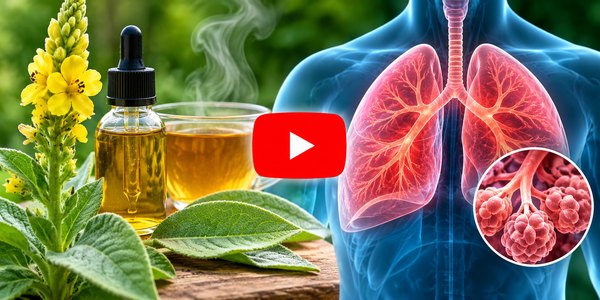
👉 DON’T TRY THIS “MULLEIN LEAF EXTRACT FOR COPD” UNTIL YOU SEE THIS
Understanding the available research helps people distinguish realistic respiratory wellness practices from exaggerated online claims.
What Is Mullein Leaf Extract?
Mullein leaf extract comes from Verbascum thapsus, a flowering plant traditionally used in European and Asian herbal medicine.
The plant has large, soft leaves and yellow flowers. Its leaves are processed into herbal teas, liquid extracts, tinctures, powders, and capsules.
Mullein contains several naturally occurring compounds:
- Mucilage: Traditionally associated with soothing irritated throat tissues.
- Saponins: Plant compounds investigated for various biological properties.
- Flavonoids: Antioxidant substances found in numerous medicinal plants.
- Phenolic compounds: Natural constituents studied for antioxidant activity.
These compounds explain scientific interest in mullein. However, their presence does not prove that consuming mullein improves COPD symptoms.
How Does Mullein Leaf Extract Work for COPD?
Researchers have investigated several properties of mullein that may relate to respiratory health.
1. Antioxidant Activity
Oxidative stress contributes to COPD-related inflammation and lung tissue damage.
Mullein contains compounds that demonstrate antioxidant activity in laboratory studies.
However, researchers have not established whether consuming mullein extract produces meaningful antioxidant effects inside human lungs.
2. Traditional Mucus Support
Mullein is frequently described as an expectorant in traditional herbal medicine.
Expectorants are substances intended to make mucus easier to expel through coughing.
Although mullein has this traditional reputation, reliable clinical evidence demonstrating improved mucus clearance in COPD patients remains insufficient.
3. Soothing Respiratory Irritation
Warm mullein tea may temporarily soothe throat discomfort associated with coughing.
Its comforting effects may partly reflect warmth, hydration, and mucilage content rather than changes within the lungs.
Mullein has not been demonstrated to reverse narrowed airways or repair damaged alveoli.
👉 DON’T TRY THIS “MULLEIN LEAF EXTRACT FOR COPD” UNTIL YOU SEE THIS
Potential Benefits of Mullein Leaf Extract for Lung Health
Several potential benefits appear in herbal discussions, but their supporting evidence varies considerably.
✔ Throat Comfort: Warm herbal preparations may provide temporary comfort during occasional throat irritation.
✔ Antioxidant Compounds: Mullein contains natural substances with antioxidant activity observed in experimental research.
✔ Traditional Cough Support: Herbal practitioners have historically used mullein preparations for cough-related discomfort.
✔ Hydration Support: Drinking properly prepared mullein tea contributes to daily fluid intake, which supports normal respiratory secretions.
✔Convenient Herbal Preparation: Extracts and capsules offer alternative formats for people interested in traditional herbal products.
None of these potential benefits establishes that mullein improves COPD severity, oxygen saturation, or long-term lung function.
What Does Scientific Research Say About Mullein for COPD?
Scientific investigations of mullein have examined its chemical composition, traditional medicinal uses, and possible antimicrobial and antioxidant properties.
A published PubMed review discusses the therapeutic potential of Verbascum thapsus and identifies areas needing further investigation.
However, high-quality human clinical trials have not established mullein leaf extract as an effective COPD treatment.
Laboratory findings cannot automatically predict clinical results because digestion, absorption, dosage, and biological responses differ substantially.
COPD also involves complex structural changes, including airway remodeling and destruction of lung tissue in emphysema.
Consequently, evidence supporting general plant antioxidant activity cannot demonstrate lung regeneration or improved airflow.
Current evidence supports further investigation, not claims of proven respiratory treatment.
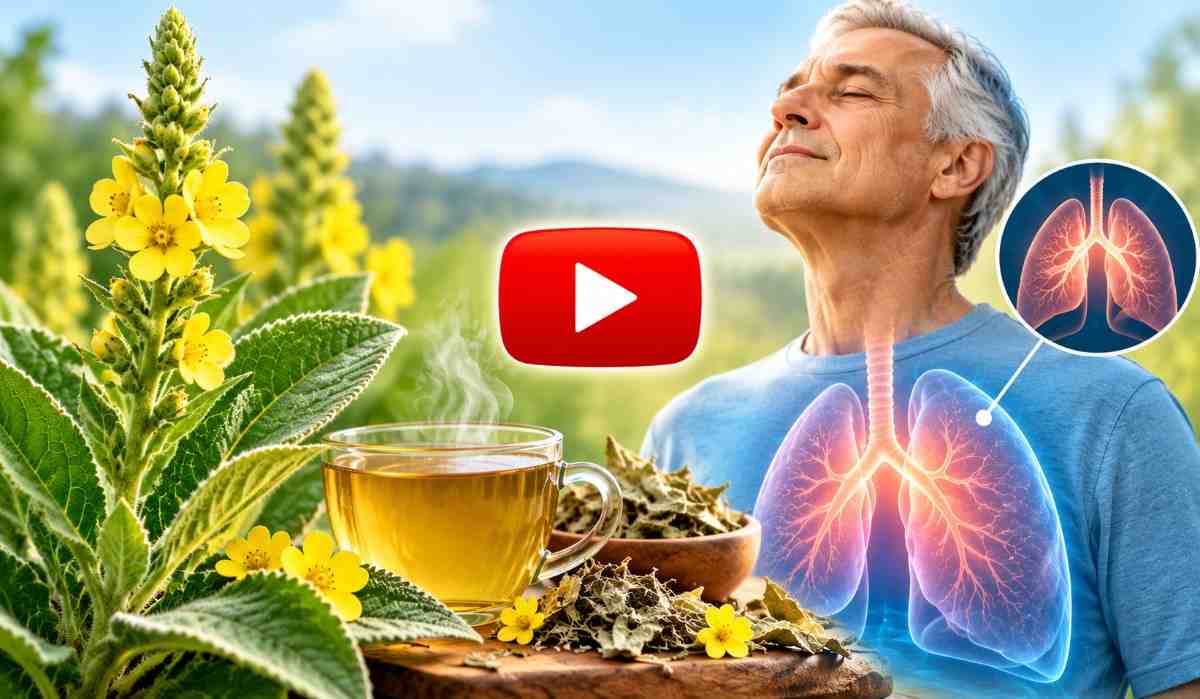
👉 DON’T TRY THIS “MULLEIN LEAF EXTRACT FOR COPD” UNTIL YOU SEE THIS
Viral Mullein Lung Detox Hacks: Facts vs Myths
Social media discussions increasingly promote mullein tea, herbal drops, and homemade lung-cleansing drinks.
✅ Mullein Tea and Honey Hack
A popular preparation combines mullein tea with honey.
Warm drinks may soothe throat irritation, while honey may ease occasional coughing. However, this mixture cannot remove COPD-related lung damage.
✅ Mullein Drops for Lung Cleansing
Online advertisements sometimes describe mullein drops as fast-acting lung detox supplements.
No convincing clinical evidence shows these products eliminate accumulated pollutants, restore lung capacity, or increase oxygen saturation.
✅ Mullein, Ginger, and Lemon Drink
This herbal combination is promoted as a natural respiratory wellness beverage.
Although its ingredients contain various plant compounds, the mixture has not been clinically demonstrated to treat COPD.
✅ Smoking Mullein Leaves
Some online posts recommend smoking mullein instead of tobacco.
This is unsafe advice for COPD patients because inhaling burning plant material exposes sensitive airways to irritating smoke.
👉 DON’T TRY THIS “MULLEIN LEAF EXTRACT FOR COPD” UNTIL YOU SEE THIS
How to Use Mullein Leaf Extract Safely
Mullein preparations include herbal teas, capsules, and concentrated liquid extracts.
➢ Mullein Tea
Traditional preparation involves steeping dried mullein leaves in hot water and carefully filtering the beverage.
Fine leaf hairs should be removed because they can irritate the throat.
➢ Mullein Liquid Extract
Commercial extracts vary in concentration, formulation, and manufacturing quality.
No medically established dosage exists for treating COPD with mullein extract.
People taking respiratory medications should consult their healthcare professional before using concentrated herbal supplements.
Never place herbal extracts inside nebulizers or oxygen equipment.
Mullein Leaf Extract Side Effects and Risks
Although mullein has a history of traditional use, comprehensive safety research remains limited.
Possible concerns include allergic reactions, skin irritation, digestive discomfort, contamination, and uncertain medication interactions.
Pregnant or breastfeeding individuals should avoid medicinal preparations without professional guidance.
People with severe COPD should be particularly cautious about replacing prescribed treatments with herbal remedies.
Seek urgent medical attention for severe breathlessness, chest pain, confusion, bluish lips, or rapidly worsening respiratory symptoms.
Mullein Leaf Extract vs COPD Medication
| Treatment | Scientific evidence |
| Mullein leaf extract | Insufficient COPD-specific evidence |
| Bronchodilator inhalers | Established benefits for airflow and symptoms |
| Pulmonary rehabilitation | Improves exercise tolerance |
| Smoking cessation | Slows further lung-function decline |
| Recommended vaccinations | Help prevent certain respiratory infections |
Evidence-based COPD management focuses on symptom control, preventing exacerbations, and maintaining quality of life.
👉 DON’T TRY THIS “MULLEIN LEAF EXTRACT FOR COPD” UNTIL YOU SEE THIS
Natural Ways to Support Lung Health With COPD
Several lifestyle strategies offer more reliable benefits than viral herbal detox programs.
✔ Pursed-Lip Breathing: Slowly inhaling through the nose and exhaling through pursed lips may help control breathlessness.
✔ Regular Exercise: Appropriate walking and supervised rehabilitation can improve endurance and daily functioning.
✔ Adequate Hydration: Drinking sufficient fluids supports normal mucus consistency.
✔ Indoor Air Quality: Reducing smoke, dust, and strong chemical fumes helps limit respiratory irritation.
✔ Balanced Nutrition: Vegetables, fruits, whole grains, and adequate protein support overall health.
These practices work best alongside individualized medical treatment.
Conclusion: Is Mullein Leaf Extract Good for COPD?
Mullein leaf extract for COPD attracts attention because of its traditional respiratory uses and naturally occurring antioxidant compounds.
However, scientific research does not establish that mullein treats COPD, clears damaged airways, increases oxygen levels, or reverses lung disease.
Viral lung detox recipes should therefore be approached cautiously, especially when they promise rapid breathing improvements.
People living with COPD can better protect their respiratory health through prescribed treatment, pulmonary rehabilitation, smoking cessation, and appropriate lifestyle changes.
Final takeaway: Mullein remains an unproven complementary herbal option, not a replacement for evidence-based COPD care.
👉 DON’T TRY THIS “MULLEIN LEAF EXTRACT FOR COPD” UNTIL YOU SEE THIS
References
- Wikipedia — Verbascum thapsus (Common Mullein)
https://en.wikipedia.org/wiki/Verbascum_thapsus
- Healthline — Mullein Leaf: Benefits, Uses, and Risks
https://www.healthline.com/health/mullein-leaf
- PubMed — Health-Promoting and Disease-Mitigating Potential of Verbascum thapsus
https://pubmed.ncbi.nlm.nih.gov/35088467/
About Us
