
Is There a Cure for Neuropathy or Just Treatment? 2026 Guide
Is there a cure for neuropathy or just treatment? The answer depends on the underlying cause, severity of nerve damage, and available treatment options.
Neuropathy affects the body’s peripheral nerves, causing burning feet, tingling, numbness, muscle weakness, and persistent nerve pain.
Living with neuropathy can make everyday activities challenging, including walking, sleeping, exercising, and maintaining proper balance.
Is There a Cure for Neuropathy or Just Treatment? explores effective treatments for nerve pain, numbness, tingling, and burning sensations.It explains reversible nerve damage, natural remedies, medications, and lifestyle changes that support nerve health.
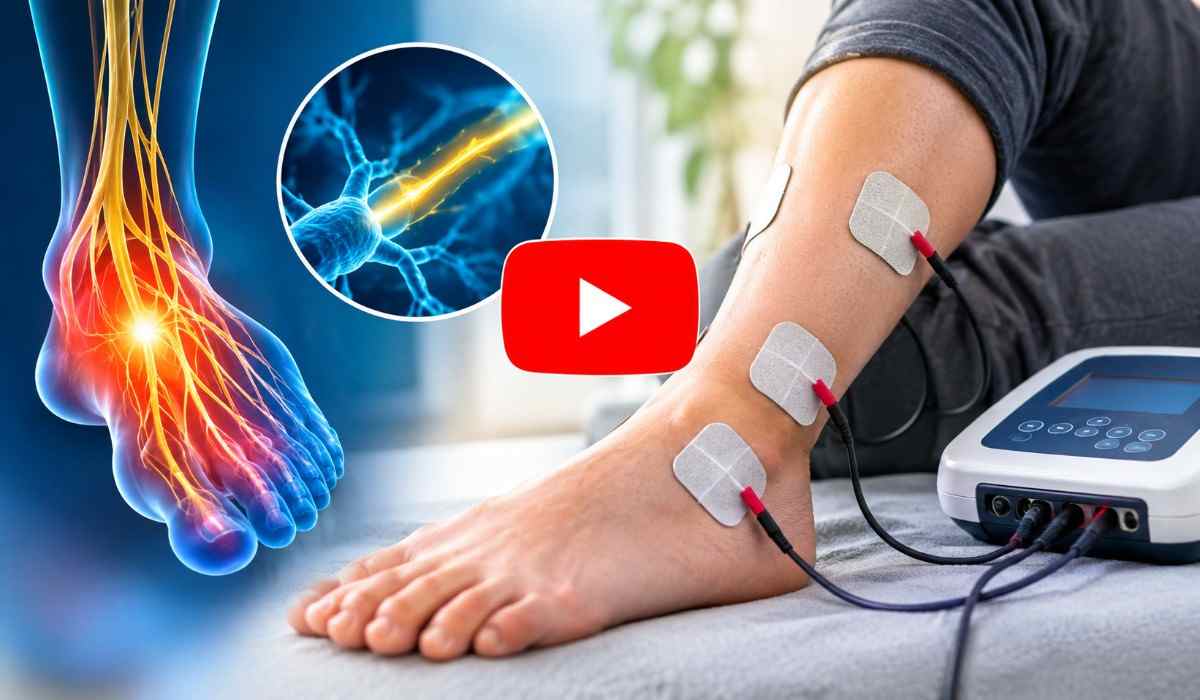
 DON’T TRY THIS “CURE FOR NEUROPATHY” UNTIL YOU SEE THIS
Some types of neuropathy can improve or even resolve when the underlying cause is identified early and treated with appropriate medical care.
Understanding reversible and permanent nerve damage is essential for choosing effective treatments, managing symptoms, and preventing further complications.
This comprehensive guide explores neuropathy cures and treatments, natural nerve health support, recovery timelines, medical options, and important warning signs.
Quick Answer: Is There a Cure for Neuropathy or Just Treatment?
There is no single cure for every type of neuropathy. Some cases improve or resolve when the underlying cause is treated, while others require long-term symptom management.
For example, neuropathy caused by certain vitamin deficiencies, temporary nerve compression, or treatable inflammatory conditions may improve considerably with appropriate medical care.
Treatment typically focuses on three important goals:
- Addressing the underlying cause: Identifying and treating conditions responsible for nerve damage.
- Reducing symptoms: Managing burning sensations, tingling, numbness, and nerve pain.
- Preventing further damage: Protecting remaining nerve function and improving long-term mobility.
1. What Is Neuropathy and How Does It Affect the Nerves?
The peripheral nervous system consists of nerves that connect the brain and spinal cord to the rest of the body.
These nerves transmit electrical signals responsible for sensation, movement, and automatic bodily functions.
When peripheral nerves become damaged, communication between the brain and different body regions may become disrupted.
This disruption can produce uncomfortable or unusual sensations, including burning, tingling, numbness, weakness, and sensitivity to touch.
Three Main Types of Nerves Affected by Neuropathy
| Nerve Type | Primary Function | Common Symptoms |
|---|---|---|
| Sensory nerves | Detect pain, temperature, and touch | Burning, tingling, numbness |
| Motor nerves | Control muscle movement | Weakness, cramps, poor coordination |
| Autonomic nerves | Regulate automatic body functions | Dizziness, sweating changes, digestive problems |
Common Symptoms of Neuropathy
Neuropathy symptoms vary depending on the nerves affected and the underlying condition.
Common symptoms include:
- Persistent tingling in the hands or feet
- Burning sensations in the toes or soles
- Sharp, shooting, or electric-like pain
- Reduced sensitivity to temperature
- Muscle weakness or difficulty walking
- Unusual sensitivity to light touch
- Poor balance and coordination
- Numbness that gradually spreads upward
- Increased discomfort during nighttime
- Difficulty detecting minor injuries
Recognizing these symptoms early can help identify treatable causes before additional nerve damage develops.
DON’T TRY THIS “CURE FOR NEUROPATHY” UNTIL YOU SEE THIS
2. Can Neuropathy Be Completely Cured?
Whether neuropathy can be completely cured depends primarily on why the nerves became damaged. Some forms develop because of temporary or correctable conditions.
Neuropathy That May Be Reversible
Certain causes of neuropathy can respond well to treatment.
Examples include:
Vitamin B12 Deficiency
Vitamin B12 supports normal nerve function and the maintenance of protective nerve coverings. A deficiency may cause numbness, tingling, weakness, and balance difficulties.
Correcting the deficiency can prevent additional damage and may improve neurological symptoms, particularly when treatment begins early.
Temporary Nerve Compression
Conditions such as carpal tunnel syndrome may improve through activity modifications, splinting, therapy, or surgery when necessary.
Certain Inflammatory Neuropathies
Early diagnosis and appropriate therapy can improve strength, mobility, and nerve function in selected conditions.
Medication-Related Neuropathy
When a medication is responsible, adjusting treatment under medical supervision may prevent worsening and sometimes allow partial recovery.
Neuropathy That May Not Be Completely Reversible
Some conditions cause lasting structural damage.
Examples include:
- Advanced diabetic peripheral neuropathy
- Certain inherited neuropathies
- Severe traumatic nerve injuries
- Long-standing alcohol-related neuropathy
- Some chemotherapy-related neuropathies
- Chronic neuropathy involving extensive nerve fiber loss
Although complete recovery may not be possible, treatment can still improve comfort, function, and quality of life.
3. What Causes Neuropathy and Which Types Can Improve?
Identifying the underlying cause is one of the most important steps in neuropathy treatment. Different causes require different medical approaches.
Common Causes and Recovery Possibilities
| Cause of Neuropathy | Recovery Potential | Primary Treatment Approach |
|---|---|---|
| Vitamin B12 deficiency | Often improves with early treatment | Correct vitamin deficiency |
| Diabetes | Established damage often persists | Manage glucose and cardiovascular risks |
| Nerve compression | May improve significantly | Relieve pressure on the nerve |
| Alcohol-related nerve damage | Partial recovery may occur | Stop alcohol exposure and correct deficiencies |
| Certain autoimmune conditions | Improvement possible with treatment | Immune-directed therapy |
| Medication-related damage | Variable recovery | Review and adjust medication |
| Chemotherapy-related neuropathy | May improve, persist, or worsen temporarily | Symptom management and oncology review |
| Hereditary neuropathy | Usually no complete cure | Rehabilitation and supportive care |
| Unknown cause | Depends on underlying pathology | Evaluation and individualized management |
Diabetes and High Blood Sugar
Diabetes is one of the leading causes of peripheral neuropathy. Over time, elevated blood glucose and abnormal blood fat levels can damage peripheral nerves and the small blood vessels supplying them.
Diabetic neuropathy frequently begins in the feet before progressing toward the legs. Common symptoms include burning, tingling, numbness, and reduced sensitivity.
DON’T TRY THIS “CURE FOR NEUROPATHY” UNTIL YOU SEE THIS
Nutritional Deficiencies
Nerves require adequate nutrition to function normally. Deficiencies involving certain vitamins can interfere with nerve signaling and maintenance.
Vitamin B12 deficiency is particularly important because delayed treatment may lead to lasting neurological damage.
Vitamin supplementation should be guided by medical evaluation rather than assuming that larger doses provide greater benefits.
Physical Injuries
Nerves can become injured following accidents, fractures, repetitive movements, or prolonged pressure.
Mild injuries may improve as inflammation decreases and damaged nerve fibers recover. Severe injuries involving substantial nerve disruption may require surgery and rehabilitation.
Autoimmune Conditions
Some immune disorders mistakenly attack peripheral nerves or their protective coverings. Examples include chronic inflammatory demyelinating polyneuropathy and Guillain-Barré syndrome.
These conditions require specialist evaluation because treatments may include intravenous immunoglobulin, plasma exchange, or other immune-directed therapies.
4. What Are the Most Effective Medical Treatments for Neuropathy?
Modern neuropathy treatment involves more than prescribing pain medication. A comprehensive treatment plan considers the underlying cause, nerve function, symptom severity, and the individual’s overall health.
Prescription Medications for Nerve Pain
Certain medications can reduce abnormal nerve pain signaling. Commonly prescribed options include:
Gabapentin
Gabapentin is frequently used to manage neuropathic pain. It works by modifying nerve signaling involved in pain transmission. Potential side effects include dizziness, drowsiness, and coordination difficulties.
Pregabalin
Pregabalin is another medication used for selected neuropathic pain conditions. It may help reduce burning sensations, shooting pain, and sleep disruption associated with nerve discomfort.
Duloxetine
Duloxetine is an antidepressant medication that can also treat certain types of neuropathic pain. It affects neurotransmitter pathways involved in processing pain signals.
Amitriptyline and Nortriptyline
These medications belong to a group called tricyclic antidepressants. They may help some people with chronic nerve pain, although side effects and medical history influence whether they are appropriate.
Topical Treatments
Topical medications are applied directly to painful areas.
Examples include:
- Lidocaine creams or patches
- Capsaicin creams
- Prescription high-concentration capsaicin patches for selected conditions
Important Treatment Limitation
Pain-relieving medications do not necessarily repair damaged nerves. Their primary purpose is to reduce discomfort and improve daily functioning. Treating the underlying cause remains essential whenever possible.
Physical Therapy
Physical therapy can help individuals experiencing muscle weakness, balance difficulties, or reduced mobility.
A rehabilitation program may include:
- Gentle strengthening exercises
- Balance training
- Walking practice
- Flexibility exercises
- Coordination activities
- Fall-prevention strategies
Physical therapy does not cure every form of neuropathy, but it can improve movement and independence.
Surgery for Nerve Compression
Surgery may be considered when a nerve is significantly compressed by surrounding tissues. Examples include certain cases of carpal tunnel syndrome or compression caused by structural abnormalities.
5. Can Damaged Nerves Heal Naturally?
Peripheral nerves have some capacity to repair and regenerate. However, their ability to recover depends on the severity and location of the injury.
How Nerve Healing Works
When an axon becomes injured, the nerve may attempt to regenerate if the nerve cell survives and conditions support healing.
In certain injuries, regenerating peripheral nerve fibers may grow approximately one millimeter per day, although actual recovery varies considerably.
The speed and completeness of recovery depend on several factors:
- Severity of nerve injury
- Distance between the injury and the target tissue
- Age and general health
- Blood circulation
- Nutritional status
- Presence of diabetes
- Duration of nerve compression
- Whether the underlying cause remains active
Can Neuropathy Disappear Without Treatment?
Some mild neuropathies may improve spontaneously. For example, temporary nerve irritation caused by pressure may resolve when the pressure is removed.
Waiting without evaluation may allow a treatable condition to worsen. Natural nerve recovery is possible in selected cases, but it cannot be guaranteed.

DON’T TRY THIS “CURE FOR NEUROPATHY” UNTIL YOU SEE THIS
6. Natural Ways to Support Neuropathy Treatment
Healthy lifestyle habits can complement medical treatment and support overall nerve health. Natural remedies should not be considered replacements for diagnosing and treating the underlying cause.
Maintain Healthy Blood Sugar Levels
Managing blood glucose is particularly important for people with diabetes. Prolonged exposure to elevated glucose can damage peripheral nerves and the blood vessels supplying them.
Helpful strategies include:
- Following an individualized diabetes meal plan
- Taking prescribed medications consistently
- Monitoring blood glucose when recommended
- Maintaining regular physical activity
- Managing blood pressure and cholesterol
- Attending routine medical appointments
Following a Balanced Diet
A balanced diet provides nutrients involved in maintaining healthy nerve function.
Useful food categories include:
| Food Category | Examples | Nutritional Contribution |
|---|---|---|
| Vitamin B12 sources | Fish, eggs, dairy, fortified foods | Supports normal nerve function |
| Protein-rich foods | Beans, poultry, tofu, fish | Supports tissue maintenance |
| Omega-3 sources | Salmon, walnuts, flaxseeds | Provides essential fatty acids |
| Vegetables | Spinach, broccoli, carrots | Supplies vitamins and antioxidants |
| Whole grains | Oats, brown rice, quinoa | Provides fiber and B vitamins |
| Healthy fats | Olive oil, nuts, seeds | Supports overall metabolic health |
Exercise Regularly
Appropriate exercise may improve circulation, muscle strength, balance, and metabolic health.
Suitable activities may include:
- Walking
- Swimming
- Stationary cycling
- Gentle stretching
- Supervised resistance training
- Balance exercises
Avoid Smoking
Smoking damages blood vessels and can interfere with circulation. Reduced blood flow may worsen conditions affecting peripheral nerves.
Limit or Avoid Alcohol
Excessive alcohol consumption can contribute to peripheral nerve damage. Alcohol-related neuropathy may develop after prolonged heavy drinking.
People with alcohol dependence should seek medical advice before suddenly stopping because withdrawal can be dangerous.
Maintain Healthy Sleep Habits
Neuropathic pain often becomes more noticeable at night. Poor sleep may also increase pain sensitivity and fatigue.
Helpful habits include maintaining a consistent sleep schedule, limiting caffeine late in the day, and creating a comfortable sleeping environment.
Persistent nighttime pain should be discussed with a healthcare professional because treatment adjustments may improve sleep quality.
DON’T TRY THIS “CURE FOR NEUROPATHY” UNTIL YOU SEE THIS
7. How Long Does Neuropathy Take to Heal?
Neuropathy recovery varies considerably. Some individuals experience noticeable improvement within weeks, while others require months or longer. Certain types of nerve damage remain permanent.
Factors That Influence Recovery Time
Underlying Cause
Neuropathy associated with a correctable deficiency may respond differently from neuropathy caused by long-standing diabetes.
Severity of Damage
Mild nerve irritation may improve more quickly than extensive axonal damage.
Duration of Symptoms
Long-standing nerve damage may be less reversible than recently developed nerve dysfunction.
Treatment Timing
Identifying and treating the cause early can improve the chances of preserving nerve function.
Overall Health
Diabetes management, nutrition, circulation, and other medical conditions may influence recovery.
General Recovery Expectations
| Neuropathy Situation | Possible Recovery Pattern |
|---|---|
| Temporary mild nerve compression | May improve over days to weeks |
| Vitamin deficiency neuropathy | Improvement may take weeks to months |
| Moderate peripheral nerve injury | Recovery may require several months |
| Severe traumatic nerve damage | May require prolonged rehabilitation |
| Diabetic neuropathy | Often requires ongoing management |
| Chemotherapy-related neuropathy | May improve over months or remain persistent |
| Certain inflammatory neuropathies | Recovery depends on treatment response and disease severity |
Signs That Neuropathy May Be Improving
Possible signs of improvement include:
- Reduced burning sensations
- Less frequent tingling
- Improved muscle strength
- Better balance
- Increased walking tolerance
- Improved sleep
- Greater ability to perform daily activities
8. Can Neuropathy Be Stopped From Getting Worse?
In many cases, treatment can reduce the risk of additional nerve damage. The most effective approach depends on identifying and addressing the underlying condition.
Important Prevention Strategies
1. Manage Existing Medical Conditions
Diabetes, kidney disease, nutritional deficiencies, and autoimmune disorders may contribute to neuropathy. Appropriate treatment can reduce ongoing nerve injury.
2. Seek Evaluation Early
New tingling, numbness, or weakness should be assessed rather than automatically attributed to aging.
DON’T TRY THIS “CURE FOR NEUROPATHY” UNTIL YOU SEE THIS
3. Protect the Feet
Reduced sensation increases the risk of unnoticed cuts, blisters, and pressure injuries. Daily foot inspection is especially important for individuals with diabetic neuropathy.
4. Avoid Unnecessary Nerve Pressure
Repeated compression or prolonged pressure may worsen certain nerve conditions. Ergonomic adjustments and appropriate positioning may help.
5. Review Medications
Some medications can contribute to neuropathy. A healthcare professional can evaluate potential medication-related causes and consider alternatives when appropriate.
6. Attend Follow-Up Appointments
Preventing progression is an important treatment success, even when existing damage cannot be reversed.
9. What Are the Latest Treatment Approaches for Neuropathy?
Researchers continue investigating methods to improve neuropathy symptoms, protect nerve cells, and promote nerve repair. Several approaches are available for selected patients, while others remain experimental.
Spinal Cord Stimulation
Spinal cord stimulation involves implanting a device that delivers electrical impulses to areas involved in pain signaling.
Certain systems are used for selected patients with chronic painful diabetic neuropathy who have not responded adequately to conventional treatment.
Transcutaneous Electrical Nerve Stimulation
Transcutaneous electrical nerve stimulation, commonly called TENS, delivers mild electrical impulses through electrodes placed on the skin.
Immune-Directed Treatments
For inflammatory neuropathies, treatments may include:
- Intravenous immunoglobulin
- Corticosteroids for selected conditions
- Plasma exchange
- Other immune-modifying medications
These therapies address abnormal immune activity rather than simply suppressing pain. Their use depends on the specific neurological diagnosis.
Nerve Regeneration Research
Scientists are investigating biological pathways involved in nerve injury and regeneration.
Research areas include:
- Neuroprotective medications
- Treatments targeting inflammation
- Nerve growth signaling
- Tissue engineering
- Regenerative medicine
- Gene-based approaches for selected inherited disorders
Although these developments are promising, experimental nerve-regeneration therapies should not be confused with established cures.
Patients considering regenerative procedures should carefully evaluate the available clinical evidence and potential risks.
10. When Should You See a Doctor for Neuropathy?
Early medical evaluation is important when symptoms suggest peripheral nerve damage. Some causes are treatable, and delayed diagnosis can increase the risk of lasting problems.
Symptoms That Require Medical Evaluation
Schedule an appointment if you experience:
- Persistent numbness in the hands or feet
- Recurring burning or tingling sensations
- Unexplained muscle weakness
- Difficulty maintaining balance
- Increasing sensitivity to touch
- Symptoms that interfere with sleep
- Reduced ability to detect temperature
- Gradually worsening nerve pain
Warning Signs Requiring Urgent Attention
Seek urgent medical care for:
- Rapidly progressing weakness
- Sudden difficulty walking
- New loss of bladder or bowel control
- Severe back pain with numbness around the groin
- Difficulty breathing or swallowing
- Rapidly spreading numbness accompanied by weakness
Sudden one-sided weakness, facial drooping, or speech difficulty may indicate a stroke and require emergency medical attention.
How Doctors Diagnose Neuropathy
A healthcare professional may recommend several tests.
Neurological Examination
This evaluates reflexes, muscle strength, sensation, coordination, and balance.
Blood Tests
Blood testing may identify diabetes, vitamin deficiencies, metabolic disorders, or other contributing conditions.
Nerve Conduction Studies
These tests measure how effectively electrical signals travel through peripheral nerves.
Electromyography
Electromyography evaluates electrical activity in muscles and may help identify nerve-related abnormalities.
Skin Biopsy
A skin biopsy may be useful when small-fiber neuropathy is suspected.
Imaging Tests
MRI or other imaging studies may be recommended when nerve compression or structural abnormalities are suspected.
An accurate diagnosis helps determine whether the primary goal should be nerve recovery, prevention of progression, symptom relief, or a combination of these approaches.
Neuropathy Cure vs. Treatment: Understanding the Difference
The terms cure, recovery, and treatment are often used interchangeably, but they have different medical meanings.
| Category | Cure or Recovery | Symptom Treatment |
|---|---|---|
| Primary goal | Resolve the underlying problem and restore function | Reduce discomfort and improve daily life |
| Main focus | Correct the cause when possible | Control symptoms and prevent complications |
| Nerve repair | May occur in selected conditions | Not always achieved |
| Medication needs | May decrease after recovery | May require ongoing use |
| Long-term outlook | Depends on cause and severity | Depends on disease progression and treatment response |
| Examples | Correcting a deficiency or relieving compression | Pain medication, rehabilitation, supportive devices |
The most effective neuropathy care often combines treatment of the underlying cause with symptom management.
Even when complete recovery is unlikely, meaningful improvements in pain, sleep, balance, and independence may still be achievable.
DON’T TRY THIS “CURE FOR NEUROPATHY” UNTIL YOU SEE THIS
Final Thoughts
Neuropathy can be challenging, but early diagnosis and appropriate treatment can make a significant difference in nerve health and overall quality of life.
Some types of nerve damage may improve or even resolve when the underlying cause is treated promptly.
While a complete cure is not always possible, modern treatments, healthy lifestyle habits, proper nutrition, and regular medical care can help manage symptoms, protect nerve function, and maintain mobility.
The key to successful neuropathy management is identifying the root cause and following a personalized treatment plan.
Taking action early may help prevent further complications and support better long-term outcomes. Remember, neuropathy does not always mean permanent suffering.
With the right treatment and consistent care, many people can experience meaningful relief and enjoy a healthier, more comfortable life.
Medical Disclaimer: This article is intended for educational purposes only and should not replace professional medical advice, diagnosis, or treatment. Consult a qualified healthcare professional about persistent neuropathy symptoms or before starting or changing treatment.

..
References
https://www.ninds.nih.gov/health-information/disorders/peripheral-neuropathy
https://medlineplus.gov/ency/article/000593.htm
https://medlineplus.gov/peripheralnervedisorders.html
About Us
