Is Popcorn Good for Constipation? Benefits & Digestive Facts
Constipation is one of the most common digestive concerns, affecting millions of people worldwide. It can cause infrequent bowel movements, hard stools, bloating, abdominal discomfort, and a feeling of incomplete emptying.
While constipation is often temporary, it can significantly affect comfort and quality of life. Fortunately, simple dietary changes can often help improve bowel regularity, and one food that frequently comes up in discussions is popcorn.
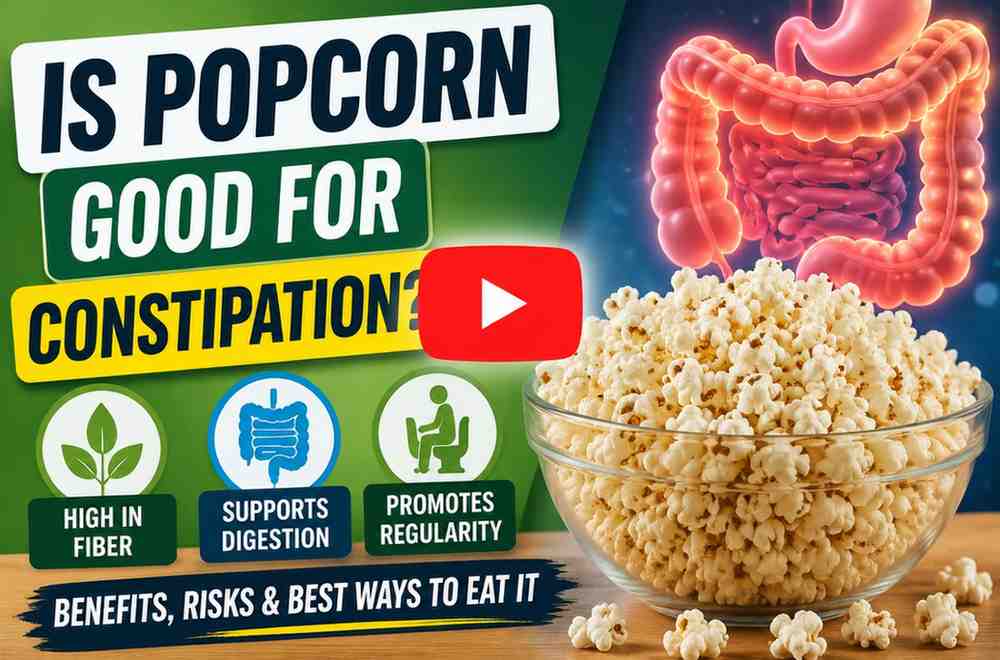
Many people wonder, is popcorn good for constipation? The answer is generally yes—air-popped popcorn can be a healthy, high-fiber snack that supports regular bowel movements when eaten as part of a balanced diet.
However, not all popcorn is created equal. Butter-soaked movie theater popcorn, heavily salted microwave popcorn, or caramel-coated varieties may not provide the same digestive benefits.
Fiber plays a major role in digestive health because it adds bulk to stool, helps it move through the digestive tract, and supports a healthy gut microbiome.
👉 Fat-Burning GLP-1 Hack Empties Your Bowels Each Morning
Yes, air-popped popcorn is rich in fiber and may help support regular bowel movements when paired with enough water and a balanced, high-fiber diet.
Popcorn, especially air-popped popcorn without excessive butter or oil, is considered a whole grain and naturally contains dietary fiber.
When combined with adequate hydration, physical activity, and an overall fiber-rich diet, popcorn may help reduce occasional constipation.
This guide explains everything you need to know about popcorn and constipation, including its nutritional value, how it affects digestion, the best ways to eat it, possible side effects, and other foods that support healthy bowel movements.
What Is Constipation?
Constipation occurs when bowel movements become less frequent or difficult to pass. While everyone has different bowel habits, constipation is generally defined as having fewer than three bowel movements per week or passing stools that are hard, dry, or painful.
🔹 Common symptoms include:
- Fewer than three bowel movements weekly
- Hard, dry, or lumpy stools
- Straining during bowel movements
- Feeling that the bowel isn’t completely empty
- Abdominal discomfort or bloating
- Needing manual assistance to pass stool
Occasional constipation is common and often improves with lifestyle changes, while chronic constipation may require medical evaluation.
Common Causes of Constipation
Several factors can contribute to constipation.
⬩➤ Low Fiber Intake
A diet lacking fruits, vegetables, legumes, and whole grains often results in smaller, harder stools that move more slowly through the digestive tract.
⬩➤ Not Drinking Enough Water
Without adequate fluids, stools become dry and difficult to pass.
⬩➤ Lack of Physical Activity
Regular movement stimulates intestinal muscles and promotes normal bowel function.
⬩➤ Certain Medications
Pain medications, iron supplements, some antidepressants, calcium supplements, and certain blood pressure medications can contribute to constipation.
⬩➤ Ignoring the Urge
Delaying bowel movements allows stools to become harder over time.
⬩➤ Medical Conditions
Digestive disorders, thyroid disease, diabetes, neurological conditions, pregnancy, and irritable bowel syndrome (IBS) can all contribute to constipation.
👉 Fat-Burning GLP-1 Hack Empties Your Bowels Each Morning
Is Popcorn Good for Constipation?
The short answer is yes.
Air-popped popcorn is a whole grain that contains dietary fiber, which can help increase stool bulk and promote more regular bowel movements.
Fiber works by absorbing water and making stools softer and easier to pass. Research consistently supports increasing dietary fiber, along with adequate fluid intake, as part of constipation management.
🔹 However, popcorn is not a cure for constipation. It works best when included as one part of a healthy lifestyle that also includes:
- Drinking enough water
- Eating a variety of fiber-rich foods
- Staying physically active
- Maintaining regular bathroom habits
Many healthcare professionals consider plain popcorn a healthier snack compared to chips or crackers because it provides whole-grain fiber with relatively few calories when air-popped.
Why Fiber Helps Relieve Constipation
Fiber is the primary reason popcorn may support digestive health.
Dietary fiber passes through the digestive system largely undigested. Along the way, it adds bulk to stool, helps retain water, and supports healthy intestinal movement.
🔹 Benefits of adequate fiber include:
- Softer stools
- Increased stool volume
- More regular bowel movements
- Reduced straining
- Improved gut bacteria
Studies show that increasing dietary fiber can improve stool frequency and stool consistency in many adults, although individual responses vary.
Nutritional Value of Air-Popped Popcorn
Air-popped popcorn is surprisingly nutritious.
🔹 It provides:
- Whole grains
- Dietary fiber
- Small amounts of protein
- Magnesium
- Phosphorus
- Zinc
- Iron
- B vitamins
- Polyphenol antioxidants
Because it contains relatively little fat when prepared without butter or oil, it can fit well into many healthy eating plans.
👉 Fat-Burning GLP-1 Hack Empties Your Bowels Each Morning
How Much Fiber Does Popcorn Contain?
Popcorn provides a meaningful amount of dietary fiber.
Approximately three cups of air-popped popcorn typically provide around 3–4 grams of fiber, making it an easy way to help increase daily fiber intake.
🔹 Adults generally need:
- Women: approximately 22–28 grams daily
- Men: approximately 28–34 grams daily
Most adults consume less fiber than recommended, making fiber-rich snacks like popcorn useful additions to a balanced diet.
Benefits of Popcorn for Constipation
- Supports Regular Bowel Movements – Fiber increases stool bulk and helps stools move through the intestines more efficiently.
- Whole Grain Nutrition – Unlike refined snack foods, popcorn is naturally a whole grain, retaining more nutrients and fiber.
- Low-Calorie Snack – Air-popped popcorn provides satisfying volume with relatively few calories.
- Helps Increase Daily Fiber Intake – Many people struggle to meet recommended fiber goals. Popcorn offers a simple way to boost intake.
- May Improve Gut Health – Fiber feeds beneficial gut bacteria that contribute to digestive health.
- Can Replace Less Healthy Snacks – Choosing plain popcorn instead of processed chips or sugary snacks may support better digestive health overall.
Which Type of Popcorn Is Best?
🔷 Air-Popped Popcorn
Air-popped popcorn is the healthiest option because it contains very little fat while preserving its natural fiber content. It offers the greatest digestive benefits and is an excellent choice for people looking to support regular bowel movements.
🔷 Lightly Seasoned Homemade Popcorn
Homemade popcorn prepared with a small amount of olive oil and herbs can provide extra flavor without significantly increasing calories or unhealthy fats. This option remains high in fiber and is suitable for regular consumption.
🔷 Microwave Popcorn
Microwave popcorn can still provide fiber, but wide varieties contain added butter, excess sodium, and artificial flavorings. Choosing products with simple ingredients and lower sodium can make this a healthier option.
🔷 Movie Theater Popcorn
Movie theater popcorn is often prepared with large amounts of butter-flavored oil and salt, making it much higher in calories and saturated fat. While it still contains fiber, it is best enjoyed occasionally rather than as a regular digestive health snack.
🔷 Caramel Popcorn
Caramel popcorn contains added sugars that increase its calorie content and reduce its overall nutritional value. Although it still provides some fiber, it should be considered an occasional treat instead of a food for constipation relief.
👉 Fat-Burning GLP-1 Hack Empties Your Bowels Each Morning
Best Ways to Eat Popcorn for Constipation
🔷 Air-Pop Fresh Kernels
Preparing popcorn with an air popper avoids unnecessary oils and keeps the snack low in calories while preserving its natural fiber. This is one of the healthiest ways to enjoy popcorn for digestive support.
🔷 Add a Small Drizzle of Olive Oil
A light drizzle of olive oil adds flavor and healthy fats without overwhelming the nutritional benefits of popcorn. Using only a small amount helps keep the snack balanced and heart-friendly.
🔷 Sprinkle Nutritional Yeast
Nutritional yeast gives popcorn a savory, cheesy flavor while adding vitamins and minerals. It is a popular topping that enhances taste without adding excessive sodium or unhealthy fats.
🔷 Season with Garlic Powder
Garlic powder provides extra flavor without increasing calories or sugar. It can make plain popcorn more enjoyable while keeping it suitable for a healthy, fiber-rich diet.
🔷 Add Paprika
Paprika adds a mild smoky flavor and natural color to popcorn without adding fat or sugar. It is an easy way to make popcorn more flavorful while maintaining its nutritional value.
🔷 Use Italian Herbs
Italian herbs such as oregano, basil, and thyme provide a fresh, aromatic taste that pairs well with popcorn. These seasonings allow you to enjoy a flavorful snack without relying on butter or processed flavorings.
🔷 Pair with Fruit
Eating popcorn alongside fresh fruit increases your overall fiber and water intake, creating a snack that is even more supportive of healthy digestion. Fruits like apples, pears, or berries make excellent companions.
🔷 Drink Plenty of Water
Fiber works best when combined with adequate hydration, so drinking water while enjoying popcorn helps soften stool and supports healthy bowel movements. Staying hydrated also reduces the chance of bloating when increasing fiber intake.
👉 Fat-Burning GLP-1 Hack Empties Your Bowels Each Morning
How Much Popcorn Should You Eat?
Moderation is important. A serving of about 3 cups of air-popped popcorn makes a satisfying snack for most adults. If your diet has been low in fiber, gradually increase intake over several weeks to reduce gas or bloating.
Drink Plenty of Water
Fiber works best when combined with adequate hydration. Without enough water, increasing fiber may actually worsen constipation in some people.
🔹 Aim to:
- Drink water throughout the day.
- Increase fluids when eating more fiber.
- Include soups or herbal teas if appropriate.
Health experts consistently recommend combining higher fiber intake with adequate hydration.
Can Popcorn Ever Make Constipation Worse?
Sometimes.
🔹 Possible reasons include:
🔷 Not Drinking Enough Water
Fiber needs water to soften stool.
🔷 Eating Too Much at Once
A sudden increase in fiber may temporarily cause bloating or gas.
🔷 Heavy Butter Toppings
Large amounts of butter and fat may replace healthier fiber-rich foods.
🔷 Existing Digestive Conditions
Some individuals with IBS, inflammatory bowel disease, diverticular disease during active flare-ups, or other digestive conditions may find popcorn uncomfortable.
Everyone responds differently.
Who Should Be Careful with Popcorn?
Some people should speak with their healthcare provider before significantly increasing popcorn intake.
🔹 These include individuals with:
- Active Crohn’s disease
- Active ulcerative colitis
- Severe IBS symptoms
- Recent bowel surgery
- Swallowing difficulties
- Digestive obstruction
- Chronic unexplained constipation
Other Foods That Help Relieve Constipation
Popcorn is only one fiber-rich option.
Other helpful foods include:
🔷 Prunes
Contain both fiber and sorbitol.
🔷 Kiwi
Rich in fiber and water.
🔷 Pears
Especially when eaten with the skin.
🔷 Apples
Contain pectin, a beneficial soluble fiber.
🔷 Oats
Excellent source of soluble fiber.
🔷 Beans
Provide large amounts of dietary fiber.
🔷 Lentils
Support healthy digestion.
🔷 Chia Seeds
Absorb water and help soften stool.
🔷 Flaxseed
Provide fiber and healthy fats.
🔷 Leafy Greens
Rich in fiber, magnesium, and nutrients.
🔷 Broccoli
High in fiber and antioxidants.
🔷 Sweet Potatoes
Contain both soluble and insoluble fiber.
🔷 Whole-Grain Bread
Supports overall daily fiber intake.
🔷 Brown Rice
Better choice than refined grains.
🔷 Berries
Contain fiber and plenty of water.
👉 Fat-Burning GLP-1 Hack Empties Your Bowels Each Morning
Lifestyle Habits That Support Healthy Digestion
Food alone cannot solve every case of constipation.
🔹 Healthy habits include:
- Drink enough water daily.
- Exercise most days of the week.
- Eat meals on a regular schedule.
- Don’t ignore the urge to have a bowel movement.
- Manage stress.
- Sleep adequately.
- Increase fiber gradually.
- Limit highly processed foods.
Common Myths About Popcorn and Constipation
Myth 1: Popcorn Instantly Relieves Constipation
Fact: Popcorn provides dietary fiber that can support healthy digestion and more regular bowel movements over time, but it is not a fast-acting laxative. Most people need consistent fiber intake, adequate water, and healthy lifestyle habits before noticing improvements in constipation.
Myth 2: Buttered Popcorn Works Better
Fact: Adding large amounts of butter does not increase the fiber content or make popcorn more effective for relieving constipation. In fact, excess butter adds saturated fat and calories, which may reduce the overall health benefits of this whole-grain snack.
Myth 3: Everyone Should Eat Large Amounts of Popcorn
Fact: While popcorn is healthy for many people, eating too much at once may cause gas, bloating, or digestive discomfort. Individuals with certain digestive conditions, such as active inflammatory bowel disease or severe IBS, may need to limit or avoid popcorn based on their healthcare provider’s advice.
Myth 4: Popcorn Alone Is Enough
Fact: Popcorn can contribute to daily fiber intake, but no single food can prevent or treat constipation by itself. A balanced diet rich in fruits, vegetables, whole grains, adequate hydration, and regular physical activity is essential for maintaining healthy bowel function.
👉 Fat-Burning GLP-1 Hack Empties Your Bowels Each Morning
Possible Side Effects of Eating Too Much Popcorn
🔹 Although popcorn is generally healthy, eating excessive amounts may cause:
- Gas
- Bloating
- Abdominal discomfort
- Feeling overly full
- Temporary digestive irritation
- Increased thirst if heavily salted
Most symptoms improve by reducing portion size and increasing water intake.
When Should You See a Doctor?
Occasional constipation usually improves with lifestyle changes.
🔹 However, seek medical evaluation if constipation:
- Lasts more than three weeks
- Includes severe abdominal pain
- Causes rectal bleeding
- Results in unexplained weight loss
- Alternates with severe diarrhea
- Occurs with persistent vomiting
- Develops suddenly without a clear cause
These symptoms may require further medical investigation.
Frequently Asked Questions
Is popcorn a natural laxative?
No. Popcorn is not a laxative, but its fiber content may help promote regular bowel movements when eaten with enough fluids.
Can I eat popcorn every day?
Yes. Plain air-popped popcorn can be enjoyed daily as part of a balanced diet, provided portions are moderate.
Which popcorn is healthiest?
Air-popped popcorn with minimal salt and no added butter is generally the healthiest option.
Is microwave popcorn good for constipation?
Some varieties can still provide fiber, but choose products that are lower in sodium, saturated fat, and artificial flavorings.
How long does fiber take to help constipation?
Increasing fiber may improve bowel habits over several days to several weeks, especially when combined with hydration and regular physical activity.
Can children eat popcorn for constipation?
Older children who can safely chew popcorn may benefit from its fiber, but hydration and a varied, fiber-rich diet are also important. Popcorn should not be given to young children who are at risk of choking.
Conclusion
So, is popcorn good for constipation? For most people, the answer is yes. Air-popped popcorn is a whole-grain snack that provides dietary fiber, which can help support healthy digestion and promote more regular bowel movements when combined with adequate water intake and a balanced diet.
While popcorn is not a cure for constipation, it can be a smart addition to an overall digestive-friendly eating pattern.
Remember that no single food works for everyone. If constipation is persistent, severe, or accompanied by concerning symptoms, consult a healthcare professional to identify the underlying cause and receive appropriate treatment.
👉 Fat-Burning GLP-1 Hack Empties Your Bowels Each Morning
References
https://en.wikipedia.org/wiki/Constipation
https://www.medicalnewstoday.com/articles/is-popcorn-good-for-constipation
https://www.healthline.com/nutrition/foods-that-help-you-poop
https://www.webmd.com/digestive-disorders/constipation-overview
About Us