
I Tested the Hume Band 2.0 for 30 Days: Is It Worth It?
Wearable health technology has changed significantly in recent years. Instead of only counting steps or tracking workouts, newer devices are designed to help people understand deeper patterns related to sleep, recovery, activity, and overall wellness.
The Hume Band 2.0 is one of the latest wearables focused on long-term health insights and personalized guidance. I tested the Hume Band 2.0 for 30 days to see how it performs in everyday life.
My goal wasn’t just to look at features, but to see whether the information it provides could help me make better decisions about my daily habits, sleep routine, activity levels, and recovery.
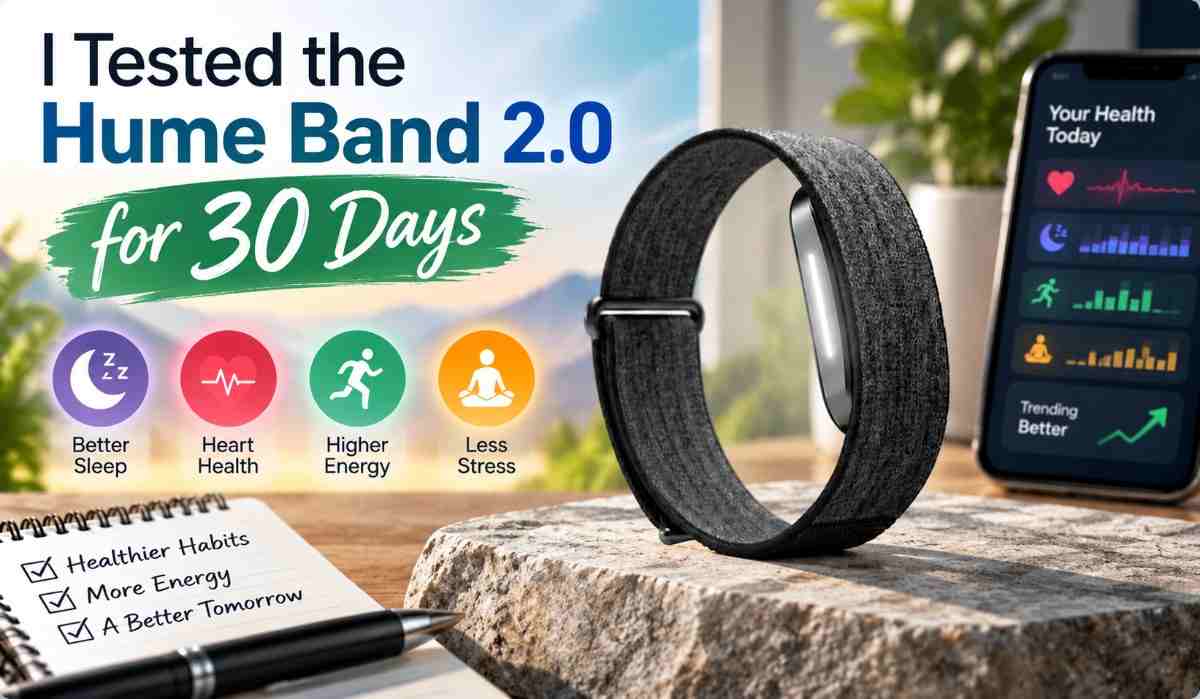
In this guide, I share my complete 30-day experience with Hume Band 2.0, including its design, tracking features, app experience, health insights, benefits, limitations, and whether this longevity-focused wearable is worth considering.
What Is Hume Band 2.0?
The Hume Band 2.0 is a health-focused wearable designed to provide a more complete picture of daily wellness.
Unlike traditional fitness trackers that mainly focus on steps, calories, and workouts, Hume takes a broader approach by connecting multiple health signals into one platform.
The device is built around the idea that small daily habits can influence long-term health. By continuously collecting information from different biomarkers, the Hume Band aims to help users understand how their lifestyle choices affect energy, recovery, sleep quality, and overall wellness trends.
The official Hume platform describes Band 2.0 as a longevity-focused wearable that provides advanced insights, personalized coaching, and continuous health tracking.
Some of the key areas it monitors include:
- Heart rate and heart rate variability (HRV)
- Blood oxygen levels (SpO2)
- Skin temperature
- Sleep stages
- Activity levels
- Recovery trends
- Metabolic-related insights
- Daily readiness patterns
The main difference I noticed compared with basic trackers is the focus on understanding patterns instead of only displaying numbers.
Why I Decided To Test Hume Band 2.0 For 30 Days
Many wearable devices provide large amounts of data, but the challenge is understanding what those numbers actually mean. I wanted to test whether Hume Band 2.0 could turn daily health information into practical insights.
Before starting my 30-day test, I wanted to evaluate a few important areas:
- How comfortable it is for all-day wear
- Whether the app makes health information easy to understand
- How useful the recovery and sleep insights are
- Whether the battery life supports continuous tracking
- If the data encourages better daily habits
My main focus was not expecting the band to replace professional health advice. Instead, I wanted to see whether it could work as a personal wellness companion that helps users become more aware of their routines.
First Impression: Hume Band 2.0 Design and Comfort
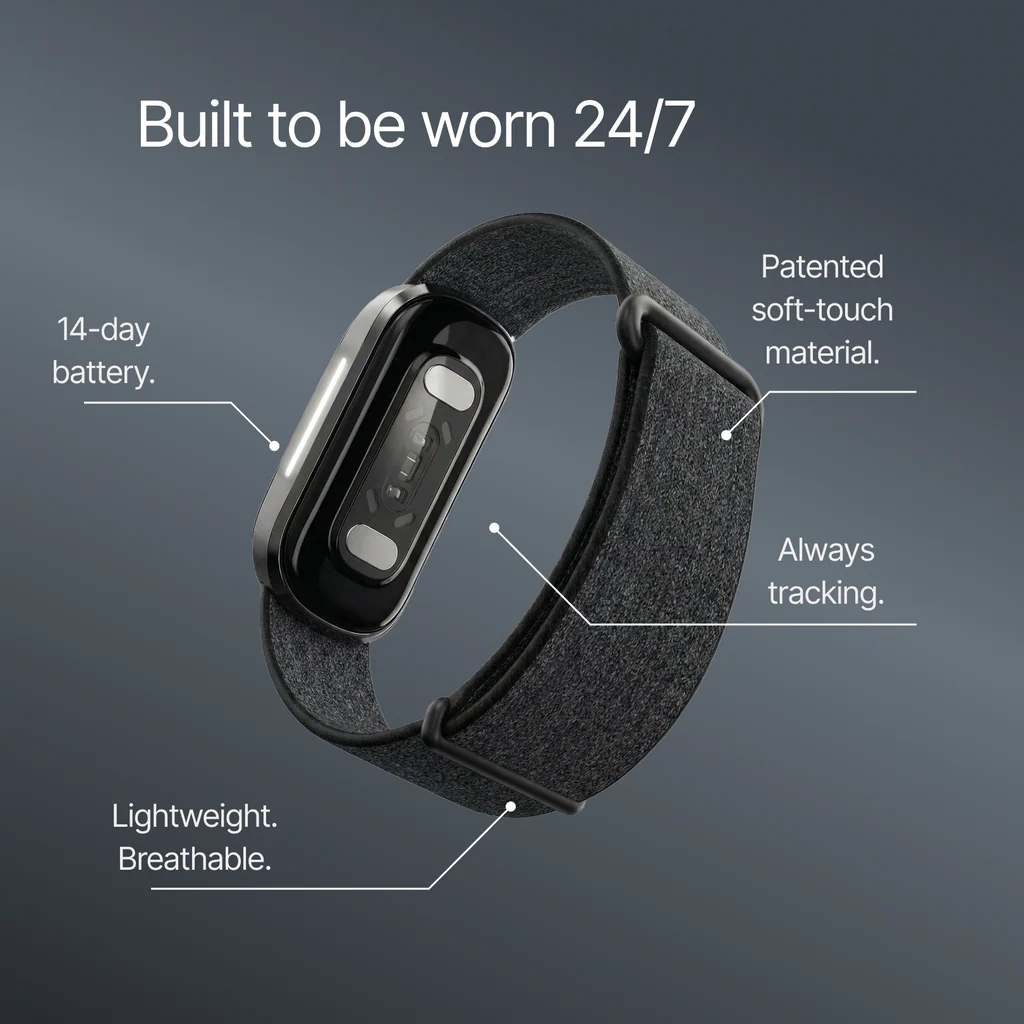
The first thing I noticed about the Hume Band 2.0 was its slim and minimal design. Many smart devices feel bulky when worn throughout the day, especially during sleep. However, Hume designed this band with comfort in mind.
The band features:
- A lightweight design
- A slim profile
- A comfortable strap
- A simple display style
- A design suitable for continuous wear
During my testing period, I wore it during regular daily activities, exercise sessions, and while sleeping. The biggest advantage was that it did not feel distracting after the first few days.
For a health wearable that is designed to collect information continuously, comfort is extremely important. A device that feels uncomfortable often gets removed, which affects the consistency of tracking.
 Get Hume Band at the Lowest Price Today!
Setting Up Hume Band 2.0
The setup process was straightforward. After connecting the band to the Hume Health app, I completed the initial setup and let the device start collecting data.
The app presents information through simple dashboards rather than showing only technical numbers.
The setup process included:
- Pairing the band with a smartphone
- Creating a Hume account
- Connecting the wearable
- Reviewing health dashboards
- Understanding daily insights
One thing I appreciated was that the app focuses on explaining trends instead of overwhelming users with complicated information.
For someone new to health tracking, having context behind the numbers makes the experience much easier.
How Does Hume Band 2.0 Work?
The Hume Band 2.0 uses advanced sensors to continuously collect health-related data from the wrist. According to the company, the device uses multiple LEDs and photodiodes to capture information more frequently and provide detailed insights.
The wearable tracks several important measurements, including:
➺ Heart Rate and HRV Tracking
Heart rate monitoring helps users understand daily activity and exercise patterns, while HRV provides information related to changes in the body’s response to different conditions.
During my testing, I found these trends more useful when viewed over several days rather than focusing on a single reading.
➺ Sleep Monitoring
Sleep was one of the areas I paid close attention to during the 30-day test.
The Hume Band tracks:
- Total sleep duration
- Sleep stages
- Sleep consistency
- Recovery-related sleep information
The biggest benefit was seeing patterns over time. Instead of guessing why I felt more tired on certain days, the sleep reports helped connect my habits with my daily energy levels.
➺ Recovery and Daily Readiness Insights
Another important feature is the recovery-focused information.
The band looks at multiple signals to provide insights related to:
- Daily strain
- Recovery status
- Energy levels
- Activity balance
This was useful because it encouraged me to understand that every day does not need the same level of physical effort.
Some days require more activity, while others require better recovery.
Get Hume Band at the Lowest Price Today!
My First Week Using Hume Band 2.0
During the first week, the main goal was understanding how the device worked.
At first, seeing multiple health scores and measurements felt like of much information. However, after several days, the patterns became easier to understand.
My first-week observations:
- The band was comfortable enough for overnight use
- The app was simple to navigate
- Daily summaries were easier to understand than raw data
- Trends became more valuable than individual measurements
The biggest adjustment was learning not to check every number constantly. Like most health devices, the real value comes from observing changes over time.
Week 2: Understanding My Recovery and Daily Patterns
During the second week of testing the Hume Band 2.0, I started focusing on trends instead of individual readings. This is the the device became more useful because I had enough data to compare my daily habits.
One thing I noticed is that the value of a health wearable isn’t just in collecting information. The real benefit comes from helping users understand how different lifestyle choices connect.
For example, changes in my routine, sleep schedule, and activity levels were easier to spot when I looked at weekly patterns.
The recovery insights helped me consider questions like:
- Did I get enough rest after physical activity?
- Was my sleep routine consistent?
- Were my daily habits supporting better energy levels?
- Was I pushing too hard without enough recovery?
Instead of simply telling me how active I was, Hume focused more on understanding how my body responded.
Exploring Hume Band 2.0 Metabolic Capacity Insights
One of the features that makes Hume Band 2.0 different from many traditional fitness trackers is its focus on metabolic-related insights.
The concept behind metabolic capacity is to help users understand how their body is responding to daily habits, activity, and recovery.
During my 30-day test, I found this information interesting because it encouraged me to look at my overall lifestyle instead of focusing only on exercise numbers.
The platform combines different health signals to create a broader picture, including:
- Recovery patterns
- Activity levels
- Sleep information
- Heart-related measurements
- Daily wellness trends
The key is that these insights are designed to build awareness. They are not a replacement for professional medical evaluations, but they can help users become more mindful of their habits.
Get Hume Band at the Lowest Price Today!
My Experience With Biological Age and Metabolic Momentum Tracking
Another unique feature of Hume Band 2.0 is its focus on biological age and metabolic momentum.
Most fitness trackers mainly tell users what they did today. Hume attempts to show how daily choices may influence long-term health trends.
The biological age feature was one of the most interesting parts of the experience because it presents health information in a way that feels easier to understand.
Instead of looking at separate numbers, the app connects different measurements into a bigger picture.
The metabolic momentum insights focus on whether daily habits are moving in a positive direction.
During my testing, I found this approach motivating because it encouraged consistency rather than short-term changes.
The biggest takeaway was:
- Small daily habits matter
- Long-term trends are more important than one day
- Consistency creates better insights
Testing Hume Band 2.0 Blood Pressure Insights
Blood pressure insights are one of the newer features introduced with Hume Band 2.0.
Traditional blood pressure monitoring usually requires using a separate cuff device. Hume focuses on providing ongoing insights through wearable technology.
In my review, I viewed this feature as a convenience tool rather than a replacement for clinical measurements.
The benefit is that users can observe patterns and understand how their daily habits may relate to changes in their health data.
The feature focuses on:
- Tracking daily trends
- Understanding changes over time
- Connecting lifestyle patterns with health information
For anyone concerned about blood pressure or other health conditions, professional medical guidance should always remain the priority.
Sleep Tracking Experience After 30 Days
Sleep was one of the areas where I found Hume Band 2.0 most useful.
Many people know that sleep is important, but understanding sleep quality can be difficult without consistent tracking.
The band monitors different sleep-related information, including:
- Total sleep duration
- Sleep stages
- Sleep consistency
- Recovery-related patterns
After several weeks, the biggest advantage was recognizing habits that affected my sleep.
The app helped highlight patterns such as:
- Changes in bedtime routine
- Differences between active and rest days
- How sleep affected next-day energy
The information was easier to use because it was presented as trends rather than complicated technical data.
Get Hume Band at the Lowest Price Today!
Heart Rate, HRV, and Activity Tracking
Hume Band 2.0 continuously monitors several fitness and wellness measurements.
During my testing, I looked at:
- Heart rate trends
- Heart rate variability (HRV)
- Daily movement
- Calories
- Active minutes
- Exercise patterns
The benefit of continuous tracking is that users can see their habits over time.
For example, instead of only knowing how many steps were taken, the device provides additional context about activity and recovery.
I found this useful because it encouraged a more balanced approach.
A good health routine is not only about doing more exercise. It is also about understanding when your body needs recovery.
Hume Health App Review: Is It Easy To Use?
A wearable device is only as useful as the app experience behind it.
After 30 days, I found the Hume Health app to be one of the strongest parts of the overall experience.
The app organizes information into understandable sections instead of displaying endless numbers.
Important areas include:
- Daily health summaries
- Recovery insights
- Sleep reports
- Activity information
- Long-term trends
The biggest advantage is that the app explains what the data means.
For many users, health information can feel overwhelming. Organizing information into simple insights makes the experience more practical.
Hume Health Coach and Personalized Guidance
The Hume Health Coach feature provides personalized recommendations based on collected data.
Instead of giving generic advice, the platform aims to connect personal trends with possible improvements.
Examples include guidance related to:
- Sleep habits
- Recovery
- Activity balance
- Daily wellness routines
I liked the idea behind this feature because many people collect health data but don’t know what to do next.
The goal of personalized coaching is to make health tracking more actionable.
Battery Life and Everyday Usage
Battery life matters for any wearable because frequent charging can interrupt tracking.
According to the official information, Hume Band 2.0 offers up to 14 days of battery life.
During daily use, the longer battery performance made it easier to keep the device on continuously.
Benefits of longer battery life include:
- Less frequent charging
- More consistent tracking
- Better overnight monitoring
- More convenient daily use
For a device designed around continuous health insights, this is a significant advantage.
Get Hume Band at the Lowest Price Today!
Hume Band 2.0 Pros and Cons
Pros
- Comfortable lightweight design
- Designed for 21/7 wearing
- Long battery life
- Detailed health insights
- Sleep tracking features
- Recovery-focused information
- Easy-to-understand app
- Tracks multiple health trends
- Personalized wellness guidance
- Focuses on long-term habits
Cons
- Premium price compared with basic trackers
- Takes time to understand all features
- Not designed as a traditional smartwatch
- Advanced insights may feel overwhelming initially
- Health data should not replace medical advice
Hume Band 2.0 vs Traditional Fitness Trackers
Traditional fitness trackers are usually focused on activity measurements like steps, workouts, and calories.
Hume Band 2.0 takes a different approach by focusing more on health trends and longevity-related insights.
| Feature | Hume Band 2.0 | Traditional Fitness Trackers |
| Activity Tracking | Yes | Yes |
| Sleep Monitoring | Advanced insights | Basic tracking |
| Recovery Insights | Yes | Limited |
| Health Trends | Detailed | General |
| Longevity Focus | Yes | Usually limited |
| Battery Life | Up to 14 days | Depends on model |
If For only want step counting, a basic tracker may be enough. However, people interested in deeper wellness insights may appreciate Hume’s approach.
Is Hume Band 2.0 Worth Buying After 30 Days?
After using Hume Band 2.0 for a month, I believe it is best suited for people who want a deeper understanding of their daily health patterns.
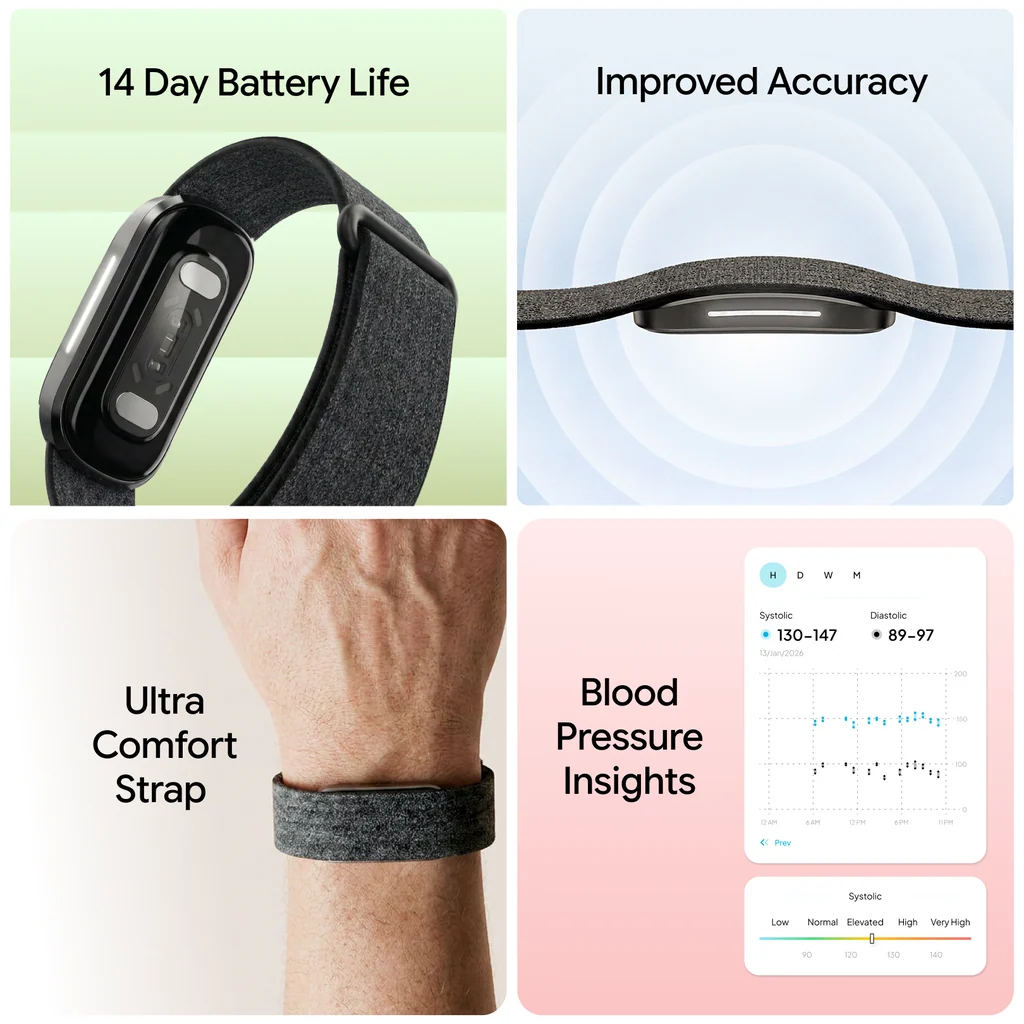
The biggest strengths are:
- Comfortable design
- Continuous tracking
- Strong sleep insights
- Recovery information
- Long battery life
- Personalized health guidance
However, it is important to have realistic expectations.
Hume Band 2.0 is not a replacement for doctors, medical testing, or professional health advice. Instead, it’s a wellness tool designed to help users become more aware of their habits.
If you enjoy tracking data and improving your lifestyle through measurable feedback, the device offers a unique experience.
Final Verdict: My Hume Band 2.0 30-Day Review
After 30 days of wearing the Hume Band 2.0, I found it to be more than a simple activity tracker. Its biggest difference is the focus on connecting multiple health signals into understandable trends.
The comfortable design, long battery life, sleep tracking, recovery insights, and personalized guidance make it a strong option for people who want to take a more proactive approach to wellness.
What stood out most was the way it encouraged better awareness. Instead of only showing what happened, it helped me think about why certain patterns appeared and how daily habits influenced my overall routine.
I would recommend Hume Band 2.0 for users who are interested in longevity, health tracking, and improving daily habits through data.
For those looking only for basic step counting or a smartwatch experience, a simpler device may be a better choice.
Overall, after testing it for 30 days, the Hume Band 2.0 delivers a thoughtful health-tracking experience for people who want a clearer picture of their wellness journey.

Click to Learn More About Hume Band 2.0
.
About Us
