How to Whiten Teeth With Baking Soda: Does It Really Work?
If you are wondering how to whiten teeth with baking soda, the short answer is that baking soda can help remove surface stains and make teeth look cleaner and brighter.
It doesn’t bleach the natural inner color of teeth in the way peroxide-based whitening treatments do.
Baking soda, also called sodium bicarbonate, is mildly abrasive. This helps remove surface stains from coffee, tea, tobacco, and plaque.
Baking soda is also used in many commercially formulated toothpastes because of its stain-removing and cleaning properties.
However, the viral idea that baking soda can dramatically whiten teeth overnight is misleading.
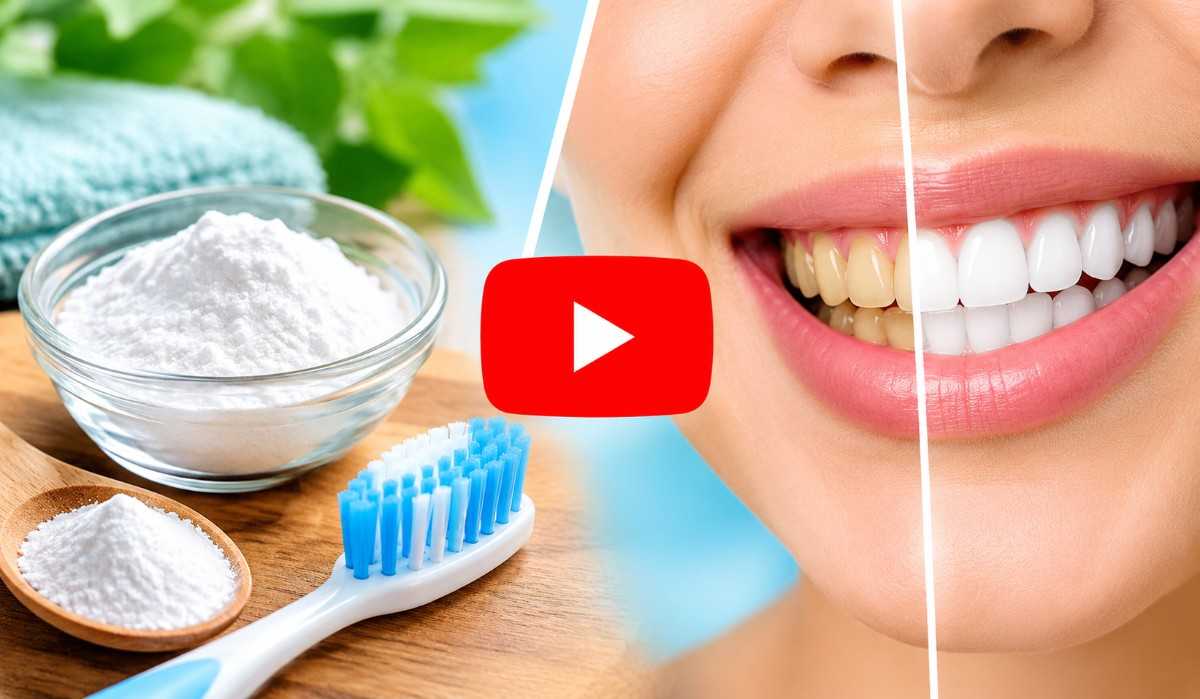

The safest approach is to understand what baking soda can do, how to use it without excessive abrasion, and when a proper whitening treatment makes more sense.
Does Baking Soda Really Whiten Teeth?
Yes, but mainly by removing stains from the outside of the teeth.
Baking soda does not work like hydrogen peroxide or carbamide peroxide, which are bleaching ingredients used in many professional and over-the-counter whitening treatments.
Instead, its mild abrasive action helps loosen and remove some compounds attached to the enamel surface.
This can make stained teeth appear brighter without actually changing the underlying natural color of the tooth.
This distinction is important because not every type of yellow or dark tooth discoloration is a surface stain.
How Does Baking Soda Whiten Teeth?
Baking soda can help whiten teeth by mechanically removing stains.
When used with gentle brushing, the particles help disturb plaque and pigments sitting on the tooth surface. This is especially relevant to extrinsic stains from coffee, tea, tobacco, and strongly colored foods.
Research reviewed by the American Dental Association indicates that whitening toothpastes commonly rely on abrasives to remove extrinsic stains. Baking soda is one ingredient used for this purpose.
Baking soda’s alkaline properties are also one reason it is widely used in oral-care formulations, although this should not be confused with bleaching the tooth.
What Type of Yellow Teeth Can Baking Soda Help?
Before trying any whitening method, it helps to identify why your teeth look yellow.
➺ Surface Stains
Surface or extrinsic discoloration develops on the outside of the tooth.
Common causes include:
- Coffee and tea
- Tobacco
- Dark-colored foods and drinks
- Plaque buildup
- Certain dietary habits
Baking soda may help reduce this type of discoloration because it physically assists in removing surface deposits.
➺ Deeper Tooth Discoloration
Intrinsic discoloration occurs within the tooth rather than simply on its surface.
Aging, trauma, certain medications, and changes inside the tooth can contribute to deeper discoloration. Baking soda cannot simply scrub away these internal color changes.
This explains why someone may use baking soda consistently and still have naturally yellowish teeth.
 DON’T TRY THIS “WHITEN TEETH WITH BAKING SODA” UNTIL YOU SEE THIS
How to Use Baking Soda to Whiten Teeth
If you choose to use plain baking soda, the priority should be gentle cleaning rather than aggressive whitening.
A simple approach is:
- Wet a soft-bristled toothbrush.
- Use a small amount of baking soda.
- Brush gently across the teeth.
- Avoid pressing hard against the enamel or gums.
- Rinse your mouth thoroughly.
- Continue using fluoride toothpaste as your normal oral-care routine.
Recent consumer dental guidance emphasizes that baking soda can remove surface stains when used appropriately, but excessive use or aggressive brushing can increase unnecessary wear.
The objective is not to scrub the teeth until they become noticeably whiter in one session.
How Often Can You Brush With Baking Soda?
One of the most common questions is how often to use baking soda on teeth.
There is no reason to repeatedly scrub your teeth throughout the day. Don’t treat baking soda as a stronger replacement for normal oral hygiene.
WebMD recommends using baking soda only occasionally on its own, noting that its abrasiveness can potentially damage enamel if overused.
For everyday care, brushing twice a day with fluoride toothpaste remains the foundation of dental hygiene.
A commercially formulated toothpaste containing baking soda may be a more practical option than repeatedly applying loose kitchen baking soda.
Baking Soda Toothpaste vs. Plain Baking Soda
This distinction is important and is sometimes missed in viral DIY advice.
Baking-soda toothpaste is specifically formulated for oral use and may contain fluoride and other ingredients designed for cleaning and cavity prevention.
Plain baking soda is simply sodium bicarbonate. It does not provide the complete formulation of a conventional fluoride toothpaste.
The American Dental Association notes that whitening toothpastes can remove external stains while also providing routine oral-care benefits, depending on their formulation.
Products with the ADA Seal of Acceptance have been evaluated for safety and effectiveness under the program’s requirements.
Therefore, using a baking-soda toothpaste can be more appropriate for regular oral care than replacing toothpaste entirely with kitchen baking soda.
Can Baking Soda Damage Tooth Enamel?
Baking soda is not automatically harmful to enamel, but how you use it matters.
The main concern with DIY whitening is excessive abrasion. Scrubbing too hard, using abrasive combinations, or repeatedly trying to remove stains can gradually damage the tooth surface.
Once enamel is significantly worn away, it cannot simply grow back.
Another reason aggressive whitening can backfire is that enamel is naturally lighter than the dentin underneath it.
If enamel becomes thinner, the naturally yellowish dentin can show more, potentially making teeth look more yellow rather than whiter.
DON’T TRY THIS “WHITEN TEETH WITH BAKING SODA” UNTIL YOU SEE THIS
Is Baking Soda Safe for Sensitive Teeth?
People with sensitive teeth should be particularly cautious with DIY whitening.
Sensitivity can have many causes, including enamel wear, exposed dentin, gum recession, cavities, cracks, and previous whitening treatments.
If brushing with baking soda causes discomfort, burning, gum irritation, or increased sensitivity, stop using the DIY method rather than increasing the frequency.
Professional whitening can also cause temporary sensitivity and gum irritation, which are among the most common adverse effects of tooth bleaching
Persistent sensitivity deserves dental evaluation rather than repeated home whitening.
Can You Mix Baking Soda With Hydrogen Peroxide?
This is one of the most searched DIY whitening combinations.
Hydrogen peroxide is different from baking soda because it can act as a bleaching agent. Peroxide is used in many professionally administered and over-the-counter whitening products.
However, a homemade mixture should not automatically be considered equivalent to a professionally formulated whitening product.
Concentration, exposure time, formulation, and frequency all affect safety. Stronger or improperly used peroxide products can increase gum irritation and tooth sensitivity.
For predictable whitening, using a properly formulated product as directed is safer than experimenting with concentrated household chemicals.
What About Baking Soda and Lemon for Teeth Whitening?
The baking soda and lemon teeth-whitening trend is one of the methods worth avoiding.
Lemon juice is acidic, while baking soda is abrasive. Combining an acidic substance with an abrasive cleaning method can create unnecessary stress on the enamel.
The American Dental Association specifically warns against many DIY whitening approaches involving acidic household ingredients. It emphasizes that “natural” does not automatically mean safe for teeth.
A temporary bright appearance is not worth risking enamel erosion.
If you want to whiten your teeth, skip lemon juice, vinegar, and other acidic DIY recipes.
Does Baking Soda Whiten Teeth Overnight?
No reliable evidence supports the idea that baking soda can dramatically whiten teeth overnight.
You may notice that teeth look cleaner immediately after brushing because surface deposits have been removed. However, this is different from bleaching the tooth.
Professional and at-home whitening treatments generally require repeated applications or a controlled treatment period. The American Dental Association explains that peroxide-based whitening treatments work differently from whitening toothpastes that primarily remove external stains.
Be skeptical of social-media videos promising several shades of whitening after one baking-soda treatment.
Can Baking Soda Remove Coffee and Tea Stains?
It can help with some external coffee and tea staining.
Coffee and tea contain pigments that can accumulate on enamel over time. Brushing and professional cleaning can remove surface deposits and improve appearance.
However, baking soda is not a license to continue exposing teeth to staining beverages without maintaining oral hygiene.
A better long-term strategy is to combine regular brushing and interdental cleaning with habits that reduce repeated staining.
How to Prevent Teeth From Becoming Yellow Again
Whitening is easier to maintain when you reduce the factors that cause new stains.
Helpful habits include:
- Brush twice daily for about two minutes.
- Clean between your teeth regularly.
- Limit frequent coffee and tea exposure.
- Avoid tobacco products.
- Rinse with water after strongly colored foods or drinks.
- Maintain regular dental checkups and professional cleanings.
- Follow the directions for any whitening product you use.
Recent Healthline guidance also recommends limiting prolonged contact between teeth and staining beverages and waiting before brushing after acidic foods or drinks.
You do not necessarily need to eliminate coffee or tea completely. Reducing repeated exposure and maintaining good oral hygiene can make a meaningful difference.
Common Mistakes When Whitening With Baking Soda
➺ Brushing Too Hard
Pressure does not equal better whitening. Aggressive brushing can increase enamel and gum problems.
➺ Using Baking Soda Too Frequently
Repeated abrasive cleaning is unnecessary and may increase the risk of surface wear.
➺ Replacing Fluoride Toothpaste
Plain baking soda does not provide the same fluoride protection as fluoride toothpaste.
➺ Adding Lemon Juice
Acidic DIY recipes can expose teeth to unnecessary erosion risks.
➺ Using Multiple Abrasive Ingredients
Combining baking soda with charcoal, salt, or other abrasive powders does not automatically improve whitening.
➺ Expecting Professional Results
Surface-stain removal and bleaching are different processes. Baking soda cannot reliably reproduce professional whitening results.
Does Activated Charcoal Work Better Than Baking Soda?
Activated charcoal has become another viral teeth-whitening trend, but stronger evidence does not currently support treating it as a superior alternative.
The ADA notes that insufficient evidence shows charcoal-based whitening products provide an appropriate combination of measurable benefit, safety, and effectiveness. It also warns that abrasive approaches can wear down enamel.
In other words, “natural,” “detox,” or “viral” does not necessarily mean better.
Baking soda at least has a substantial history of use in oral-care formulations and evidence for surface-stain removal.
DON’T TRY THIS “WHITEN TEETH WITH BAKING SODA” UNTIL YOU SEE THIS
What Is the Safest Way to Whiten Teeth at Home?
For people who want a brighter smile without immediately choosing professional treatment, several evidence-based options are available.
✔ Whitening Toothpaste
A whitening toothpaste can help remove surface stains while supporting routine brushing.
Some formulations contain baking soda, while others contain different abrasives or low levels of peroxide.
✔ Whitening Strips
Peroxide-based whitening strips can actually bleach tooth color rather than simply polishing away surface stains. The ADA recognizes appropriately formulated over-the-counter whitening products as one category of at-home whitening.
✔ Dentist-Supervised Whitening
Dentists can provide custom trays or in-office treatments that use controlled bleaching agents.
This is particularly useful when you want more noticeable results or have concerns about sensitivity, restorations, or existing dental problems.
When Should You Avoid DIY Teeth Whitening?
DIY whitening is not appropriate for every situation.
Consider getting a dental evaluation before whitening if you have:
- Tooth pain
- Significant sensitivity
- Bleeding or irritated gums
- Cavities
- Cracked teeth
- A single tooth that suddenly becomes dark
- Extensive dental restorations
- Unexplained discoloration
Whitening products primarily affect natural teeth. Tooth-colored crowns, fillings, veneers, and similar restorations do not necessarily whiten in the same way as natural enamel.
A dentist can identify the cause of discoloration before you spend time trying multiple home remedies.
Baking Soda Teeth Whitening: Fact vs. Viral Claims
➢ Claim: Baking soda bleaches teeth.
Fact: It mainly removes external stains through mechanical cleaning.
➢ Claim: Baking soda makes teeth white overnight.
Fact: There is no reliable basis for expecting dramatic overnight whitening.
➢ Claim: Lemon makes baking soda more powerful.
Fact: Adding acid can increase the potential for enamel erosion.
➢ Claim: More scrubbing gives better results.
Fact: Excessive brushing can cause unnecessary enamel and gum wear.
➢ Claim: Baking soda can replace fluoride toothpaste.
Fact: Plain baking soda does not provide fluoride’s cavity-prevention benefits.
➢ Claim: Yellow teeth always mean poor hygiene.
Fact: Tooth color varies naturally, and aging can make yellowish dentin more visible as enamel changes.
DON’T TRY THIS “WHITEN TEETH WITH BAKING SODA” UNTIL YOU SEE THIS
Final Takeaway: Is Baking Soda a Good Way to Whiten Teeth?
Baking soda can help whiten teeth when the problem is mainly surface staining, particularly from plaque, coffee, tea, tobacco, and other external sources.
Its mild abrasive action is why sodium bicarbonate is used in many oral-care products.
But baking soda is not a substitute for peroxide-based bleaching when the goal is to change the deeper color of natural teeth.
It also should not be used aggressively, mixed with acidic ingredients, or relied on as a complete replacement for fluoride toothpaste.
For the safest approach, focus first on consistent brushing, cleaning between the teeth, stain prevention, and appropriate fluoride toothpaste.
If you want a visibly whiter smile, an evidence-based whitening toothpaste, whitening strip, or dentist-supervised treatment is more predictable than viral DIY recipes.
The key takeaway: baking soda can help remove surface stains, but gentle use and realistic expectations matter more than trying to whiten teeth as quickly as possible.
References
WebMD – Teeth Whitening and Bleaching Treatments
https://www.webmd.com/oral-health/teeth-whitening-and-bleaching
WebMD – Tooth Discoloration: Causes, Types, and Treatments
https://www.webmd.com/oral-health/tooth-discoloration
Healthline – Baking Soda as Toothpaste and for Whitening
https://www.healthline.com/health/baking-soda-toothpaste
About Us