
How to Wear Your Hume Band on Your Wrist: Complete Fit Guide
Wearable devices like the Hume Band are designed to become part of your everyday wellness routine. However, wearing the device in the right position matters for comfort, stability, and a better overall experience during daily activities, exercise, and sleep.
The right fit does not mean wearing the band as tight as possible. Instead, it means finding a comfortable position where the device stays secure on your wrist while allowing natural movement throughout the day.
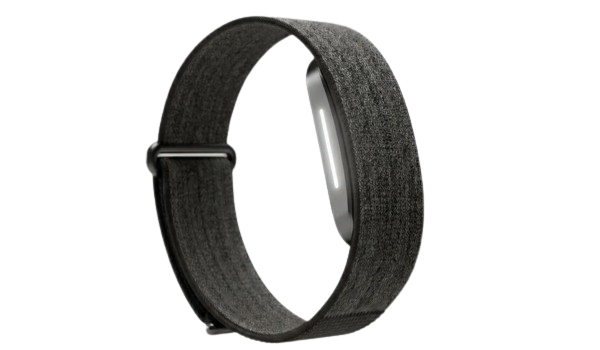
In this guide, we explain how to wear the Hume Band correctly, including proper wrist placement, strap adjustment, exercise use, sleep wear, cleaning tips, and common mistakes to avoid.
What Is the Hume Band?
The Hume Band is a smart wearable that helps users understand their daily health patterns through continuous tracking.
It connects with the Hume Health app to provide personalized insights based on collected wellness data, helping users monitor activity, sleep, recovery, and overall health trends.
Unlike basic activity trackers, the Hume Band creates a broader view of daily habits by collecting information throughout regular routines. Its lightweight design allows users to wear it comfortably during different activities.
Correct placement plays an important role in creating a comfortable wearing experience. Keeping the Hume Band properly positioned helps users maintain a consistent routine while using the device throughout their day.
Why Proper Hume Band Placement Matters
Proper placement of the Hume Band placement matters because a wearable device needs to stay stable throughout the day. A comfortable and secure position helps the band stay in place during walking, workouts, work activities, and rest.
Wearing the band incorrectly may cause unnecessary movement or discomfort. A strap that is too loose can allow the device to shift, while a strap that is too tight may make long-term wear uncomfortable.
A suitable Hume Band fit should provide:
- Comfortable contact with the skin
- Stable positioning during movement
- Freedom for natural wrist movement
- A fit suitable for extended daily wear
Maintaining the same comfortable position also helps create a consistent wearing routine.
Where Should You Wear the Hume Band on Your Wrist?
The Hume Band should be worn on the wrist in a position where it feels secure and comfortable throughout the day. The recommended placement is slightly above the wrist bone rather than directly over the bony area.
This position provides a smoother surface for the device and allows the wrist to move naturally without unnecessary pressure. The band should sit flat against your skin without creating gaps or excessive movement.
When placing the Hume Band, keep these points in mind:
- Position it slightly above the wrist bone
- Make sure the sensors remain in contact with your skin
- Avoid placing it too close to your hand
- Choose a position that feels comfortable for daily activities
A consistent placement makes the device easier to wear regularly.
✅ Click to Buy Hume Band at a Discounted Price!
How to Find the Correct Wrist Position for Your Hume Band
Finding the correct position for your Hume Band requires a balance between comfort and stability.
Start by locating the wrist bone near the base of your hand. Instead of placing the device directly there, move it slightly higher toward your lower forearm.
After positioning the band, move your wrist normally to check the fit. The device should remain stable without sliding excessively.
A proper position should allow you to:
- Move your wrist freely
- Wear the band without pressure
- Keep the sensors comfortably against your skin
- Continue daily activities without adjustment
Once you find the right placement, try to keep it the same each day.
Which Wrist Should You Wear the Hume Band On?
The Hume Band can be worn on either wrist depending on your comfort and personal preference. There is no single wrist that works for everyone, so choosing the side that feels most natural is usually the best approach.
Many users prefer wearing smart wearables on their non-dominant wrist because it moves less during regular tasks. However, some people may find the opposite wrist more comfortable.

When selecting your wrist, consider:
- Which side feels natural during daily activities
- Where the band stays most stable
- Which wrist allows comfortable long-term wear
The most important factor is maintaining proper placement and wearing the device consistently.
➺ Wearing the Hume Band on the Left Wrist
The left wrist is a common choice for many wearable users. People who mainly use their right hand for writing, working, or other activities may find the left wrist more comfortable because it involves fewer repetitive movements.
When wearing the Hume Band on the left wrist, make sure it is positioned correctly and adjusted for a secure fit. The device should not move freely but should still allow normal wrist movement.
Benefits of choosing the left wrist may include:
- Easy integration into daily routines
- Less interference during hand movements
- Comfortable long-term wear
However, the left wrist is not required. Comfort and consistency are the most important factors.
➺ Wearing the Hume Band on the Right Wrist
The right wrist is also a suitable option for wearing the Hume Band. Some users prefer this side because it feels more natural or easier to access during their daily routine.
When using the right wrist, follow the same placement principles. The band should sit comfortably above the wrist bone and remain secure during movement.
A proper right-wrist fit includes:
- A comfortable strap adjustment
- Stable positioning throughout the day
- No excessive pressure on the wrist
- Consistent placement during regular use
Choosing the right wrist is a personal decision. The best option is the one that allows you to wear the Hume Band comfortably every day.
✅ Click to Buy Hume Band at a Discounted Price!
How Tight Should the Hume Band Be?
The Hume Band should fit comfortably and stay secure without feeling restrictive. The strap should be tight enough to prevent unnecessary movement but loose enough to remain comfortable during extended wear.
A properly adjusted band should feel natural during different activities, including work, exercise, and rest. It should not leave uncomfortable marks or create pressure around the wrist.
The ideal fit should:
- Keep the band stable
- Allow normal wrist movement
- Feel comfortable for long periods
- Prevent excessive sliding
Adjust the strap gradually until you find a position that feels secure and comfortable.
➺ Signs Your Hume Band Is Too Loose
A loose Hume Band may move around your wrist during normal activities. If the device rotates frequently, slides toward your hand, or requires repeated adjustments, the strap may need tightening.
A loose fit can make wearing the device less convenient because the band does not remain in its intended position.
Common signs include:
- The band moves when you shake your wrist
- The device feels unstable during exercise
- The strap creates gaps between the device and skin
- You frequently need to reposition it
Adjust the strap slightly until the band stays comfortably in place without feeling tight.
➺ Signs Your Hume Band Is Too Tight
A Hume Band that is too tight may cause discomfort, especially when worn for many hours. Since wearables are designed for regular use, always consider comfort when adjusting the strap.
Signs of an overly tight fit may include:
- Pressure around the wrist
- Visible strap marks
- Reduced comfort during movement
- A feeling of restricted wrist movement
If the band feels too tight, loosen the strap slightly and reposition it. The goal is to maintain stable contact while keeping the wrist comfortable.
Finding the Ideal Comfortable Fit
Finding the right fit is one of the most important steps for comfortable Hume Band use. The band should feel secure enough to stay in place but relaxed enough for all-day wear.
A properly fitted Hume Band should:
- Stay stable during normal movement
- Maintain comfortable skin contact
- Allow natural wrist flexibility
- Avoid pressure or tightness
The ideal fit may require small adjustments when you first start wearing the device. After you find the right position, keeping the same placement helps you build a consistent routine.
A comfortable fit makes it easier to wear the Hume Band during different situations, including daily activities, workouts, and sleep.

Step-by-Step: How to Wear the Hume Band Correctly
Wearing the Hume Band correctly starts with choosing a comfortable position and adjusting the strap properly. A simple setup routine can help ensure the device feels natural throughout the day.
Step 1: Choose Your Preferred Wrist
Select the wrist where the Hume Band feels most comfortable. You can use either wrist, depending on your preference.
Step 2: Locate Your Wrist Bone
Find the wrist bone near your hand. This helps you avoid placing the band directly on the bony area.
Step 3: Position the Band Slightly Above the Wrist Bone
Move the band slightly higher toward your forearm so it sits more comfortably.
Step 4: Place the Sensors Against Your Skin
Make sure the sensors stay in steady contact with your skin without unnecessary gaps.
Step 5: Adjust the Strap for Comfort
Tighten or loosen the strap until the band feels secure but not restrictive.
Step 6: Test the Fit With Normal Movement
Move your wrist, walk, and perform regular activities to confirm the band stays comfortable.
Step 7: Keep the Placement Consistent
Once you find the right position, keep it consistent for a smoother wearing experience.
✅ Click to Buy Hume Band at a Discounted Price!
Should the Hume Band Sit Above or Directly on the Wrist Bone?
The Hume Band should generally sit slightly above the wrist bone instead of directly on top of it. The wrist bone area moves frequently, which may make the device feel less comfortable during regular activities.
Placing the band slightly higher creates a more stable area for the device to rest naturally. This position lets the wrist move freely while helping the band stay comfortably in place.
When adjusting the placement:
- Avoid placing the band directly over the wrist bone
- Keep the device stable on the lower forearm
- Make sure it does not slide during movement
A small adjustment in position can make a noticeable difference in comfort during long-term wear.
How to Wear the Hume Band During Exercise
The Hume Band can be worn during different types of physical activities, but proper adjustment is especially important during exercise. Increased movement can cause a poorly fitted band to shift or feel uncomfortable.
Before starting a workout, check that:
- The strap is secure
- The device is not moving excessively
- Your wrist can move naturally
- The fit still feels comfortable
The band should support your active routine without distracting you. Avoid tightening it too much before exercise, because comfort still matters during movement.
A stable position lets you keep your workouts going while keeping the device comfortable on your wrist.
➺ Wearing It During Strength Training
During strength training, your wrist position changes often as you lift weights or perform resistance exercises. A properly fitted Hume Band should remain secure without interfering with your grip or movement.
Before you start your workout, check the strap and make small adjustments as needed. The band should not move around when you bend your wrist or change positions.
For strength workouts:
- Keep the band slightly above the wrist bone
- Avoid excessive tightness during lifting
- Check comfort between exercises
- Adjust if the device shifts frequently
A comfortable fit allows you to focus on your training without being distracted by the wearable.
➺ Wearing It During Walking and Running
Walking and running involve repeated wrist movement, so keeping the Hume Band secure is important. A loose strap may cause the device to rotate or move during longer activities.
Before you go for a walk or run, make sure the band feels stable but comfortable. It should remain in place without creating pressure around your wrist.
During these activities:
- Check the fit before starting
- Avoid unnecessary strap adjustments
- Keep the device positioned consistently
- Make sure movement feels natural
A comfortable setup allows the Hume Band to become part of your active lifestyle without interruption.
➺ Wearing It During Cycling
Cycling involves continuous hand and wrist positioning, especially when holding handlebars. The Hume Band should remain comfortable and secure without limiting wrist movement.
Before cycling, make sure the band fits correctly. A strap that is too loose may shift, while one that is too tight may become uncomfortable during longer rides.
For cycling comfort:
- Keep the band stable on the wrist
- Avoid excessive pressure
- Check the fit after longer sessions
- Adjust only when needed
A balanced fit helps maintain comfort while letting you keep the device on during your cycling routine.

➺ Wearing It During High-Intensity Workouts
High-intensity workouts involve more movement, sweating, and frequent changes in wrist position. Before starting these activities, make sure the Hume Band is adjusted properly.
The device should remain secure without feeling restrictive. If it moves during intense activity, a small strap adjustment may improve comfort.
Important points for high-intensity workouts:
- Confirm the band is positioned correctly
- Keep the strap comfortably secure
- Avoid over-tightening before exercise
- Check your wrist comfort afterward
The goal is to maintain a fit that supports active movement while keeping the wearable comfortable.
✅ Click to Buy Hume Band at a Discounted Price!
How to Wear Your Hume Band While Sleeping
The Hume Band is designed to be worn as part of a continuous wellness routine, including during rest periods. A comfortable overnight fit matters because the device stays on your wrist for several hours.
Before sleeping, make sure the band isn’t too tight or too loose. It should stay in place while letting your wrist stay relaxed.
For comfortable sleep wear:
- Keep the strap slightly relaxed
- Ensure the device is not causing pressure
- Maintain a familiar wearing position
- Adjust if discomfort occurs
A comfortable setup makes it easier to include the Hume Band in your regular nighttime routine.
Can You Wear the Hume Band All Day?
The Hume Band is designed for regular everyday use, allowing users to keep it on during different parts of their routine. Consistent wear helps users build a clearer understanding of their health patterns through the Hume Health app.
For comfortable all-day wear:
- Maintain a stable wrist position
- Check the strap regularly
- Keep the device clean
- Adjust if comfort changes
The best wearable experience comes from making the Hume Band feel like a natural part of your daily habits.
What If the Hume Band Causes Skin Discomfort?
If the Hume Band causes discomfort, start by checking the fit and wrist position. A strap that is too tight or moisture trapped under the device may affect comfort during extended use.
Simple steps can help improve the experience:
- Clean the wrist area regularly
- Keep the skin dry
- Adjust the strap if needed
- Avoid excessive tightness
The Hume Band should feel comfortable during normal use. If irritation continues, slightly changing the position or letting the skin rest may help improve comfort.
✅ Click to Buy Hume Band at a Discounted Price!
Final Thoughts: Finding the Best Fit for Your Hume Band
Finding the best Hume Band fit means balancing comfort, stability, and consistency. The device should stay securely positioned while allowing your wrist to move naturally throughout the day.
The most important wearing habits include:
- Positioning the band correctly above the wrist bone
- Adjusting the strap for comfort
- Keeping the placement consistent
- Maintaining proper device care
A well-fitted Hume Band becomes easier to wear during work, exercise, and sleep. By following these simple placement guidelines, users can build a comfortable routine and make the device a natural part of their daily wellness tracking.

=> Click to Learn More About Hume Band
.
About Us
