How to Treat Swollen Gums – Causes, Remedies & Tips
Swollen gums are a common oral health concern that can cause discomfort, tenderness, redness, and sensitivity around the teeth.
While mild gum swelling may occur due of temporary irritation, ongoing inflammation can indicate underlying issues such as gum disease, infections, poor oral hygiene, or nutritional deficiencies.
Learning how to treat swollen gums can help reduce discomfort, support healthier gums, and prevent the condition from worsening.
Simple steps such as improving brushing habits, using gentle home remedies, maintaining a balanced diet, and seeking professional dental care when needed can make a significant difference.
🔹 Learn how to treat swollen gums with simple home remedies, proper oral care, and professional treatments to reduce swelling and support gum health.
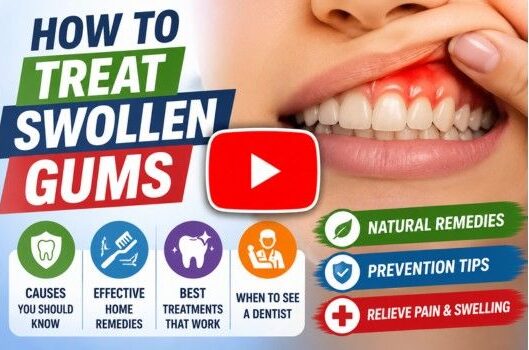

This complete guide explains the common causes of swollen gums, effective treatments, natural ways to support gum health, and key signs that it’s time to visit a dentist.
What Are Swollen Gums?
Swollen gums occur when the gum tissue around the teeth becomes enlarged, irritated, or inflamed. Healthy gums are usually firm, pink, and fit tightly around the teeth. When gums become swollen, they may appear red, puffy, or feel sensitive when touched.
Gum swelling is often a response from the body’s immune system trying to fight irritation, bacteria, or infection. In many cases, swelling develops because plaque buildup creates inflammation along the gumline. Plaque is a sticky layer of bacteria that forms naturally on teeth and can irritate gum tissue when not removed properly.
Swollen gums can affect a small area around one tooth or involve larger sections of the mouth. Some people may experience mild tenderness, while others may notice bleeding, pain, bad breath, or difficulty chewing.
Understanding the reason behind gum swelling is important because the best treatment depends on the underlying cause.
Common Causes of Swollen Gums
1. Gum Disease (Gingivitis)
Gingivitis is one of the most common reasons for swollen gums. It occurs when plaque accumulates along the gumline, causing irritation.
🔹 Early signs may include:
- Red or swollen gums
- Bleeding while brushing or flossing
- Bad breath
- Gum tenderness
Without proper care, gingivitis may progress into more advanced gum problems. Maintaining daily oral hygiene is one of the best ways to manage and prevent gum inflammation.
2. Poor Oral Hygiene
Not brushing or flossing regularly allows bacteria and plaque to build up around teeth. Over time, this buildup can irritate the gums and trigger swelling.
🔹 Poor oral hygiene may also contribute to:
- Tooth decay
- Gum sensitivity
- Persistent mouth odor
- Increased risk of infections
Brushing twice daily and cleaning between teeth can help remove harmful bacteria and support healthier gums.
3. Food Particles Stuck Between Teeth
Sometimes gum swelling develops because food becomes trapped between teeth. Small particles can irritate the surrounding gum tissue and create localized inflammation.
🔹 Common problem foods include:
- Popcorn kernels
- Seeds
- Nuts
- Fibrous vegetables
Careful flossing can often remove trapped particles and reduce irritation.
4. Dental Infections
🔹 A tooth infection or gum infection can cause swelling around a specific area. This type of swelling may be accompanied by:
- Severe tooth pain
- Pus near the gumline
- Facial swelling
- Fever
- Bad taste in the mouth
Dental infections usually require professional treatment because they may not resolve completely with home remedies alone.
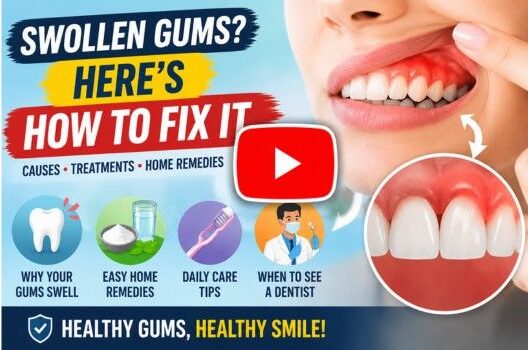
5. Hormonal Changes
Hormonal changes during pregnancy, puberty, menstruation, or menopause can make gums more sensitive and prone to swelling.
Hormones may increase blood flow to gum tissues, causing them to react more strongly to bacteria and plaque. Maintaining good oral hygiene becomes especially important during these periods.
6. Nutritional Deficiencies
Certain nutrients play an important role in maintaining healthy gums. A lack of essential vitamins may contribute to gum sensitivity and inflammation.
🔹 For example:
- Vitamin C supports healthy gum tissue
- Vitamin D helps support immune function and bone health
- Calcium supports strong teeth and jaw structure
A balanced diet can help provide nutrients needed for overall oral wellness.
7. Irritation From Dental Products
Some dental products, such as certain toothpastes, mouthwashes, or whitening treatments, may irritate sensitive gum tissues and cause swelling or discomfort. Switching to gentle, dentist-recommended products may help reduce irritation and support healthier gums.
🔹 Some people may experience gum irritation from:
- Certain toothpastes
- Mouthwashes containing alcohol
- Whitening products
- Dental appliances
If swelling begins after switching oral care products, try a gentler option.
Symptoms of Swollen Gums
🔹 Swollen gums may appear differently depending on the cause. Common symptoms include:
- Puffy or enlarged gum tissue
- Redness around teeth
- Gum tenderness
- Bleeding during brushing or flossing
- Pain while eating
- Increased sensitivity
- Bad breath
- Loose teeth in advanced cases
- Receding gums
If symptoms persist for more than a few days or worsen, professional dental advice is recommended.
How to Treat Swollen Gums at Home
Many mild cases of swollen gums can improve with proper home care. The following methods may help reduce irritation and support gum health.
1. Practice Proper Brushing Technique
Using the correct brushing technique helps remove plaque and bacteria without damaging sensitive gum tissue. Brush gently with a soft-bristle toothbrush using small circular motions to support healthier gums and reduce irritation.
🔹 Use a soft-bristle toothbrush and gently clean:
- Front surfaces of teeth
- Back surfaces
- Gumline areas
Avoid aggressive brushing because harsh pressure can further irritate swollen gums. Brush for approximately 2 minutes, twice daily, to help remove plaque and bacteria.
2. Floss Daily
Daily flossing helps remove food particles and bacteria trapped between teeth where a toothbrush cannot reach. Regular flossing can reduce plaque buildup and help prevent gum swelling caused by irritation.
3. Rinse With Warm Salt Water
A warm salt water rinse may help soothe irritated gums and support a cleaner oral environment. It can help reduce discomfort and remove some bacteria, but it should be used along with regular brushing and flossing.
🔹 Salt water may help:
- Clean the mouth
- Reduce bacteria
- Soothe gum discomfort
🔹 To prepare a rinse:
- Mix a small amount of salt into warm water.
- Swish gently around the mouth.
- Spit it out.
Avoid swallowing the mixture.
4. Apply a Cold Compress
A cold compress may provide temporary relief from gum discomfort and swelling. Applying a cold pack wrapped in a towel to the outside of the cheek can help reduce inflammation and sensitivity.
5. Drink Enough Water
Water helps maintain saliva production, which naturally helps wash away food particles and bacteria. Staying hydrated may also support a healthier oral environment. Try to drink water regularly throughout the day, especially after meals.
6. Avoid Irritating Foods
Certain foods, such as spicy, acidic, hard, or very hot foods, may increase gum discomfort when swelling is present. Choosing softer and less irritating foods can help support the healing process.
🔹 Limit:
- Very spicy foods
- Hard crunchy foods
- Extremely hot foods
- Sugary snacks
Choose softer foods that are easier to chew while your gums recover.
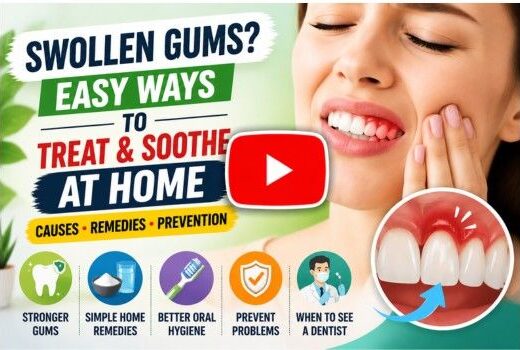
Natural Remedies That May Support Gum Health
Some natural approaches may help improve oral comfort and support gum wellness when combined with proper dental hygiene. These remedies should complement, not replace, regular brushing, flossing, and professional dental care.
🔹 Aloe Vera Gel
Aloe vera is known for its soothing properties and is sometimes included in oral care products designed to support gum comfort. Only use products intended for oral use to avoid irritation or unsafe use.
🔹 Tea Tree Oil Products
Tea tree oil is sometimes used in oral care products because of its cleansing properties. However, undiluted tea tree oil should not be applied directly inside the mouth because it may cause irritation or sensitivity.
🔹 Turmeric
Turmeric contains curcumin, a natural compound studied for its antioxidant and soothing properties. Turmeric-based oral products may support gum comfort, but they should not replace professional dental treatment or daily oral hygiene.
Medical Treatments for Swollen Gums
When swollen gums are caused by infections, gum disease, or other dental conditions, professional treatment may be needed. A dentist can identify the underlying cause and recommend the most suitable care option.
🔹 Professional Dental Cleaning
A professional dental cleaning removes plaque and hardened tartar buildup that regular brushing and flossing may not completely eliminate. Routine cleanings can help improve gum health and reduce inflammation caused by bacterial buildup.
🔹 Deep Cleaning Treatment
For more advanced gum problems, dentists may recommend scaling and root planing, also known as deep cleaning. This treatment removes bacteria and tartar from below the gumline to help improve gum health and protect supporting tissues.
🔹 Treatment for Dental Infection
If swelling is caused by an infection, treatment may involve:
- Cleaning the infected area
- Dental procedures
- Prescription medications when appropriate
The treatment depends on the severity and location of the infection.
🔹 Dental Restoration
Damaged teeth, cavities, or poorly fitting dental work may contribute to gum irritation. Repairing these issues can help prevent recurring swelling.
Foods That Support Healthy Gums
A nutrient-rich diet may help support overall oral health.
🔹 Vitamin C-Rich Foods
Examples include:
- Oranges
- Strawberries
- Bell peppers
- Broccoli
Vitamin C supports healthy connective tissues, including gum tissue.
🔹 Calcium-Rich Foods
Examples include:
- Milk
- Yogurt
- Cheese
- Leafy greens
Calcium supports strong teeth and bones.
🔹 Crunchy Fruits and Vegetables
Crunchy fruits and vegetables like apples, carrots, and celery can help stimulate saliva production, which naturally helps wash away food particles and bacteria. They also provide important nutrients that support healthy gums and overall oral wellness.
How to Prevent Swollen Gums
Preventing swollen gums requires consistent oral care habits and healthy lifestyle choices. Daily brushing, flossing, regular dental visits, and a balanced diet can help reduce plaque buildup and support long-term gum health.
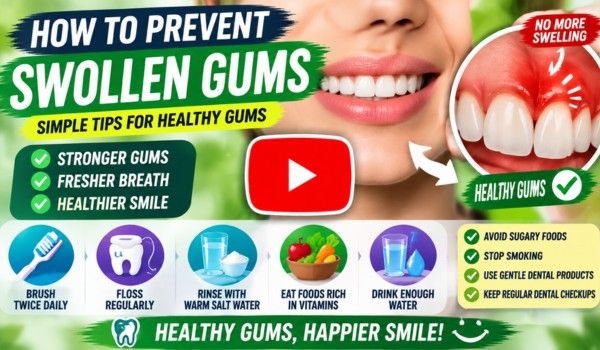
🔹 Brush Twice Daily
Brushing your teeth twice a day helps remove plaque, bacteria, and food particles that can irritate the gums. Using a soft toothbrush and gentle brushing techniques can protect gum tissue while keeping your mouth clean.
🔹 Floss Regularly
Flossing helps clean the spaces between teeth that toothbrush bristles cannot reach. Regular flossing removes trapped food particles and bacteria, helping reduce the risk of gum inflammation and swelling.
🔹 Schedule Dental Checkups
Regular dental checkups allow dentists to detect early signs of gum problems before they become more serious. Professional cleanings also help remove plaque and tartar buildup that daily brushing may miss.
🔹 Replace Your Toothbrush
Replacing your toothbrush every few months or when the bristles become damaged helps maintain effective cleaning. A worn toothbrush may not remove plaque properly and can harbor unwanted bacteria.
🔹 Limit Sugary Foods
Sugary foods and drinks can encourage the growth of harmful bacteria in the mouth, increasing plaque formation and the risk of gum irritation. Reducing sugar intake can help protect both your gums and teeth.
🔹 Avoid Smoking
Smoking can reduce blood flow to gum tissues and weaken the mouth’s natural ability to fight bacteria. Avoiding tobacco products may help lower the risk of gum disease and support healthier gums.
When Should You See a Dentist?
🔹 You should consider professional dental care if you experience:
- Swelling lasting more than one week
- Severe gum pain
- Bleeding that does not improve
- Pus around the gums
- Loose teeth
- Facial swelling
- Fever
- Difficulty opening your mouth
Persistent gum swelling may indicate a condition that requires professional evaluation.
Common Myths About Swollen Gums
Myth 1: Swollen Gums Always Go Away Alone
Mild gum swelling caused by temporary irritation may improve with proper oral care, but it should not always be ignored. If swelling continues, becomes painful, or is accompanied by bleeding, it may indicate gum disease or another dental issue that needs professional attention.
Myth 2: Hard Brushing Cleans Better
Brushing with excessive force does not remove more bacteria and may actually harm sensitive gum tissue. Using a soft-bristle toothbrush with gentle circular motions is a safer and more effective way to maintain healthy gums.
Myth 3: Mouthwash Can Replace Brushing
Mouthwash can help freshen breath and reduce some bacteria, but it cannot remove plaque buildup like brushing and flossing do. A complete oral care routine should include regular brushing, flossing, and dental checkups.
Myth 4: Gum Problems Only Affect Older Adults
Swollen gums can affect people of any age due to factors like poor oral hygiene, bacterial buildup, hormonal changes, or dental irritation. Maintaining healthy habits from an early age can help reduce the risk of gum problems.
Frequently Asked Questions About How to Treat Swollen Gums
Can swollen gums heal naturally?
Mild gum swelling caused by temporary irritation may improve with better oral hygiene and healthy habits. However, persistent swelling should be checked by a dentist.
How long does it take for swollen gums to go down?
The recovery time depends on the cause. Minor irritation may improve within several days, while infections or gum disease may require professional treatment.
Is salt water good for swollen gums?
Warm salt water rinses may help soothe irritated gums and promote oral hygiene. They should be used as a supportive method, not a replacement for dental care.
Should I brush swollen gums?
Yes. Continue brushing gently with a soft toothbrush to remove plaque and bacteria that may contribute to inflammation.
Can stress cause swollen gums?
Stress may affect immune function and oral habits, which can contribute indirectly to gum irritation and inflammation.
What is the fastest way to reduce gum swelling?
Improving oral hygiene, using gentle rinses, avoiding irritation, and addressing the underlying cause are important steps. A dentist can provide the fastest solution when swelling is due to infection or advanced gum disease.
Final Thoughts: How to Treat Swollen Gums
Swollen gums are a common oral health issue that can often be improved by maintaining proper hygiene, making healthy lifestyle choices, and addressing the underlying cause.
Simple habits like brushing gently, flossing daily, staying hydrated, and eating nutrient-rich foods can help support healthier gums.
While home remedies may provide temporary comfort, ongoing swelling, pain, or signs of infection should not be ignored. Professional dental care is important for identifying and treating problems before they become more serious.
By following consistent oral care practices and seeking help when needed, you can protect your gums, maintain a healthier smile, and reduce the chances of future gum problems.
References
https://en.wikipedia.org/wiki/Gingivitis
https://www.webmd.com/oral-health
https://www.healthline.com/health/dental-and-oral-health/swollen-gums
https://www.mayoclinic.org/diseases-conditions/periodontitis
About Us