
How to Treat Sleep Apnoea: Treatments, Tips & Relief
Sleep apnoea is a sleep-related breathing disorder that causes repeated pauses in breathing or shallow breathing during sleep. The most effective treatment for sleep apnoea depends on its type, severity, underlying cause, and individual health. Treatment options include CPAP therapy, oral appliances, lifestyle modifications, positional therapy, and, in selected cases, surgery.
Learn how to treat sleep apnoea with CPAP, oral appliances, weight management and side sleeping, plus when to get tested and explore other treatment options.
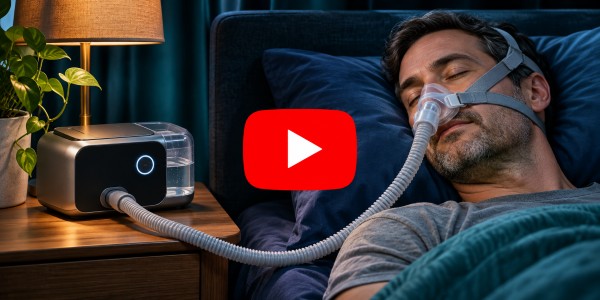
👉 DON’T TRY THIS “HOW TO TREAT SLEEP APNOEA” UNTIL YOU SEE THIS
Many people with sleep apnoea experience loud snoring, daytime tiredness, morning headaches, difficulty concentrating, and restless sleep.
Because breathing interruptions can reduce oxygen levels and repeatedly disturb sleep, treating the condition is important for protecting long-term health and improving daily quality of life. Sleep apnoea is not simply a snoring problem.
It can interfere with normal breathing throughout the night and may increase the risk of high blood pressure, cardiovascular complications, and other health concerns when left untreated. Fortunately, several effective treatment options are available to help manage the condition and support healthier sleep.
What Is Sleep Apnoea?
Sleep apnoea occurs when breathing repeatedly stops or becomes significantly reduced during sleep. These interruptions may last several seconds or longer and can happen many times throughout the night.
The most common type is obstructive sleep apnoea (OSA), which occurs when the muscles in the throat relax and temporarily block the airway.
The brain may briefly wake the body to restore breathing, even if the person does not remember waking up.
Another type is central sleep apnoea (CSA), in which the brain temporarily fails to send the appropriate signals to the muscles responsible for breathing. Some people may also experience mixed or complex sleep apnoea involving features of both types.
Common symptoms include:
- Loud, persistent snoring
- Gasping, choking, or breathing pauses during sleep
- Excessive daytime sleepiness
- Morning headaches
- Dry mouth upon waking
- Poor concentration and memory
- Irritability or mood changes
- Waking up feeling unrefreshed
Recognizing these symptoms early can help people seek appropriate evaluation and treatment.
How to Treat Sleep Apnoea Effectively
The best treatment for sleep apnoea is based on a proper diagnosis. A healthcare professional may recommend a sleep study to determine whether breathing interruptions are present, how frequently they occur, and how severe the condition is.
1. Use CPAP Therapy for Sleep Apnoea
Continuous Positive Airway Pressure (CPAP) therapy is one of the most widely recommended and effective treatments for obstructive sleep apnoea, particularly moderate to severe cases.
A CPAP machine delivers a steady stream of pressurized air through a mask worn during sleep. The airflow helps keep the upper airway open, preventing the throat from collapsing and reducing breathing interruptions.
Benefits of CPAP therapy include:
- Reducing breathing interruptions during sleep
- Improving nighttime oxygen levels when obstruction is corrected
- Decreasing snoring
- Reducing daytime sleepiness
- Supporting better sleep quality
- Helping manage certain cardiovascular risks associated with untreated obstructive sleep apnoea
Some people notice improvements in sleep and daytime alertness within days, while others need several weeks to become comfortable with the treatment.
Choosing the correct mask, adjusting humidity settings, and gradually becoming accustomed to the airflow can make CPAP therapy easier to use consistently.
2. Try an Oral Appliance for Mild to Moderate Sleep Apnoea
Oral appliances are another treatment option, especially for people with mild to moderate obstructive sleep apnoea who cannot tolerate CPAP or prefer an alternative.
These devices are usually worn during sleep and fitted by a qualified dental professional trained in sleep medicine. The most commonly used type is a mandibular advancement device (MAD).
A mandibular advancement device gently moves the lower jaw forward, helping increase space in the upper airway and reducing the likelihood of airway collapse.
Potential benefits include:
- Comfortable and compact design
- Easy to travel with
- No machine or electrical power required
- May reduce snoring and breathing interruptions
Oral appliances are not suitable for everyone. Proper fitting and follow-up sleep testing may be necessary to confirm that the device is effectively treating sleep apnoea.
3. Lose Excess Weight If Recommended
Excess body weight, particularly around the neck and upper airway, can increase the risk of airway narrowing during sleep. For people who are overweight or have obesity, gradual weight reduction may help reduce obstructive sleep apnoea severity.
Weight management may improve breathing by reducing fatty tissue around the airway and supporting better respiratory function.
Helpful habits include:
- Eating balanced meals rich in vegetables, fruits, lean protein, and whole grains
- Reducing frequent intake of highly processed foods
- Engaging in regular physical activity
- Maintaining consistent eating and sleeping routines
- Setting realistic, sustainable weight goals
Weight loss alone is not a replacement for CPAP or another prescribed treatment when sleep apnoea is moderate or severe. However, it may improve symptoms and support long-term treatment outcomes.
👉 DON’T TRY THIS “HOW TO TREAT SLEEP APNOEA” UNTIL YOU SEE THIS
4. Sleep on Your Side Instead of Your Back
Sleeping position can influence the severity of obstructive sleep apnoea in some people. When sleeping on the back, gravity may cause the tongue and soft tissues of the throat to move backward, narrowing the airway.
Side sleeping may help keep the airway more open and reduce breathing interruptions, particularly in people with positional sleep apnoea.
Practical ways to encourage side sleeping include:
- Using a supportive body pillow
- Choosing a comfortable mattress and pillow
- Avoiding sleeping flat on the back when symptoms worsen in that position
- Trying positional therapy devices when recommended
Positional therapy is most effective when a sleep study confirms that breathing problems are significantly worse while sleeping on the back. It is not a complete solution for every type of sleep apnoea.
5. Avoid Alcohol and Sedatives Before Bed
Alcohol and certain sedative medications can relax the muscles in the throat, making the airway more likely to collapse during sleep. This can worsen snoring and obstructive sleep apnoea in some individuals.
Avoiding alcohol close to bedtime may help reduce nighttime breathing problems and improve sleep quality.
Be cautious with:
- Alcoholic beverages in the evening
- Non-prescribed sleeping pills
- Sedating medications without medical guidance
- Recreational substances that affect breathing
If you take prescription medications that cause drowsiness, speak with your healthcare provider before changing or stopping them. Never discontinue prescribed medication on your own.
6. Treat Nasal Congestion and Allergies
Nasal congestion, allergies, and chronic nasal inflammation can make breathing during sleep more difficult. Although treating nasal congestion does not cure obstructive sleep apnoea, it may improve airflow and make CPAP therapy easier to tolerate.
Helpful approaches may include:
- Saline nasal sprays or rinses
- Managing dust and allergens in the bedroom
- Keeping bedding clean
- Using prescribed allergy treatments
- Addressing chronic sinus or nasal problems with a healthcare professional
If you frequently experience a blocked nose, mouth breathing, or difficulty breathing through your nostrils at night, addressing the underlying nasal problem may improve your overall sleep comfort.
7. Consider Surgery for Certain Cases
Surgery may be considered when sleep apnoea is caused by specific anatomical problems or when other treatments are unsuccessful or unsuitable.
Depending on the cause, procedures may involve:
- Tonsillectomy: Removing enlarged tonsils that obstruct the airway.
- Nasal surgery: Correcting structural problems that restrict nasal airflow.
- Upper airway surgery: Removing or repositioning tissue that contributes to airway obstruction.
- Jaw advancement surgery: Moving the jaw forward to increase airway space in selected patients.
Surgery is not a universal cure for sleep apnoea. The results depend on airway anatomy, the type of procedure, and the severity of the condition. A sleep specialist and qualified surgeon should evaluate whether surgery is appropriate.
8. Explore Hypoglossal Nerve Stimulation
Hypoglossal nerve stimulation is an advanced treatment option for carefully selected people with obstructive sleep apnoea who cannot use CPAP effectively.
The treatment involves implanting a small device that stimulates a nerve controlling tongue movement. During sleep, stimulation helps move the tongue forward, reducing airway obstruction.
This option requires a medical evaluation, including assessment of airway anatomy and sleep apnoea severity. It is not appropriate for every patient and involves surgery, device maintenance, and follow-up care.
How to Treat Sleep Apnoea Naturally at Home
Home-based lifestyle changes may help improve sleep and reduce certain symptoms, but they should not replace medically recommended treatment for diagnosed sleep apnoea.
Establish a Consistent Sleep Schedule
Going to bed and waking up at the same time every day can support the body’s natural sleep-wake cycle. Consistent sleep habits may help reduce sleep deprivation and improve daytime energy.
Aim for approximately seven to nine hours of sleep per night for most adults.
Exercise Regularly
Regular physical activity can support cardiovascular health, weight management, and better sleep. Walking, cycling, swimming, and other moderate exercises may be helpful.
Try to stay physically active throughout the week rather than relying on occasional intense workouts. Exercise can support overall sleep health, although it does not directly eliminate airway obstruction.
Improve Your Sleeping Environment
A comfortable sleeping environment can make it easier to sleep consistently.
- Keep the bedroom cool, quiet, and dark.
- Use supportive pillows that maintain comfortable neck alignment.
- Limit screen exposure before bedtime.
- Avoid heavy meals immediately before sleep.
- Follow a relaxing bedtime routine.
These habits support healthy sleep but do not independently treat the underlying airway blockage associated with obstructive sleep apnoea.
👉 DON’T TRY THIS “HOW TO TREAT SLEEP APNOEA” UNTIL YOU SEE THIS
How Is Sleep Apnoea Diagnosed?
Sleep apnoea is diagnosed using a sleep evaluation and, when appropriate, a sleep study.
A healthcare professional may recommend:
Home sleep apnoea testing: A portable device measures breathing-related information while you sleep at home. It is appropriate for certain adults suspected of having uncomplicated obstructive sleep apnoea.
Polysomnography (overnight sleep study): This test is usually performed in a sleep laboratory and measures several variables, including breathing, oxygen levels, heart rate, brain activity, and sleep stages.
Sleep testing helps identify the type of sleep apnoea and its severity. Results are often evaluated using the Apnoea-Hypopnoea Index (AHI), which measures the number of breathing interruptions per hour of sleep.
| Severity | AHI (events per hour) |
| Normal | Less than 5 |
| Mild | 5–14.9 |
| Moderate | 15–29.9 |
| Severe | 30 or more |
The results help healthcare professionals determine whether CPAP, an oral appliance, lifestyle changes, or another treatment is appropriate.
What Happens If Sleep Apnoea Is Left Untreated?
Untreated sleep apnoea can repeatedly interrupt normal sleep and reduce oxygen levels during the night. Over time, this may contribute to several health problems.
Potential complications include:
- High blood pressure
- Increased cardiovascular risk
- Daytime fatigue and reduced productivity
- Difficulty concentrating and memory problems
- Mood changes and irritability
- Increased risk of accidents related to sleepiness
People with untreated sleep apnoea may struggle with driving, operating machinery, or performing tasks that require sustained attention.
Recognizing and treating the condition can help reduce symptoms, improve sleep quality, and support better overall health.
Common Myths About Sleep Apnoea Treatment
There is a lot of misleading information online about sleep apnoea, particularly regarding quick fixes and natural remedies. Understanding what actually works can help prevent delays in treatment.
Myth 1: Snoring Is Always Harmless
Snoring may occur without sleep apnoea, but loud, persistent snoring accompanied by gasping, breathing pauses, or excessive daytime sleepiness can be a warning sign.
Snoring should not automatically be dismissed as a normal part of sleeping.
Myth 2: Sleeping on Your Side Cures Sleep Apnoea
Side sleeping may reduce breathing interruptions in people with positional sleep apnoea. However, it may not adequately treat moderate, severe, or non-positional sleep apnoea.
A sleep study is important to determine whether positional therapy is enough.
Myth 3: CPAP Is Only for Severe Sleep Apnoea
CPAP is commonly prescribed for moderate to severe obstructive sleep apnoea. However, it may also be recommended for people with mild sleep apnoea when symptoms, medical conditions, or individual circumstances make treatment beneficial.
The need for CPAP depends on the overall medical assessment, not only the severity category.
Myth 4: Natural Remedies Can Replace Medical Treatment
Herbal teas, essential oils, breathing exercises, mouth taping, and online sleep hacks are often promoted as ways to eliminate sleep apnoea.
However, reliable evidence is insufficient to show that these approaches can consistently prevent airway collapse or treat clinically diagnosed obstructive sleep apnoea.
Relaxation techniques may help with stress, but they do not replace proven therapies such as CPAP or medically fitted oral appliances.

👉 DON’T TRY THIS “HOW TO TREAT SLEEP APNOEA” UNTIL YOU SEE THIS
Common Mistakes to Avoid When Treating Sleep Apnoea
Some habits can interfere with treatment effectiveness and delay improvement.
- Ignoring symptoms: Persistent snoring, gasping, and daytime sleepiness should not be overlooked.
- Stopping CPAP too early: Discomfort during the first few nights does not necessarily mean the treatment will not work.
- Using poorly fitted masks: An uncomfortable or leaking mask may reduce treatment effectiveness and adherence.
- Relying only on weight loss: Weight management can help, but it may not fully resolve airway obstruction.
- Using unproven devices: Online products marketed as instant sleep apnoea cures may not provide adequate treatment.
- Ignoring daytime sleepiness: Severe sleepiness can increase the risk of driving-related and workplace accidents.
If CPAP feels uncomfortable, a sleep specialist may recommend a different mask, pressure adjustment, humidification, or another treatment approach.
When Should You Seek Medical Help?
Consult a healthcare professional if you regularly experience loud snoring, witnessed breathing pauses, nighttime choking, unexplained daytime fatigue, or morning headaches.
Seek prompt medical evaluation if you experience significant breathing difficulties, chest pain, fainting, or other concerning symptoms.
If you have excessive daytime sleepiness, avoid driving or operating machinery until you can do so safely. Sleep apnoea can affect reaction time and alertness even when you believe you are functioning normally.
Getting evaluated early is particularly important if you have high blood pressure, heart disease, diabetes, or other conditions that may be affected by sleep-disordered breathing.
Conclusion
Treating sleep apnoea effectively involves identifying the underlying cause of breathing interruptions and choosing the right combination of medical treatment and lifestyle changes.
CPAP therapy remains one of the most effective treatments for obstructive sleep apnoea, while oral appliances, positional therapy, weight management, and surgery may help depending on individual needs.
Simple habits such as maintaining a regular sleep schedule, sleeping on your side, avoiding alcohol before bedtime, and managing nasal congestion can also support healthier sleep.
However, home remedies alone are not reliable treatments for diagnosed sleep apnoea. If you experience persistent snoring, nighttime gasping, breathing pauses, or excessive daytime sleepiness, getting a proper sleep evaluation is the most important first step.
👉 DON’T TRY THIS “HOW TO TREAT SLEEP APNOEA” UNTIL YOU SEE THIS
References
https://en.wikipedia.org/wiki/Sleep
https://www.webmd.com/sleep-disorders/sleep-apnea/sleep-apnea-treatments
https://www.mayoclinic.org/diseases-conditions/sleep-apnea/diagnosis-treatment/drc-20377636
.
About Us
