
How to Improve Breathing Naturally: 10 Effective Ways
To improve breathing naturally, start with a gentle, slower exhale, regular physical activity at a manageable pace, and less exposure to smoke and other airway irritants.
A supported resting position may also help you catch your breath after a familiar activity, such as climbing stairs or carrying groceries.
Improve breathing naturally with deep breathing exercises, better posture, regular activity, hydration, and healthy habits that support lung function.
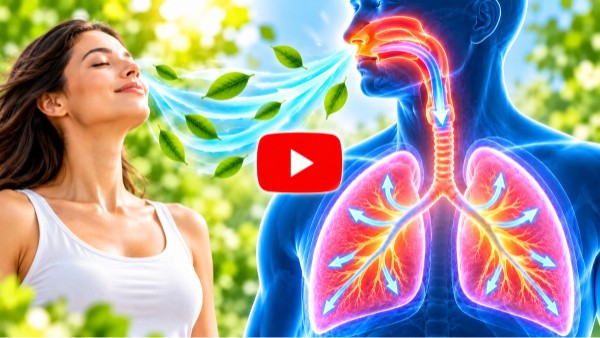
👉 DON’T TRY THIS “HOW TO IMPROVE BREATHING NATURALLY” UNTIL YOU SEE THIS
Which habit helps most depends on when you feel breathless. Getting winded on a steep hill after months of inactivity is different from wheezing every time you exercise or waking up gasping at night.
Pay attention to when the symptoms start, how long they last, and what else you notice. Those details can help you choose a useful home strategy or decide when to seek care.
What Does It Mean to Breathe Better?
Breathing better might mean walking farther before you need to pause, recovering sooner after taking the stairs, or feeling less tension in your chest and shoulders. These are practical changes you can notice in daily life.
Lung function is measured differently. A test called spirometry measures how much air you can blow out and how quickly you can move it.
As your fitness improves, your heart and muscles can handle the same activity more efficiently. That can make a familiar walk feel easier even if your spirometry results stay the same.
Shortness of breath can have several causes, including asthma, an infection, anemia, reduced fitness, or a heart condition.
A breathing technique may make you feel more comfortable in the moment. If symptoms keep returning, identifying the cause is the next step.
Practice Pursed-Lip Breathing
Pursed-lip breathing slows the flow of air as you breathe out. It is often taught to people with chronic obstructive pulmonary disease (COPD), because a gentle, prolonged exhale can help keep the airways open longer and may ease the sensation of trapped air.
How to try it
- Sit comfortably and relax your shoulders.
- Breathe in gently through your nose for about two counts.
- Purse your lips as if you were cooling a spoonful of hot soup.
- Breathe out softly for about four counts, or for as long as feels comfortable.
- Repeat a few times, then return to your usual breathing.
Practice first while you feel well. Once the technique feels familiar, try it while recovering from a routine activity that leaves you mildly winded.
The count is flexible. Shorten the exhale if you feel you are pushing out air or waiting too long for the next breath. Stop if the exercise makes you dizzy or more breathless.
Try Gentle Diaphragmatic Breathing
Your diaphragm is the main muscle you use to breathe. It moves downward when you inhale, making room for your lungs to expand. You may feel a small movement in your lower ribs and abdomen.
Practicing this movement can help you notice habits such as lifting your shoulders or taking repeated, oversized breaths.
Sit with your back supported and place one hand on your upper chest and the other below your ribs. Inhale gently and notice the movement under your lower hand.
Let the air flow out without pushing. Some movement in your upper chest is natural. Keep the breaths small enough that you can relax your jaw, neck, and shoulders.
A Cochrane review found that structured breathing exercises may improve quality of life in some adults with asthma.
If you have asthma, use breathing exercises alongside your prescribed care. If you have COPD and belly breathing feels more tiring, a respiratory therapist can help you find a technique that feels easier.
Rest in a Supported Position When You Feel Winded
If you become mildly winded during a familiar activity, pause and sit with your feet on the floor. Lean forward slightly and rest your forearms on your thighs or on a table. Let your shoulders drop and take a few gentle breaths.
If you are standing, a sturdy kitchen counter can provide similar support. For example, after carrying groceries, set the bags down and lean your forearms on the counter while your breathing settles.
Some people with chronic breathlessness also find that cool air from a handheld fan directed toward the face makes the sensation less intense.
Notice how long it takes you to recover. If familiar tasks are taking progressively longer to recover from or you need more breaks than you used to, share that change with a clinician.
Build Stamina With Walking or Other Aerobic Activity
Regular movement can make everyday tasks feel easier. Walking, cycling, and other aerobic activities build endurance, especially if you have been inactive.
Start with a pace and distance you can manage comfortably. If light activity brings on new or unexplained breathlessness, get it assessed before increasing the intensity.
Use the talk test to set your pace
During moderate-intensity activity, most people can talk but would find singing difficult. If you need to pause every few words to catch your breath, slow down. If you are just getting started, choose a short, flat route and add time before adding speed or hills.
The CDC recommends that adults work toward at least 150 minutes of moderate aerobic activity per week, plus muscle-strengthening activity on two days.
You can spread those minutes across the week. If you have a heart or lung condition, ask your care team what starting level fits your health and symptoms.
To track progress, repeat the same route and notice whether you make fewer stops or recover sooner afterward. Those changes are easier to compare than how you feel on routes with different hills, weather, or pace.
Breathe Out During the Hardest Part of a Task
Many people briefly hold their breath while standing up from a low chair, lifting a laundry basket, or concentrating on the next stair. If you notice this habit, try breathing out gently during the part of the movement that takes the most effort.
For example, inhale as you prepare to stand, then exhale as you rise. If you are carrying groceries, breathe out as you lift a bag and let your breathing find its own rhythm as you walk.
Carrying smaller loads or dividing a chore into shorter stretches can also help you avoid getting too winded.
If you suddenly need breaks during tasks you previously managed comfortably, such as showering or walking from the car to the store, mention the specific change during a medical assessment.
Reduce Smoke, Fumes, and Other Airway Irritants
The air around you can affect how easily you breathe. Cigarette smoke, cooking particles, strong fragrances, and outdoor pollution can trigger coughing, wheezing, or irritation in some people. If symptoms tend to start in the same room or during the same activity, look for an exposure you can change.
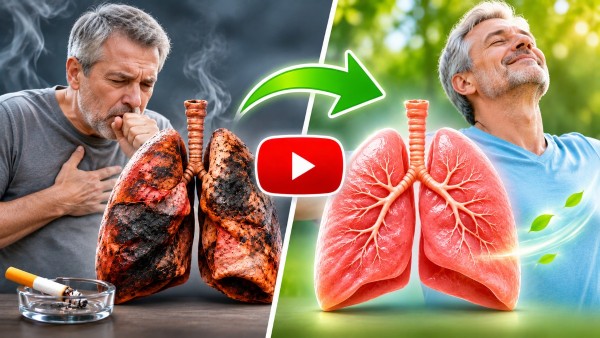
👉 DON’T TRY THIS “HOW TO IMPROVE BREATHING NATURALLY” UNTIL YOU SEE THIS
- Keep your home and car smoke-free. If you smoke, quitting can reduce coughing and shortness of breath over time. Counseling and approved quit-smoking medications can help.
- Ventilate when cooking. Use a range hood that vents outdoors if you have one. Opening a window can help when outdoor air is clean.
- Cut back on products that trigger symptoms. If spray cleaners, incense, or scented products make you cough, see how you feel after reducing their use.
- Address moisture at the source. Repair leaks and manage indoor humidity. The EPA suggests aiming for about 30% to 50% when practical.
- Use filtration where it helps. A portable HEPA air cleaner sized for the room can reduce airborne particles and work alongside source control and ventilation.
In Los Angeles, check the local Air Quality Index before an outdoor workout, especially on days with wildfire smoke. Moving a walk or workout indoors can reduce exposure when outdoor air is unhealthy.
Pay Attention to Nighttime Breathing
Frequent loud snoring, witnessed pauses in breathing, waking up gasping, and daytime sleepiness can be signs of sleep apnea. A partner or household member may notice the pauses before you do. If these symptoms recur, tell your healthcare provider. A sleep study may help determine what is happening.
Nighttime coughing or wheezing can also be a sign that asthma needs better control. If you have asthma, track how often you wake and whether you need your reliever. Bring those details to a medical review.
If shortness of breath begins when you lie flat, report it promptly, especially if the symptom is new or you also notice ankle swelling. Tell your clinician if you have started sleeping propped up or waking repeatedly because you feel short of air.
Slow a Familiar Stress-Related Breathing Pattern
Stress can make you breathe faster and tighten your shoulders, neck, or chest. In response, you might take repeated deep breaths or sigh to get a satisfying breath.
Overbreathing can sometimes leave you lightheaded or cause tingling around your mouth or fingers. If you recognize this as a familiar pattern and otherwise feel well, sit with your feet on the floor.
Relax your jaw and take a small, comfortable breath in. Allow a slightly longer breath out, then repeat a few times. If monitoring every breath makes you feel more tense, shift your attention to the sensation of your feet on the floor.
New or recurring symptoms deserve medical attention, particularly if they occur during physical activity or feel different from previous episodes. A history of stress-related breathing symptoms still leaves room for other causes.
Ask About Pulmonary Rehabilitation for Chronic Breathlessness
Pulmonary rehabilitation is a structured program that combines exercise, education, and symptom management. If you live with COPD or another chronic lung condition that makes everyday activities difficult, ask your clinician whether you might benefit.
A rehabilitation team can tailor activity to your starting level and teach techniques you can use during meals, chores, walks, and other daily activities.
If you have asthma, follow your written asthma action plan when symptoms flare. Use the prescribed medication as directed and seek urgent help if symptoms are severe or your reliever fails to help as expected.

👉 DON’T TRY THIS “HOW TO IMPROVE BREATHING NATURALLY” UNTIL YOU SEE THIS
Common Mistakes When Trying to Improve Breathing Naturally
Forcing deep breaths
Repeatedly inhaling as deeply as possible or holding your breath for a long time can make you feel dizzy, tense, or more short of air. For everyday practice, aim for a comfortable inhale and a soft exhale. Return to your normal breathing if an exercise starts to feel strenuous.
Relying on lung detox products
Teas, supplements, and inhaled products marketed as lung cleanses have no proven ability to reverse smoking-related lung damage or treat chronic lung disease. Some inhaled products can irritate sensitive airways. Reducing exposure to actual irritants, such as smoke or fumes, is a practical way to protect your lungs.
Trusting a pulse oximeter more than your symptoms
A home pulse oximeter estimates blood oxygen saturation. Factors such as skin pigmentation, circulation, cold fingers, and nail polish can affect the reading. Seek help for severe breathlessness or chest pressure even if the reading looks reassuring. If a clinician has asked you to monitor your oxygen at home, follow the instructions they gave you.
Conclusion
To improve breathing naturally, choose a habit that fits what you experience. A gentle, longer exhale may help you recover when you feel mildly winded.
Regular walks can build stamina for everyday tasks, and reducing smoke and fumes can remove triggers that make you cough or wheeze.
Measure progress by what feels easier in daily life, such as needing fewer stops on a familiar walk or recovering more quickly after climbing stairs.
If breathlessness is new, getting worse, waking you at night, or making routine activities harder, get it evaluated so you can address the cause.
👉 DON’T TRY THIS “HOW TO IMPROVE BREATHING NATURALLY” UNTIL YOU SEE THIS
References
https://www.healthline.com/health/how-to-breathe
https://www.webmd.com/lung/how-we-breathe
https://en.wikipedia.org/wiki/Lung
.
About Us
