
How to Get Thicker and Shinier Hair: 10 Proven Tips
Getting thicker and shinier hair starts with a healthy scalp, balanced nutrition, proper hair care, and consistent daily habits. Although genetics influence natural hair thickness, the right routine can help reduce breakage, improve shine, and support healthier hair growth over time.
Many people spend money on expensive shampoos, oils, masks, and supplements hoping to achieve fuller, glossy hair.
However, healthy-looking hair does not always require complicated treatments. Understanding what your hair needs and choosing evidence-based care methods can make a meaningful difference.
👉 DON’T TRY THIS “HOW TO GET THICKER AND SHINIER HAIR” UNTIL YOU SEE THIS
Learn how to get thicker and shinier hair with a simple routine that reduces breakage, boosts shine, and helps you spot when thinning needs professional care.
This guide explores practical ways to improve hair thickness and shine, including nutrition, scalp care, natural oils, washing techniques, and common mistakes to avoid.
Understand What Makes Hair Thick and Shiny
Before changing your hair care routine, it helps to understand what determines hair thickness and shine.
Hair thickness is influenced by genetics, age, hormones, health, and the natural growth cycle. Individual hair strands also vary in diameter, while overall hair density depends on how many follicles are growing hair across the scalp.
Shiny hair, on the other hand, is generally associated with a smooth, well-maintained outer hair layer called the cuticle.
When the cuticle lies relatively flat, it reflects light more evenly. Heat damage, chemical treatments, friction, and dryness can make the surface rougher, reducing shine.
The two main goals are:
- Support healthy hair growth and reduce unnecessary shedding.
- Protect existing strands from damage, dryness, and breakage.
Eat Protein-Rich Foods for Stronger Hair
Nutrition plays an important role in maintaining healthy hair. Hair is primarily made of a protein called keratin, which requires adequate dietary protein for normal production.
Not eating enough protein may contribute to hair shedding, particularly when dietary intake remains inadequate for an extended period.
Include protein-rich foods such as:
- Eggs
- Fish and chicken
- Greek yogurt
- Lentils and beans
- Nuts and seeds
- Soybeans and tofu
Protein also supports general tissue maintenance and normal body functions.
Rather than relying on one special food, aim for a balanced diet that provides sufficient protein throughout the day.
Include Essential Vitamins and Minerals
Certain vitamins and minerals support normal hair follicle function and healthy hair growth.
Nutritional deficiencies can contribute to hair thinning, but taking additional supplements does not automatically make hair grow thicker.
Important nutrients include:
- Iron: Helps red blood cells transport oxygen throughout the body. Iron deficiency can contribute to hair loss.
- Zinc: Supports normal cell growth, tissue repair, and protein synthesis.
- Vitamin D: Plays a role in several biological processes, including those involved in hair follicle function.
- Vitamin B12: Supports red blood cell production and normal cellular function.
- Biotin: Helps the body process nutrients. Biotin deficiency can cause hair thinning, but deficiency is relatively uncommon.
Food sources such as leafy greens, eggs, seafood, dairy products, nuts, seeds, and whole grains can help provide these nutrients.
If you experience unexplained hair thinning, a healthcare professional can determine whether nutritional deficiencies need investigation.
Massage Your Scalp Regularly
Scalp massage is a popular addition to hair care routines because it is simple and relaxing.
Gentle massage may temporarily increase blood flow to the scalp. However, strong scientific evidence that scalp massage alone produces significant hair regrowth or permanently increases hair thickness remains limited.
For a comfortable routine:
- Place your fingertips gently against your scalp.
- Use small circular movements.
- Move across the front, sides, and back of your scalp.
- Continue for approximately 3–5 minutes.
- Avoid scratching or pulling the hair.
Regular, gentle massage can also help distribute scalp oils and make hair care feel more relaxing.
Use Natural Oils to Improve Hair Shine
Hair oils can help improve the appearance and manageability of dry or damaged hair.
Some oils reduce friction, smooth the hair surface, and help limit moisture loss. This can make hair appear softer, glossier, and less prone to breakage.
Popular options include:
- Coconut oil: Has evidence supporting its ability to reduce protein loss from hair when used as a pre-wash treatment.
- Argan oil: Helps condition hair and improve its smooth appearance.
- Jojoba oil: Commonly used to soften dry hair and improve manageability.
- Olive oil: Can provide conditioning benefits for some dry hair types.
Apply a small amount to the mid-lengths and ends rather than coating the scalp unnecessarily.
Remember that oils improve the condition and appearance of existing hair. They do not reliably create new follicles or reverse genetic hair loss.
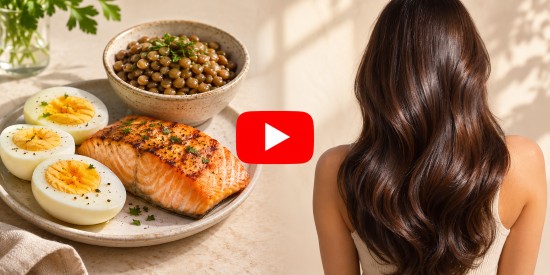
👉 DON’T TRY THIS “HOW TO GET THICKER AND SHINIER HAIR” UNTIL YOU SEE THIS
Choose a Shampoo That Matches Your Hair Type
Washing your hair properly helps remove excess oil, sweat, dirt, and styling product buildup.
However, using harsh shampoos or washing too aggressively may leave some hair types feeling dry and rough.
Consider these simple guidelines:
- Choose a gentle shampoo suitable for your scalp.
- Wash oily hair as often as needed to control excess oil.
- Avoid excessive shampooing of already dry hair.
- Concentrate shampoo on the scalp rather than repeatedly rubbing the lengths.
- Rinse thoroughly to remove product residue.
People with dandruff or scalp irritation may benefit from specially formulated shampoos containing ingredients designed to address those conditions.
The best shampoo is not necessarily the most expensive one. It is the product that cleans your scalp without causing unnecessary dryness or irritation.
Use a Conditioner for Softer, Shinier Hair
Conditioner is one of the simplest ways to improve hair texture and shine. It helps smooth the hair cuticle, reduce friction, improve detangling, and minimize breakage caused by combing.
For better results:
- Apply conditioner mainly to the mid-lengths and ends.
- Leave it on according to the product instructions.
- Rinse thoroughly unless using a leave-in conditioner.
- Choose richer formulas for dry, coarse, or curly hair.
- Use lightweight formulas if your hair becomes oily or weighed down easily.
A suitable conditioner can make hair look smoother and shinier without changing its natural thickness.
Reduce Heat Styling and Chemical Damage
Frequent heat styling is one of the common reasons hair becomes dry, brittle, and less shiny.
Flat irons, curling irons, and high-temperature blow-dryers can damage the hair’s protective cuticle. Repeated chemical treatments may also weaken the hair structure.
To protect your strands:
- Limit frequent use of straighteners and curling irons.
- Apply a heat-protectant product before styling.
- Use the lowest effective heat setting.
- Avoid repeatedly applying heat to the same section.
- Space out bleaching, coloring, and chemical treatments.
- Allow hair to air-dry when practical.
These steps help preserve existing hair length and reduce breakage, making hair appear fuller over time.
Try a Weekly Deep Conditioning Treatment
A weekly hair mask can help improve softness, smoothness, and manageability, especially if your hair is dry or chemically treated.
Deep conditioners generally contain conditioning ingredients that coat the hair surface and reduce friction.
Look for products containing:
- Glycerin
- Fatty alcohols
- Ceramides
- Conditioning agents
- Hydrolyzed proteins
Use the treatment according to its instructions rather than assuming that leaving it on longer will produce better results.
A deep conditioning treatment can improve the appearance of damaged hair, but it cannot permanently repair a severely damaged hair strand.
Protect Your Hair While Sleeping
Your hair can experience friction and mechanical damage even while you sleep.
Repeated rubbing against rough pillowcases may contribute to tangling, frizz, and breakage, particularly if your hair is long, curly, or fragile.
Try these habits:
- Use a satin or silk pillowcase if it helps reduce friction.
- Avoid sleeping with tightly secured hairstyles.
- Gently detangle hair before bedtime.
- Consider a loose braid for longer hair.
- Avoid going to bed with soaking-wet hair when possible.
These small adjustments can help preserve hair length and maintain a smoother appearance.
Common Hair Growth Myths and Misconceptions
Social media frequently promotes quick solutions for thicker and shinier hair. However, not every popular hair care trend has strong scientific support.
Here are some common misconceptions.
Myth 1: Cutting hair makes it grow faster.
Trimming does not change the growth rate of hair follicles. However, removing split ends can reduce further splitting and help hair look healthier.
Myth 2: Applying oil guarantees hair regrowth.
Oils can condition hair and reduce friction, but most ordinary cosmetic oils have not been proven to reverse hair loss.
Myth 3: More shampoo means healthier hair.
Excessive washing with unsuitable products may increase dryness. Washing frequency should match your scalp and hair type.
Myth 4: Biotin supplements work for everyone.
Biotin may help people with a deficiency, but there is little evidence that additional biotin improves hair growth in people who already get enough.
Myth 5: Hair can grow several inches overnight with natural remedies.
Hair growth is a gradual biological process. No oil, shampoo, or homemade mask can produce dramatic overnight growth.
Understanding these myths helps you avoid wasting money on unrealistic promises.
Common Hair Care Mistakes to Avoid
Even people with an extensive hair care routine may unknowingly damage their hair through everyday habits.
Avoid these common mistakes:
- Brushing wet hair aggressively.
- Using excessive heat without protection.
- Applying too many styling products.
- Ignoring persistent scalp irritation.
- Wearing tight hairstyles every day.
- Using unsuitable chemical treatments frequently.
- Taking high-dose supplements without identifying a deficiency.
- Expecting immediate results from hair care products.
Consistency and gentle handling are generally more useful than constantly switching between trending treatments.
👉 DON’T TRY THIS “HOW TO GET THICKER AND SHINIER HAIR” UNTIL YOU SEE THIS
When Should You Be Concerned About Hair Thinning?
Some daily hair shedding is normal. Most people lose approximately 50–100 hairs per day as part of the natural hair growth cycle.
However, noticeable changes in hair density should not always be dismissed as ordinary shedding.
Consider professional evaluation if you experience:
- Sudden or excessive hair shedding.
- A widening hair part.
- Gradual thinning around the crown or temples.
- Round or patchy areas of hair loss.
- Scalp redness, scaling, pain, or itching.
- Hair loss accompanied by other unexplained symptoms.
Possible causes include genetic hair loss, hormonal changes, nutritional deficiencies, certain medications, thyroid conditions, stress-related shedding, and scalp disorders.
Treatments depend on the underlying cause. For example, minoxidil is an evidence-based treatment for certain types of hair loss, but it is not appropriate for every person or every cause of thinning.
Early assessment can help identify the problem and prevent unnecessary delays in treatment.
How Long Does It Take to Get Thicker and Shinier Hair?
The timeline depends on whether you are trying to improve hair appearance, reduce breakage, or address actual hair loss.
Here is a general guide:
| Timeframe | Possible improvement |
| 1–2 weeks | Hair may feel softer with suitable conditioning |
| 3–4 weeks | Improved manageability and reduced friction |
| 2–3 months | Less breakage may become noticeable with consistent care |
| 3–6 months | Some hair-loss treatments may begin showing measurable results |
Hair grows approximately half an inch (1.25 cm) per month on average, although individual growth rates vary.
Remember that cosmetic improvements and actual increases in hair density are different outcomes. Visible regrowth may take several months, depending on the cause of hair loss and treatment.
Conclusion
Learning how to get thicker and shinier hair does not require an expensive collection of products or complicated treatments. The most effective starting point is a combination of balanced nutrition, gentle scalp care, suitable shampoo and conditioner, regular conditioning, and protection against heat and chemical damage.
Natural oils and scalp massages may support a better hair care experience, while protein, iron, zinc, and other essential nutrients help maintain normal hair health.
Most importantly, understand the difference between improving the appearance of existing hair and treating genuine hair loss. If your hair is becoming noticeably thinner, identifying the underlying cause is more important than relying on viral remedies.
The best approach is consistency, patience, and evidence-based care. With healthy daily habits and the right products for your hair type, you can improve shine, reduce breakage, preserve hair length, and support healthier-looking, fuller hair over time.
👉 DON’T TRY THIS “HOW TO GET THICKER AND SHINIER HAIR” UNTIL YOU SEE THIS
References
https://www.healthline.com/health/beauty-skin-care/how-to-get-shiny-hair
https://en.wikipedia.org/wiki/Hair_care
https://www.mayoclinic.org/diseases-conditions/hair-loss/diagnosis-treatment/drc-20372932
.
About Us
