
How to Get GLP-1 If You’re Uninsured – 2026 Guide
Indroduction
GLP-1 medications have quickly become one of the most talked-about options for weight management and metabolic health support. Drugs like semaglutide and tirzepatide are widely prescribed, but one major challenge remains: cost and insurance coverage.
If you’re uninsured, or your plan excludes weight-loss medications, the good news is that you still have real, legal, and medically supervised pathways to access GLP-1 therapy in 2026.
While retail prices can exceed $900–$1,300 per month, most uninsured patients today pay significantly less through structured programs, telehealth services, or manufacturer direct options.
This guide breaks down exactly how to get GLP-1 without insurance, what each path costs, and how to choose the safest and most affordable option.
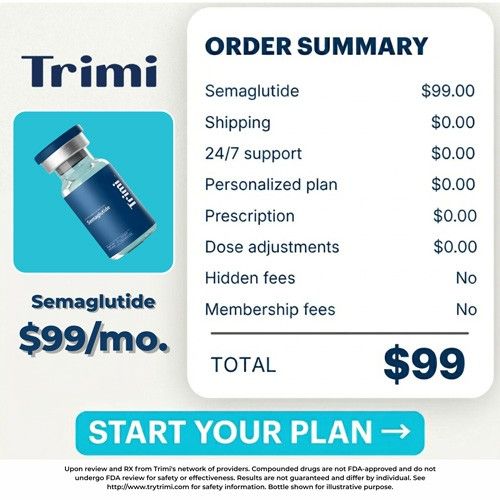
Uninsured patients can access GLP-1 through telehealth clinics, cash-pay programs, manufacturer savings, or assistance plans with doctor approval.
Understanding Why GLP-1 Is Expensive Without Insurance
Before exploring access options, it helps to understand why these medications feel out of reach for many uninsured patients.
GLP-1 drugs are high-demand, patented prescription treatments developed for diabetes and weight management. Without insurance, pharmacies typically charge full list prices, which often range from $900 to $1,600 per month, depending on the brand and dosage.
For most people, this price is not what they actually end up paying—but it is the starting point that creates confusion.
A few key reasons for high cost:
- Brand-name exclusivity (no generic equivalents for most GLP-1 drugs)
- Complex manufacturing and delivery systems (especially injectables)
- High demand globally
- Limited insurance coverage for obesity-related prescriptions
The result is a gap between retail pricing and real-world access programs, which is where uninsured patients can still find affordable pathways.
Path 1: Manufacturer Direct Programs (Most Reliable Brand-Name Option)
One of the safest and most structured ways to access GLP-1 medications without insurance is through manufacturer direct programs.
Pharmaceutical companies like Eli Lilly and Novo Nordisk now offer cash-pay or direct-to-patient options that bypass traditional insurance systems.
What you can expect:
- Brand-name medication (no compounding)
- FDA-approved products
- Lower fixed monthly pricing compared to retail pharmacies
- Direct shipping or partner pharmacies
Typical costs:
- Starter programs: around $149–$299/month for certain products
- Standard injectable treatments: roughly $299–$449/month in many direct programs
Pros:
- High-quality, regulated medications
- Predictable pricing
- Medical oversight included in most programs
Cons:
- Eligibility restrictions in some cases
- Dose escalation can increase cost over time
- Not always the cheapest option
This pathway is often considered the most stable long-term solution for uninsured patients who want consistent access.
👉 GLP-1 Starting At $59 Per Month – 100% Online
Path 2: Telehealth Clinics (Most Popular Option for Uninsured Patients)
Telehealth services have become the most common way for people without insurance to access GLP-1 medications.
These platforms connect patients with licensed clinicians who prescribe treatment and coordinate delivery through partner pharmacies.
Why people choose telehealth:
- Fast onboarding (often within days)
- No traditional insurance required
- Subscription-based pricing
- Ongoing medical support
Typical monthly cost:
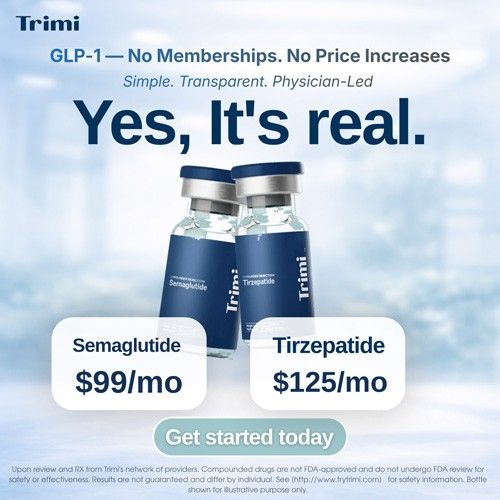
- $99 to $350 per month depending on dose and provider
What’s included:
- Online medical consultation
- Prescription approval
- Medication delivery
- Dose management support
Pros:
- Fastest way to start treatment
- Affordable entry point
- Convenient and remote
Cons:
- Monthly subscription fees
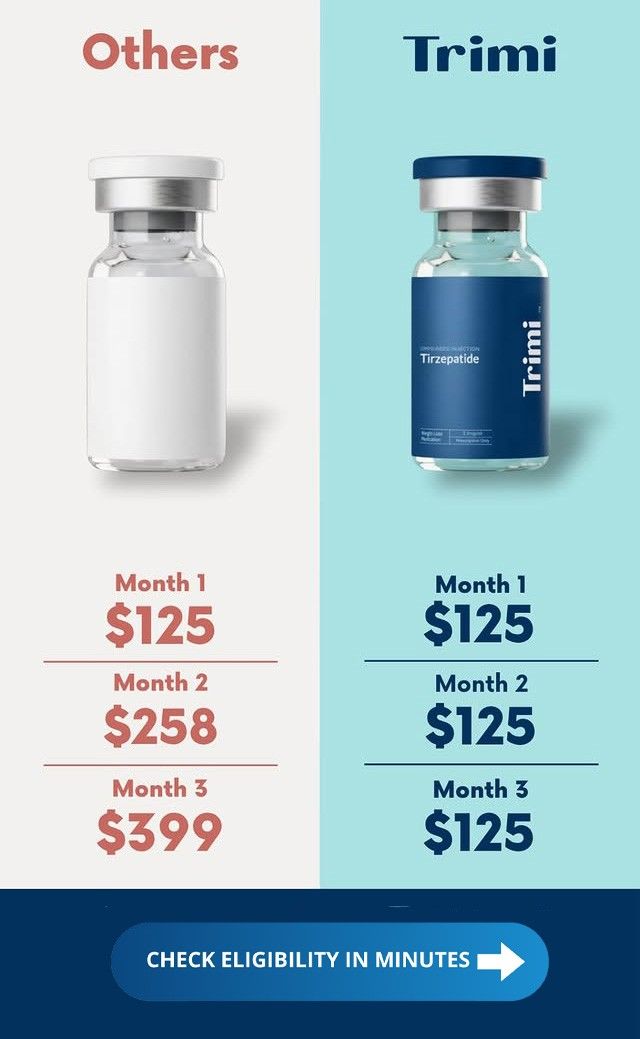
- Prices may increase at higher doses
- Quality varies between providers
For many uninsured patients, this is the most balanced mix of affordability and convenience.
Path 3: Compounded GLP-1 Medications (Lower Cost, More Variability)
Compounded medications are prepared by licensed pharmacies and are often marketed as a lower-cost alternative to brand-name GLP-1 drugs.
Typical cost range:
- $129 to $299 per month for semaglutide alternatives
- $200 to $350 per month depending on provider and formulation
Why people consider this option:
- Lower monthly cost
- Faster access in many cases
- Flexible dosing options
Important considerations:
- Not FDA-approved in the same way as brand-name drugs
- Quality depends on pharmacy standards
- Availability has become more regulated in recent years
Pros:
- Most affordable access point
- Widely available through telehealth
- Flexible treatment plans
Cons:
- Regulatory uncertainty
- Variable consistency between providers
- Not identical to brand-name formulations
This option is often chosen by patients prioritizing affordability over brand-name consistency.
Path 4: Discount Programs and Savings Cards (Limited Eligibility)
Many people search for discount cards or coupons, but these programs come with strict requirements.
What you need to know:
- Most savings cards require commercial insurance
- They usually do NOT work for uninsured patients
- Discounts can reduce costs significantly—but only if eligible
For uninsured individuals, this path is often not applicable, but it is still worth checking eligibility if you recently lost insurance.
👉 Try the Best GLP-1 of 2026 That’s Working for Thousands
Path 5: Patient Assistance Programs (Best for Low-Income Patients)
Pharmaceutical companies and nonprofit organizations offer assistance programs designed to help qualifying individuals access medications at reduced or no cost.
Common features:
- Free or heavily discounted medication
- Income-based eligibility
- Application and approval process required
Who qualifies:
- Individuals below certain income thresholds
- Patients without prescription coverage
- People with documented medical need
Pros:
- Potentially very low cost or free access
- Brand-name medication
Cons:
- Application process can take time
- Not guaranteed approval
- Requires documentation
This option is especially valuable for patients with financial hardship.
How to Choose the Right GLP-1 Path Without Insurance
Choosing the right option depends on three key factors:
1. Budget
- Under $150/month → compounded or limited telehealth plans
- $150–$300/month → manufacturer direct programs
- $300+ → brand-name GLP-1 via telehealth or retail access
2. Speed of access
- Fastest: telehealth platforms (1–3 days)
- Moderate: manufacturer programs (1–2 weeks)
- Slowest: assistance programs (weeks to months)
3. Comfort level
- Brand-name stability → manufacturer direct
- Convenience → telehealth
- Lowest cost → compounded options
What Most Uninsured Patients Actually Pay in 2026
Although retail prices are extremely high, real-world costs are much lower due to competition and cash-pay programs.
In 2026, most uninsured patients fall into this range:
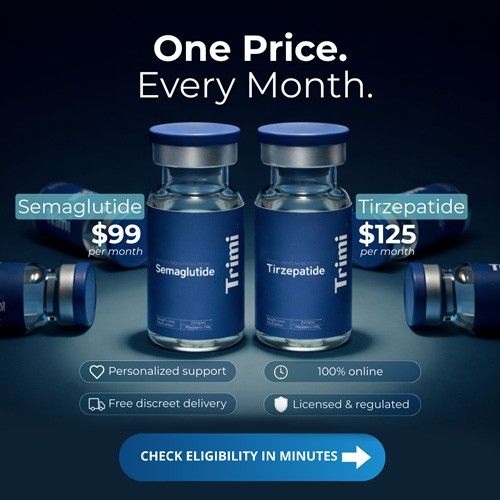
- Low end: $99–$149/month (telehealth or entry-level programs)
- Mid range: $200–$350/month (standard treatment plans)
- Upper range: $350–$450/month (brand-name injectables via direct programs)
This shift has made GLP-1 therapy far more accessible than it was just a few years ago.
👉 Forbes Reveals Clear GLP-1 Winner For Affordability 2026
Common Mistakes to Avoid When Buying GLP-1 Without Insurance
Many patients run into problems by rushing the process. Avoid these mistakes:
- Choosing unverified providers without medical oversight
- Falling for “too cheap to be true” offers online
- Not confirming pharmacy licensing
- Ignoring dose escalation costs
- Skipping medical consultation
Safe access always involves licensed clinicians and regulated pharmacies.
Tips for Making GLP-1 Treatment More Affordable
Compare Different Healthcare Providers
Prices for consultations and services may vary.
Research Assistance Programs
Look for official programs designed for eligible patients.
Ask About Discounts
Some providers and pharmacies may offer savings opportunities.
Plan Long-Term Costs
Consider whether ongoing treatment fits your budget.
Avoid Unsafe Shortcuts
Only use medications prescribed and obtained through reliable healthcare channels.
Questions to Ask Your Healthcare Provider
Before starting GLP-1 medication, consider asking:
- Is a GLP-1 medication suitable for my health situation?
- What benefits should I expect?
- What are possible side effects?
- Are there affordable options available?
- Are assistance programs available?
- How often will follow-up visits be needed?
Having an open discussion can help create a realistic treatment plan.
Steps to Take Before Starting GLP-1 Treatment
Step One: Schedule a Medical Consultation
Discuss your health history, goals, and concerns with a provider.
Step Two: Review Your Treatment Options
Ask about available GLP-1 medications and possible alternatives.
Step Three: Explore Financial Assistance
Check manufacturer programs, savings opportunities, and community resources.
Step Four: Compare Total Costs
Consider medication, appointments, monitoring, and follow-up expenses.
Step Five: Follow Medical Guidance
Use prescribed treatments exactly as directed.
👉 Get GLP-1 At $59 Per Month (Limited Time Offer)
Is It Possible to Get GLP-1 Without Insurance?
Yes, some uninsured individuals may be able to access GLP-1 medications through different pathways. Options may include paying out-of-pocket, using eligible assistance programs, exploring savings opportunities, or working with healthcare providers offering affordable care options.
However, availability depends on individual circumstances, medication type, eligibility requirements, and healthcare needs.
The best approach is combining medical guidance with careful cost planning.
Is It Worth Getting GLP-1 Without Insurance?
For many patients, yes especially when used under medical supervision as part of a structured weight management plan.
The key is choosing a legitimate access pathway that balances safety, affordability, and consistency. While uninsured patients do pay more than insured individuals, modern cash-pay systems have made treatment significantly more achievable than in previous years.
Final Thoughts
Getting GLP-1 medications without insurance in 2026 is no longer impossible it’s a matter of choosing the right pathway.
Whether you go through a telehealth provider, a manufacturer-direct program, or a patient assistance option, there are multiple legitimate ways to access treatment at a fraction of the cost of traditional retail prices.
The most important step is not just finding the lowest price but ensuring the program is medically supervised, transparent, and sustainable long-term.
References
- https://www.mayoclinic.org/drugs-supplements/semaglutide-subcutaneous-route/description/drg-20406730
About Us
