
How To Get GLP-1 If You’re Uninsured (2026 Guide): is it legit?
GLP-1 medications have become one of the most talked-about options for medically supervised weight management, but getting access can be difficult when you do not have health insurance. The good news is that being uninsured does not automatically mean you cannot get a GLP-1 prescription.
In 2026, several legitimate routes may help uninsured patients obtain GLP-1 medications, including manufacturer self-pay programs, direct pharmacy programs, telehealth consultations, community health centers, Medicaid eligibility, patient assistance programs, and pharmacy cash-price comparisons.
The challenge is knowing which option is legitimate, how much it may actually cost, and whether a particular medication is medically appropriate for you.
Learn how to get GLP-1 medication without insurance in 2026, including self-pay options, telehealth, assistance programs, and cost-saving tips.
This How To Get GLP-1 If You’re Uninsured (2026 Guide) explains the process step by step, including current self-pay options, ways to reduce medical consultation costs, which medications are approved for weight management, what to know about compounded GLP-1 drugs, and how to avoid questionable online sellers.
GLP-1 medications are prescription drugs. A licensed healthcare professional should determine whether one is appropriate based on your health history, medications, weight-related risks, and treatment goals.
Quick Answer: Can You Get a GLP-1 Without Insurance?
Yes. You can potentially get a GLP-1 medication without health insurance, but you still need a valid prescription from an appropriately licensed healthcare professional.
Insurance is not required to receive a prescription. Instead, an uninsured patient can pay for the medical consultation and medication out of pocket.
The most practical options in 2026 include:
- Manufacturer self-pay programs
- Direct-to-patient pharmacy programs
- Legitimate telehealth providers
- Primary care physicians
- Community health centers
- Medicaid, if eligible
- Marketplace health insurance
- Patient assistance programs for eligible medications
- Pharmacy cash-price and discount comparisons
For people using GLP-1 medications specifically for obesity treatment, FDA-approved medications intended for chronic weight management are generally the most straightforward medications to discuss with a clinician.
What Is a GLP-1 Medication?
GLP-1 stands for glucagon-like peptide-1. GLP-1 receptor agonists mimic or enhance biological pathways involved in blood sugar regulation, appetite, digestion, and feelings of fullness.
Some medications in this broader category were originally developed for type 2 diabetes, while others have been specifically approved for chronic weight management.
Semaglutide is one of the best-known examples. Tirzepatide acts on both GIP and GLP-1 receptors and is commonly grouped with GLP-1 medications in discussions about obesity treatment.
These medicines are not simply appetite suppressants. They influence several metabolic processes, which is why medical supervision is important during treatment.
Which GLP-1 Medications Are Used for Weight Loss in 2026?
Two of the most recognizable FDA-approved prescription options for chronic weight management are Wegovy and Zepbound.
Wegovy
Wegovy contains semaglutide and is approved for long-term weight management in eligible patients when used alongside appropriate dietary and physical-activity changes.
In 2026, Wegovy is available in multiple formulations, and NovoCare currently advertises direct self-pay options for eligible patients. All forms still require a prescription.
Zepbound
Zepbound contains tirzepatide, which activates both GIP and GLP-1 receptors.
It is FDA-approved for chronic weight management in eligible adults with obesity or certain adults who are overweight and have a weight-related medical condition. Zepbound also has an approved indication involving moderate-to-severe obstructive sleep apnea in adults with obesity.
What About Ozempic?
Ozempic also contains semaglutide, but its FDA-approved indications are associated primarily with type 2 diabetes and related health outcomes, rather than general weight-loss treatment.
If you have type 2 diabetes, your doctor may decide Ozempic is appropriate based on its approved indications.
You should not attempt to obtain a diabetes diagnosis or diabetes medication simply because you believe it will be cheaper than an obesity medication.
What About Mounjaro?
Mounjaro contains tirzepatide and is approved for type 2 diabetes. Zepbound contains the same active ingredient but is the tirzepatide brand with obesity-related indications.
Your doctor should select the medication according to your actual diagnosis and medical needs.
Who May Qualify for a Weight-Loss GLP-1?
Eligibility depends on the specific medication and your individual medical circumstances.
For medications such as Zepbound, weight-management treatment commonly includes adults with:
- A BMI of 30 kg/m² or higher, indicating obesity, or
- A BMI of at least 27 kg/m² with an applicable weight-related health condition.
Potential weight-related conditions can include problems such as hypertension, abnormal cholesterol levels, cardiovascular disease, or obstructive sleep apnea, depending on the medication and individual situation.
BMI alone does not tell your doctor everything.
Your clinician may also evaluate your:
- Medical history
- Current medications
- Previous weight-management attempts
- Blood pressure
- Blood glucose
- Kidney function
- Digestive history
- Gallbladder history
- Family medical history
- Pregnancy plans
- Other metabolic risk factors
Getting a GLP-1 should therefore begin with a medical assessment, rather than simply ordering the cheapest injection found online.
How To Get GLP-1 If You’re Uninsured in 2026
Here is a practical step-by-step approach.
Step 1: Schedule a Medical Evaluation
The first requirement is obtaining a legitimate prescription.
You can start with your regular primary care doctor if you already have one. Tell the office you are uninsured and ask for its self-pay consultation price before scheduling.
Some clinics provide substantial discounts when patients pay directly.
If you do not have a primary care provider, you can consider:
- Federally qualified health centers
- Community health clinics
- Obesity-medicine practices
- Endocrinology clinics
- Legitimate telehealth providers
Do not assume that an expensive monthly telehealth membership is required. Sometimes paying a local clinic directly for an appointment can be less expensive.
Step 2: Consider a Community Health Center
One of the most overlooked options for uninsured patients is a federally supported community health center.
Health centers commonly offer sliding-fee programs based on factors such as household income and family size. These programs can reduce the cost of the medical evaluation, even if they do not necessarily make the prescription medication itself less expensive.
The federal HRSA Find a Health Center program lists thousands of healthcare sites throughout the United States.
When contacting a center, ask:
- “Do you treat obesity or metabolic conditions?”
- “Do you prescribe FDA-approved weight-management medications when medically appropriate?”
- “What is the self-pay or sliding-scale cost?”
- “Do you have pharmacy assistance resources?”
This may considerably reduce the cost of evaluation and monitoring.
Step 3: Ask About Manufacturer Self-Pay Programs
For many uninsured patients, the manufacturer should be one of the first places to check for medication pricing.
Buying a brand-name GLP-1 at an ordinary pharmacy without insurance can be expensive. Direct manufacturer self-pay programs can sometimes provide a significantly lower predetermined cash price.
Wegovy Self-Pay Options
As of August 2026, NovoCare advertises self-pay access for Wegovy without requiring insurance. Current advertised pricing varies depending on formulation and dose.
NovoCare lists the Wegovy oral formulation starting at approximately $149 per month, while current offers for certain new Wegovy injection patients start around $199 per month for qualifying initial fills. Prices increase for certain formulations, doses, or after introductory offers expire.
These programs have eligibility requirements and can be modified or discontinued, so patients should always check the current terms immediately before filling a prescription.
Zepbound Self-Pay Options
Eli Lilly also provides self-pay pathways for Zepbound.
Under the current 2026 Zepbound KwikPen Self-Pay Savings Card terms, eligible cash-paying patients may pay approximately:
| Zepbound Dose | Current Self-Pay Price* |
|---|---|
| 2.5 mg | As low as $299/month |
| 5 mg | As low as $399/month |
| 7.5 mg | As low as $449/month |
| 10 mg | As low as $449/month |
| 12.5 mg | As low as $449/month |
| 15 mg | As low as $449/month |
The 2.5 mg dose is an initiation dose, not an approved maintenance dose. Lilly’s program defines a month according to its program terms, and eligibility, prices, savings limits, and expiration dates can change.
*Prices shown are examples of manufacturer-advertised 2026 self-pay offers as of this guide’s August 2026 update, not guaranteed future prices.
Step 4: Compare the Total Monthly Cost, Not Just the Medication Price
A common mistake is looking only at an advertisement saying something like:
“GLP-1 starting at $199.”
That may not represent your actual monthly expense.
Before choosing a provider, calculate the total cost of:
- Initial consultation
- Medication
- Monthly membership
- Follow-up appointments
- Laboratory testing
- Shipping
- Supplies
- Dose increases
- Cancellation fees
- Prescription renewal fees
A provider advertising a $199 medication with a $149 monthly membership may ultimately be more expensive than a manufacturer pharmacy with no recurring clinic membership.
Ask for a complete price breakdown before providing payment details.
Step 5: Check Whether You Qualify for Medicaid
Being uninsured does not necessarily mean you have to remain uninsured.
You can apply for Medicaid at any time during the year. Unlike Marketplace private insurance, Medicaid enrollment is not restricted to the normal annual Open Enrollment period if you qualify.
Eligibility varies according to state rules, income, household circumstances, and other factors. However, there is an important limitation.
Medicaid coverage for obesity GLP-1 medications varies substantially between states. KFF reported that only 13 state Medicaid fee-for-service programs covered GLP-1 medications for obesity treatment as of January 2026, and coverage policies continue to change.
Even when covered, prior authorization or other requirements may apply. Therefore, never enroll in a health plan assuming that it will automatically cover your preferred GLP-1.
Check the medication formulary first.
Step 6: Check Health Insurance Marketplace Options
If you recently lost health insurance, got married, had a baby, moved, experienced another qualifying event, or meet certain other eligibility rules, you may qualify for a Special Enrollment Period through the Health Insurance Marketplace.
HealthCare.gov states that qualifying events may allow enrollment outside the standard annual Open Enrollment period. Medicaid applications can also be submitted throughout the year.
If purchasing Marketplace insurance primarily because you expect to need expensive medications, check:
- Whether your medication is on the formulary.
- Whether obesity medication is excluded.
- Whether prior authorization is required.
- Your prescription deductible.
- Your copayment or coinsurance.
- Whether a particular pharmacy must be used.
- Whether your physician must document previous weight-management efforts.
A low-premium plan is not necessarily the cheapest plan if it excludes the medication you need.
Step 7: Investigate Patient Assistance Programs
Some pharmaceutical manufacturers operate patient assistance programs that provide eligible medications at low or no cost.
Eligibility frequently depends on:
- Household income
- U.S. residency status
- Insurance status
- Medicaid eligibility
- Medication
- Diagnosis
For example, Novo Nordisk currently has a Patient Assistance Program for certain medicines.
In 2026, uninsured patients using eligible Novo Nordisk products may need to meet household income requirements and, in some cases, provide documentation of a denial of Medicaid coverage.
The company’s current program states that uninsured patients seeking Ozempic through the PAP must generally have qualifying household income at or below the program’s specified threshold.
However, Ozempic’s approved indications are not the same as Wegovy’s obesity indication, so an Ozempic assistance program should not be viewed as a workaround for getting semaglutide purely for weight loss.
Always apply according to your legitimate diagnosis and prescription.
Step 8: Compare Legitimate Pharmacy Cash Prices
Another option is to ask several licensed pharmacies for their cash price.
Try:
- Independent pharmacies
- Large retail chains
- Mail-order pharmacies
- Manufacturer direct pharmacies
- Legitimate prescription discount services
Prices can differ substantially.
When comparing prices, make sure you are comparing the exact same:
- Brand
- Formulation
- Strength
- Quantity
- Device
- Number of doses
The advertised price for a starting dose may differ significantly from the cost after your physician increases the dose.
Can You Get a GLP-1 Through Telehealth Without Insurance?
Yes. A licensed telehealth clinician may prescribe GLP-1 medication when medically appropriate. Insurance is not necessarily required.
However, telehealth platforms vary considerably.
Some charge only for the medical visit, while others use recurring memberships that may include:
- Medical consultations
- Prescription management
- Coaching
- Messaging
- Dose adjustments
- Laboratory review
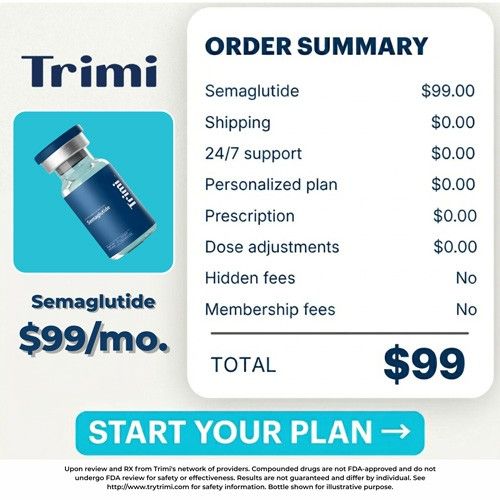
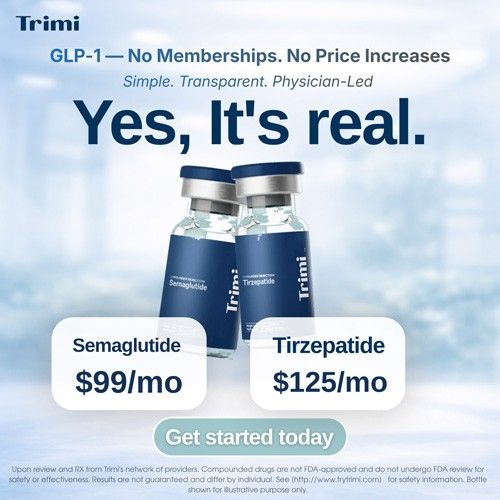
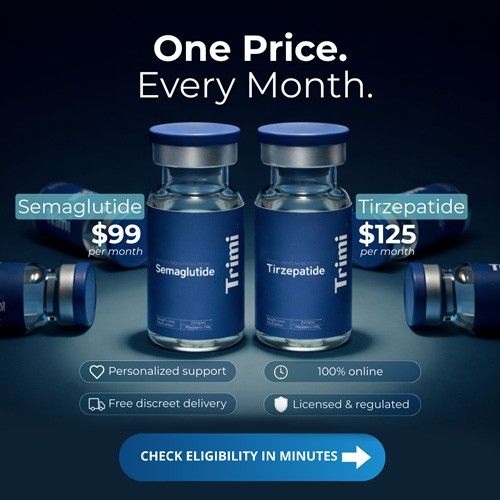
Before signing up, determine whether the advertised monthly price includes the actual medication. A statement such as “GLP-1 program starting at $99/month” may refer only to the service fee.
What Should a Legitimate Telehealth GLP-1 Provider Do?
A reputable provider should normally:
- Require a medical history
- Verify your identity
- Use licensed healthcare professionals
- Evaluate whether medication is appropriate
- Provide a prescription when clinically justified
- Explain dosing
- Discuss side effects
- Review contraindications
- Offer follow-up support
- Identify the dispensing pharmacy
- Clearly disclose medication and service pricing
Be cautious when a website promises medication to virtually everyone without meaningful medical screening.
What About Compounded Semaglutide or Tirzepatide?
Compounded GLP-1 medications became widely discussed when shortages affected access to branded medications. The regulatory landscape is significantly different in 2026.
FDA states that compounded medicines are not FDA-approved, meaning the agency does not review them for safety, effectiveness, and manufacturing quality in the same manner as approved products.
FDA has also expressed concerns about fraudulent compounded semaglutide and tirzepatide products, dosing errors, adverse events, and products marketed with misleading claims.
In March 2026, the FDA announced warning letters to multiple telehealth companies concerning allegedly false or misleading marketing of compounded GLP-1 products.
This does not mean every legally compounded medication is automatically illegitimate.
Compounding has an important role when there is a patient-specific medical need that cannot be met by an FDA-approved product.
However, compounded drugs should not simply be assumed to be interchangeable generic versions of Wegovy, Ozempic, Zepbound, or Mounjaro.
Red Flags When Buying GLP-1 Online
Avoid websites or social-media sellers displaying warning signs such as:
- “No prescription required”
- “Research semaglutide”
- “Research tirzepatide”
- Guaranteed extreme weight loss
- Cryptocurrency-only payment
- No pharmacy information
- No prescriber information
- No medical screening
- Unlabeled syringes
- Medication shipped from an unidentified source
- Claims that compounded medicine is “FDA approved”
- Prices dramatically below legitimate market pricing
- Sellers operating exclusively through social-media messages
FDA has also warned about fraudulent compounded products whose labels may falsely identify pharmacies that did not actually produce them.
If you cannot identify both the prescriber and the dispensing pharmacy, do not inject the product.
How Much Does a GLP-1 Cost Without Insurance in 2026?
There is no single price.
Your cost depends heavily on:
- Medication
- Formulation
- Dose
- Manufacturer program
- Pharmacy
- Provider
- Telehealth fees
- Lab fees
- Eligibility
- Available discounts
For some uninsured patients using current manufacturer programs, the medication alone may begin in the roughly $149-$299 monthly range for certain starting products or doses, while other doses may cost $399, $449, or significantly more.
The important word is starting.
Do not assume your initial price will remain your long-term price.
Ask:
“What will this medication cost when I reach the maintenance dose?”
That single question can prevent unpleasant surprises several months later.
Are GLP-1 Savings Cards Available to Uninsured Patients?
It depends on the individual program. Traditional pharmaceutical savings cards often require commercial health insurance and exclude Medicare or Medicaid patients.
However, newer manufacturer self-pay programs may operate differently and specifically accommodate cash-paying patients.
For example, current Zepbound KwikPen self-pay terms apply to self-paying patients meeting the program’s conditions, while NovoCare states that patients can use its pharmacy self-pay program without insurance.
Always read the current eligibility criteria rather than assuming all manufacturer coupons operate the same way.
Questions to Ask Before Paying for a GLP-1 Program
Before enrolling with any clinic or telehealth company, ask these questions:
1. Is this an FDA-approved medication?
Ask for the exact brand and active ingredient.
2. Is the medication price included?
Do not assume it is.
3. Is there a monthly membership?
Find out whether the membership continues even if you stop medication.
4. What happens when my dose increases?
Your monthly price may change.
5. Which pharmacy fills the prescription?
You should be able to identify the licensed pharmacy.
6. Are laboratory tests required?
Ask whether the cost is included.
7. Can I cancel at any time?
Review cancellation and refund policies.
8. Who handles side effects?
A legitimate program should provide a method for contacting a healthcare professional.
What Are Common GLP-1 Side Effects?
GLP-1 and related medications can cause gastrointestinal side effects, particularly when treatment begins or the dose increases.
Depending on the specific medicine, commonly reported effects may include:
- Nausea
- Vomiting
- Diarrhea
- Constipation
- Abdominal discomfort
- Decreased appetite
- Indigestion
More serious complications can occur, which is one reason medical supervision is necessary.
Prescription labeling for medications such as Wegovy and Zepbound contains important warnings, precautions, contraindications, and instructions that should be reviewed with a healthcare professional.
Seek medical attention when you develop severe or persistent symptoms rather than simply lowering, increasing, or skipping doses on your own.
Who Should Be Especially Careful?
Tell your doctor about your complete medical history before beginning treatment.
This includes a history involving:
- Pancreatic problems
- Gallbladder problems
- Kidney disease
- Severe digestive disorders
- Diabetes medications
- Pregnancy or pregnancy plans
- Thyroid tumors
- Multiple Endocrine Neoplasia syndrome type 2
- Previous reactions to the medication
Wegovy and Zepbound prescribing information includes a boxed warning involving the risk of thyroid C-cell tumors observed in animal studies and contraindications involving certain personal or family histories.
Your healthcare professional should review these risks with you.
Never Increase Your GLP-1 Dose to Lose Weight Faster
GLP-1 doses are normally increased gradually according to a specific titration schedule. The purpose is partly to help the body adjust to medication.
Taking extra medication does not guarantee faster healthy weight loss and can increase the likelihood of adverse effects.
FDA has received reports of dosing errors involving compounded semaglutide, including some cases requiring medical attention or hospitalization. Follow the exact instructions given by your prescriber.
Cheapest Safe Strategy for Getting a GLP-1 Without Insurance
For many uninsured adults, a sensible strategy in 2026 looks like this:
First, find an affordable, legitimate prescriber.
A community health center, primary care clinic, or transparent telehealth practice may work.
Second: Determine the medically appropriate FDA-approved medication.
Do not choose solely by price.
Third: Check the manufacturer’s direct self-pay program before paying ordinary retail cash prices.
Fourth: Compare the long-term maintenance-dose cost rather than only the starting dose.
Fifth: Check Medicaid and Marketplace eligibility.
You may qualify for coverage even if you are currently uninsured.
Sixth: Investigate legitimate patient assistance programs if your income qualifies.
Seventh: Avoid questionable “research,” counterfeit, or mass-marketed compounded products.
This approach may require slightly more effort up front but can make GLP-1 treatment safer and more financially predictable.
Is It Better to Get Insurance Instead of Paying Cash?
Sometimes.
If you expect to need frequent medical care, laboratory testing, specialist appointments, or multiple prescriptions, health insurance may provide much greater overall value than paying everything in cash.
But purchasing insurance does not guarantee coverage for a weight-loss GLP-1. Obesity-drug formularies remain inconsistent. Before choosing a plan, search its formulary for the exact medication and confirm the prior-authorization requirements.
Can You Start a GLP-1 Today Without Insurance?
Potentially, but the process usually requires several steps:
- Complete a medical evaluation.
- Receive a prescription if appropriate.
- Select a pharmacy or manufacturer self-pay program.
- Complete any required laboratory testing.
- Pay for the medication.
- Receive or collect the prescription.
- Follow your clinician’s dosing instructions.
Avoid rushing through these steps simply because an online advertisement promises same-day injections.
Frequently Asked Questions
Can I get Wegovy without insurance?
Yes. A prescription is still required, but NovoCare currently offers self-pay pathways for qualifying patients without insurance. Pricing depends on the formulation, dose, and current promotional terms.
Can I get Zepbound without insurance?
Yes. Lilly currently offers self-pay options for Zepbound, including KwikPen pricing starting at approximately $299 for the 2.5 mg initiation dose under the current 2026 program terms.
Do I need insurance to get a GLP-1 prescription?
No. Insurance pays or helps pay medical expenses; it does not determine whether a doctor can write a medically appropriate prescription. An uninsured patient can pay directly for the appointment and medication.
Do I need a prescription?
Yes. FDA-approved Wegovy, Zepbound, Ozempic, and Mounjaro are prescription medications.
Can I buy semaglutide without seeing a doctor?
Legitimate prescription semaglutide requires authorization from a licensed prescriber. Avoid websites claiming to legally sell prescription semaglutide for human use without medical evaluation or a prescription.
Is compounded semaglutide FDA-approved?
No. FDA states that compounded drugs are not FDA-approved and do not undergo the same premarket FDA review for safety, effectiveness, and quality as approved medications.
Is Ozempic cheaper than Wegovy?
Prices depend on the pharmacy and current manufacturer programs. More importantly, Ozempic and Wegovy have different FDA-approved indications. Medication choice should be based on your medical condition, not on simply selecting the cheapest semaglutide brand.
Can Medicaid cover GLP-1 medication?
Possibly. Coverage varies considerably by state and indication. Obesity medication coverage remains limited in many state Medicaid programs, and prior authorization may be required.
Can a community health center prescribe GLP-1 medication?
Potentially. Community health centers employ licensed medical professionals who can evaluate patients and prescribe appropriate medications. Whether a specific center offers obesity treatment or GLP-1 management should be confirmed directly.
What is the cheapest way to get GLP-1 without insurance?
There is no universally cheapest option. Manufacturer self-pay programs, income-based clinical care, Medicaid eligibility, patient assistance programs, and transparent cash-pay pharmacies should all be compared.
Are $99 GLP-1 advertisements legitimate?
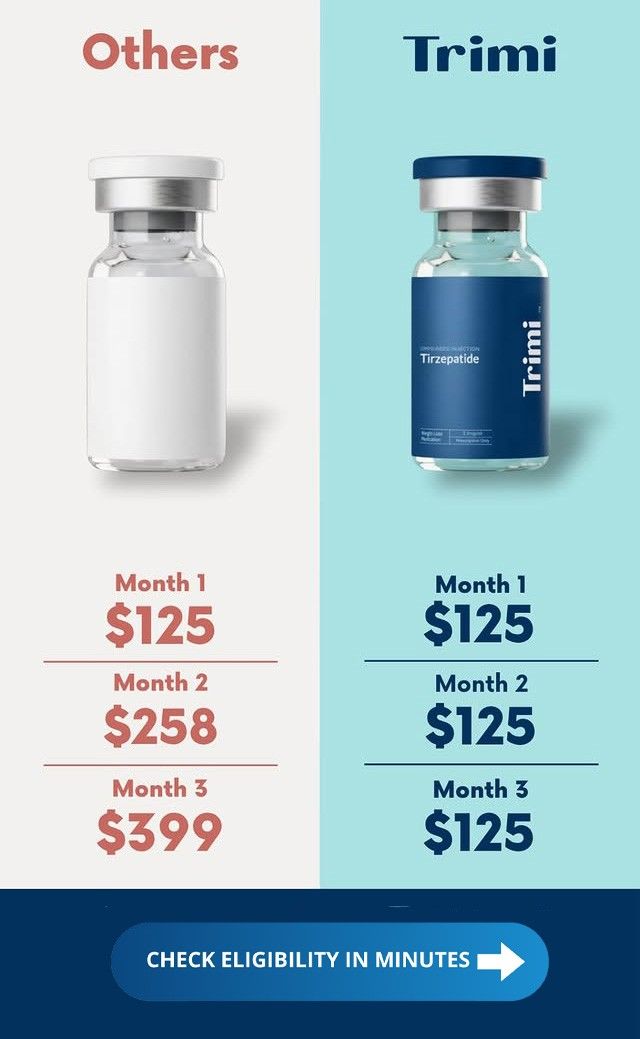
Some advertisements may quote only the membership or consultation price rather than the medication cost. Read the terms carefully and ask for the complete monthly cost, including medication, visits, labs, and shipping.
Can I use a pharmacy discount card with manufacturer self-pay pricing?
Not always. Manufacturer programs commonly restrict combining their offer with other coupons or discounts. Check the specific program terms before filling the prescription.
Can I switch between Wegovy and Zepbound to save money?
Switching medication should be a medical decision made with your prescriber. Different medications have varying dosing schedules, mechanisms of action, contraindications, and titration requirements.
Final Thoughts: How To Get GLP-1 If You’re Uninsured in 2026
Being uninsured can make GLP-1 treatment more complicated, but it does not automatically prevent you from accessing FDA-approved medication.
In 2026, uninsured patients have more direct-pay options than they did during the early years of the GLP-1 boom. Manufacturer pharmacies, self-pay programs, telehealth services, community health centers, Medicaid applications, Marketplace enrollment opportunities, and patient assistance resources can all play a role.
The safest place to begin is with a legitimate healthcare professional.
Determine whether you medically qualify, discuss which medication is appropriate, and then compare the complete monthly treatment cost.
For many patients, checking NovoCare or Lilly’s official self-pay programs before paying a retail pharmacy’s ordinary cash price can make a substantial difference.
At the same time, extremely inexpensive online GLP-1 offers should be approached carefully. FDA scrutiny of misleading and fraudulent compounded GLP-1 marketing has increased, and compounded medications should not be automatically considered generic equivalents of FDA-approved products.
Most importantly, think beyond the first month.
Ask what the medication will cost after dose escalation, whether medical visits or laboratory tests cost extra, and what happens if manufacturer pricing changes.
A good GLP-1 treatment plan should be medically appropriate, financially sustainable, transparent, and professionally supervised.
Reference Links
https://en.wikipedia.org/wiki/Semaglutide
https://www.webmd.com/obesity/weight-loss-prescription-weight-loss-medicine
https://www.healthline.com/health/weight-loss/glp1-for-weight-loss
https://www.mayoclinic.org/diseases-conditions/type-2-diabetes/expert-answers/byetta/faq-20057955
About Us
